Bale Mountains National Park, National park in Bale Zone, Ethiopia.
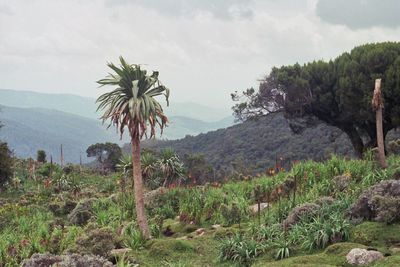
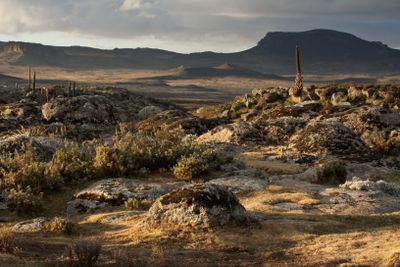
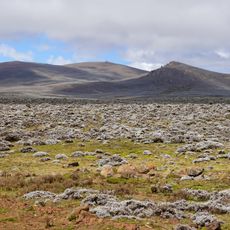
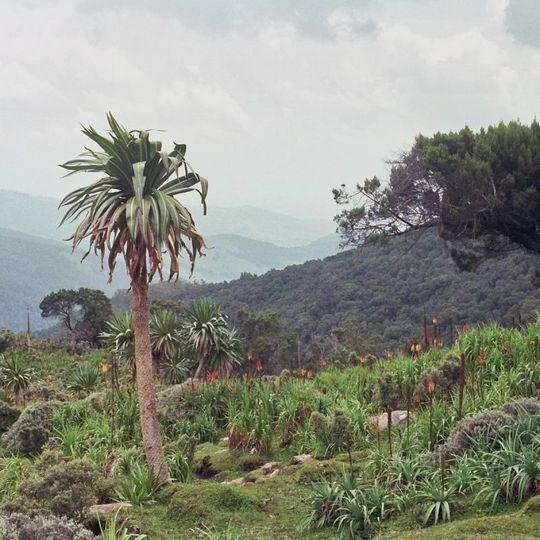
Bale Mountains National Park spreads across alpine meadows, dense forests, and high plateaus in southeastern Ethiopia. The terrain includes five distinct ecological zones cut through by forty rivers, creating numerous hiking routes and lookout points for visitors.
Ethiopia established this protected area in 1969 as a way to preserve the mountain ecosystem for the future. UNESCO later recognized its ecological importance by designating it as a World Heritage Site.
The Oromo communities living near the park maintain pastoral and farming traditions that shape how the land is used and managed. You can see this balance between human activity and wildlife protection throughout the lower elevations of the reserve.
The park is best visited during drier months when trails are easier to navigate and visibility is clearer. Prepare for cooler temperatures at higher elevations and changing weather conditions, so bring appropriate gear for mountain hiking.
The park shelters one of the world's rarest carnivores: the Ethiopian wolf, with only a few hundred left in the wild. This remarkable species roams mainly on the highlands, making the reserve crucial for its survival.
Location: Oromia Region
Inception: 1969
GPS coordinates: 6.66667,39.66670
Latest update: December 6, 2025 16:02
Photo license: CC BY-SA 2.0
Ethiopia offers photographers a range of subjects from medieval architecture to geologically active zones. In the north, Lalibela features eleven churches carved from solid tuff rock during the 12th and 13th centuries, while Axum holds obelisks from the Aksumite Empire that flourished from the 1st to 10th centuries. The Gheralta region of Tigray contains dozens of churches built into cliff faces, accessible via steep trails.The landscape extends from the peaks of the Simien Mountains, rising above 15,000 feet (4,500 meters), to the Danakil Depression, one of the lowest and hottest places on Earth. Bale Mountains National Park supports Ethiopian wolves in afroalpine moorlands, while Awash National Park features acacia woodlands and hot springs. The walled city of Harar Jugol, with its 368 lanes and 82 mosques dating from the 16th century, displays Islamic architecture. The monasteries on Lake Tana islands hold manuscripts from the 14th to 18th centuries, and in Gondar, Fasil Ghebbi documents Ethiopian rule through its 17th and 18th century palaces and churches.
Omo River
298.4 km
Sof Omar Caves
133.4 km
Tiya archaeological site
228.4 km
Nechisar National Park
241 km
Abijatta-Shalla National Park
158.8 km
Mago National Park
403 km
Wonchi
307.2 km
Mount Zuqualla
227 km
Melka Kunture
254.9 km
Lower Valley of the Omo
356.1 km
Chebera Churchura National Park
333.1 km
Yabelo Wildlife Sanctuary
239 km
Senkelle Swayne's Hartebeest Sanctuary
158.2 km
Adadi Mariam
253.8 km
The Gedeo Cultural Landscape
205 km
O'a Caldera
149.7 km
Zoma Contemporary Art Center
277.3 km
Awassa Kenema Stadium
138 km
Konso Cultural Landscape
288.6 km
Gedamsa Caldera
194.9 km
Corbetti
148.7 km
Alutu
157.5 km
Aqushela
753.7 km
Butajiri-Silti Field
211.1 km
Gedamsa
195.5 km
Boset-Bericha
213.7 km
Bora Bericcio
192.1 km
Tullu Moje
176.9 kmReviews
Visited this place? Tap the stars to rate it and share your experience / photos with the community! Try now! You can cancel it anytime.
Discover hidden gems everywhere you go!
From secret cafés to breathtaking viewpoints, skip the crowded tourist spots and find places that match your style. Our app makes it easy with voice search, smart filtering, route optimization, and insider tips from travelers worldwide. Download now for the complete mobile experience.
A unique approach to discovering new places❞
— Le Figaro
All the places worth exploring❞
— France Info
A tailor-made excursion in just a few clicks❞
— 20 Minutes