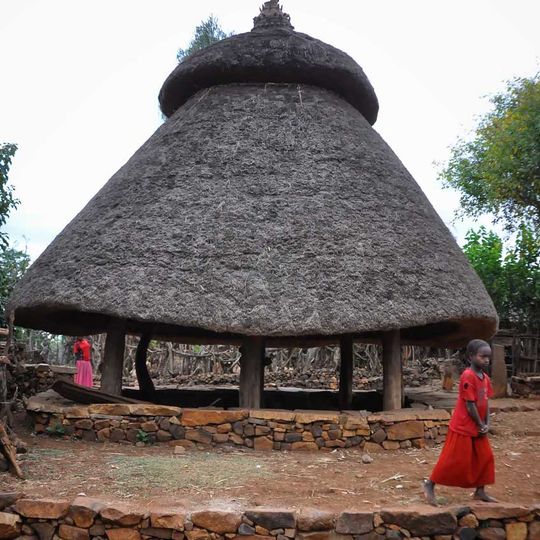
Konso Cultural Landscape, Cultural landscape with stone terraces in southern Ethiopia
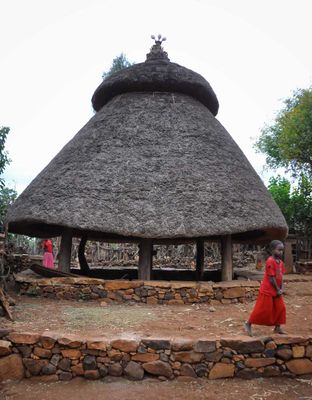
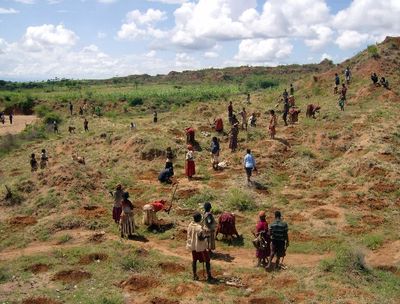
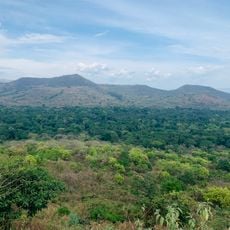
The Konso Cultural Landscape is an agricultural region in southern Ethiopia marked by stone-walled terraces spread across hillsides. These structures were built to capture rainwater and stop soil erosion, making farming possible on steep and difficult ground.
The Konso people developed their farming system more than 400 years ago to grow crops on harsh mountain terrain. The region was later annexed by Menelik II in 1897, becoming part of Ethiopia's modern story.
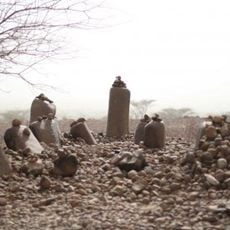
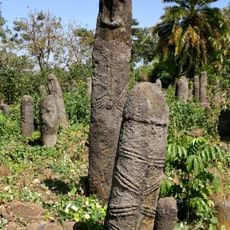
The Konso communities place wooden statues called Waka in their villages to honor deceased leaders and maintain social bonds across generations. These figures shape how people move through and understand their settlements today.
Visitors typically travel from Addis Ababa by vehicle to the town of Karat, where paths through the terraced fields can be steep and require sturdy footwear. Hiring a local guide helps navigate the villages and understand what you are seeing in the landscape.
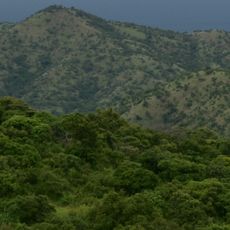
Sacred forests within the landscape serve as burial grounds for ritual leaders and host ceremonies tied to the agricultural calendar throughout the year. These spaces often remain hidden from visitors but are essential to community spiritual life.
The community of curious travelers
AroundUs brings together thousands of curated places, local tips, and hidden gems, enriched daily by 92,601 contributors worldwide.