Lothagam North Pillar Site, Prehistoric necropolis near Lake Turkana, Kenya.
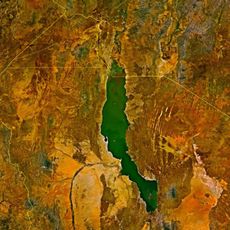
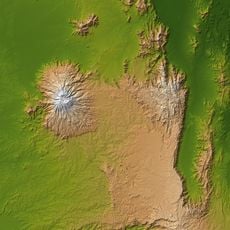
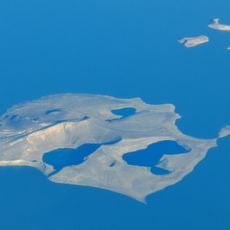
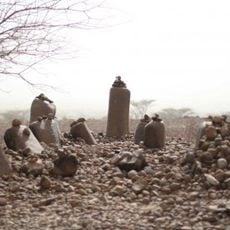
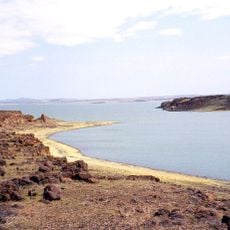
Lothagam North Pillar Site is a prehistoric necropolis near Lake Turkana featuring volcanic ridges with a circular platform supported by three pillars, alongside cairns and stone circles. Excavations have uncovered remains of at least 44 individuals of various ages arranged in close formations within this cemetery.
Built between 3000 and 2300 BCE, the site is the oldest of six known pillar sites around Lake Turkana and was in use for almost five hundred years. As the African Humid Period ended around 3300 BCE and the lake dropped, nomadic herders returned to bury their dead here. Its use ceased by 2300 BCE, possibly because cattle losses or social changes ended communal burial.
The burials held personal ornaments such as ostrich eggshell beads, ivory rings, and pendants that show how these early pastoral communities honored their dead. Such objects were placed with people of various ages and suggest the importance of adornment in their everyday lives.
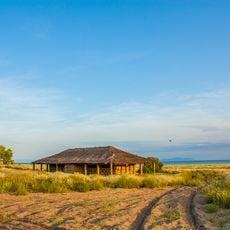
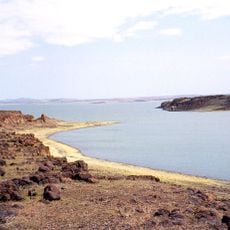
The site lies about 1 km northwest of early Holocene beach deposits on the west side of Lake Turkana, split into a western platform and an eastern zone of cairns and stone circles. The excavated area is open ground with no facilities, so carry water and sun protection. Visits should be arranged in advance with the local archaeological authorities.
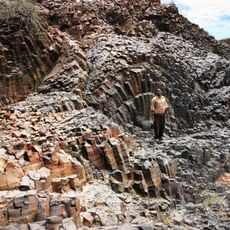
The western platform was built by digging out beach sands down to sandstone bedrock, then filling the hollow with rubble and capping it with basalt pebbles. Natural basalt pillars were then brought in and set around its eastern edge. Ground-penetrating radar shows the cemetery was planned in advance and used over generations.
The community of curious travelers
AroundUs brings together thousands of curated places, local tips, and hidden gems, enriched daily by 93,182 contributors worldwide.