Mount Marsabit, Basaltic shield volcano in Marsabit County, Kenya
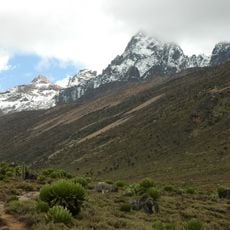
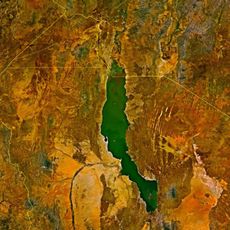
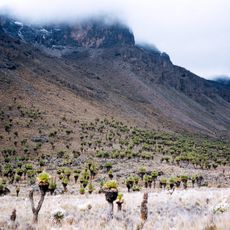
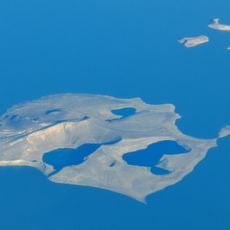
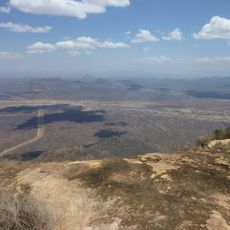
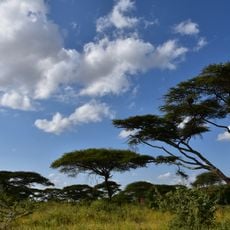
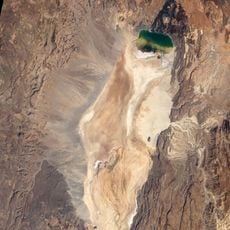
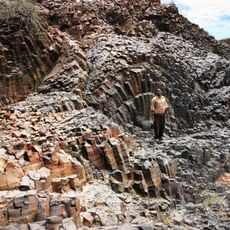
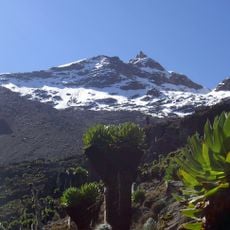
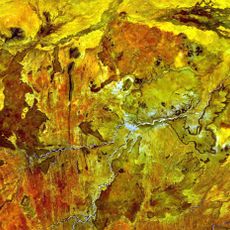
Mount Marsabit is a 6,300 km² basaltic shield volcano in Marsabit County, northern Kenya, built mainly during the Miocene. Its slopes are covered by dense forest, and at least two maars in the summit area hold crater lakes. The mountain lies within Marsabit National Park, near the town of Marsabit.
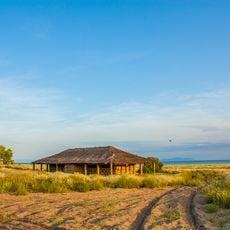
The mountain has long served as a gathering point for nomadic peoples of the region, offering water and forest resources in an otherwise harsh environment. In the 1920s, American filmmakers Martin and Osa Johnson set up a camp at one of the crater lakes, called Lake Paradise, and produced wildlife films that brought the area to wider attention.
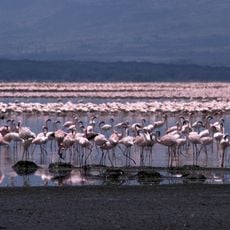
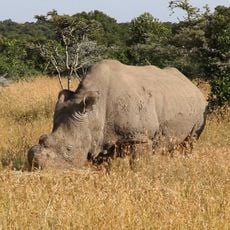
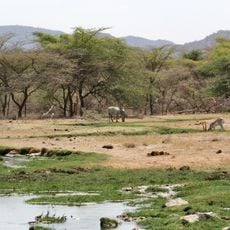
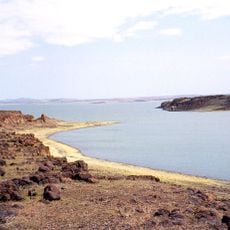
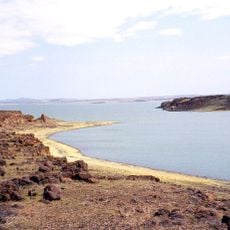
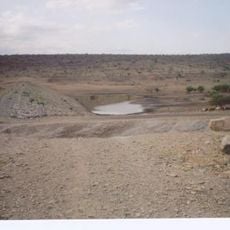
The crater lakes the Johnsons called Lake Paradise sit in maars formed by recent explosive eruptions. The mountain's dense forest and water draw wildlife, and the area is protected as Marsabit National Park, where visitors can spot the lakes and forest that made the site notable.
The mountain lies within Marsabit National Park, reached from the town of Marsabit; the park charges an entry fee and a guide or ranger is advised because tracks are faint and conditions change fast. The crater lakes, including the one the Johnsons called Lake Paradise, are reached by rough tracks that turn slippery after rain, so a four-wheel-drive vehicle is needed.
Although the mountain sits in one of the driest parts of Kenya, its forest creates a local microclimate with regular mist and rain that feeds the crater lakes. This effect makes it a water source for wildlife and people across a much larger area than the mountain itself.
The community of curious travelers
AroundUs brings together thousands of curated places, local tips, and hidden gems, enriched daily by 94,049 contributors worldwide.