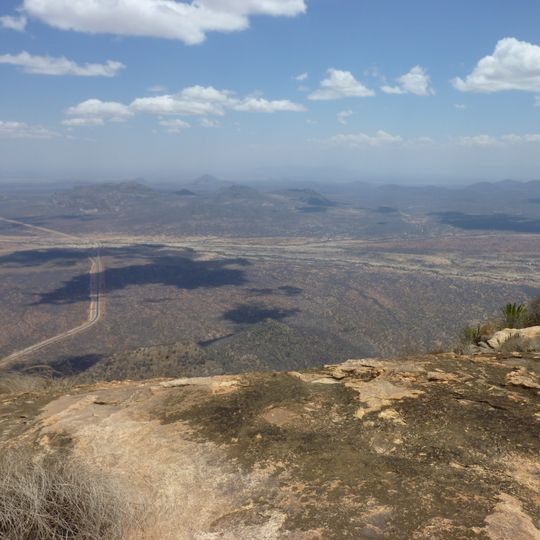
Marsabit National Park, National park and tentative UNESCO site in Eastern Province, Kenya.
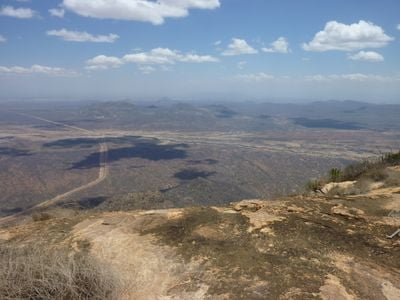
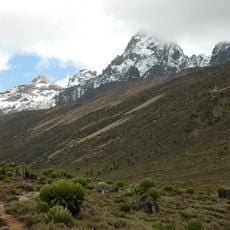
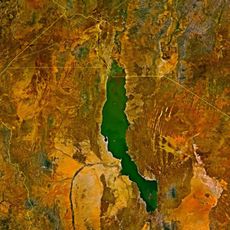
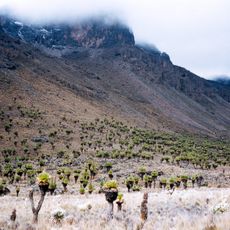
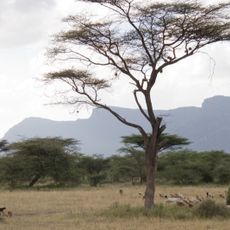
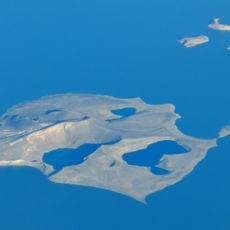
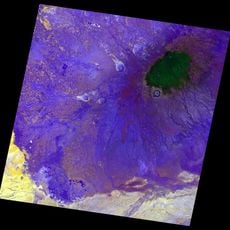
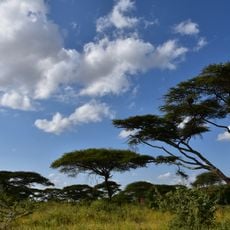
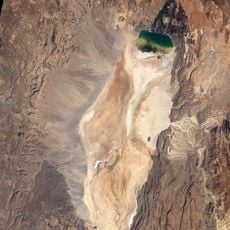
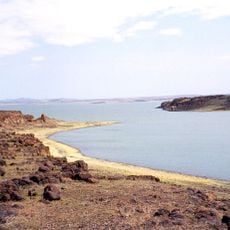
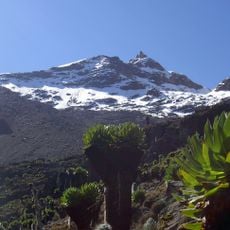
Marsabit National Park is a protected area in northern Kenya built around an extinct volcanic mountain that rises out of the surrounding semi-desert. The mountain holds three crater lakes, patches of montane forest, and open moorland, all within a relatively compact stretch of land.
The reserve was established in 1949, during a period when conservation efforts were beginning to take shape across East Africa. Over the following decades, its boundaries were adjusted and the area was later put forward as a tentative UNESCO World Heritage Site.
The Rendille and Samburu communities have moved with their herds through this region for generations, and visitors sometimes spot pastoralists near the park edges. Their presence gives the area a lived-in quality that sets it apart from more isolated reserves.
Reaching the park involves a long drive north from Nairobi or a flight to the airstrip near Marsabit town, so it helps to plan travel time carefully. Some tracks inside the park become difficult after rain, and a four-wheel drive vehicle is strongly recommended.
In the 1970s, an elephant named Ahmed lived in the park and became known worldwide for his exceptionally large tusks, drawing attention from conservationists across the globe. He was eventually placed under the personal protection of the Kenyan president, a gesture rarely seen in conservation history.
The community of curious travelers
AroundUs brings together thousands of curated places, local tips, and hidden gems, enriched daily by 91,660 contributors worldwide.