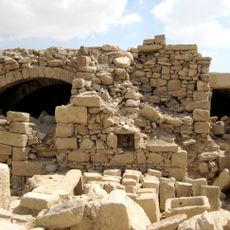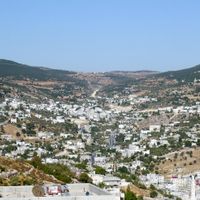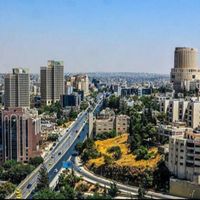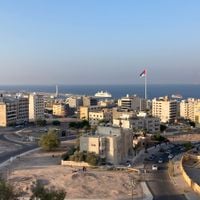
Jordan, Constitutional monarchy in West Asia
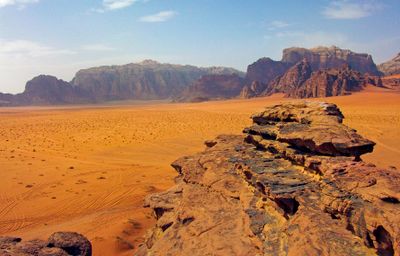
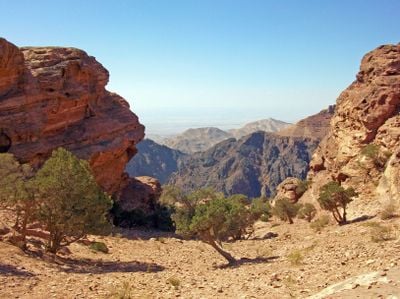
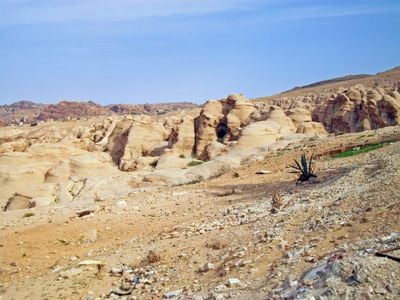
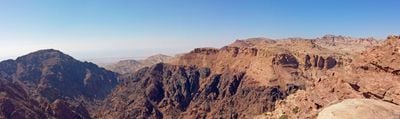
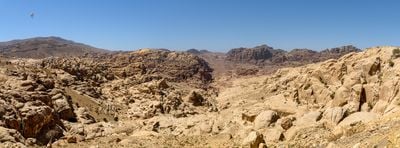
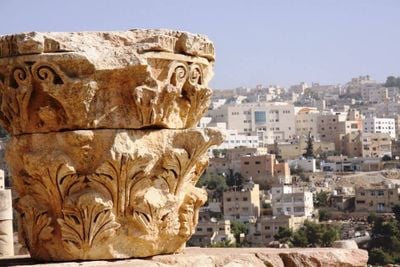
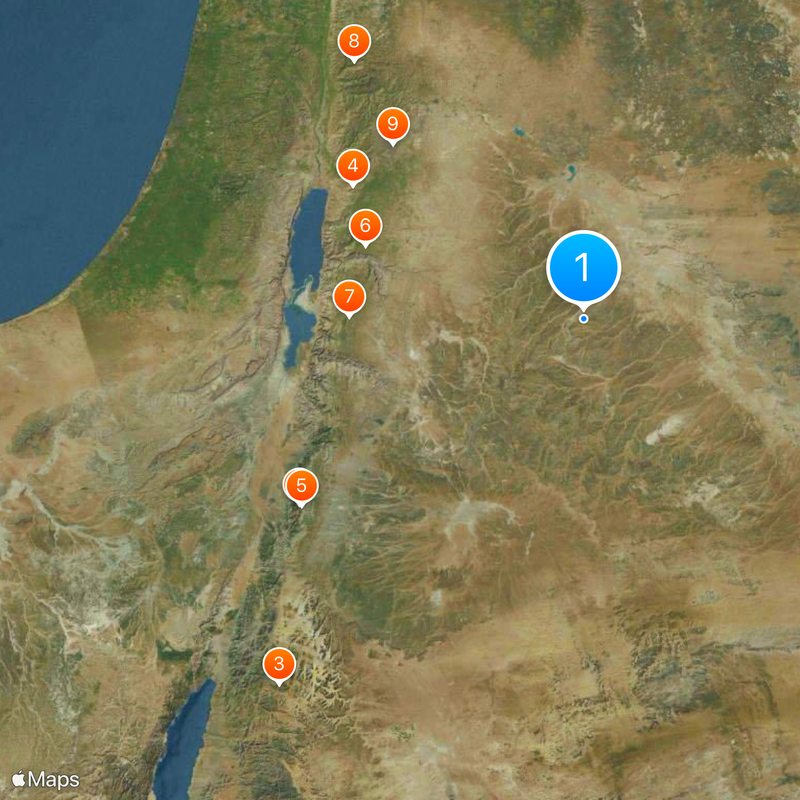
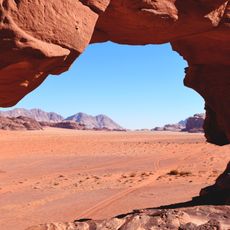
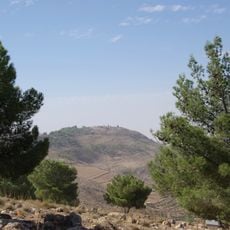
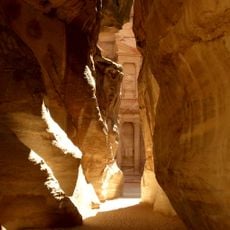
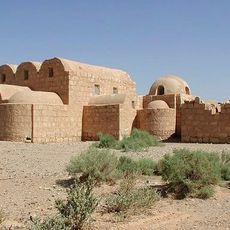
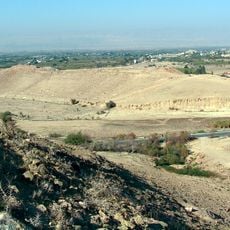
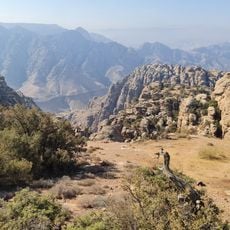
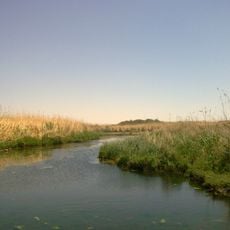
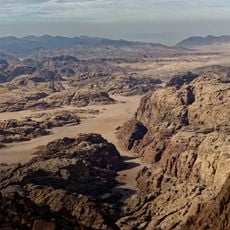
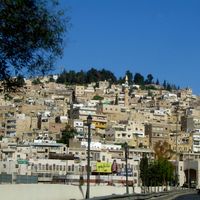
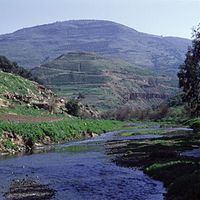
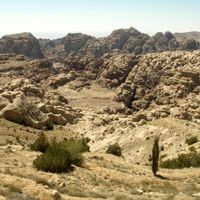
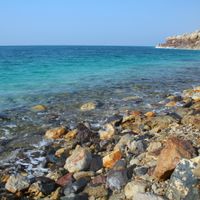
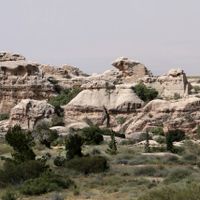
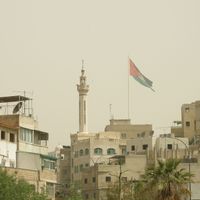
Jordan is a constitutional monarchy in West Asia that extends from the Jordan Valley in the west across highland plateaus to wide desert plains in the east. Northern areas show Mediterranean vegetation, while southern regions are marked by red sandstone and granite formations.
Following the Great Arab Revolt of 1916 and the British mandate period, the nation gained independence in 1946 under King Abdullah I. King Hussein ruled from 1952 to 1999 and signed a peace treaty with Israel in 1994, while King Abdullah II has led since 1999.
Bedouin hospitality traditions shape social customs across the nation, where coffee ceremonies and shared meals remain part of daily routine. At weddings and festivals, people perform the dabke dance, while Arabic calligraphy and weaving continue through work of local craftspeople.
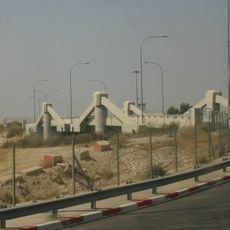
The best months to visit fall during spring from March to May and autumn from September to November, when temperatures stay moderate. Queen Alia International Airport sits 30 kilometers south of Amman, while several border crossings provide connections to Israel, the West Bank, and Saudi Arabia.
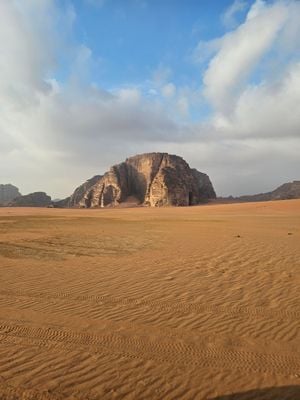
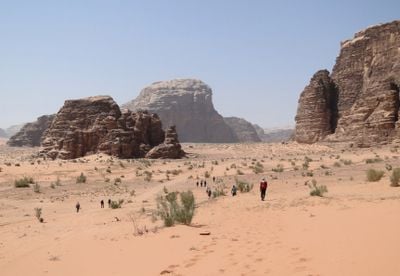
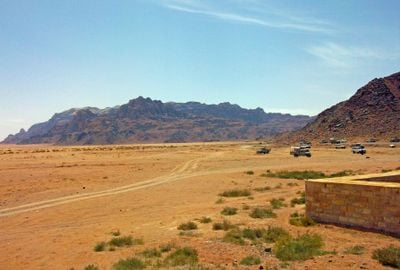
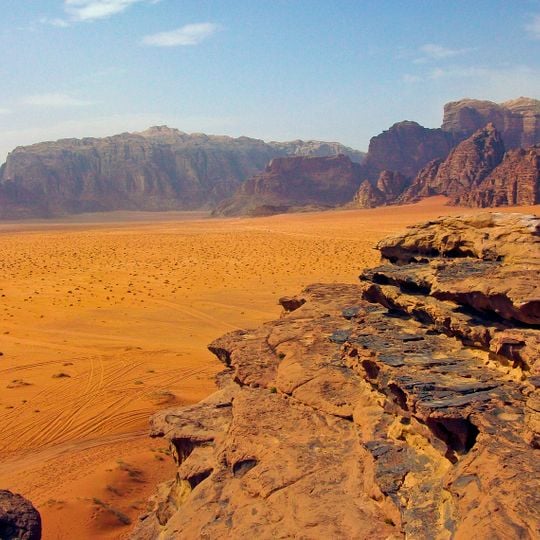
Wadi Rum offers one of the darkest sky regions worldwide, where over 7,000 stars remain visible to the naked eye. The landscape served as filming location for several science fiction movies due to its Mars-like terrain, while Nabataean inscriptions from the fourth century BCE mark many rock faces in the protected area.
The community of curious travelers
AroundUs brings together thousands of curated places, local tips, and hidden gems, enriched daily by 60,000 contributors worldwide.