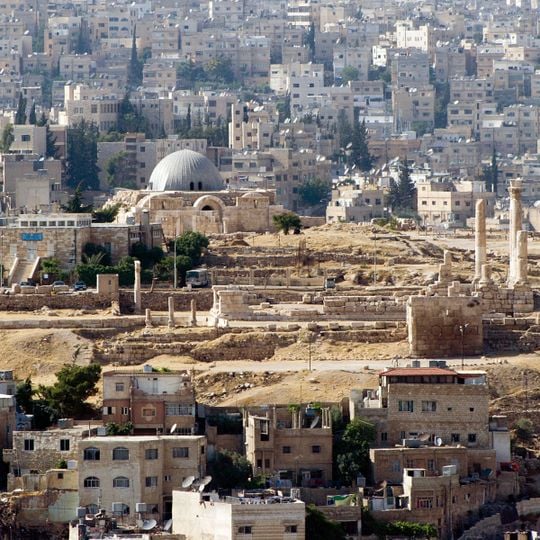
Amman Citadel, Archaeological site and hill in central Amman, Jordan
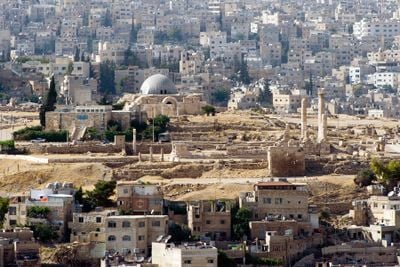
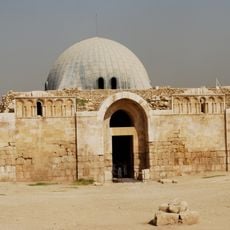
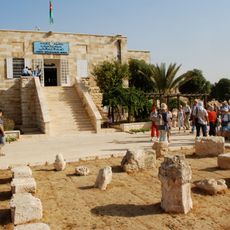
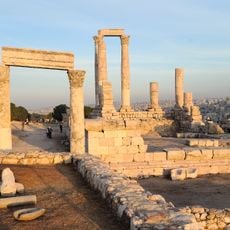
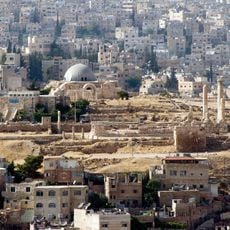
The Amman Citadel, known in Arabic as al-Qal'a, occupies Citadel Hill, an L-shaped rise about 800 metres above sea level overlooking Downtown Amman. Its pale limestone terraces hold the podium and six columns of the Great Temple, a Byzantine church, the Umayyad Palace with its domed entrance hall, and the Jordan Archaeological Museum, built in 1951.
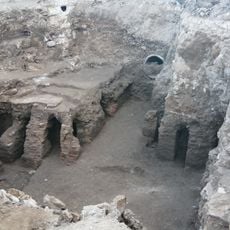
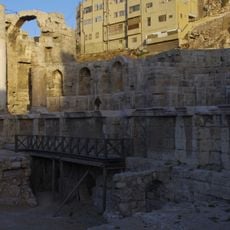
The site was first fortified during the Bronze Age around 1800 BCE and later inhabited by Ammonites, Romans, Byzantines, and Umayyads until the 13th century. Each civilization left behind structures that were built upon or modified by the peoples who came after them.
The Temple of Hercules and the Umayyad Palace show how Roman columns stand alongside Islamic arches, revealing layers of different peoples who built here. Walking through the site, you see how ancient stones were reused and incorporated into newer structures, creating a visible record of changing times and beliefs.
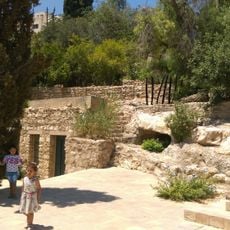
The site is open daily to visitors, with guided tours available on-site to help navigate the different periods and structures. Since it sits on a hillside, wear comfortable shoes and be prepared for some walking around the grounds.
Buried among the Iron Age remains is the Amman Citadel Inscription, a rare text written in the ancient Ammonite language. This discovery is one of the oldest known written records of that language and hints at the importance of this location to its earliest inhabitants.
The community of curious travelers
AroundUs brings together thousands of curated places, local tips, and hidden gems, enriched daily by 93,111 contributors worldwide.