Amman, Capital city in northwestern Jordan
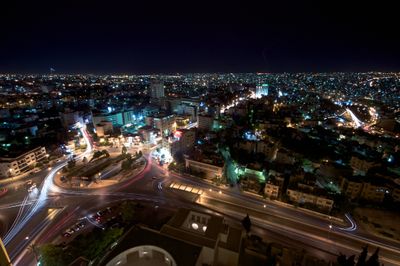
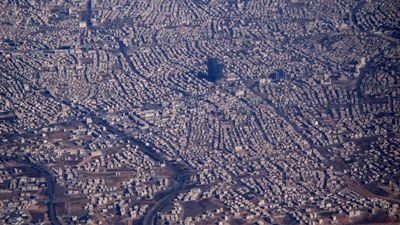
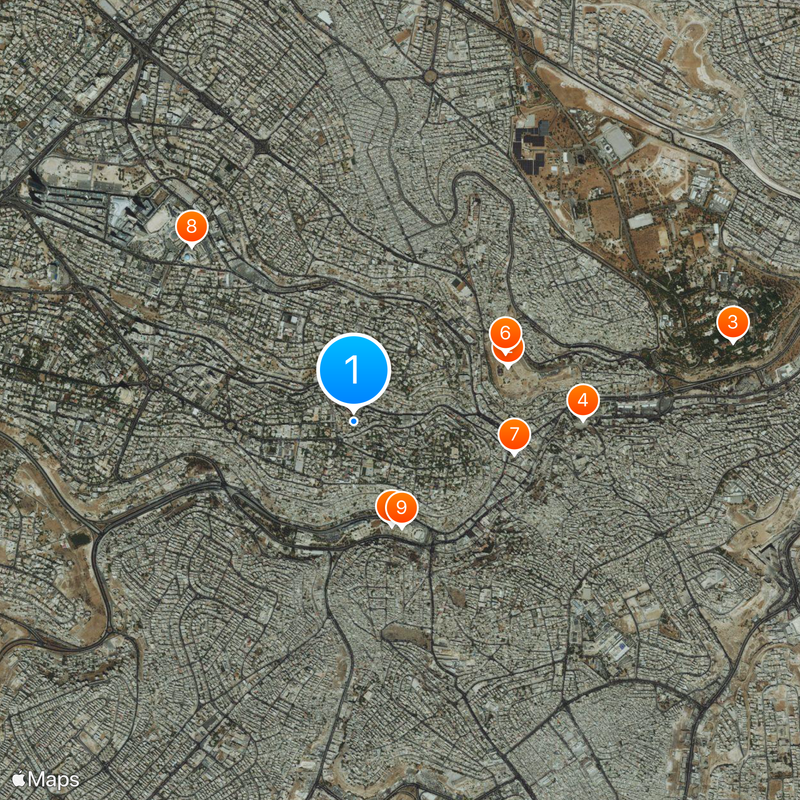
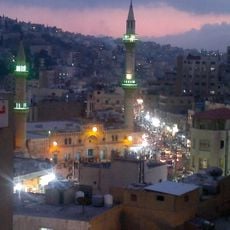
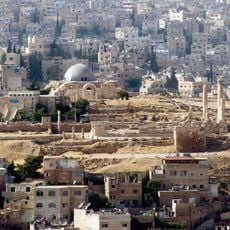
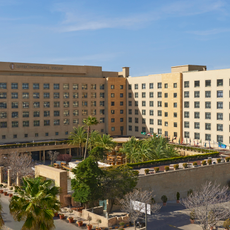
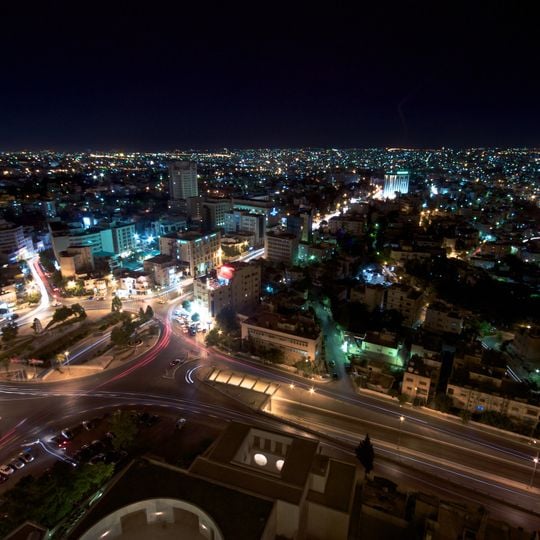
Amman sits on about 20 hills at roughly 800 meters (2,600 feet) elevation in northwestern Jordan, where old ruins and newer neighborhoods spread across the cityscape. Each hill carries its own residential areas, shopping streets, and public squares connected by winding roads.
Romans developed Philadelphia, the earlier name for this site, into a trading center with a theater, forums, and paved streets during the 1st century CE. Arab tribes later settled here, and the settlement grew into the current capital at the start of the 20th century.
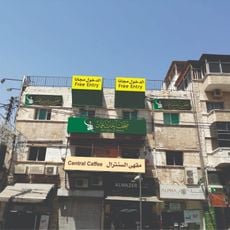
In the old markets, vendors sell spices and handwoven rugs as buyers bargain over prices, while newer galleries show works by contemporary artists from the region. Families gather in downtown cafes during the evening, where they drink tea and spend hours talking together.
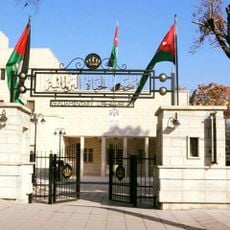
The city divides into 22 administrative districts, each with its own municipal facilities, and sits along connecting routes to neighboring countries in the north and east. Visitors exploring the different hills should wear comfortable shoes, as many streets are steep and walking is often required to reach certain areas.
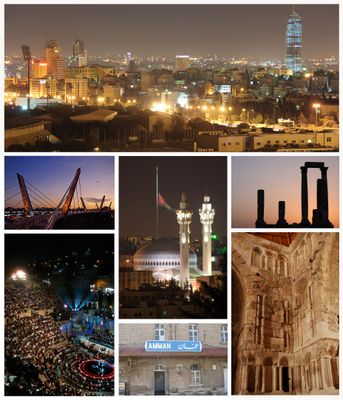
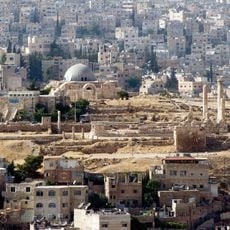
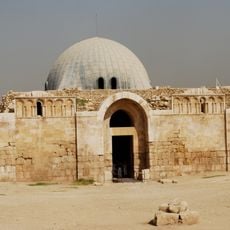
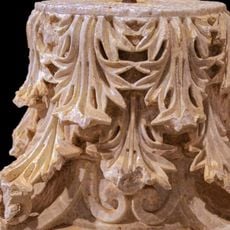
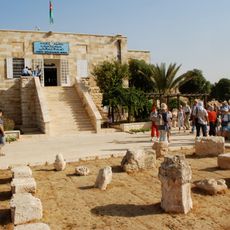
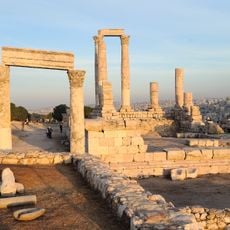
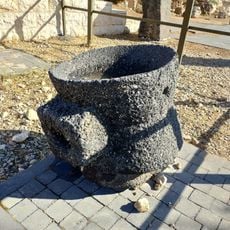
The citadel stands on the highest hill and brings together buildings from Roman, Byzantine, and Umayyad periods within a single complex. Visitors find remains of a Hercules temple next to the ruins of an 8th-century palace, showing the changing rulers over more than a thousand years.
The community of curious travelers
AroundUs brings together thousands of curated places, local tips, and hidden gems, enriched daily by 92,531 contributors worldwide.