Bab edh-Dhra, Archaeological site near Dead Sea, Jordan
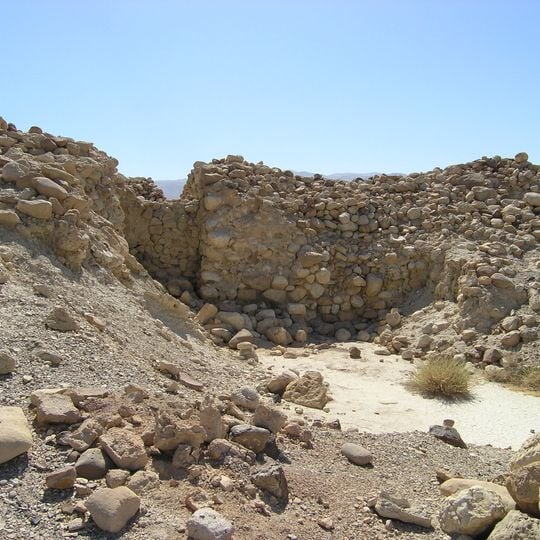
Bab edh-Dhra is a Bronze Age settlement that sprawls across several hectares with residential buildings and thick stone walls still visible today. The site also features an extensive burial ground containing thousands of graves of different construction types.
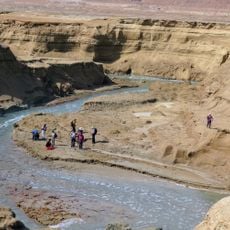
Bab edh-Dhra was settled for about a thousand years in the Early Bronze Age, its water supply secured by its position at the mouth of the Wadi Karak. William F. Albright's 1924 survey identified the walled town of the 3rd millennium BC; Paul Lapp excavated in 1965–1967, and Walter Rast and R. Thomas Schaub followed with four campaigns between 1975 and 1981. The city was destroyed around 2350 BC, and the site was abandoned.
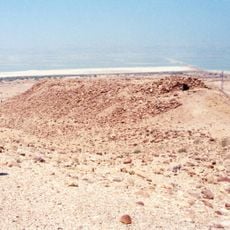
The burial grounds display different tomb types that reveal how funeral customs changed over time among early inhabitants. Walking through the site, visitors notice stone structures built for the dead, suggesting strong beliefs about honoring those who had passed.
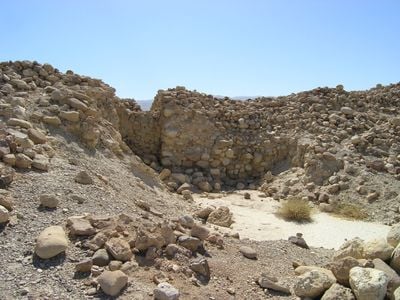
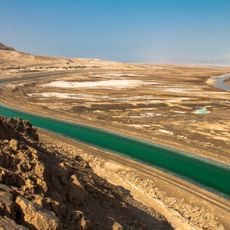
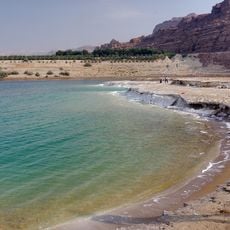
The site lies on the south bank of the Wadi al-Karak near the Dead Sea shore, reached from the Karak road; the walled town and the cemeteries of Khirbet Qazone lie on opposite sides of Highway 50. Ground is dry, stony and largely without shade, so carry water and sun protection. The low stone wall and sandy hollow shown here are typical of the surface remains; most structures survive only as foundations.
Around 2900 BC the inhabitants stopped using underground shaft tombs and built rectangular mudbrick charnel houses above ground, with stepped interiors leading down to a pebbled floor. Four were excavated, with orthostat door posts over a metre high; the threshold floor was packed with skulls and pottery.
The community of curious travelers
AroundUs brings together thousands of curated places, local tips, and hidden gems, enriched daily by 93,111 contributors worldwide.