Ein Gedi Botanical Gardens, Botanical garden in Ein Gedi, Israel.
Ein Gedi Botanical Gardens is a collection set in the Judean Desert that displays plants from arid regions worldwide, including baobab trees, African palms, and numerous species adapted to this extreme environment. The collection spans over 1000 tree varieties and hundreds of cactus types that thrive in this sparse landscape.
The kibbutz of Ein Gedi was founded in 1956, and its communal garden was first planned by Dov Ben-Nisovich, whose son Dan Ben-Nehu was among the kibbutz founders. The garden was entered in the BGCI records in 1994, the date taken as its founding as a botanical garden. It gradually grew from a regular kibbutz garden into a collection of about 900 plant species.
The garden keeps plants tied to the area's own past: myrrh and frankincense, remembered from the agricultural culture of the region two thousand years ago, and local species such as the Sodom apple, moringa and tamarisk. The date palms are the most numerous plants, with about 30 species.
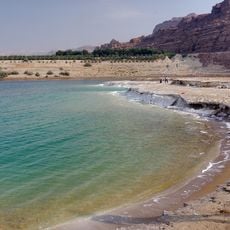
The garden lies within Kibbutz Ein Gedi, about 100 dunam (10 hectares) on the western shore of the Dead Sea, and is a satellite of the Jerusalem Botanical Gardens. Paths run between the kibbutz houses, so walk rather than drive. Summer brings water shortages and scorching midday sun; carry water and plan shade. The Cactarium, with over 1000 species, sits at the end of the route.
The garden is a satellite of the Jerusalem Botanical Gardens, which handles its administration, and it joined the BGCI register in 1994, the year taken as its founding. Its herbarium code is EINGE. The cactus collection at the end of the route holds over 1,000 species and supplies specimens to small cactus gardens at other kibbutzim.
The community of curious travelers
AroundUs brings together thousands of curated places, local tips, and hidden gems, enriched daily by 93,788 contributors worldwide.