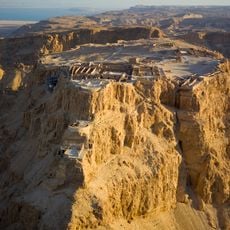
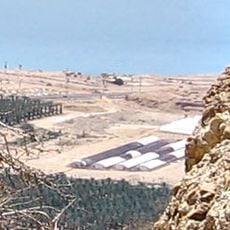
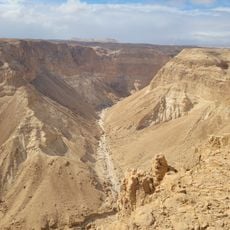
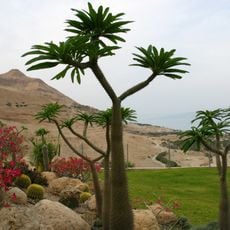
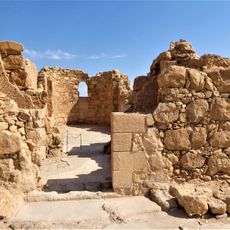
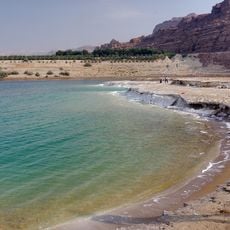
Chalcolithic Temple of Ein Gedi, Chalcolithic sanctuary near Dead Sea, Israel.
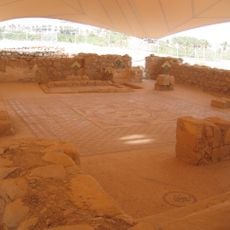
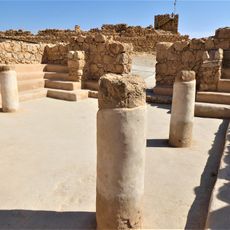
The Chalcolithic Temple of Ein Gedi is a Ghassulian public building from around 3500 BCE on a scarp above the Ein Gedi oasis. Its main broadhouse measures 20 by 5.5 metres, with a hoof-shaped altar niche opposite the entrance. A smaller broadhouse, a gatehouse and a circular basin installation stand within stone walls.
The sanctuary dates to the 4th millennium BCE and was explored through excavations beginning in 1962, which uncovered building remains, stone benches, and a horn-shaped altar shrine. These discoveries show the site was visited over time by people who maintained ritual practices at this location.
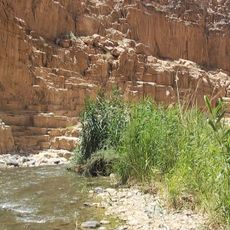
The temple stood between two springs, and its gates opened toward each of them; a round basin at the courtyard's highest point collected liquids drained by a channel. Pottery is limited to four types: bowls on fenestrated pedestals, small bowls, cornets and animal figurines. A fragment of an Egyptian alabaster vessel, the oldest found in Palestine, points to links with pre-dynastic Egypt.
The site is reachable via a hiking trail from the Ein Gedi Nature Reserve visitor center and lies relatively close to Highway 90. The climb requires some sure-footedness, so wear sturdy shoes and bring plenty of water, especially during warmer months.
The 429 copper objects found in 1961 in the Cave of the Treasure in Nahal Mishmar, 11 km south, include maceheads, sceptres and small crowns. David Ussishkin suggested they were this temple's cult furniture, hidden in a time of danger, though no find directly links the hoard to the site.
The community of curious travelers
AroundUs brings together thousands of curated places, local tips, and hidden gems, enriched daily by 94,393 contributors worldwide.