Masada, Ancient fortress and archaeological site near Dead Sea, Israel.
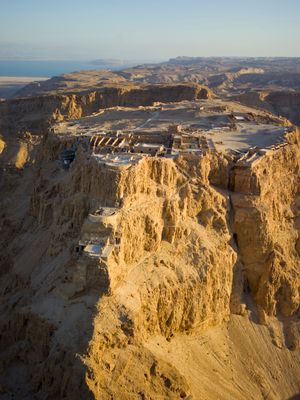
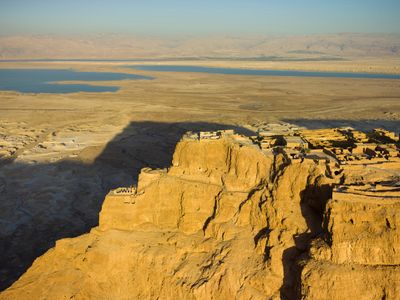
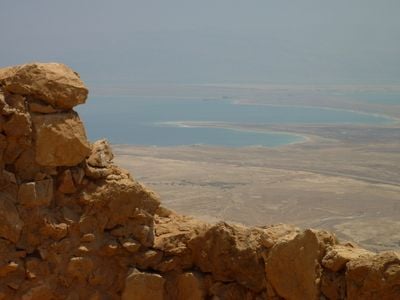
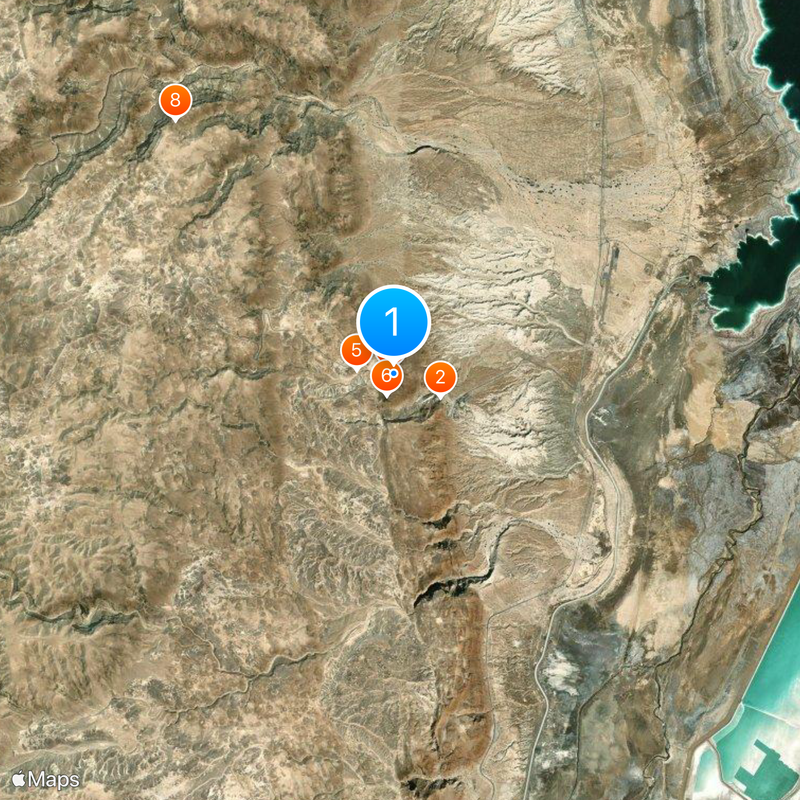
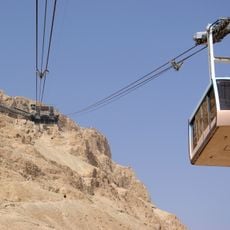
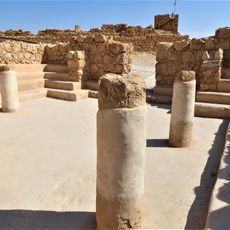
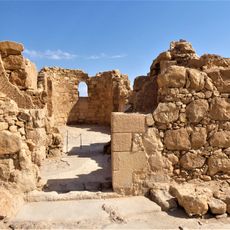
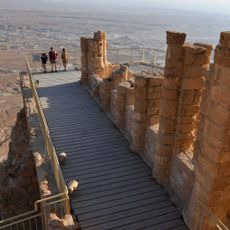
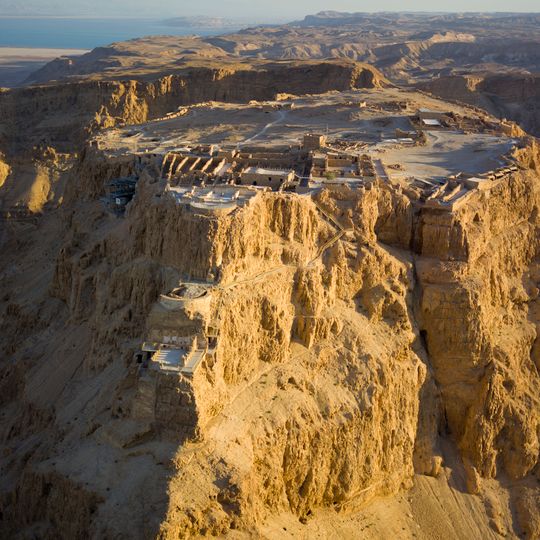
The site sits on a rock plateau that rises 450 meters (1480 feet) above the Dead Sea, surrounded by steep cliffs on the eastern and western sides. At the top, the remains of palaces, storage rooms, and walls spread across the flat terrain, with some structures still partly standing and showing the layout of the compound.
King Herod built the compound between 37 and 31 BCE as a personal retreat and fortified position. Centuries later, Jewish rebels used the location as a final refuge during a revolt against Rome.
A small synagogue sits on the plateau and represents one of the earliest Jewish prayer houses still standing in the region. Visitors can step inside and see the simple stone layout that shows how communities gathered for worship thousands of years ago.
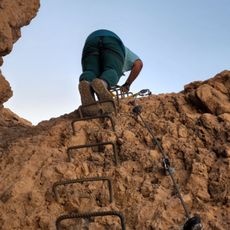
Two trails lead to the summit: the Snake Path from the east and the Roman Ramp from the west, both requiring considerable effort and stamina. Hikers should start early in the morning to avoid the heat, as the climb becomes demanding under full sun.
Twelve cisterns carved into the rock formed the water system and could store 40,000 cubic meters (10.5 million gallons) of rainwater to endure long sieges. Channels collected water from the surrounding mountains and directed it into these underground chambers, cut deep into the rock.
The community of curious travelers
AroundUs brings together thousands of curated places, local tips, and hidden gems, enriched daily by 90,903 contributors worldwide.