Bokek Stronghold, Archaeological fortress in Southern District, Israel
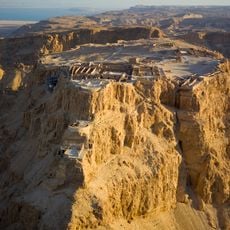
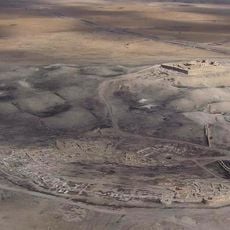
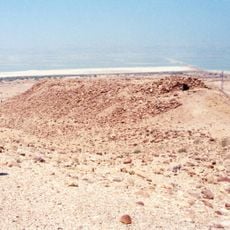
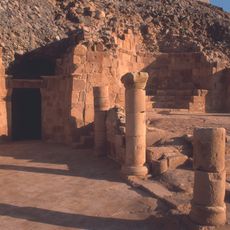
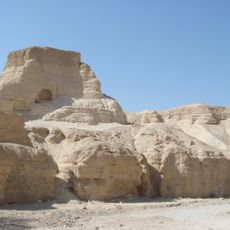
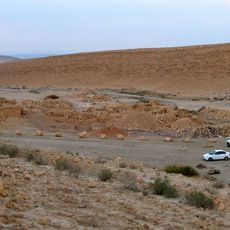
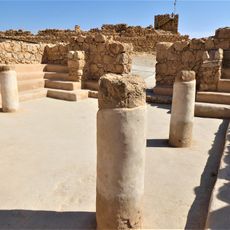
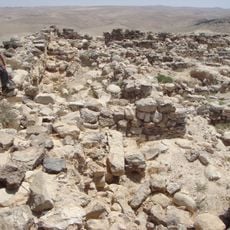
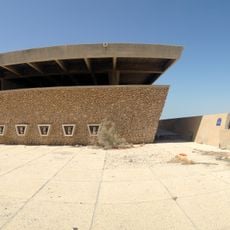
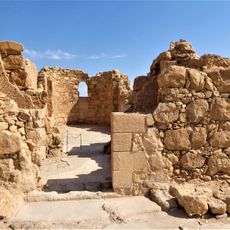
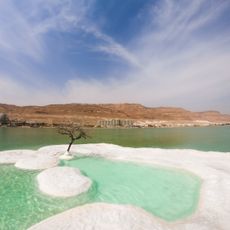
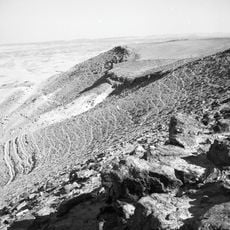
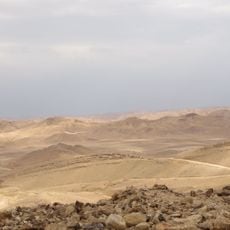
Bokek Stronghold is an ancient fortified settlement perched on high ground overlooking the Dead Sea with stone walls and building foundations visible across the site. The ruins reveal the layout of defensive structures and residential areas that archaeologists have uncovered through systematic excavation.
Long thought to be part of the Roman Limes Palaestinae, the stronghold is now dated by its coins and pottery to the mid-6th century CE, in the late Byzantine period. Archaeologist Mordechai Gichon excavated it in 1968–1970 and identified four destruction layers marking successive phases of use, ending with abandonment in the early Umayyad period around 661. Judy Magness's 1999 re-reading of the ceramics placed its final destruction at the end of the 7th century.
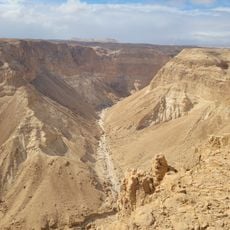
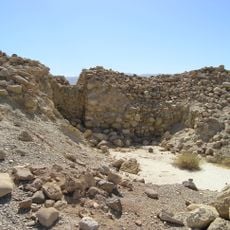
The Arabic name Bokek derives from the Hebrew for a spring that gushes, fitting a site beside Ein Bokek where the stream leaves its canyon. Visitors can see the four corner towers, each 6 by 6 metres, built as self-contained strongpoints with relieving arches above their entrances. The walls, about two metres thick and still up to six metres high, rest on foundation trenches cut to the hill's hard gravel layer.
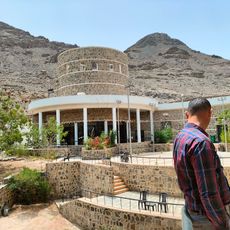
Access to the site is best achieved on foot using marked trails from the Ein Bokek area, with early morning hours offering better visibility for exploring the ruins. The elevated location means sturdy footwear and plentiful water are advisable for comfortable walking.
Excavations revealed remains of an ancient perfume and medicine production facility within the fortification, indicating economic activity beyond military purposes. This craft operation suggests the location functioned as a trade center as well as a defensive position.
The community of curious travelers
AroundUs brings together thousands of curated places, local tips, and hidden gems, enriched daily by 93,773 contributors worldwide.