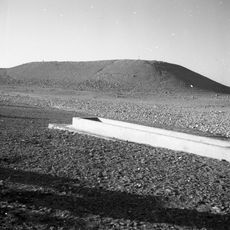
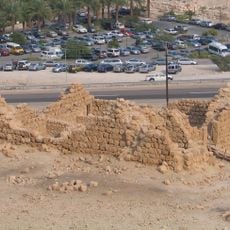
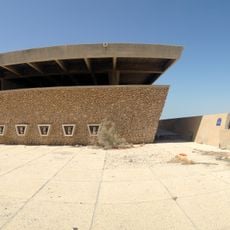
Horvat Uza, Archaeological site in Negev desert, Israel
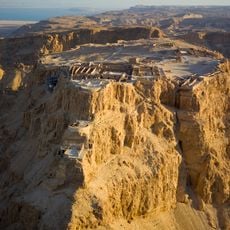
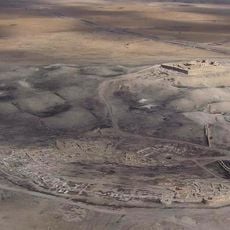
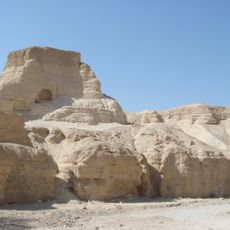
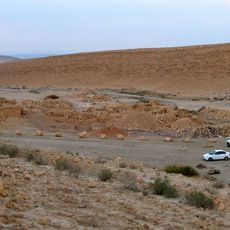
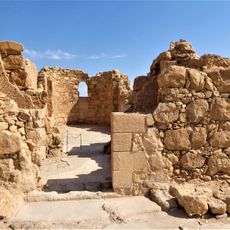
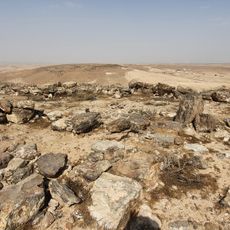
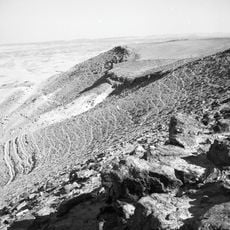
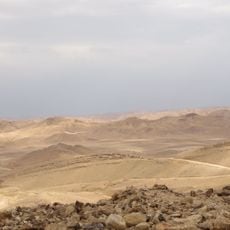
Horvat Uza is an archaeological site in the northeast Negev desert overlooking the Qinah and Arad valleys. The excavations across the grounds have uncovered the remains of a settlement built in multiple layers over thousands of years.
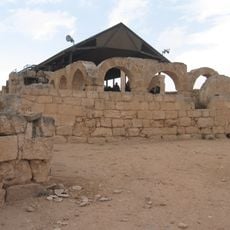
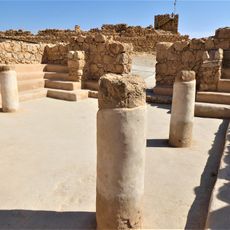
Horvat Uza was occupied from Iron Age II (9th–6th centuries BCE) until the Byzantine period (4th–7th centuries CE). The site was abandoned in the 6th century BCE, possibly after the Babylonians destroyed the Kingdom of Judah. A fortress from the 7th century BCE, with ten towers and 1.5-metre-thick walls, controlled the wadi road linking Judea to Arabah and Edom. Finds include Edomite ostraca naming the god Qos and Hebrew inscriptions mentioning Uza, Ahaz and Ataliah.
The site's name appears on Hebrew-inscribed potsherds from the 7th century BCE, which also name a man called Ahaz and a woman called Ataliah. Most personal names on the Hebrew finds incorporate the divine name Yahweh, a trait typical of Judahite military fortresses. Seventeen ostraca were found, one written in Edomite and the rest in Hebrew.
The site can be reached on foot through marked paths that connect the different excavation areas. It is best visited during cooler months since the location sits exposed in open desert with little shelter.
The site's most notable find is a group of 17 ostraca, 16 in Hebrew and one in Edomite. The Edomite letter, sent by an official to the fortress commander, orders food to be given to its bearers, showing an Edomite presence at the fort around the fall of Jerusalem in 586 BCE.
The community of curious travelers
AroundUs brings together thousands of curated places, local tips, and hidden gems, enriched daily by 93,341 contributors worldwide.