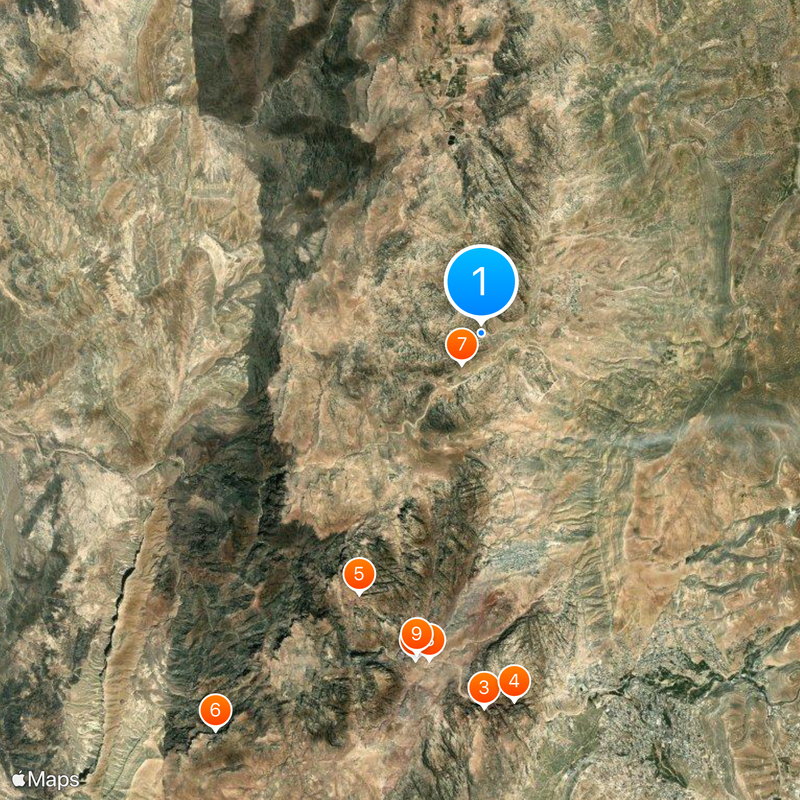
Little Petra, Archaeological site in Ma'an Governorate, Jordan.
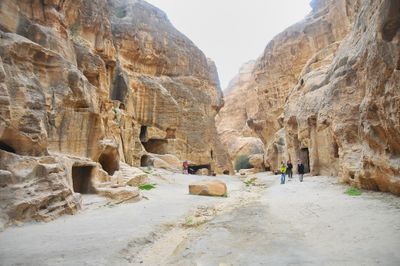
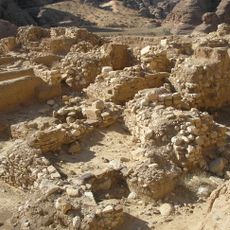
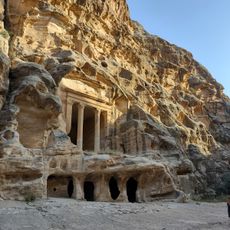
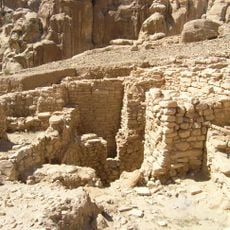
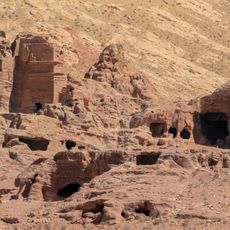
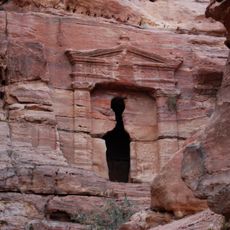
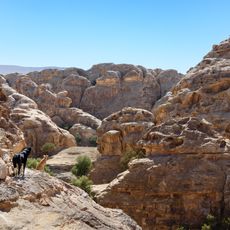
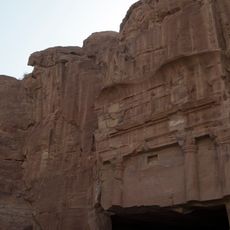
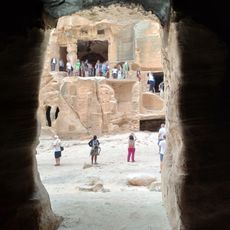
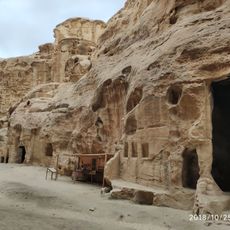
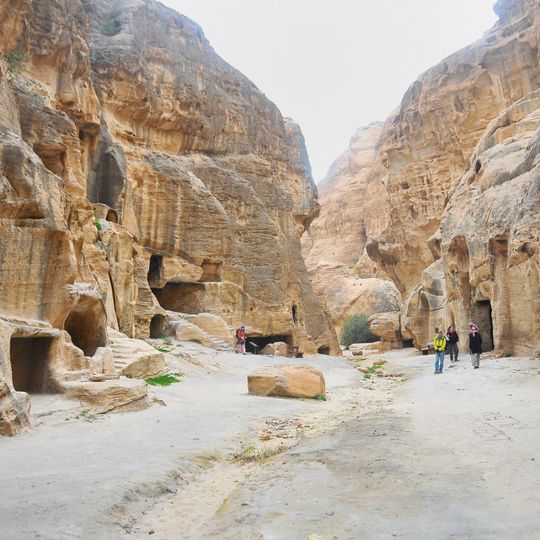
Little Petra is an archaeological site in a sandstone canyon with temples, dwellings, and burial chambers carved directly into the rock faces. The structures spread across roughly 450 meters and show the skilled craftsmanship of the Nabataeans.
The site developed in the first century BC as an outlying settlement of the larger city of Petra and served merchants as a rest stop on trade journeys. This role as a waypoint shaped its growth and importance over many centuries.
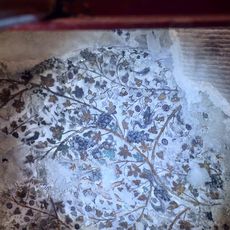
The wall paintings here show scenes of wine-related activities and suggest this place held religious meaning during Roman times. Visitors can discover these rare depictions on the chamber ceilings and see how ancient inhabitants recorded their daily life and beliefs.
The site is open to visitors year-round, and local guides are available to explain the architecture and history. Good footwear and water are recommended since exploring the canyon involves walking over uneven ground.
The site holds the only known surviving Nabataean figurative paintings inside, created in Hellenistic style on ceiling frescoes roughly 2,000 years ago. These artworks are found nowhere else in the Nabataean realm and offer rare glimpses into ancient artistic techniques.
The community of curious travelers
AroundUs brings together thousands of curated places, local tips, and hidden gems, enriched daily by 60,000 contributors worldwide.