Ayn Ghazal, Neolithic archaeological site near Zarqa River, Amman Governorate, Jordan
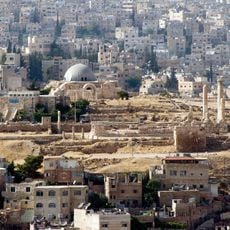
Ayn Ghazal is a Neolithic settlement on both banks of the Zarqa River in Amman Governorate, Jordan, at 720 meters above sea level. Its roughly 120 dunams hold rectangular houses of undressed stone with straight walls, floors paved and burnished with compacted gypsum, then painted red, and some two-storey buildings. Excavations also uncovered a stone-paved, walled street ending at a temple.
The settlement was established around 7250 BCE and grew from a few hundred residents to approximately 3000 inhabitants before declining sharply around 6900 BCE. This sudden contraction marked a turning point in the early history of the region.
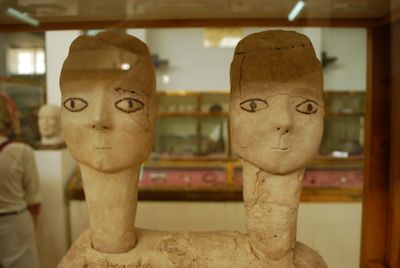
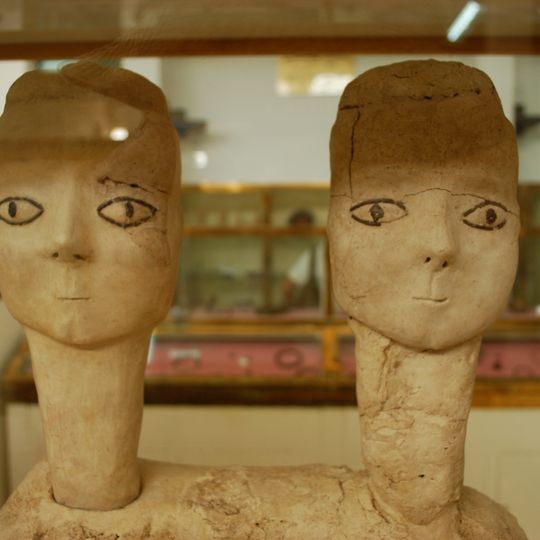
The name Ayn Ghazal means "Gazelle Spring", after the spring beside which the village grew. The site is known for two caches of human statues, among the rarest finds in the region; clay animal figurines were also found, some pierced with flint pieces at the neck, heart and waist. The dead were buried under house floors in a crouched position, with the skull removed and coated in plaster.
The site is accessible and located on relatively level ground, making it easy to navigate. Comfortable shoes and sun protection are recommended, as the excavations are in an open area with limited shade.
The early inhabitants created some of the oldest known large-scale human statues using lime plaster layered over plant material, which were buried in specific caches. These figures rank among the earliest examples of monumental art production in human history.
The community of curious travelers
AroundUs brings together thousands of curated places, local tips, and hidden gems, enriched daily by 93,111 contributors worldwide.