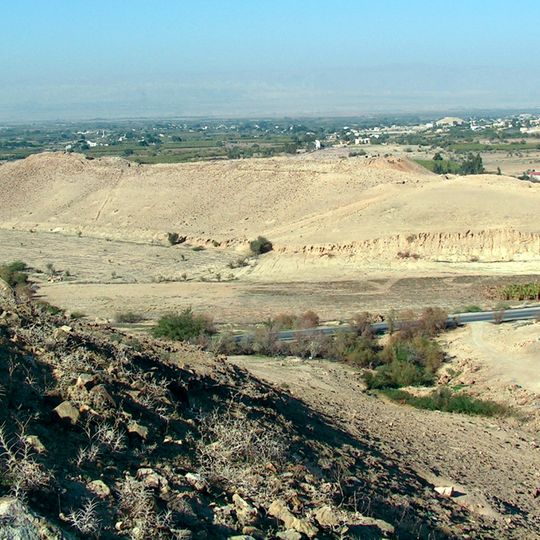
Tell el-Hammam, Archaeological site in Jordan
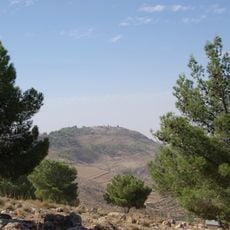
Tell el-Hammam is an ancient city and archaeological site in Jordan with remains spanning multiple millennia of human settlement. The excavated structures, artifacts, and layers reveal how communities lived and evolved through different historical periods across the region.
Occupation began in the Late Chalcolithic period (4th millennium BC), with walls raised over the upper and lower towns in the Early Bronze Age. The site reached its greatest extent in the Middle Bronze Age, when major fortifications were built, and was abandoned around 1550 BC, when only Hazor and Ashkelon were larger in Canaan. Settlement resumed through Iron Age II into Hellenistic and Roman times, when the area belonged to Livias.
The site is located in a natural setting and requires sturdy footwear and plenty of water, especially in warm weather. Visitors should allow time to explore the excavated areas and the surrounding terrain, with early morning or late afternoon hours being the most comfortable for walking around.
The tell's Arabic name means "Hill of the Hot Baths", after a Roman bath complex recorded by Claude Reignier Conder in the 19th century and Père Mallon in 1932, both of whom saw remains that have since vanished. In 2011 excavators found a small Byzantine bath installation, 5 by 2 metres, on the site.
The community of curious travelers
AroundUs brings together thousands of curated places, local tips, and hidden gems, enriched daily by 93,234 contributors worldwide.