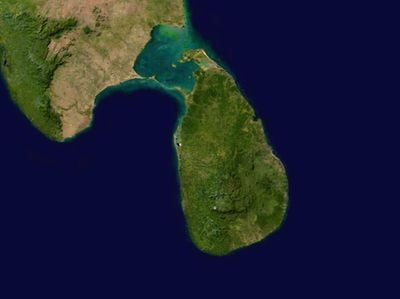
Sri Lanka, Island nation in South Asia.
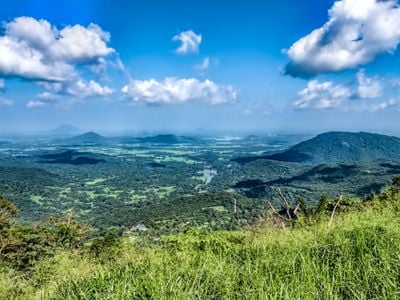
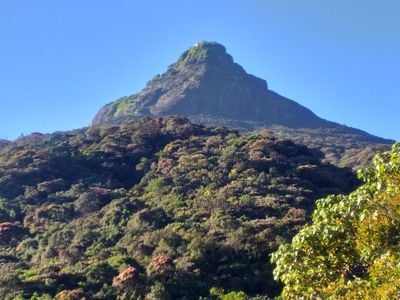
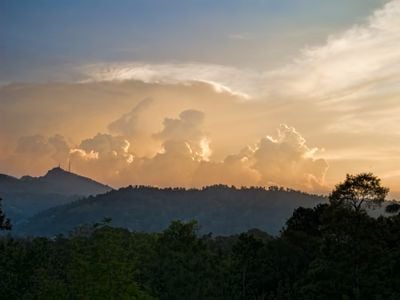
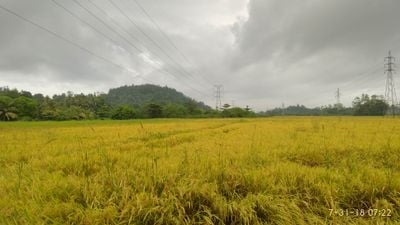
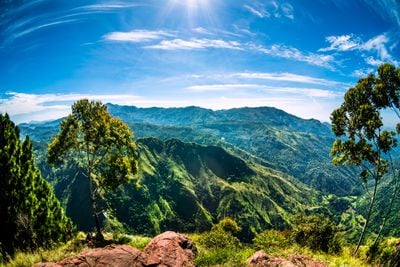
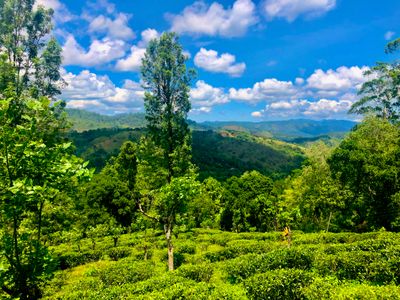
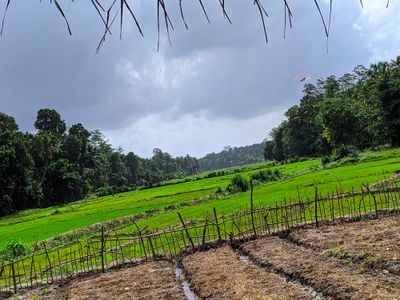
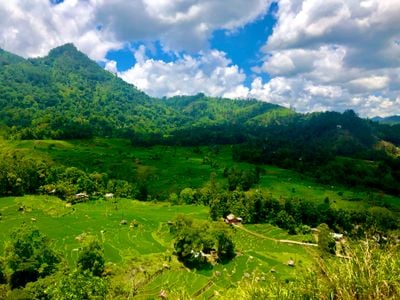
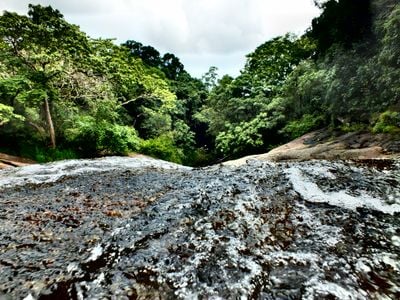
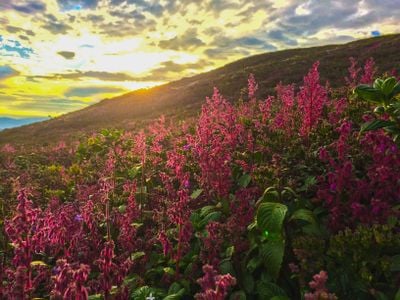
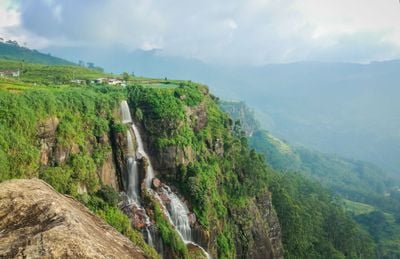
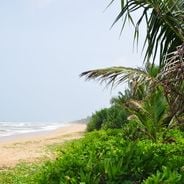
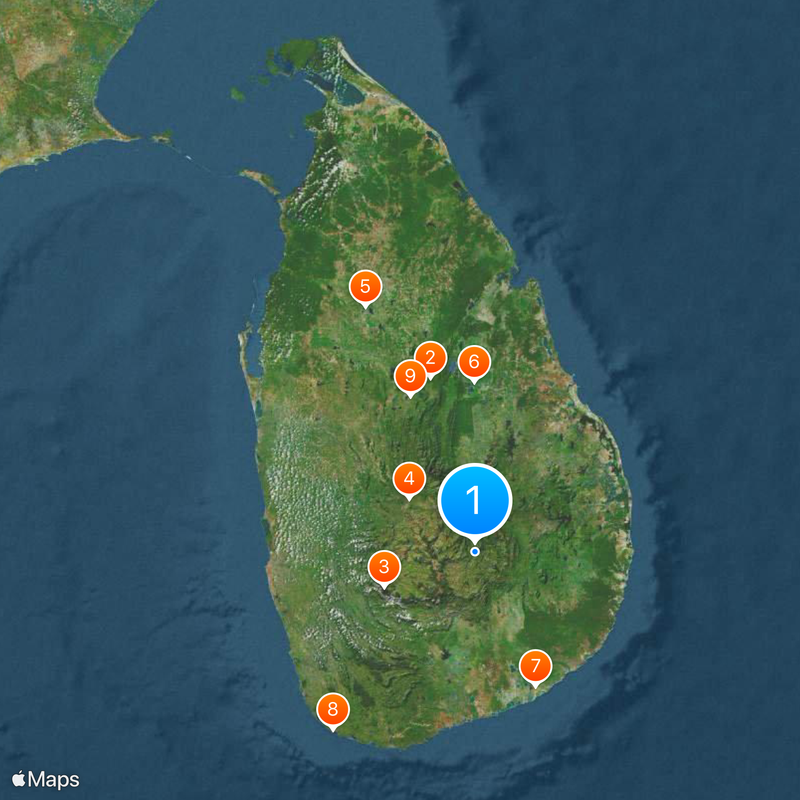
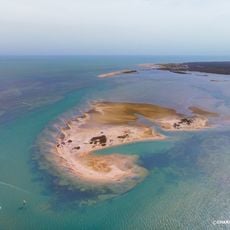
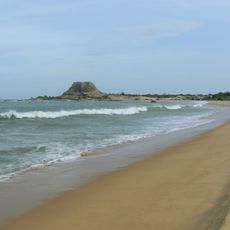
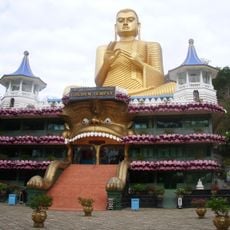
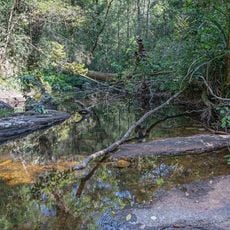
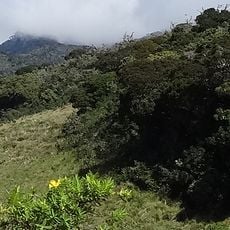
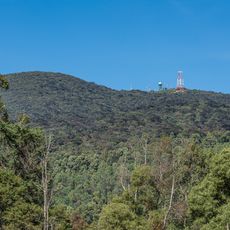
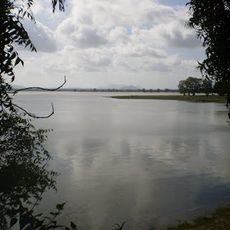
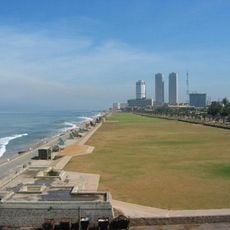
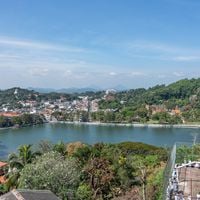
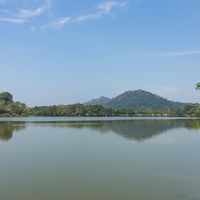
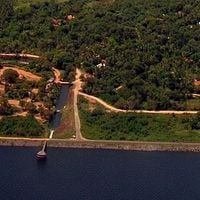
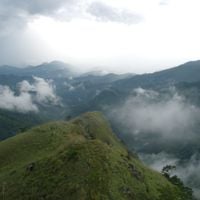
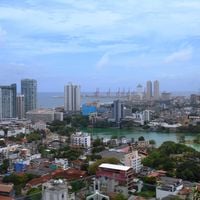
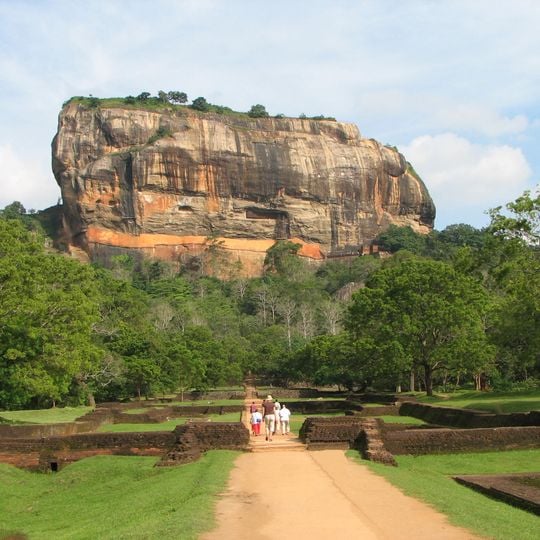
Sri Lanka is an island nation in South Asia located between the Indian Ocean and the Bay of Bengal, with tropical rainforests in the southwest, central highlands featuring tea plantations, dry lowlands in the north, and long coastal stretches with sandy beaches and mangrove forests. The island covers around 65,610 square kilometers and offers a range of landscapes, including mountains rising above 2,500 meters, as well as flat coastal areas marked by lagoons and river estuaries.
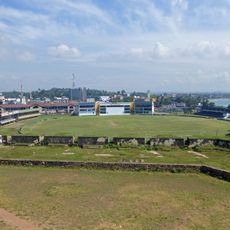
Portuguese traders reached the coasts in the early 16th century, followed by Dutch rule from 1658 and British colonial administration from 1815 until independence in 1948. The name changed from Ceylon to its current designation only in 1972, when the country became a republic.
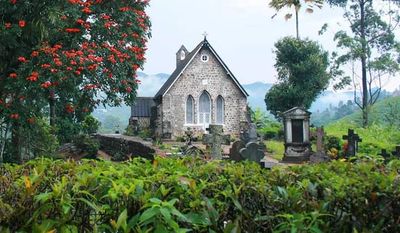
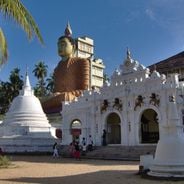
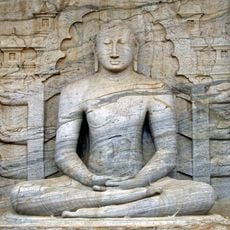
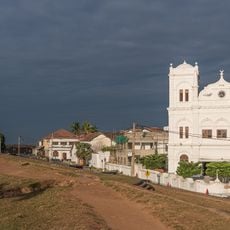
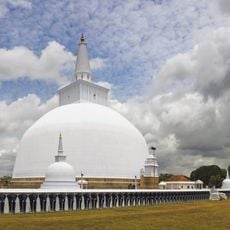
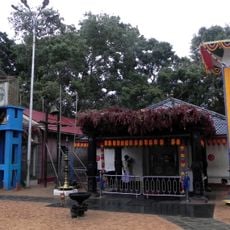
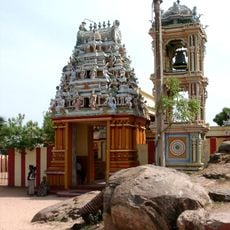
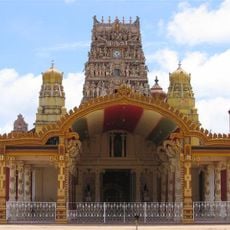
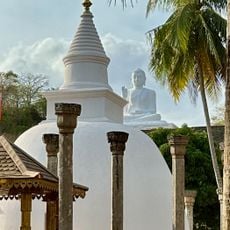
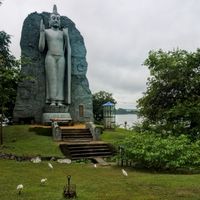
Multiple ethnic and religious communities shape daily life, with Sinhalese Buddhists forming the largest population group, while Tamil Hindus, Muslims, and smaller communities maintain their own festivals, architectural styles, and languages in different regions. Visitors notice this diversity in temples, mosques, and churches often standing in the same town, as well as in the distinct cuisines and customs that vary from one part of the country to another.
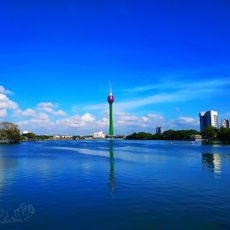
International flights arrive at Bandaranaike International Airport north of Colombo, while the best visiting periods vary by region: December to March suit the west and south coasts, April to September favor the east and north. Multilingual signage helps with navigation in tourist areas across the country.
The geographic position enabled historical trade connections between Arab, Chinese, and European sea routes, with spices such as cinnamon being exported from here to Rome and other Mediterranean centers since antiquity. This commercial role continued across centuries before modern globalization.
The community of curious travelers
AroundUs brings together thousands of curated places, local tips, and hidden gems, enriched daily by 90,799 contributors worldwide.