See the monuments around you in AROpen chests in the app
Around Us is built for your phone — point your camera at the streets and discover the monuments and places around you in augmented reality.Around Us is built for your phone — chests unlock when you walk, explore and capture nearby places.
Sri Lanka holds remote beaches, ancient temples, and nature parks that few travelers visit. Kalpitiya Peninsula offers whale watching opportunities, while Mannar Island draws bird watchers throughout the year. Gal Oya National Park invites boat tours past forested shores, and old monasteries like Kudumbigala show the depth of Buddhist practice in Sri Lanka.
The collection includes both coastal sites and mountain landscapes. Visitors can walk among ancient ruins such as Ritigala, climb rock formations like Yapahuwa or Pidurangala, and spot wildlife in parks like Kaudulla and Kumana. Each location tells its own story through landscape, stone, and living communities that still thrive there.
These places reveal the variety found across Sri Lanka - from water views and forest trails to carved temples and village life. Travelers seeking experiences beyond crowded paths will find themselves in landscapes that feel far from the modern world.
Sri Lanka holds remote beaches, ancient temples, and nature parks that few travelers visit. Kalpitiya Peninsula offers whale watching opportunities, while Mannar Island draws bird watchers throughout the year. Gal Oya National Park invites boat tours past forested shores, and old monasteries like Kudumbigala show the depth of Buddhist practice in Sri Lanka.
The collection includes both coastal sites and mountain landscapes. Visitors can walk among ancient ruins such as Ritigala, climb rock formations like Yapahuwa or Pidurangala, and spot wildlife in parks like Kaudulla and Kumana. Each location tells its own story through landscape, stone, and living communities that still thrive there.
These places reveal the variety found across Sri Lanka - from water views and forest trails to carved temples and village life. Travelers seeking experiences beyond crowded paths will find themselves in landscapes that feel far from the modern world.
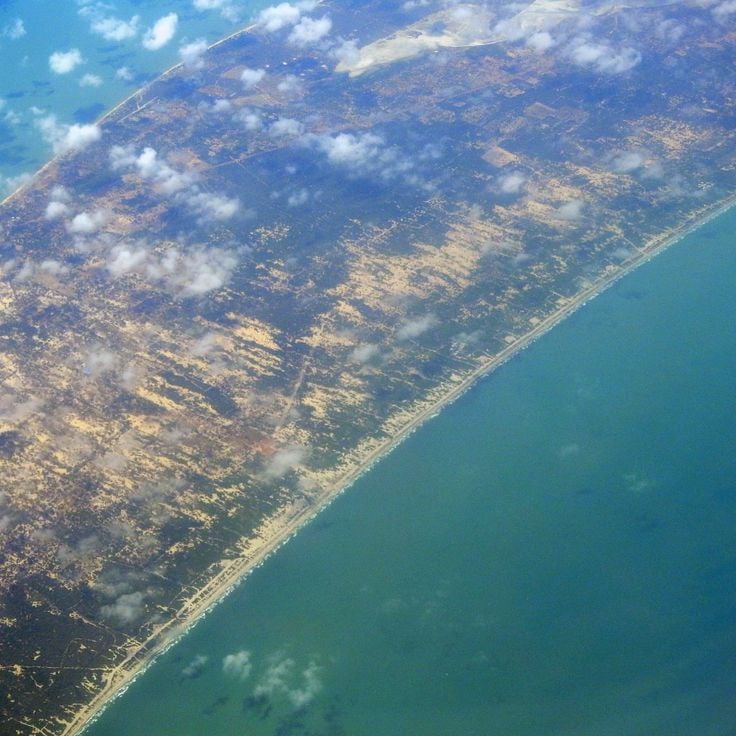
Kalpitiya Peninsula is a coastal region in Sri Lanka where dolphins and whales can be regularly spotted in the waters of the Indian Ocean. As part of the remote locations and untapped sites of Sri Lanka, this peninsula offers visitors the chance to observe marine life in its natural habitat.
Mannar Island in this remote location shows how diverse Sri Lanka can be. The island is known for bird watching opportunities, especially during migration seasons. Here you can find remains of a Portuguese fortress from the 16th century, which tells the story of a long colonial past. Visitors can explore the natural environment and learn about the historical layers of this region.
This archaeological complex in Anuradhapura District reveals the remains of an ancient monastery with stone bridges, water tanks, and meditation paths dating from the 1st century BC. The Ritigala Ruins offer insights into Buddhist history and represent one of Sri Lanka's remote sites that few visitors explore.
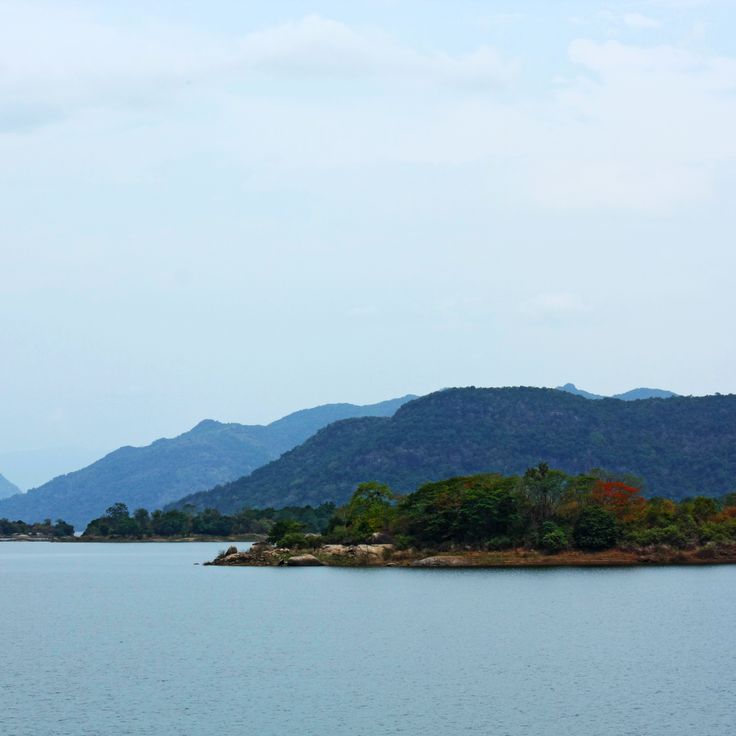
Gal Oya National Park in the Ampara District is part of Sri Lanka's remote and untapped locations. The park protects elephants, leopards, and water buffalo in their natural habitat. Visitors can take boat tours on Sri Lanka's largest reservoir, watching wildlife from the water and experiencing the park's diverse landscape.
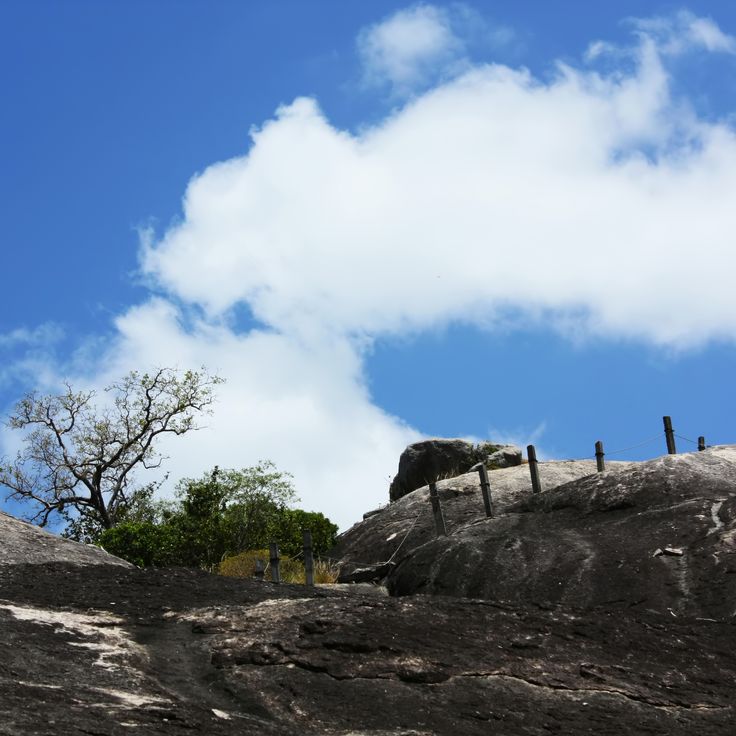
This monastery is located in the Eastern Province and dates to the 3rd century BC. It forms part of the remote locations and untapped sites across Sri Lanka that provide insight into Buddhist history. The complex features historical caves and a stupa at the mountain summit. Visitors climb the hillside to explore the ancient spaces where monks once lived.
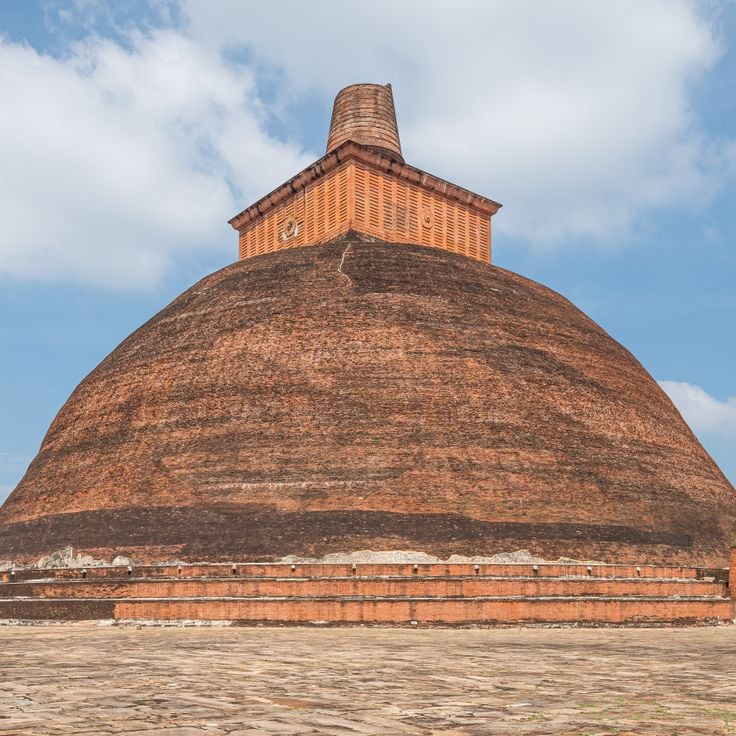
The Jethawanaramaya Stupa is a Buddhist monument from the 3rd century located in Anuradhapura and represents one of the most important sites of Buddhist history in Sri Lanka. This structure was built using approximately 93 million bricks and reaches a height of 122 meters. Visitors can explore this ancient site and gain insight into the Buddhist heritage of the region.
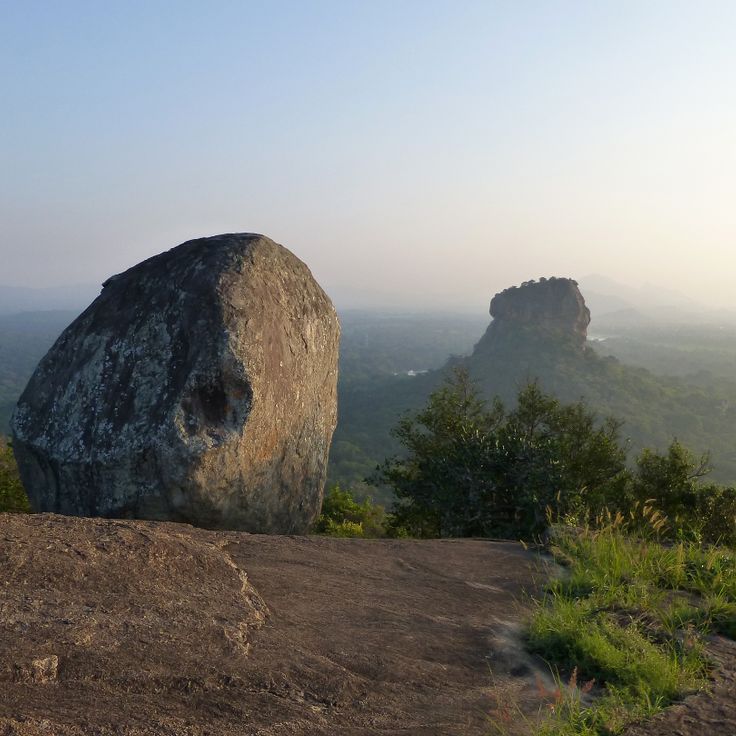
Pidurangala Rock stands as a high rock formation next to Sigiriya, housing an ancient cave temple that reveals Buddhist history. From this site, visitors can see Sigiriya Rock from a different vantage point. The climb to the temple is part of the place's story and shows the religious importance this area has held for centuries. Pidurangala Rock sits away from main tourist paths and offers a quiet spot to explore Buddhist culture and nature.
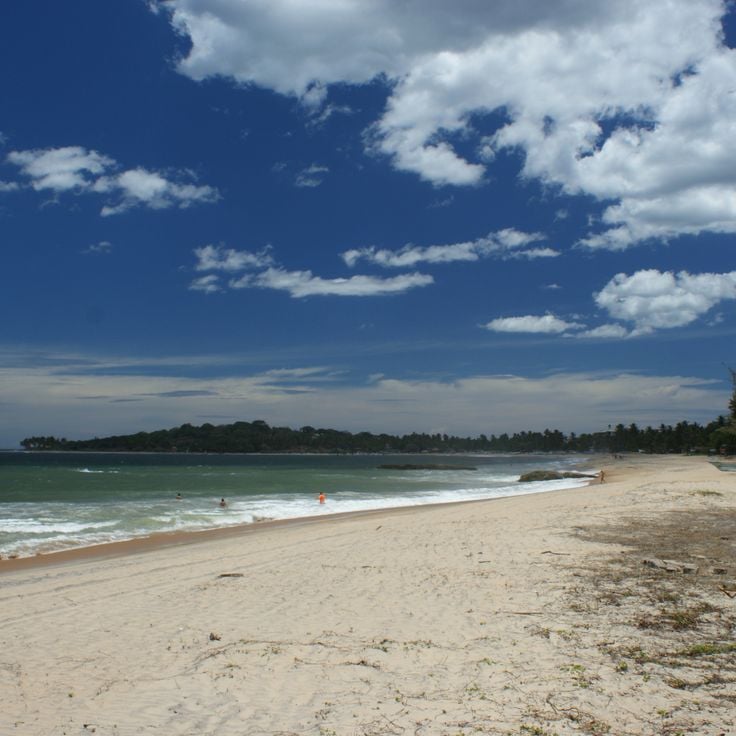
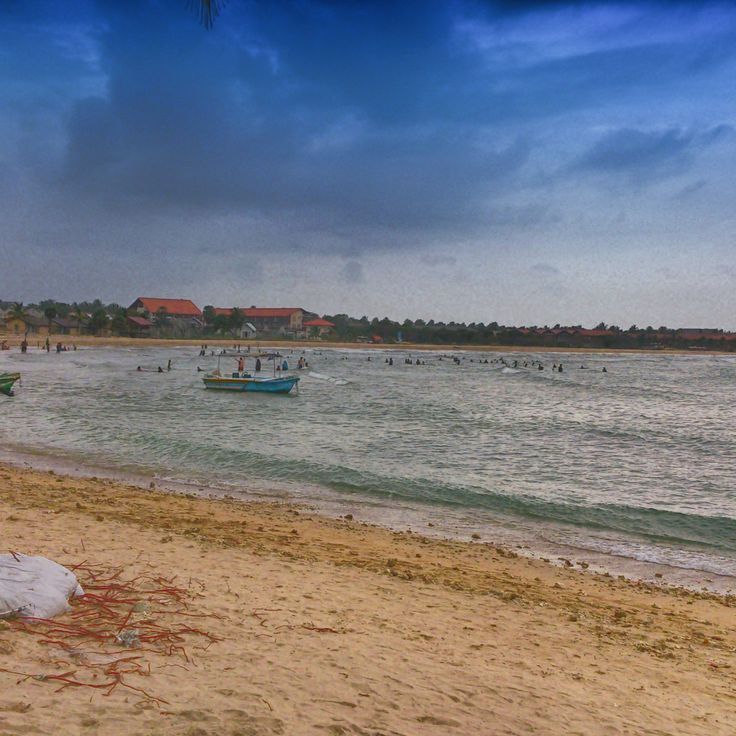
Arugam Bay is a location on the east coast where surfers come to ride waves. The best conditions occur between May and October, when the swell is consistent. The bay has multiple surf spots along the coast. It fits well within this collection of remote locations in Sri Lanka, where visitors can explore nature and lesser-visited destinations.
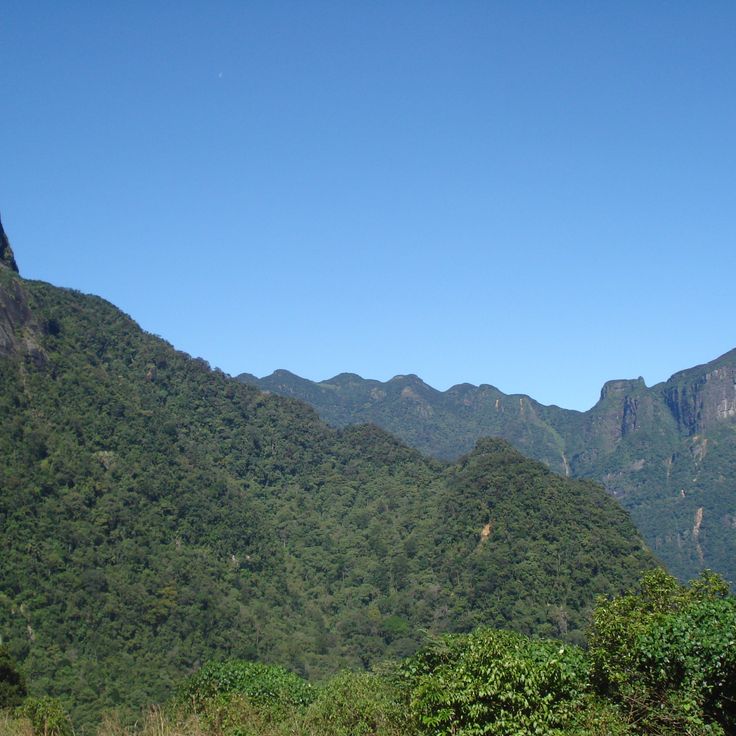
The Knuckles Mountain Range, located in the Central Province and Matale District, represents one of Sri Lanka's remote locations and untapped natural sites. This mountain chain hosts a diverse collection of plant and animal life, with many plant species and bird species thriving across different elevations ranging from 300 to 2000 meters. The range offers hiking trails through forested slopes and provides visitors with a chance to experience the island's natural landscapes away from crowded areas.
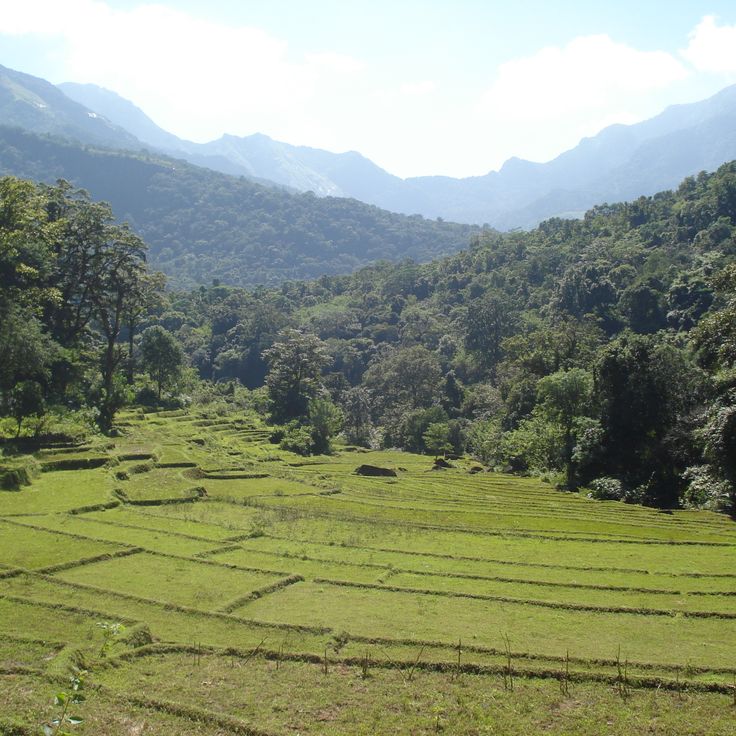
Meemure Village is a remote settlement where residents live without electricity and maintain traditional ways of farming rice and harvesting cardamom. This village fits within the collection of remote locations in Sri Lanka, offering a view of how people live close to the land, surrounded by the Knuckles mountains and far from modern conveniences.
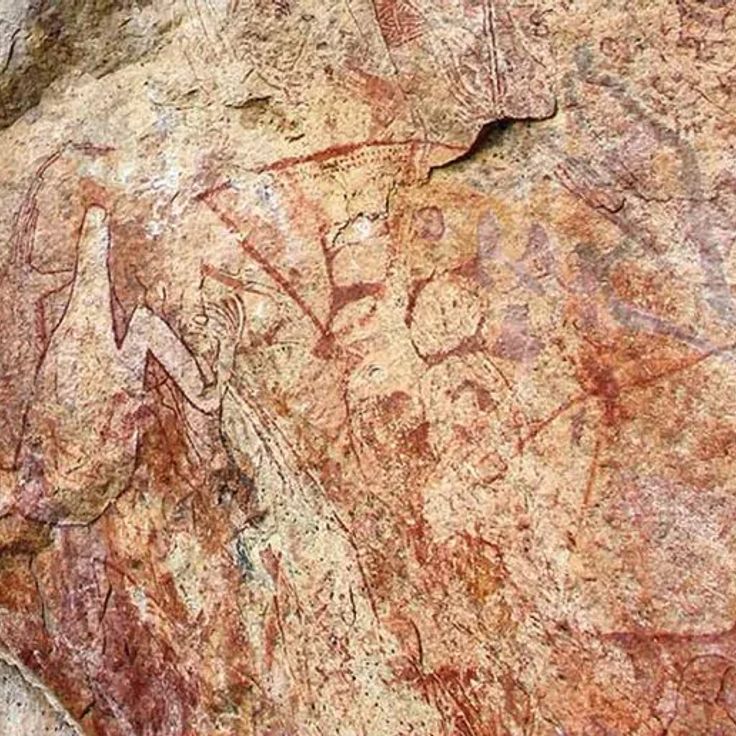
The prehistoric paintings of Kurullangala are stone age cave drawings that depict humans, animals and geometric patterns in red and black colors. These paintings are part of Sri Lanka's remote and untapped historical sites, offering a window into early human artistic expression and life in ancient times.
Delft Island is located in Jaffna District and is part of Sri Lanka's remote locations. The island features a 17th-century fort, coral beaches and a herd of around 500 feral horses. Visitors can explore the historic fort and watch wild horses roaming freely across the island. The beaches offer a place to relax and the island's history is visible in its structures.
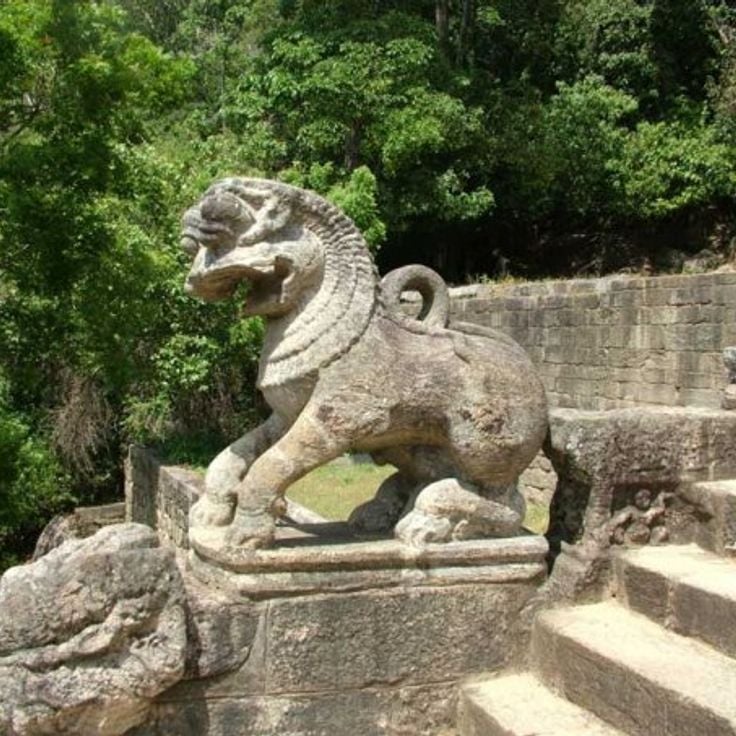
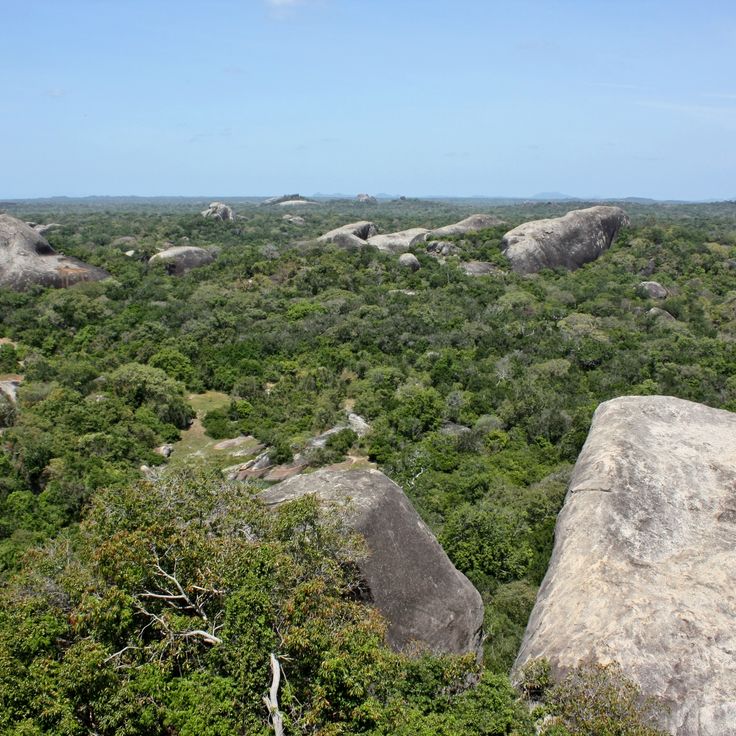
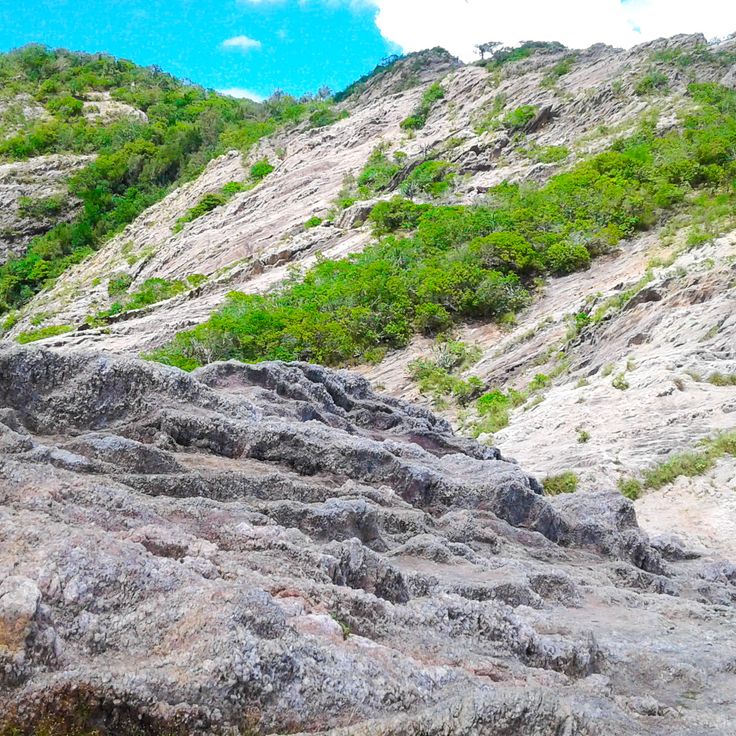
This 13th-century fortress sits on a 90-meter granite rock and stands as one of Sri Lanka's remote locations and untapped sites. Yapahuwa Rock Fortress features a remarkable stone staircase decorated with ornamental relief carvings that climb the rock face. The site offers insights into medieval Buddhist architecture and represents an important chapter in Sri Lanka's religious history.
This small bay at Mirissa lies hidden between rocks and is accessible through a narrow path among palm trees. It is one of the lesser-known beaches in Sri Lanka and offers a quiet alternative to busier coastal areas. The beach appeals to travelers seeking natural settings and secluded coves without crowds.
Kaudulla National Park is a protected area in Sri Lanka where hundreds of elephants gather around a central reservoir during the dry season. The park allows visitors to watch these animals in their natural habitat. This location fits within Sri Lanka's remote sites, offering a chance to see wildlife in an untouched setting away from crowded areas.
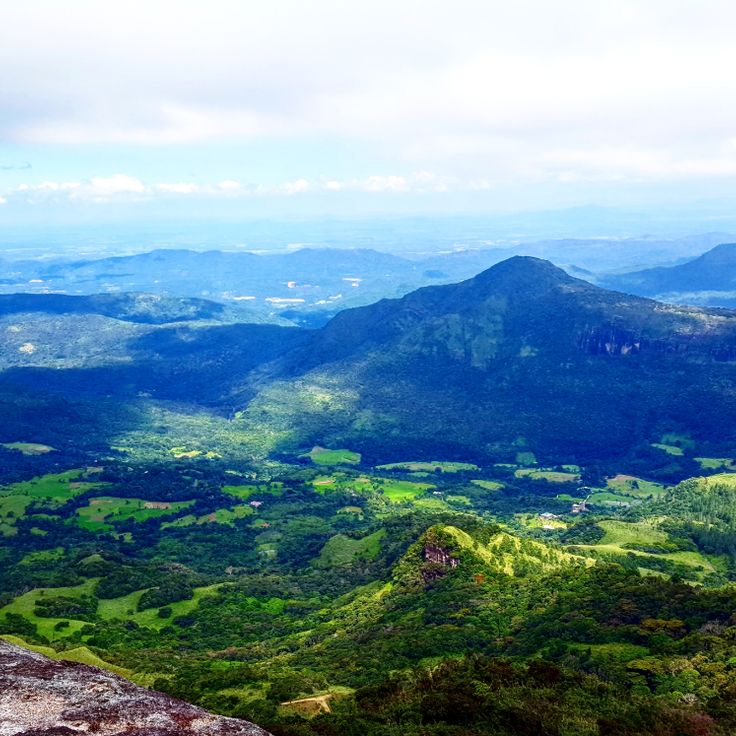
Madolsima Viewpoint sits in the remote areas of Sri Lanka and offers views from 1000 meters in elevation. From this vantage point, you can see across 180 degrees of mountains and tea plantations stretching across the region. This location serves those seeking to explore the untapped sites of Sri Lanka, where you can observe the landscape without crowds and feel the quiet of the highlands.
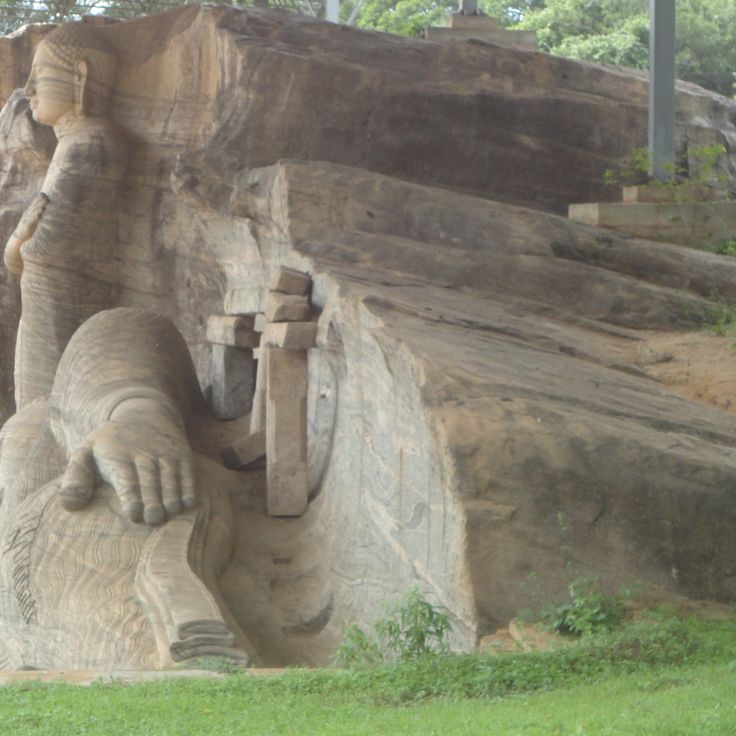
This temple in Polonnaruwa holds four large Buddhist stone statues from the 12th century. The figures sit in different meditation postures, offering a look into how monks practiced their faith during this period. Located in a remote corner of Sri Lanka, Gal Viharaya shows the ancient monastery life that shaped the island's spiritual traditions.
Kumana National Park is a protected area in eastern Sri Lanka that ranks among the island's remote and lesser-explored locations. The park shelters water birds, elephants, and leopards within its mangrove swamps and coastal waters. Visitors can explore the undisturbed nature and observe these rare animals in their natural habitat. The park offers insight into Sri Lanka's rich biodiversity and complements other natural reserves like Gal Oya National Park.
Passikudah Beach is a remote location on Sri Lanka's east coast, far from the crowds of popular tourist areas. The beach stretches for 800 meters with turquoise water and white sand. The clear water is excellent for swimming and snorkeling. This place offers a glimpse of life along the eastern coast, where nature remains largely undisturbed. Visitors can enjoy the quiet and explore the coastline without encountering large crowds.
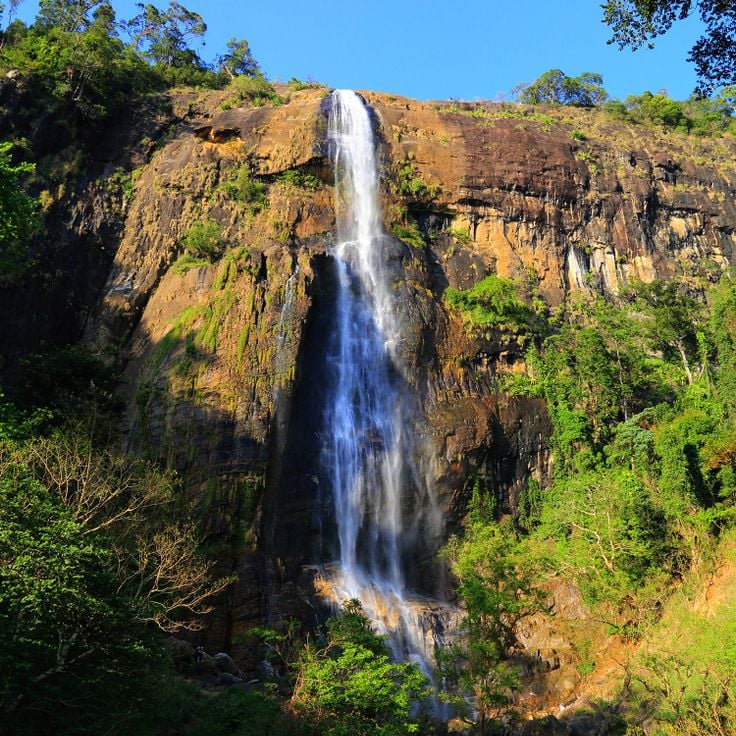
Diyaluma Falls is a waterfall in Badulla District that descends in stages, creating pools at different heights. It represents the kind of remote location that allows travelers to experience Sri Lanka's natural landscape away from main tourist routes. Visitors come here to walk through the forest, swim in the pools, and discover the quieter side of the island.
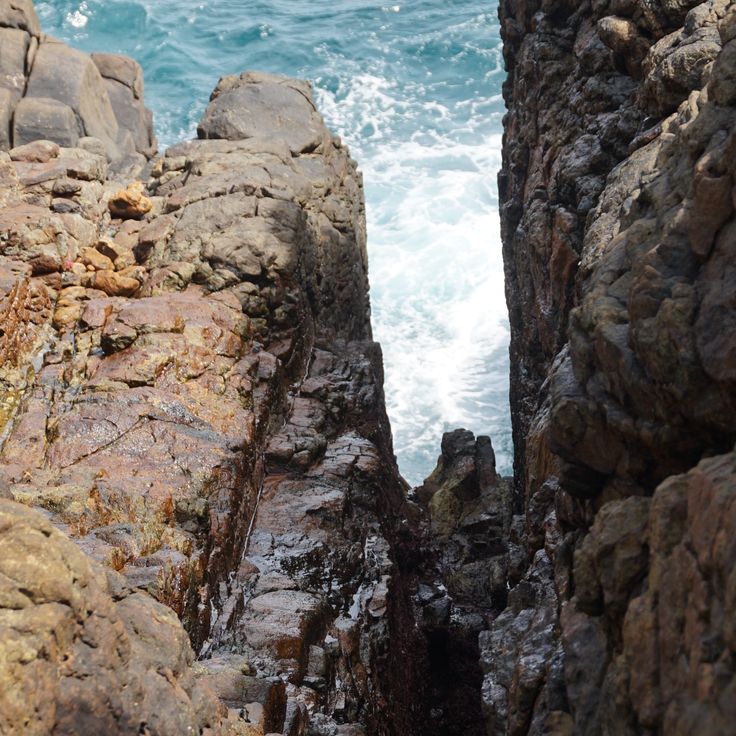
This natural sea vent located on the southern coast of Sri Lanka is among the island's lesser-explored locations, known for shooting ocean water up to 30 meters (98 feet) high when waves strike the coastal rocks with force. The phenomenon occurs as waves compress water through narrow passages in the rocks, creating a dramatic spray. Visitors come to witness this rare natural display and experience the raw power of the ocean up close.
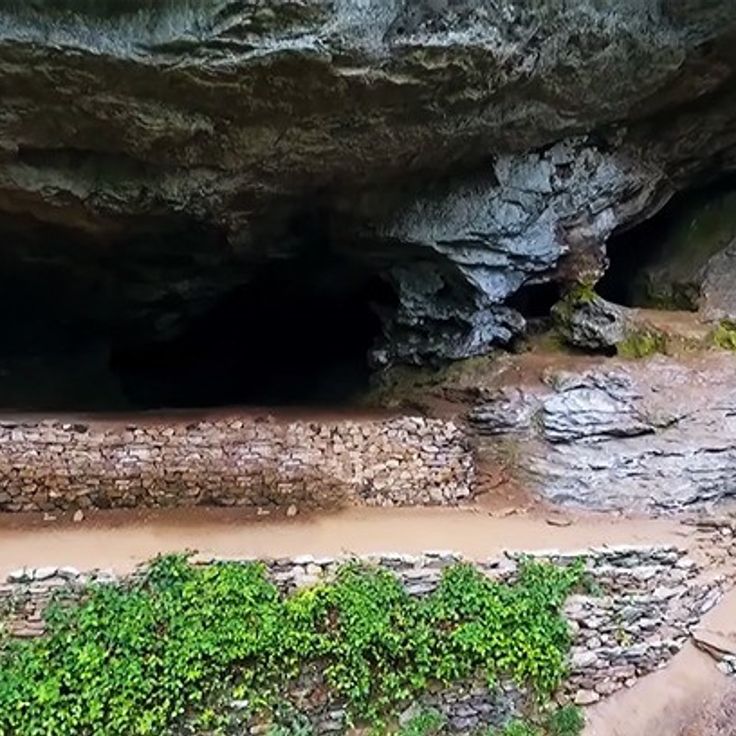
Belilena Cave is part of Sri Lanka's remote locations and offers a glimpse into ancient human history. This cave contains stone tools and human remains dating back 32,000 years, with a main chamber spanning 60 meters in length. For travelers exploring untapped sites, this location reveals how early humans lived and adapted to the island's landscape, providing a connection to one of the world's oldest archaeological records.
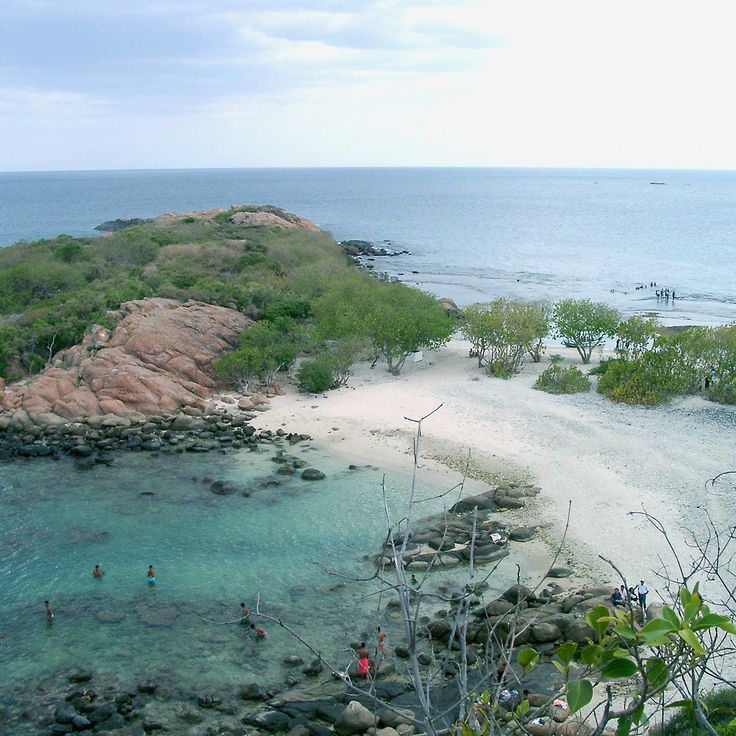
Pigeon Island National Park is a marine reserve in Trincomalee District that protects coral reefs, tropical fish, and sharks in shallow waters. Visitors can snorkel or dive to explore the underwater life. The park spreads across two islands and shows the variety of marine life found in Sri Lankan waters. It serves as an example of the natural sites that draw travelers interested in ocean ecosystems.
Namal Uyana is a forest with extensive stands of ironwood trees and a mountain range where rose quartz deposits can be found. This location fits among Sri Lanka's remote sites and offers visitors a chance to explore rare trees and natural mineral formations in their natural surroundings.
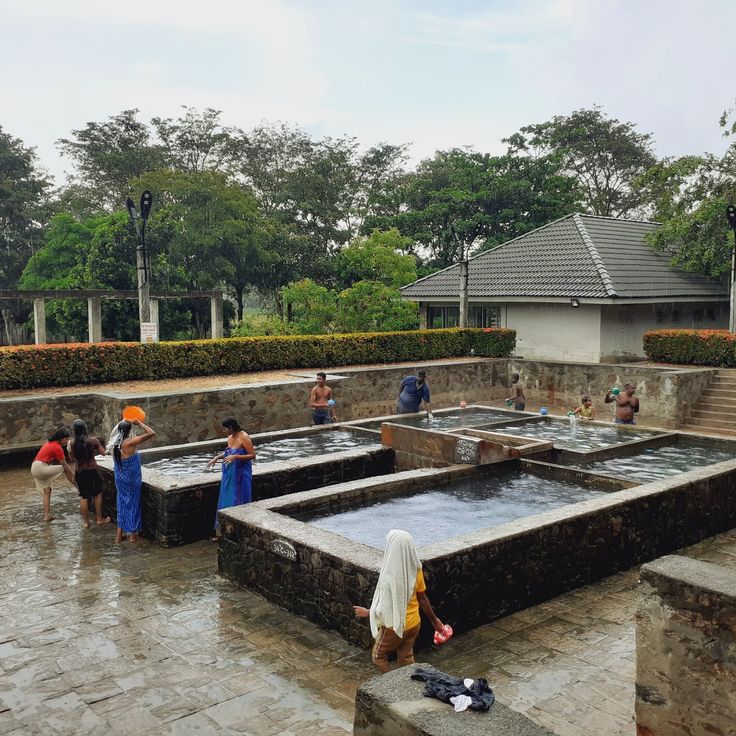
Madunagala Hot Springs is a collection of seven mineral water springs in southeastern Sri Lanka, nestled within forest. The water temperatures range from 38 to 45 degrees Celsius. These natural springs offer visitors an opportunity to experience remote locations and untapped sites across the island, where nature remains largely undiscovered.
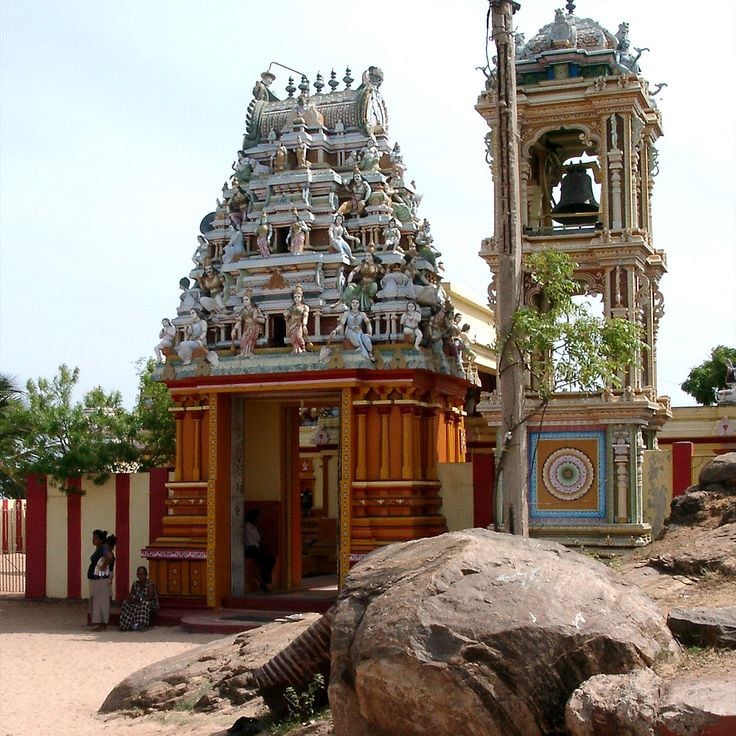
Koneswaram Temple is part of Sri Lanka's remote locations and untapped sites. This Hindu temple dates to the 3rd century BC and sits on a 130-meter rock above Trincomalee Bay. The temple offers insights into religious history and stands in a region known for its natural beauty. Visitors can explore the ancient structure and take in views of the bay below.
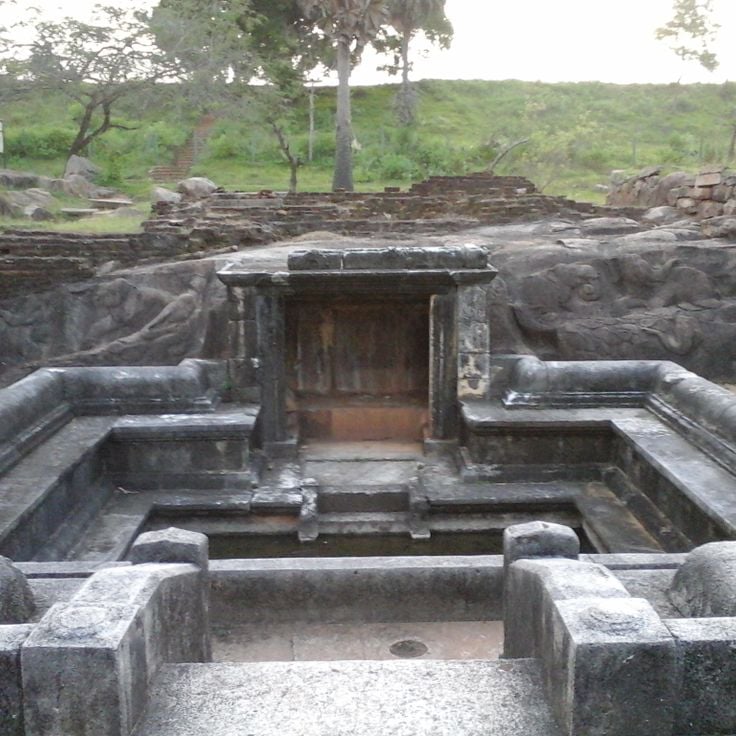
Ranmasu Uyana is a fourth-century park set between two Buddhist temples. This site features stone sculptures, water pools and gardens that reveal the ancient past of Sri Lanka. Ranmasu Uyana is part of the country's remote locations where visitors can explore Buddhist history and the garden design practices of the era.
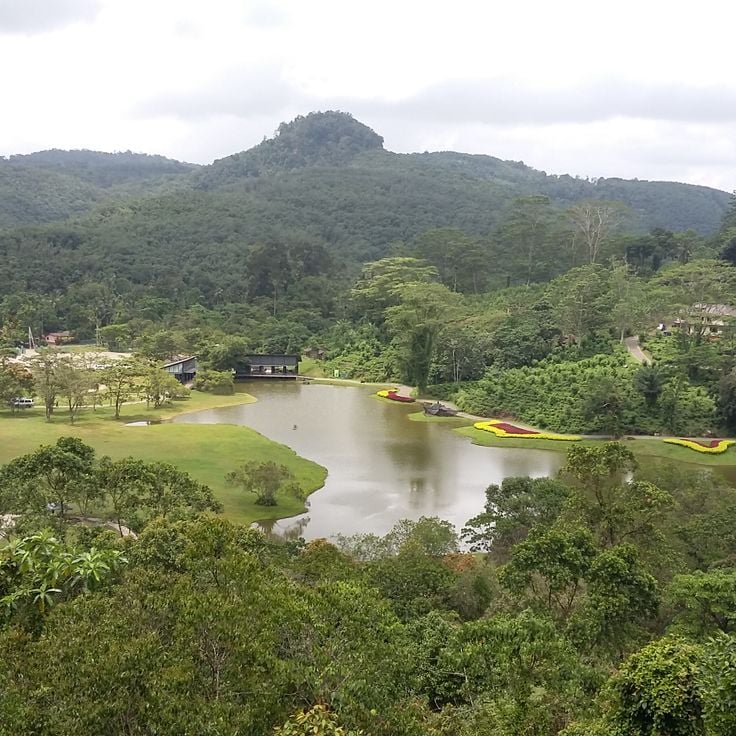
This 9-hectare garden holds over 550 plant species from Sri Lankan rainforests, making it a place to explore the island's diverse vegetation away from busier tourist spots. Visitors can wander through the grounds and observe how the local flora grows and thrives in its natural setting. The Seethawaka Botanic Gardens show what the jungle looks like up close, with trails leading past trees, ferns, and other plants that thrive in the tropical climate.
Angammedilla National Park in Polonnaruwa is part of Sri Lanka's remote natural areas worth exploring. The park spans 7900 hectares of forest and is home to various animal species including elephants, leopards and deer. Visitors can observe wildlife in their natural setting and experience the forest landscape that characterizes this region. The park offers a chance to connect with nature and see the animals that live in Sri Lanka's interior forests.
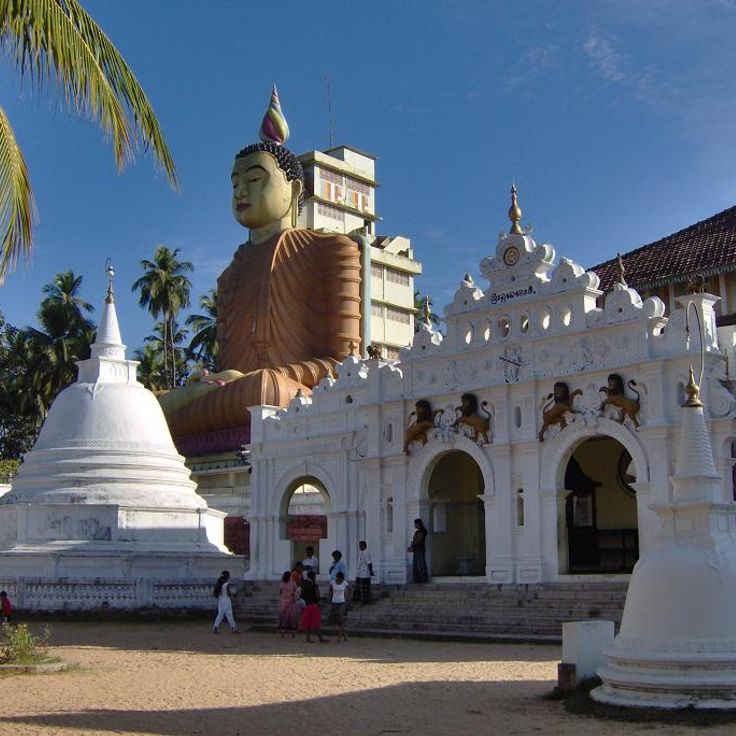
The Wewurukannala Vihara Temple is an 18th-century Buddhist temple featured in this collection of remote locations and untapped sites across Sri Lanka. This temple impresses with a 50-meter-tall Buddha statue and wall paintings depicting Buddhist cosmology. It offers insights into Buddhist history and artistic traditions of the region.
Kalpitiya Peninsula is a coastal region in Sri Lanka where dolphins and whales can be regularly spotted in the waters of the Indian Ocean. As part of the remote locations and untapped sites of Sri Lanka, this peninsula offers visitors the chance to observe marine life in its natural habitat.
Mannar Island in this remote location shows how diverse Sri Lanka can be. The island is known for bird watching opportunities, especially during migration seasons. Here you can find remains of a Portuguese fortress from the 16th century, which tells the story of a long colonial past. Visitors can explore the natural environment and learn about the historical layers of this region.
This archaeological complex in Anuradhapura District reveals the remains of an ancient monastery with stone bridges, water tanks, and meditation paths dating from the 1st century BC. The Ritigala Ruins offer insights into Buddhist history and represent one of Sri Lanka's remote sites that few visitors explore.
Gal Oya National Park in the Ampara District is part of Sri Lanka's remote and untapped locations. The park protects elephants, leopards, and water buffalo in their natural habitat. Visitors can take boat tours on Sri Lanka's largest reservoir, watching wildlife from the water and experiencing the park's diverse landscape.
This monastery is located in the Eastern Province and dates to the 3rd century BC. It forms part of the remote locations and untapped sites across Sri Lanka that provide insight into Buddhist history. The complex features historical caves and a stupa at the mountain summit. Visitors climb the hillside to explore the ancient spaces where monks once lived.
The Jethawanaramaya Stupa is a Buddhist monument from the 3rd century located in Anuradhapura and represents one of the most important sites of Buddhist history in Sri Lanka. This structure was built using approximately 93 million bricks and reaches a height of 122 meters. Visitors can explore this ancient site and gain insight into the Buddhist heritage of the region.
Pidurangala Rock stands as a high rock formation next to Sigiriya, housing an ancient cave temple that reveals Buddhist history. From this site, visitors can see Sigiriya Rock from a different vantage point. The climb to the temple is part of the place's story and shows the religious importance this area has held for centuries. Pidurangala Rock sits away from main tourist paths and offers a quiet spot to explore Buddhist culture and nature.
Arugam Bay is a location on the east coast where surfers come to ride waves. The best conditions occur between May and October, when the swell is consistent. The bay has multiple surf spots along the coast. It fits well within this collection of remote locations in Sri Lanka, where visitors can explore nature and lesser-visited destinations.
The Knuckles Mountain Range, located in the Central Province and Matale District, represents one of Sri Lanka's remote locations and untapped natural sites. This mountain chain hosts a diverse collection of plant and animal life, with many plant species and bird species thriving across different elevations ranging from 300 to 2000 meters. The range offers hiking trails through forested slopes and provides visitors with a chance to experience the island's natural landscapes away from crowded areas.
Meemure Village is a remote settlement where residents live without electricity and maintain traditional ways of farming rice and harvesting cardamom. This village fits within the collection of remote locations in Sri Lanka, offering a view of how people live close to the land, surrounded by the Knuckles mountains and far from modern conveniences.
The prehistoric paintings of Kurullangala are stone age cave drawings that depict humans, animals and geometric patterns in red and black colors. These paintings are part of Sri Lanka's remote and untapped historical sites, offering a window into early human artistic expression and life in ancient times.
Delft Island is located in Jaffna District and is part of Sri Lanka's remote locations. The island features a 17th-century fort, coral beaches and a herd of around 500 feral horses. Visitors can explore the historic fort and watch wild horses roaming freely across the island. The beaches offer a place to relax and the island's history is visible in its structures.
This 13th-century fortress sits on a 90-meter granite rock and stands as one of Sri Lanka's remote locations and untapped sites. Yapahuwa Rock Fortress features a remarkable stone staircase decorated with ornamental relief carvings that climb the rock face. The site offers insights into medieval Buddhist architecture and represents an important chapter in Sri Lanka's religious history.
This small bay at Mirissa lies hidden between rocks and is accessible through a narrow path among palm trees. It is one of the lesser-known beaches in Sri Lanka and offers a quiet alternative to busier coastal areas. The beach appeals to travelers seeking natural settings and secluded coves without crowds.
Kaudulla National Park is a protected area in Sri Lanka where hundreds of elephants gather around a central reservoir during the dry season. The park allows visitors to watch these animals in their natural habitat. This location fits within Sri Lanka's remote sites, offering a chance to see wildlife in an untouched setting away from crowded areas.
Madolsima Viewpoint sits in the remote areas of Sri Lanka and offers views from 1000 meters in elevation. From this vantage point, you can see across 180 degrees of mountains and tea plantations stretching across the region. This location serves those seeking to explore the untapped sites of Sri Lanka, where you can observe the landscape without crowds and feel the quiet of the highlands.
This temple in Polonnaruwa holds four large Buddhist stone statues from the 12th century. The figures sit in different meditation postures, offering a look into how monks practiced their faith during this period. Located in a remote corner of Sri Lanka, Gal Viharaya shows the ancient monastery life that shaped the island's spiritual traditions.
Kumana National Park is a protected area in eastern Sri Lanka that ranks among the island's remote and lesser-explored locations. The park shelters water birds, elephants, and leopards within its mangrove swamps and coastal waters. Visitors can explore the undisturbed nature and observe these rare animals in their natural habitat. The park offers insight into Sri Lanka's rich biodiversity and complements other natural reserves like Gal Oya National Park.
Passikudah Beach is a remote location on Sri Lanka's east coast, far from the crowds of popular tourist areas. The beach stretches for 800 meters with turquoise water and white sand. The clear water is excellent for swimming and snorkeling. This place offers a glimpse of life along the eastern coast, where nature remains largely undisturbed. Visitors can enjoy the quiet and explore the coastline without encountering large crowds.
Diyaluma Falls is a waterfall in Badulla District that descends in stages, creating pools at different heights. It represents the kind of remote location that allows travelers to experience Sri Lanka's natural landscape away from main tourist routes. Visitors come here to walk through the forest, swim in the pools, and discover the quieter side of the island.
This natural sea vent located on the southern coast of Sri Lanka is among the island's lesser-explored locations, known for shooting ocean water up to 30 meters (98 feet) high when waves strike the coastal rocks with force. The phenomenon occurs as waves compress water through narrow passages in the rocks, creating a dramatic spray. Visitors come to witness this rare natural display and experience the raw power of the ocean up close.
Belilena Cave is part of Sri Lanka's remote locations and offers a glimpse into ancient human history. This cave contains stone tools and human remains dating back 32,000 years, with a main chamber spanning 60 meters in length. For travelers exploring untapped sites, this location reveals how early humans lived and adapted to the island's landscape, providing a connection to one of the world's oldest archaeological records.
Pigeon Island National Park is a marine reserve in Trincomalee District that protects coral reefs, tropical fish, and sharks in shallow waters. Visitors can snorkel or dive to explore the underwater life. The park spreads across two islands and shows the variety of marine life found in Sri Lankan waters. It serves as an example of the natural sites that draw travelers interested in ocean ecosystems.
Namal Uyana is a forest with extensive stands of ironwood trees and a mountain range where rose quartz deposits can be found. This location fits among Sri Lanka's remote sites and offers visitors a chance to explore rare trees and natural mineral formations in their natural surroundings.
Madunagala Hot Springs is a collection of seven mineral water springs in southeastern Sri Lanka, nestled within forest. The water temperatures range from 38 to 45 degrees Celsius. These natural springs offer visitors an opportunity to experience remote locations and untapped sites across the island, where nature remains largely undiscovered.
Koneswaram Temple is part of Sri Lanka's remote locations and untapped sites. This Hindu temple dates to the 3rd century BC and sits on a 130-meter rock above Trincomalee Bay. The temple offers insights into religious history and stands in a region known for its natural beauty. Visitors can explore the ancient structure and take in views of the bay below.
Ranmasu Uyana is a fourth-century park set between two Buddhist temples. This site features stone sculptures, water pools and gardens that reveal the ancient past of Sri Lanka. Ranmasu Uyana is part of the country's remote locations where visitors can explore Buddhist history and the garden design practices of the era.
This 9-hectare garden holds over 550 plant species from Sri Lankan rainforests, making it a place to explore the island's diverse vegetation away from busier tourist spots. Visitors can wander through the grounds and observe how the local flora grows and thrives in its natural setting. The Seethawaka Botanic Gardens show what the jungle looks like up close, with trails leading past trees, ferns, and other plants that thrive in the tropical climate.
Angammedilla National Park in Polonnaruwa is part of Sri Lanka's remote natural areas worth exploring. The park spans 7900 hectares of forest and is home to various animal species including elephants, leopards and deer. Visitors can observe wildlife in their natural setting and experience the forest landscape that characterizes this region. The park offers a chance to connect with nature and see the animals that live in Sri Lanka's interior forests.
The Wewurukannala Vihara Temple is an 18th-century Buddhist temple featured in this collection of remote locations and untapped sites across Sri Lanka. This temple impresses with a 50-meter-tall Buddha statue and wall paintings depicting Buddhist cosmology. It offers insights into Buddhist history and artistic traditions of the region.
Kalpitiya Peninsula is a coastal region in Sri Lanka where dolphins and whales can be regularly spotted in the waters of the Indian Ocean. As part of the remote locations and untapped sites of Sri Lanka, this peninsula offers visitors the chance to observe marine life in its natural habitat.
Mannar Island in this remote location shows how diverse Sri Lanka can be. The island is known for bird watching opportunities, especially during migration seasons. Here you can find remains of a Portuguese fortress from the 16th century, which tells the story of a long colonial past. Visitors can explore the natural environment and learn about the historical layers of this region.
This archaeological complex in Anuradhapura District reveals the remains of an ancient monastery with stone bridges, water tanks, and meditation paths dating from the 1st century BC. The Ritigala Ruins offer insights into Buddhist history and represent one of Sri Lanka's remote sites that few visitors explore.
Gal Oya National Park in the Ampara District is part of Sri Lanka's remote and untapped locations. The park protects elephants, leopards, and water buffalo in their natural habitat. Visitors can take boat tours on Sri Lanka's largest reservoir, watching wildlife from the water and experiencing the park's diverse landscape.
This monastery is located in the Eastern Province and dates to the 3rd century BC. It forms part of the remote locations and untapped sites across Sri Lanka that provide insight into Buddhist history. The complex features historical caves and a stupa at the mountain summit. Visitors climb the hillside to explore the ancient spaces where monks once lived.
The Jethawanaramaya Stupa is a Buddhist monument from the 3rd century located in Anuradhapura and represents one of the most important sites of Buddhist history in Sri Lanka. This structure was built using approximately 93 million bricks and reaches a height of 122 meters. Visitors can explore this ancient site and gain insight into the Buddhist heritage of the region.
Pidurangala Rock stands as a high rock formation next to Sigiriya, housing an ancient cave temple that reveals Buddhist history. From this site, visitors can see Sigiriya Rock from a different vantage point. The climb to the temple is part of the place's story and shows the religious importance this area has held for centuries. Pidurangala Rock sits away from main tourist paths and offers a quiet spot to explore Buddhist culture and nature.
Arugam Bay is a location on the east coast where surfers come to ride waves. The best conditions occur between May and October, when the swell is consistent. The bay has multiple surf spots along the coast. It fits well within this collection of remote locations in Sri Lanka, where visitors can explore nature and lesser-visited destinations.
The Knuckles Mountain Range, located in the Central Province and Matale District, represents one of Sri Lanka's remote locations and untapped natural sites. This mountain chain hosts a diverse collection of plant and animal life, with many plant species and bird species thriving across different elevations ranging from 300 to 2000 meters. The range offers hiking trails through forested slopes and provides visitors with a chance to experience the island's natural landscapes away from crowded areas.
Meemure Village is a remote settlement where residents live without electricity and maintain traditional ways of farming rice and harvesting cardamom. This village fits within the collection of remote locations in Sri Lanka, offering a view of how people live close to the land, surrounded by the Knuckles mountains and far from modern conveniences.
The prehistoric paintings of Kurullangala are stone age cave drawings that depict humans, animals and geometric patterns in red and black colors. These paintings are part of Sri Lanka's remote and untapped historical sites, offering a window into early human artistic expression and life in ancient times.
Delft Island is located in Jaffna District and is part of Sri Lanka's remote locations. The island features a 17th-century fort, coral beaches and a herd of around 500 feral horses. Visitors can explore the historic fort and watch wild horses roaming freely across the island. The beaches offer a place to relax and the island's history is visible in its structures.
This 13th-century fortress sits on a 90-meter granite rock and stands as one of Sri Lanka's remote locations and untapped sites. Yapahuwa Rock Fortress features a remarkable stone staircase decorated with ornamental relief carvings that climb the rock face. The site offers insights into medieval Buddhist architecture and represents an important chapter in Sri Lanka's religious history.
This small bay at Mirissa lies hidden between rocks and is accessible through a narrow path among palm trees. It is one of the lesser-known beaches in Sri Lanka and offers a quiet alternative to busier coastal areas. The beach appeals to travelers seeking natural settings and secluded coves without crowds.
Kaudulla National Park is a protected area in Sri Lanka where hundreds of elephants gather around a central reservoir during the dry season. The park allows visitors to watch these animals in their natural habitat. This location fits within Sri Lanka's remote sites, offering a chance to see wildlife in an untouched setting away from crowded areas.
Madolsima Viewpoint sits in the remote areas of Sri Lanka and offers views from 1000 meters in elevation. From this vantage point, you can see across 180 degrees of mountains and tea plantations stretching across the region. This location serves those seeking to explore the untapped sites of Sri Lanka, where you can observe the landscape without crowds and feel the quiet of the highlands.
This temple in Polonnaruwa holds four large Buddhist stone statues from the 12th century. The figures sit in different meditation postures, offering a look into how monks practiced their faith during this period. Located in a remote corner of Sri Lanka, Gal Viharaya shows the ancient monastery life that shaped the island's spiritual traditions.
Kumana National Park is a protected area in eastern Sri Lanka that ranks among the island's remote and lesser-explored locations. The park shelters water birds, elephants, and leopards within its mangrove swamps and coastal waters. Visitors can explore the undisturbed nature and observe these rare animals in their natural habitat. The park offers insight into Sri Lanka's rich biodiversity and complements other natural reserves like Gal Oya National Park.
Passikudah Beach is a remote location on Sri Lanka's east coast, far from the crowds of popular tourist areas. The beach stretches for 800 meters with turquoise water and white sand. The clear water is excellent for swimming and snorkeling. This place offers a glimpse of life along the eastern coast, where nature remains largely undisturbed. Visitors can enjoy the quiet and explore the coastline without encountering large crowds.
Diyaluma Falls is a waterfall in Badulla District that descends in stages, creating pools at different heights. It represents the kind of remote location that allows travelers to experience Sri Lanka's natural landscape away from main tourist routes. Visitors come here to walk through the forest, swim in the pools, and discover the quieter side of the island.
This natural sea vent located on the southern coast of Sri Lanka is among the island's lesser-explored locations, known for shooting ocean water up to 30 meters (98 feet) high when waves strike the coastal rocks with force. The phenomenon occurs as waves compress water through narrow passages in the rocks, creating a dramatic spray. Visitors come to witness this rare natural display and experience the raw power of the ocean up close.
Belilena Cave is part of Sri Lanka's remote locations and offers a glimpse into ancient human history. This cave contains stone tools and human remains dating back 32,000 years, with a main chamber spanning 60 meters in length. For travelers exploring untapped sites, this location reveals how early humans lived and adapted to the island's landscape, providing a connection to one of the world's oldest archaeological records.
Pigeon Island National Park is a marine reserve in Trincomalee District that protects coral reefs, tropical fish, and sharks in shallow waters. Visitors can snorkel or dive to explore the underwater life. The park spreads across two islands and shows the variety of marine life found in Sri Lankan waters. It serves as an example of the natural sites that draw travelers interested in ocean ecosystems.
Namal Uyana is a forest with extensive stands of ironwood trees and a mountain range where rose quartz deposits can be found. This location fits among Sri Lanka's remote sites and offers visitors a chance to explore rare trees and natural mineral formations in their natural surroundings.
Madunagala Hot Springs is a collection of seven mineral water springs in southeastern Sri Lanka, nestled within forest. The water temperatures range from 38 to 45 degrees Celsius. These natural springs offer visitors an opportunity to experience remote locations and untapped sites across the island, where nature remains largely undiscovered.
Koneswaram Temple is part of Sri Lanka's remote locations and untapped sites. This Hindu temple dates to the 3rd century BC and sits on a 130-meter rock above Trincomalee Bay. The temple offers insights into religious history and stands in a region known for its natural beauty. Visitors can explore the ancient structure and take in views of the bay below.
Ranmasu Uyana is a fourth-century park set between two Buddhist temples. This site features stone sculptures, water pools and gardens that reveal the ancient past of Sri Lanka. Ranmasu Uyana is part of the country's remote locations where visitors can explore Buddhist history and the garden design practices of the era.
This 9-hectare garden holds over 550 plant species from Sri Lankan rainforests, making it a place to explore the island's diverse vegetation away from busier tourist spots. Visitors can wander through the grounds and observe how the local flora grows and thrives in its natural setting. The Seethawaka Botanic Gardens show what the jungle looks like up close, with trails leading past trees, ferns, and other plants that thrive in the tropical climate.
Angammedilla National Park in Polonnaruwa is part of Sri Lanka's remote natural areas worth exploring. The park spans 7900 hectares of forest and is home to various animal species including elephants, leopards and deer. Visitors can observe wildlife in their natural setting and experience the forest landscape that characterizes this region. The park offers a chance to connect with nature and see the animals that live in Sri Lanka's interior forests.
The Wewurukannala Vihara Temple is an 18th-century Buddhist temple featured in this collection of remote locations and untapped sites across Sri Lanka. This temple impresses with a 50-meter-tall Buddha statue and wall paintings depicting Buddhist cosmology. It offers insights into Buddhist history and artistic traditions of the region.