See the monuments around you in AROpen chests in the app
Around Us is built for your phone — point your camera at the streets and discover the monuments and places around you in augmented reality.Around Us is built for your phone — chests unlock when you walk, explore and capture nearby places.
Sri Lanka offers diverse photography sites spanning ancient fortresses, temples, and natural landscapes. Sigiriya Rock stands as a dramatic stone fortress surrounded by green valleys, while Polonnaruwa showcases ruins of an ancient kingdom. Buddhist temples like Dambulla Cave Temple and the Temple of the Sacred Tooth Relic in Kandy preserve centuries of religious art and sculpture. Galle Fort, with its colonial architecture, lines the southern coast, while Hindu temples such as Nallur Kandaswamy Temple reflect the island's religious diversity. Historic sites including Jaffna Fort, Royal Palace of Kandy, and Ruwanwelisaya Stupa document periods of settlement and worship across the island.
Nature lovers find abundant subjects in Sri Lanka's protected areas. Yala, Bundala, and Udawalawe National Parks are home to wild elephants, leopards, and other wildlife in open habitats. Adam's Peak draws photographers to its summit, while the Knuckles Mountain Range offers dense forest scenery and hiking trails. Waterfalls such as Ravana Falls and Devon Falls cascade through lush terrain. Coastal locations range from Mirissa Beach and Arugam Bay to quieter stretches at Hikkaduwa and Bentota, while lagoons like Batticaloa showcase wetland ecosystems.
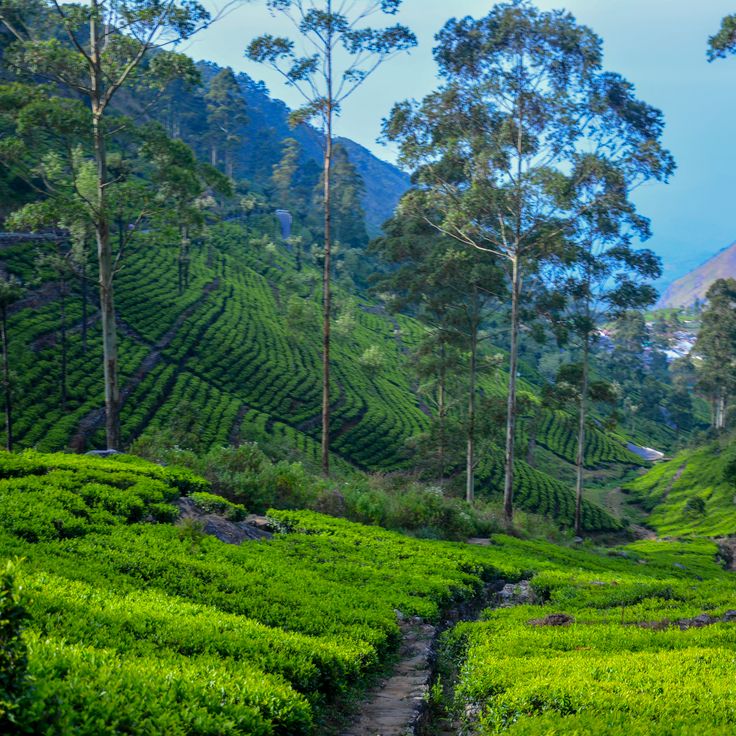
Tea plantations and forest reserves illustrate Sri Lanka's agricultural and botanical character. Lipton's Seat overlooks rolling tea gardens in the highlands, while Sinharaja Forest Reserve protects lowland rainforest. Botanical gardens like Mirijjawila display cultivated plant collections. From Ella Rock's viewpoint to the Nine Arches Bridge's arched spans, from Pinnawala Elephant Orphanage to Viharamahadevi Park, the island presents layered stories of history, wildlife, and land shaped by human and natural forces.
Sri Lanka offers diverse photography sites spanning ancient fortresses, temples, and natural landscapes. Sigiriya Rock stands as a dramatic stone fortress surrounded by green valleys, while Polonnaruwa showcases ruins of an ancient kingdom. Buddhist temples like Dambulla Cave Temple and the Temple of the Sacred Tooth Relic in Kandy preserve centuries of religious art and sculpture. Galle Fort, with its colonial architecture, lines the southern coast, while Hindu temples such as Nallur Kandaswamy Temple reflect the island's religious diversity. Historic sites including Jaffna Fort, Royal Palace of Kandy, and Ruwanwelisaya Stupa document periods of settlement and worship across the island.
Nature lovers find abundant subjects in Sri Lanka's protected areas. Yala, Bundala, and Udawalawe National Parks are home to wild elephants, leopards, and other wildlife in open habitats. Adam's Peak draws photographers to its summit, while the Knuckles Mountain Range offers dense forest scenery and hiking trails. Waterfalls such as Ravana Falls and Devon Falls cascade through lush terrain. Coastal locations range from Mirissa Beach and Arugam Bay to quieter stretches at Hikkaduwa and Bentota, while lagoons like Batticaloa showcase wetland ecosystems.
Tea plantations and forest reserves illustrate Sri Lanka's agricultural and botanical character. Lipton's Seat overlooks rolling tea gardens in the highlands, while Sinharaja Forest Reserve protects lowland rainforest. Botanical gardens like Mirijjawila display cultivated plant collections. From Ella Rock's viewpoint to the Nine Arches Bridge's arched spans, from Pinnawala Elephant Orphanage to Viharamahadevi Park, the island presents layered stories of history, wildlife, and land shaped by human and natural forces.
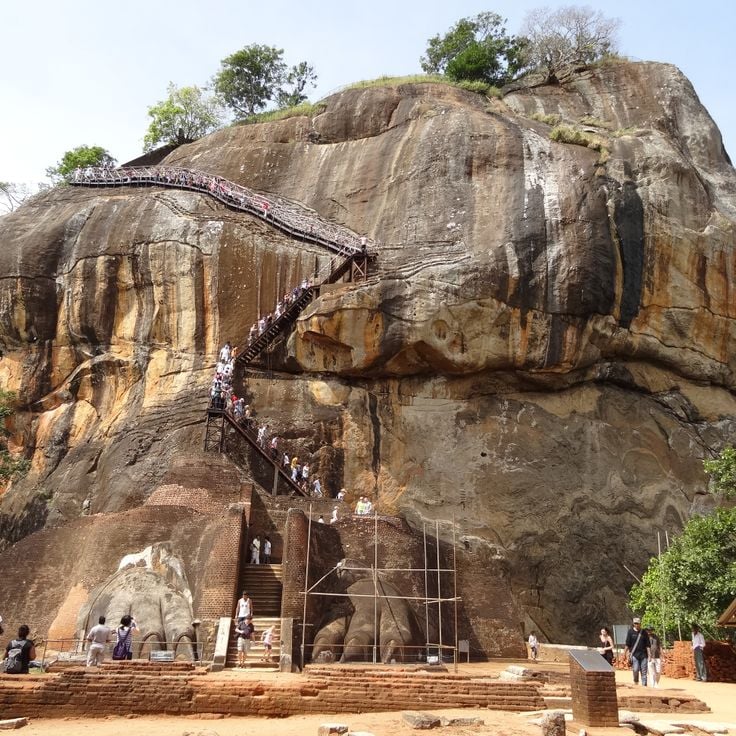
Sigiriya Rock Fortress is an excellent photography location for those interested in ancient fortresses and cultural landscapes. This fifth-century fortress rises 200 meters above the surrounding plains and contains ancient gardens, frescoes and water pools that reflect the architecture and craftsmanship of the era. Set within green landscapes and close to national parks where elephants and leopards roam, this site offers rewarding photographic opportunities within Sri Lanka's diverse range of historical monuments and natural settings.
Ella Rock is a popular hiking destination in Uva Province that rises to 1041 meters and offers views across the surrounding mountains and tea plantations of the highlands. This climb attracts photographers seeking to capture the green hills and the light that plays across the region throughout the day.
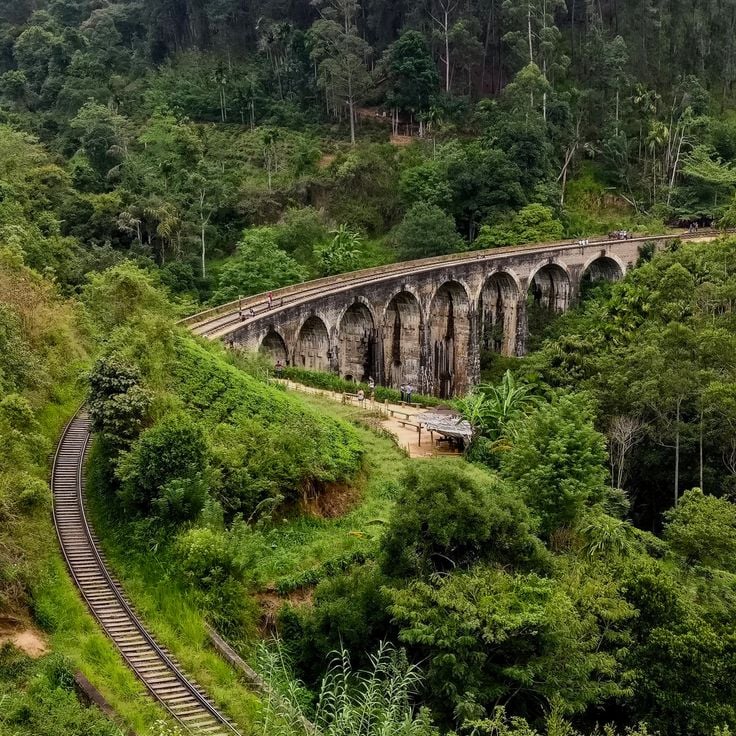
This stone railway bridge built in 1921 is an important photography location in Sri Lanka. With its nine granite arches spanning a deep valley, it demonstrates the engineering skill of the colonial period. The bridge offers photographers compelling perspectives through its structure and surrounding landscape. Located in the mountain region, it provides striking photographs, especially when trains cross it or during different lighting conditions.
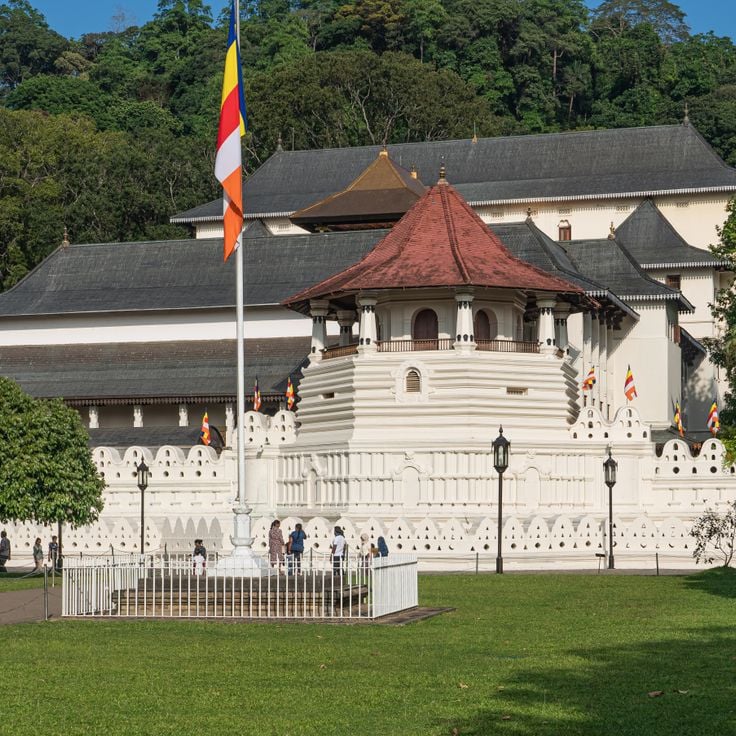
The Temple of the Sacred Tooth Relic is a Buddhist complex built in the 16th century that houses one of Buddhism's most revered artifacts. A tooth of Buddha is preserved in a golden shrine, where worshippers leave ceremonial offerings. This temple serves as a key photography location for capturing the religious and cultural practices of Sri Lanka.
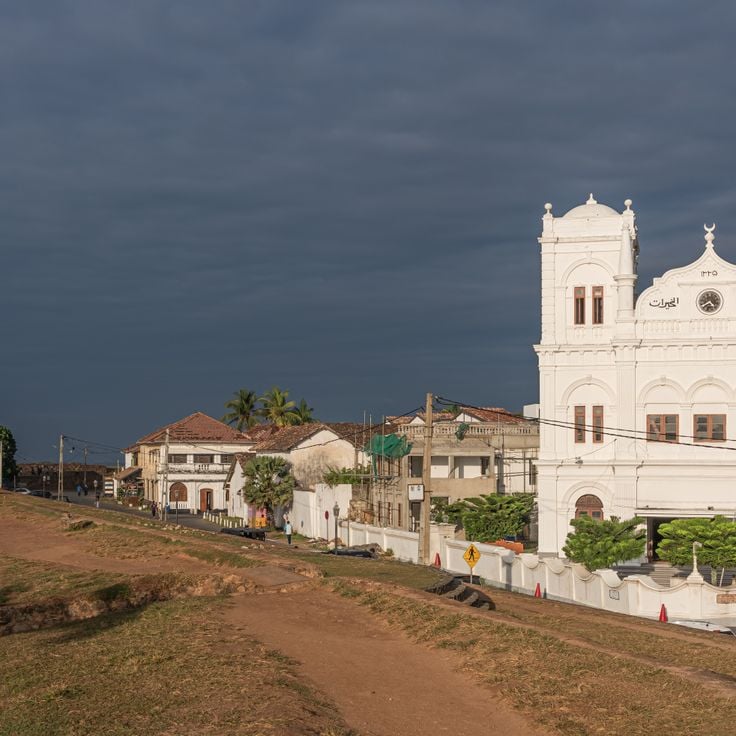
Galle Fort is a 16th century Portuguese fortification in Sri Lanka's southern province. This location serves photographers with its historic buildings, churches, and lighthouse overlooking the Indian Ocean. The fort exemplifies colonial architecture and provides views of coastal landscapes along with insight into the country's cultural heritage.
Horton Plains National Park is one of Sri Lanka's diverse photography locations, offering natural settings at 2100 meters elevation. The park is home to sambar deer, clouded leopards, and numerous plant species found nowhere else. This high-altitude reserve complements other photo sites across the country, from ancient fortresses and Buddhist temples to coastal structures and forest reserves.
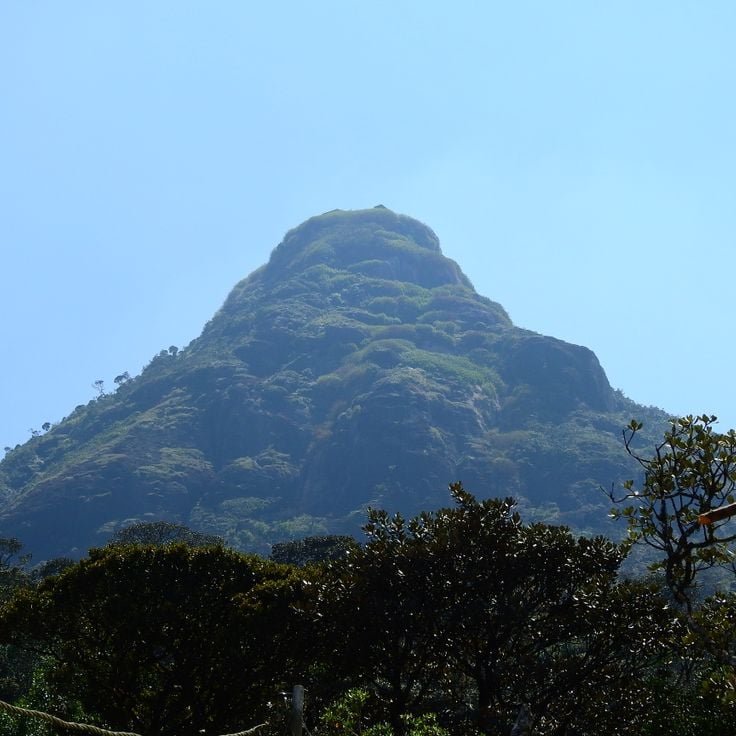
Adam's Peak in Sabaragamuwa Province is a 2243-meter mountain that attracts photographers with its steep stairway and sacred footprint at the summit. The mountain plays a central role in Sri Lanka's religious landscape and offers opportunities to photograph spiritual practice against a natural mountain backdrop. The many pilgrims who climb annually create scenes of religious life amid the country's green highlands.
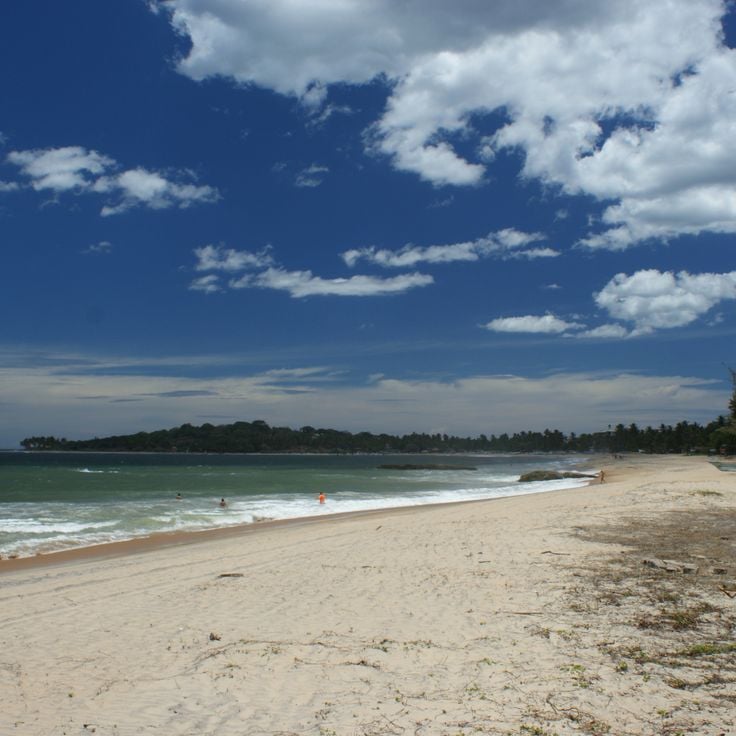
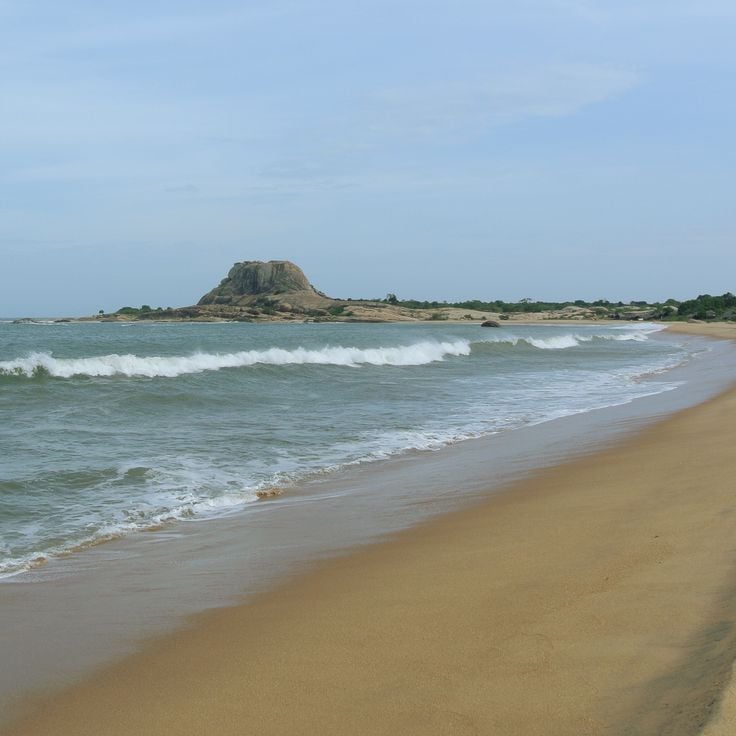
Arugam Bay offers excellent conditions for photographers capturing surfers and coastal landscapes. The bay is known for its consistent waves from May to October and its wide sandy beach. The location shows how fishing communities and water sports enthusiasts share the shoreline, along with the natural beauty of Sri Lanka's eastern coast.
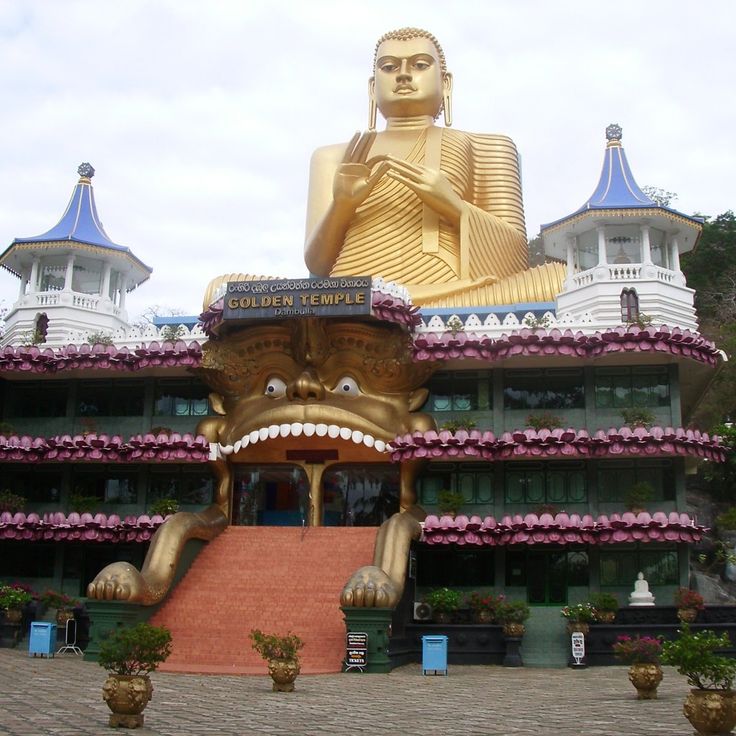
Dambulla Cave Temple is a Buddhist sacred site dating from the 1st century BC that documents religious craftsmanship in Sri Lanka. The temple consists of five interconnected caves containing 157 statues and wall paintings. These artworks span across a large surface and reflect artistic traditions from different periods. Photographers find here an important example of Buddhist architecture and religious expression. The site combines natural cave formations with human creation and is part of Sri Lanka's range of religious monuments, from temples to ancient fortresses, offering diverse subjects for photography.
Mirissa Beach is an important location for photographers documenting marine life and coastal environments in Sri Lanka. This southern coast beach offers opportunities to photograph blue whale watching activities between November and April. The sandy shore stretches for about 2 kilometers and displays the country's natural coastal landscape. This spot complements other photography sites across Sri Lanka, from ancient fortresses to national parks.
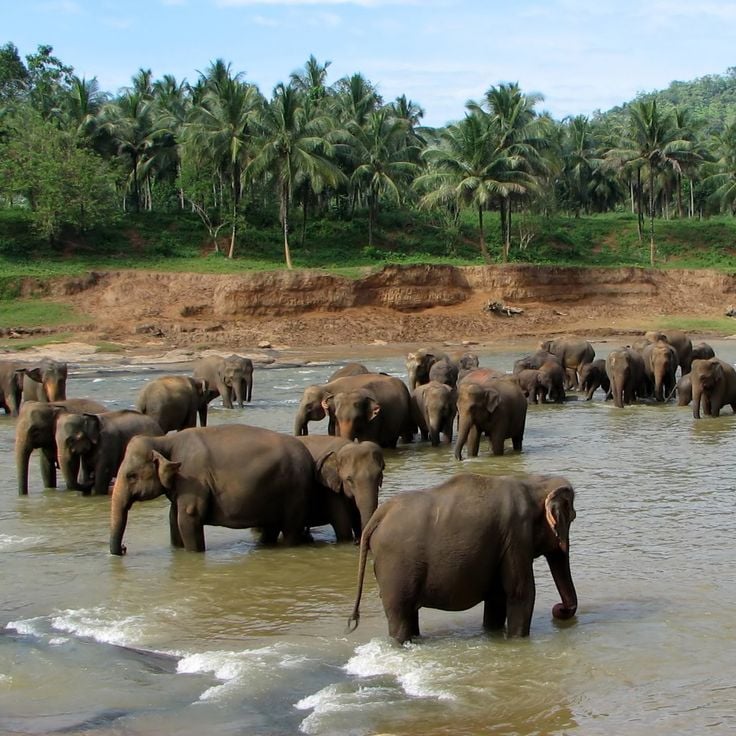
Pinnawala Elephant Orphanage is a facility in Sabaragamuwa Province that provides medical care, food and protection for abandoned and injured elephants from across Sri Lanka. As a photography location within this collection of Sri Lankan sites, it offers opportunities to document these large animals in their daily routines, from feeding to bathing in rivers. The orphanage presents a different kind of subject than the country's temples and fortresses, showing the relationship between people and wildlife in a setting dedicated to rescue and care.
Yala National Park is the largest national park in Sri Lanka and offers photographers opportunities to capture leopards, elephants, crocodiles, and over 200 bird species in their natural setting. This park fits into the country's diverse photography sites, ranging from ancient fortresses to coastal colonial structures and mountain landscapes. The park provides natural settings for wildlife and landscape photography.
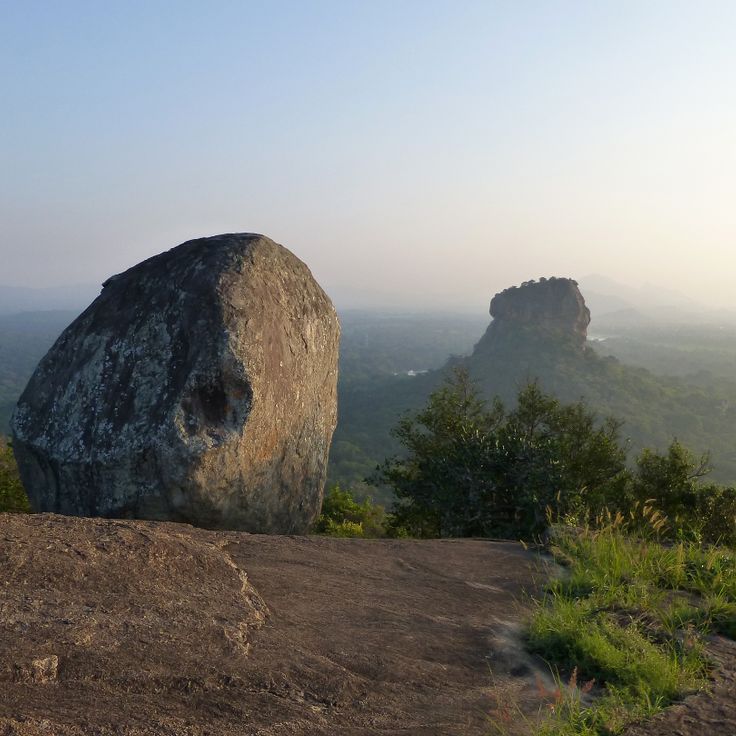
Pidurangala Rock is a granite formation standing next to the ancient Sigiriya fortress, offering 360-degree views across the surrounding region. As a photography location in Sri Lanka, this site allows you to document natural stone formations alongside historical architecture and green landscapes that represent the country's diverse photographic opportunities.
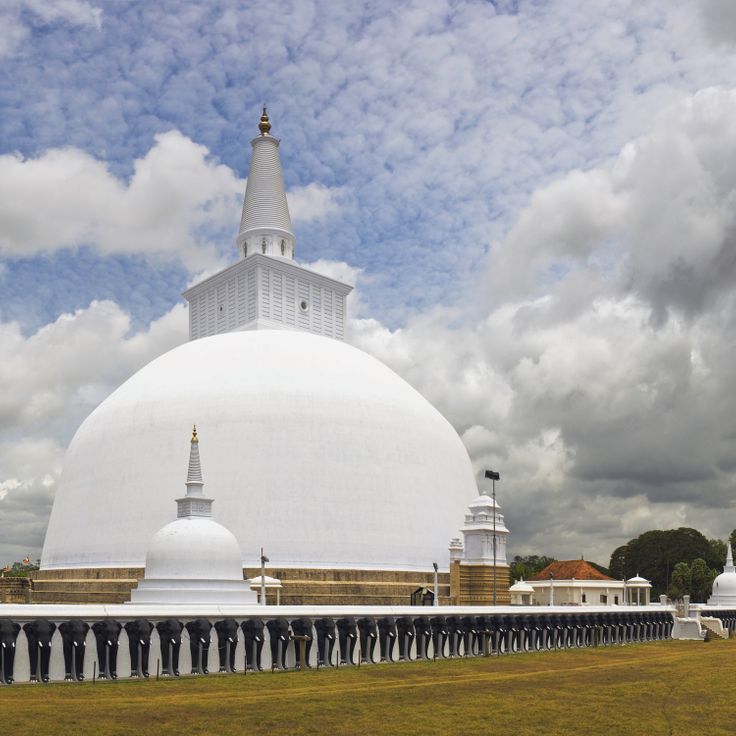
Ruwanwelisaya Stupa is a Buddhist shrine from the 2nd century BC located in Sri Lanka's North Central Province. This ancient stone structure represents the religious monuments that define the country's spiritual heritage. As a photography location, the stupa shows Buddhist architecture and the devotion of centuries past. Its large domed form and surrounding gardens provide varied angles for photographs, with the light changing throughout the day to create different moods.
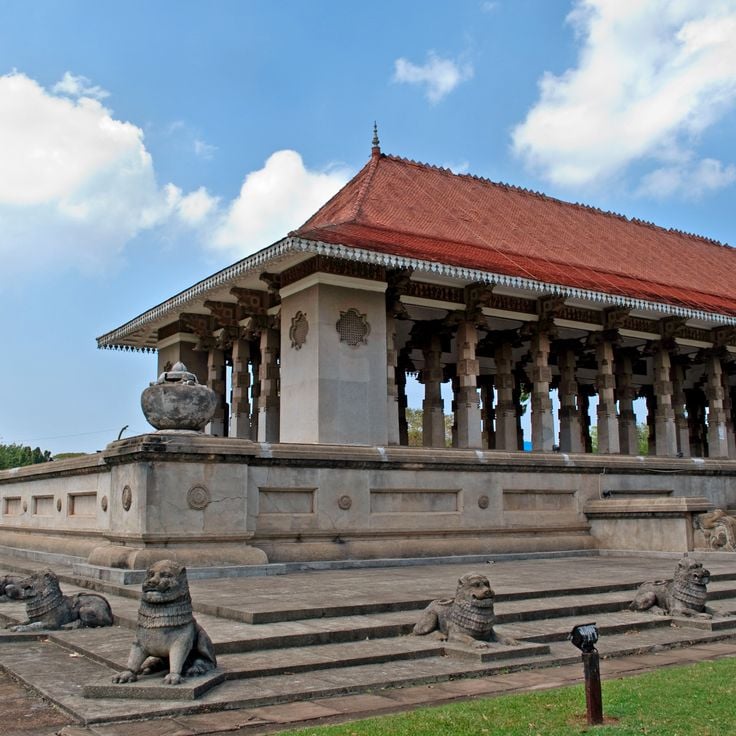
Independence Memorial Hall is a historic columned building constructed in 1948 that marks the transition from British colonial administration to national sovereignty. As part of Sri Lanka's diverse photography locations, this building stands alongside ancient fortresses, Buddhist temples, and colonial structures such as Galle Fort. It represents a pivotal moment in the country's history and offers photographers the opportunity to capture architectural details that reflect this period of change.
Bundala National Park is a protected area in the southern province that houses lagoons and mangrove forests. The park provides habitat for flamingos, pelicans and over 200 other bird species. As a photography location, this park offers the chance to photograph water birds in their natural setting and document the coastal landscape of Sri Lanka.
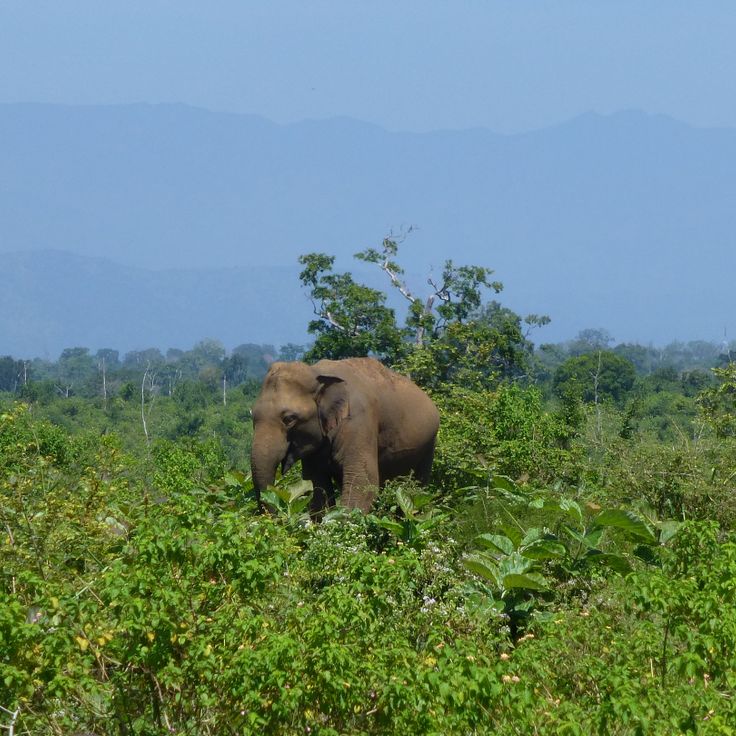
Udawalawe National Park is a key photography location for capturing wildlife in their natural habitat. This nature reserve in Sri Lanka is home to wild elephants, birds, crocodiles, and water buffaloes across grassland landscapes. The park offers excellent opportunities to document the country's fauna and explore open natural settings.
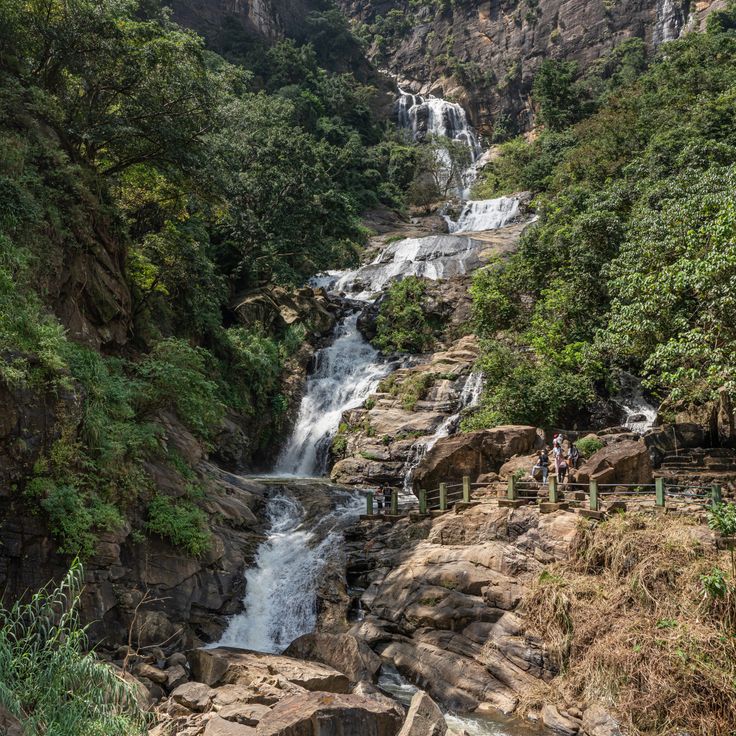
Ravana Falls is a waterfall located in Uva Province and serves as a photography location among Sri Lanka's diverse natural sites. The waterfall cascades over rock formations and is framed by tropical vegetation and mountain slopes. This location offers natural settings similar to other waterfalls found throughout the country and provides opportunities to capture landscape photography.
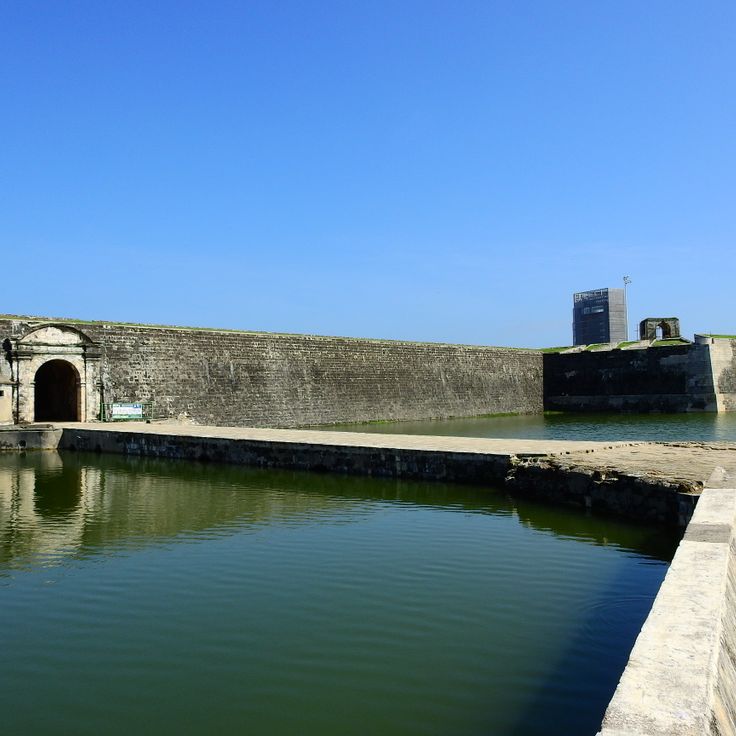
Jaffna Fort is a 17th-century Portuguese fortification and an important photography location in Sri Lanka. The structure displays colonial military architecture with substantial walls and a surrounding moat. Located in the Northern Province, this fort offers views of historical construction techniques and design from the era of European occupation. Photographers can capture both the architectural details and the landscape surrounding this historical site.
Hikkaduwa Beach in Sri Lanka's Southern Province offers photographers a coastal setting within the country's diverse range of natural and cultural sites. The beach features coral reefs where visitors can snorkel and observe marine life in clear waters. This sandy stretch provides opportunities to capture both the underwater world and coastal landscapes, complementing the photography of ancient fortresses, temples, and national parks found throughout Sri Lanka.
Polonnaruwa Ancient City is a medieval capital featuring Buddhist temples, statues, palaces, and a sophisticated irrigation system dating from the 12th century. For photographers documenting historical sites in Sri Lanka, this location offers both architectural details and landscapes with ancient water management systems that reveal the engineering skill of its time.
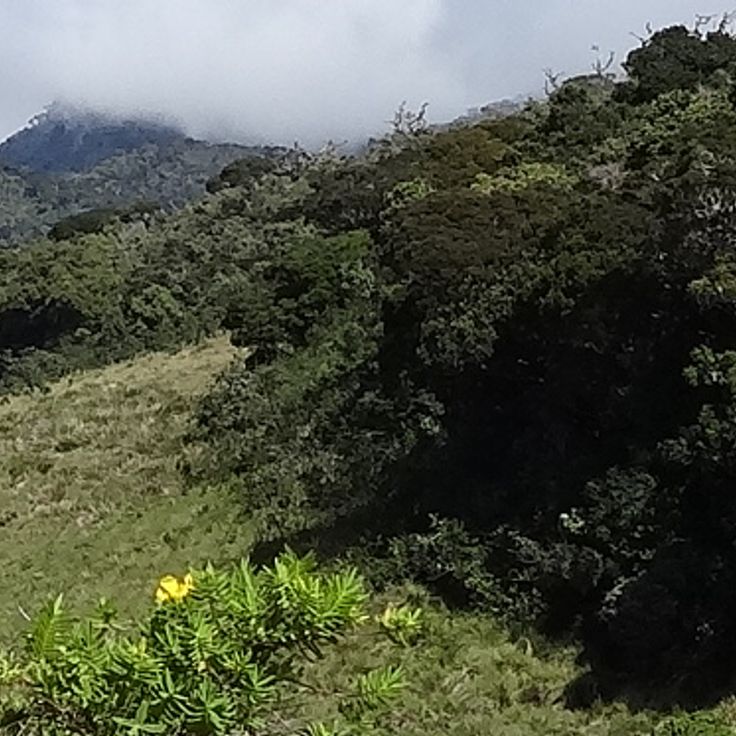
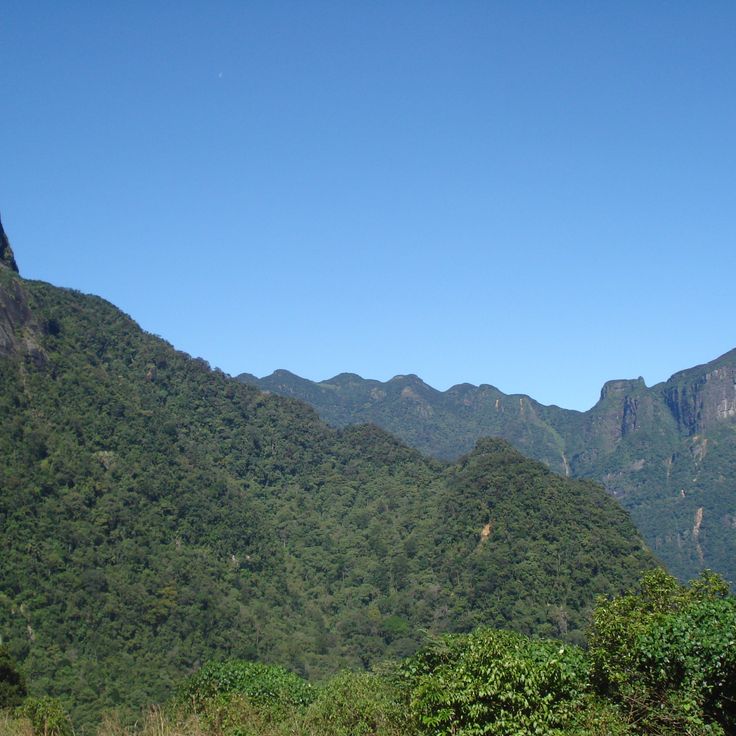
Knuckles Mountain Range in Sri Lanka's Central Province provides varied photography opportunities across mountain landscapes and nature. With 34 peaks ranging from 900 to 2000 meters in elevation, this mountain range displays dramatic terrain and lush vegetation. The range is home to over 1000 plant species, making it an important location for documenting flora diversity. Photographers find mist rolling through valleys, waterfalls cascading down slopes, and dense forests that define mountain regions of Sri Lanka.
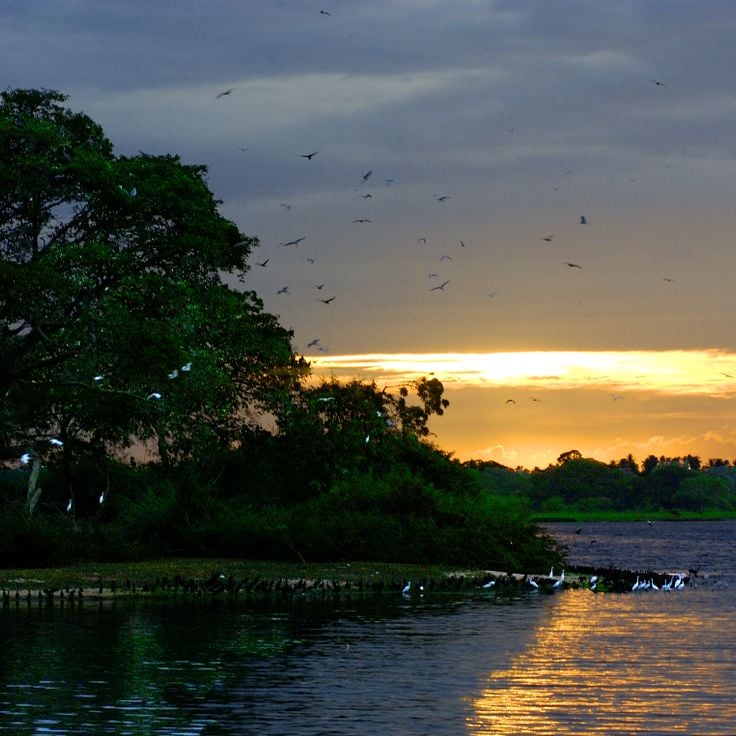
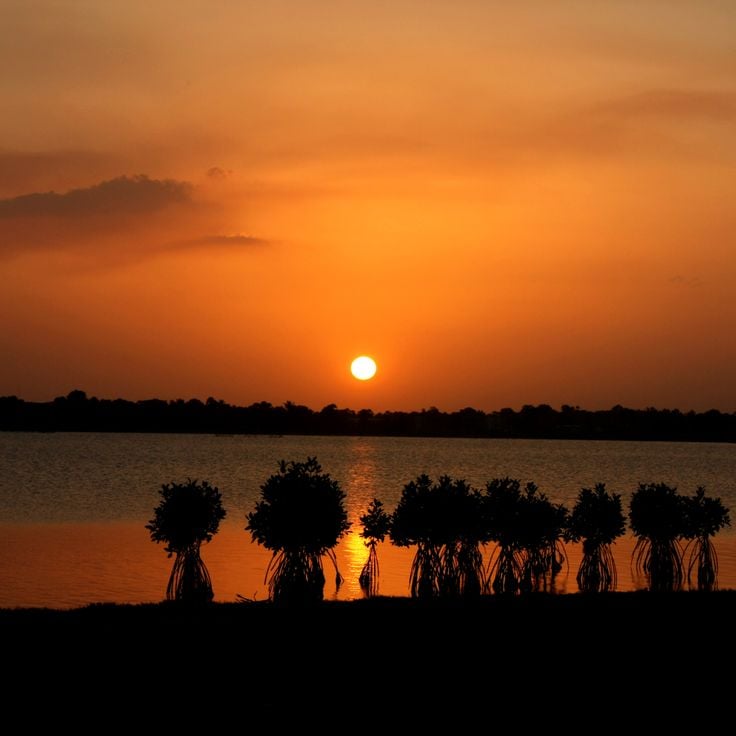
This lagoon in the Eastern Province is a water body where visitors can take boat rides, fish, and watch sunsets. The lagoon offers photography opportunities of water, sky, and the local landscape. It represents the natural settings found across Sri Lanka's diverse photography locations, which range from ancient fortresses to national parks. This water body captures the country's natural character.
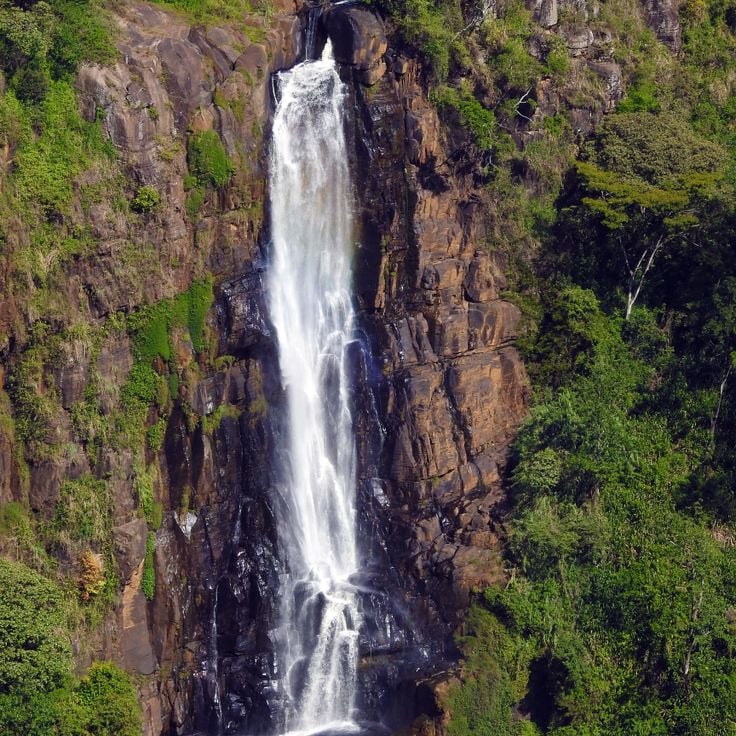
Devon Falls is located in the Central Province and drops 97 meters over multiple rocky ledges. These waterfalls stand amid large tea plantations and offer photographers a combination of flowing water and vegetation that is typical of Sri Lanka's natural landscape. The location shows how water moves through mountainous terrain and creates patterns in the surrounding environment.
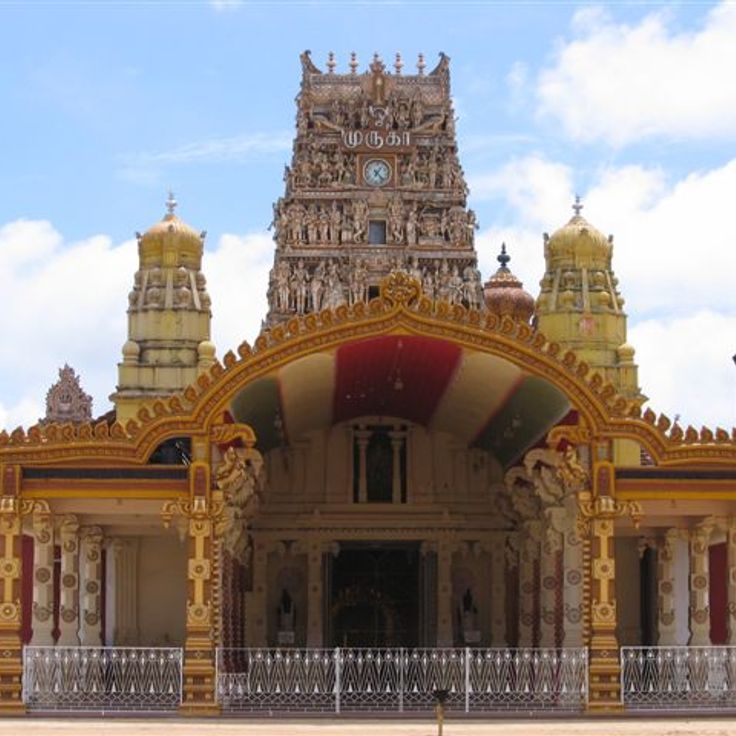
Nallur Kandaswamy Temple is the largest Hindu temple in Jaffna, featuring red and white striped exterior walls and four entrance gates. As one of Sri Lanka's most important Hindu shrines, it offers photographers architectural details and religious artwork that reflect the cultural and spiritual heritage of the region.
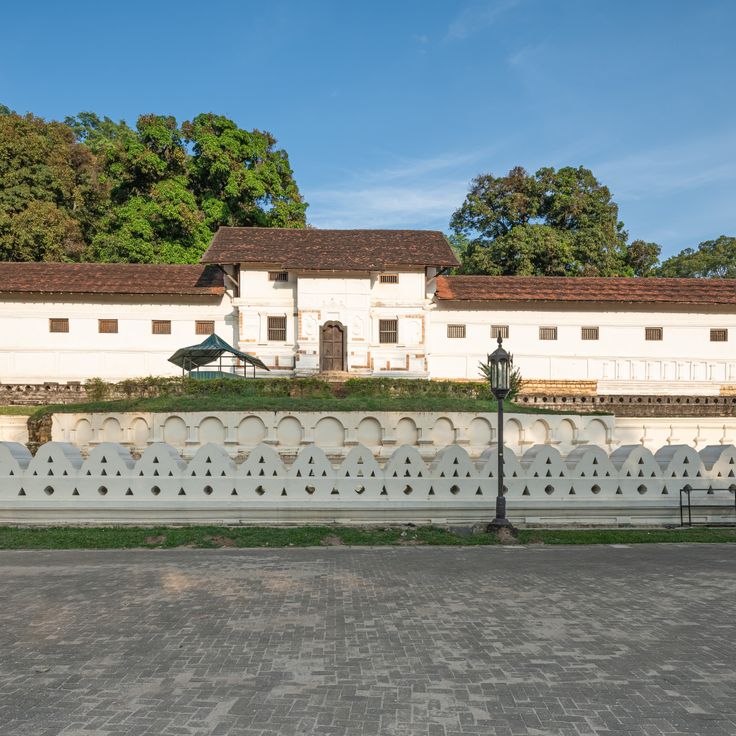
The Royal Palace of Kandy is a 14th century royal complex and one of Sri Lanka's key photography locations. It houses the Temple of the Tooth, one of Buddhism's holiest sites, which contains a sacred relic revered by devotees. The complex also includes the National Museum, displaying religious artifacts, royal regalia, and historical objects. Situated in the green highlands of the Central Province, the palace showcases traditional architecture and the spiritual life surrounding these sacred spaces. Photographers can capture the intricate details of the temple, the devotional activities of visitors, and the cultural atmosphere of this important religious center.
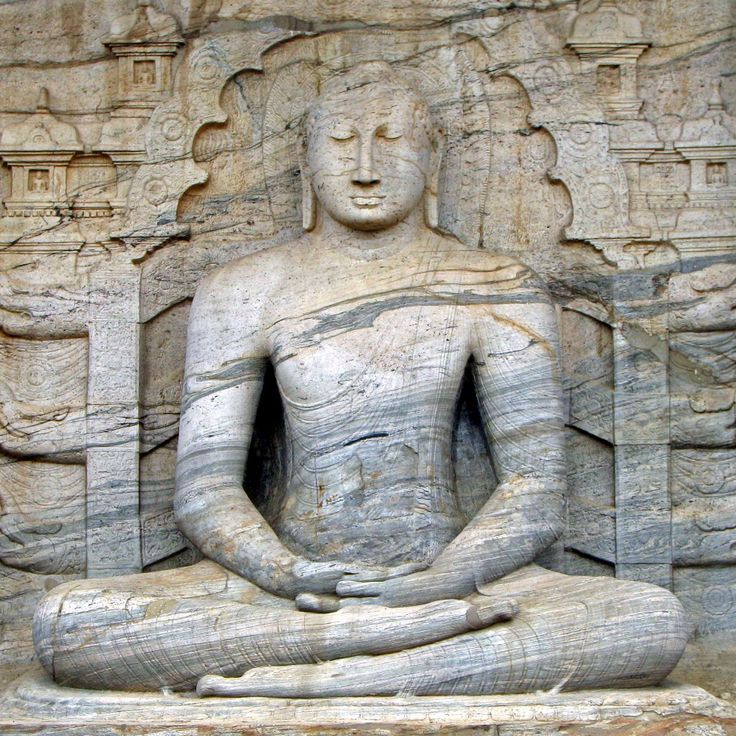
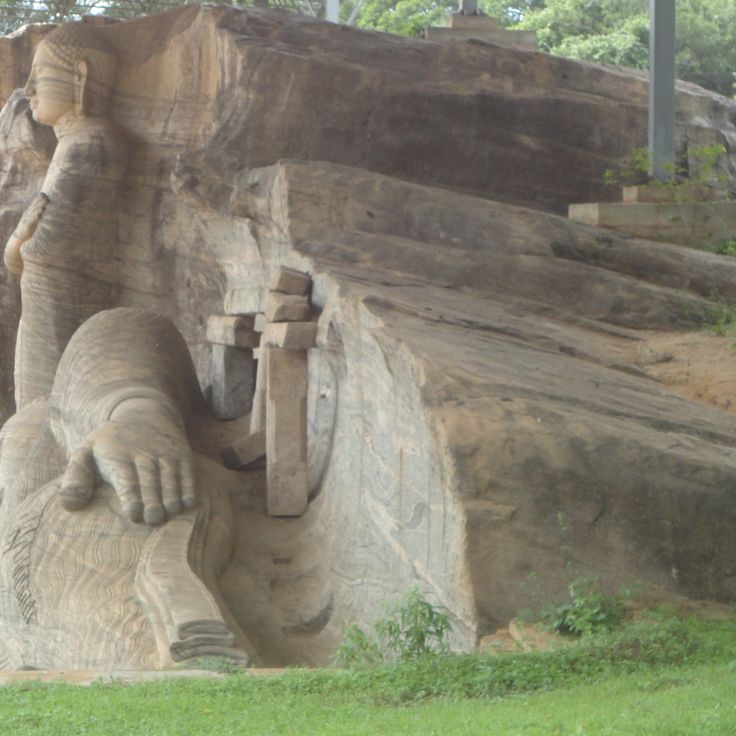
Gal Vihara is a Buddhist temple complex from the 12th century and represents one of Sri Lanka's photography locations that showcases religious craftsmanship. The site features four monumental statues carved directly from a granite rock wall. This is an important example of the skilled stonework and spiritual traditions visible in Sri Lanka's sacred monuments.
Mirijjawila Botanical Garden in the Southern Province showcases a collection of tropical plant species arranged in distinct sections connected by pathways and dotted with benches. As a photography location in Sri Lanka, this garden provides excellent opportunities to capture the island's diverse flora. Visitors can walk through planted areas and observe the variety of vegetation up close. The garden serves as a peaceful setting for photographing plants and exploring the natural diversity of the region.
Lipton's Seat is an observation point in Uva Province where photographers can capture the tea plantations that define Sri Lanka's hill country. Located at 1970 meters elevation, this site takes its name from Sir Thomas Lipton, a former tea estate owner. The view from this vantage point shows rolling green slopes and distant valleys, making it an important location for documenting the agricultural landscape and natural beauty of the region.
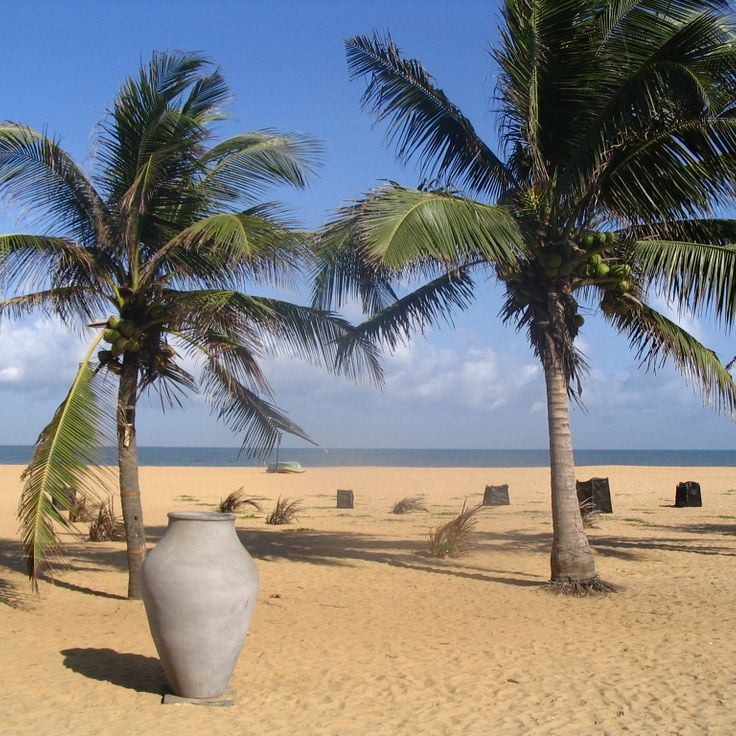
Negombo Beach displays the daily life of fishermen with their boats and nets along this three kilometer coastal strip north of Colombo. For photography, the beach offers views of traditional fishing methods, local work routines, and waterfront activity that reflect the working life of the Western Province.
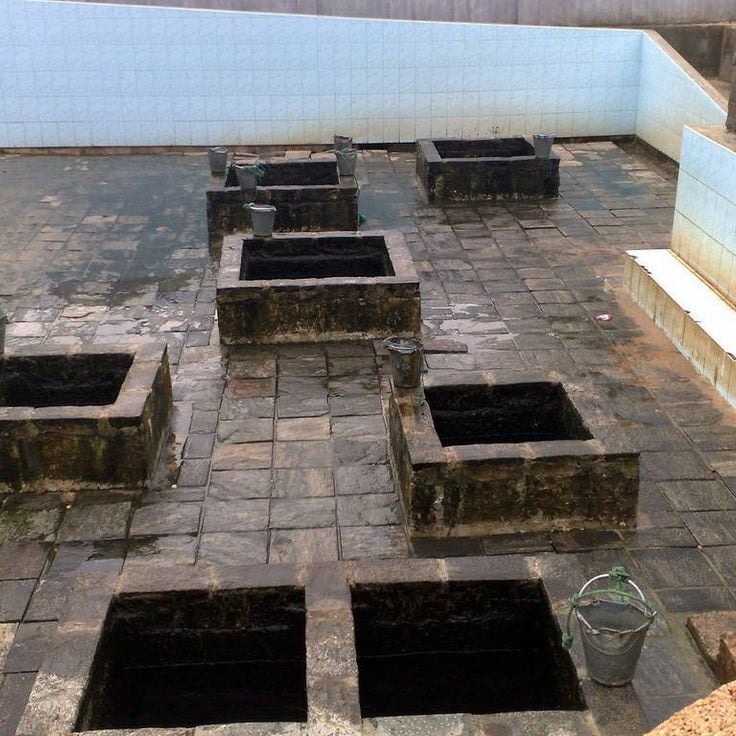
Kanniya Hot Springs is a thermal area in the Eastern Province featuring seven stone wells fed by underground springs with water temperature of 42 degrees Celsius. The mineral-rich water of these springs has been used in traditional healing practices for generations. The site offers photographers a chance to capture natural geothermal phenomena and document the relationship between the landscape and local wellness traditions.
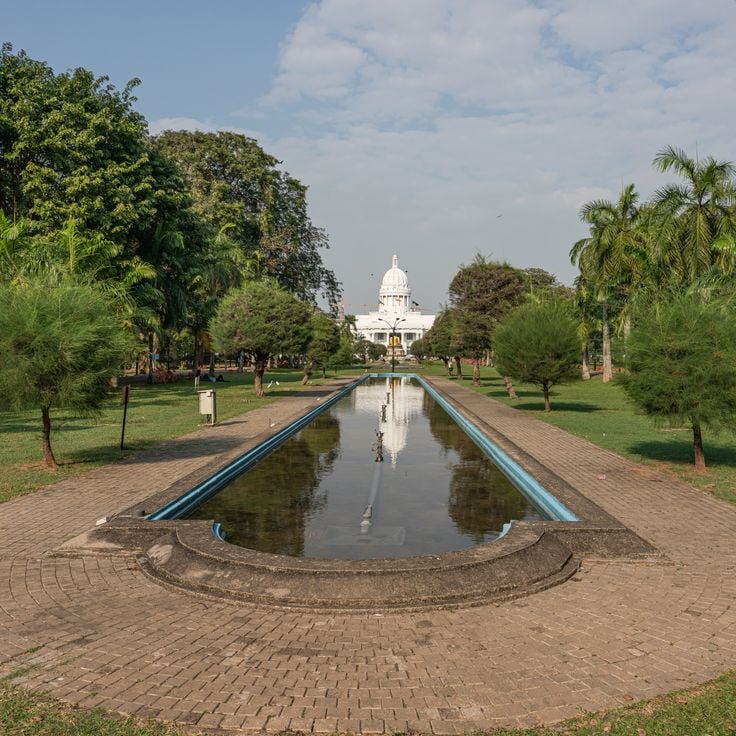
Viharamahadevi Park is a green space in central Colombo featuring grass areas, century-old trees, and several lakes. This park provides photography locations within the city where nature and urban life intersect. The mature trees and calm waters create scenes that show how the city incorporates natural elements into its landscape.
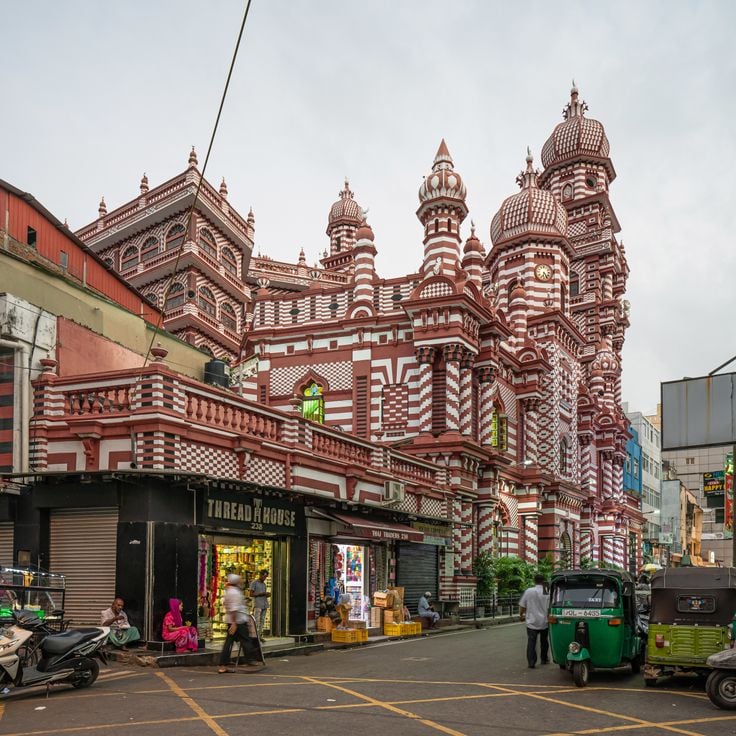
This mosque represents the religious diversity found throughout Sri Lanka's photography locations. The Red Mosque stands in Colombo's commercial Pettah district and displays a distinctive facade with alternating red and white stripes. As a place of worship, it contrasts with the country's Buddhist temples and ancient monuments, offering photographers a view of the urban architecture and cultural landscape that exists alongside Sri Lanka's more famous fortresses and natural sites.
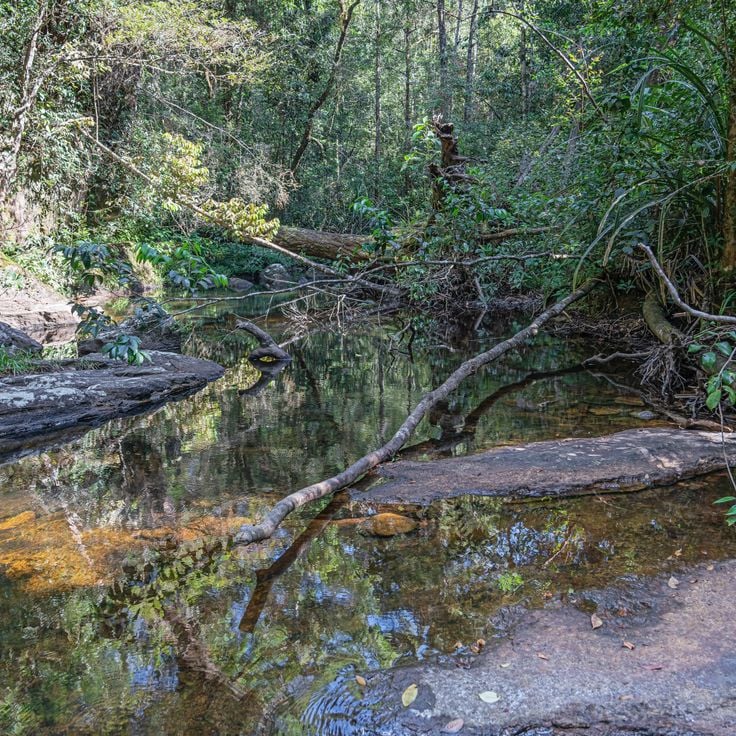
This forest reserve in southern Sri Lanka is a tropical rainforest and an important location for photographers seeking to document the country's natural diversity. The forest houses numerous plant and animal species found nowhere else and holds UNESCO Natural Heritage status. The dense vegetation, variety of bird species, and the humid forest environment offer rich opportunities for nature photography.
Kalpitiya Peninsula is a coastal region in northwestern Sri Lanka where visitors can photograph marine mammals in their natural setting. Dolphins and whales appear regularly in these waters, offering opportunities to capture ocean wildlife. The peninsula serves as an important location for nature photography within Sri Lanka's diverse collection of photography sites, from ancient monuments to wildlife habitats.
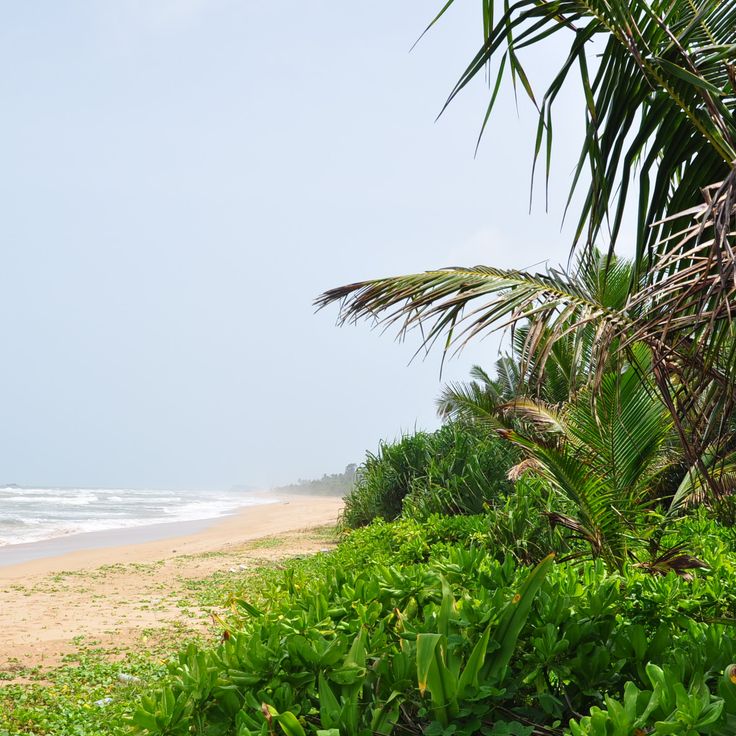
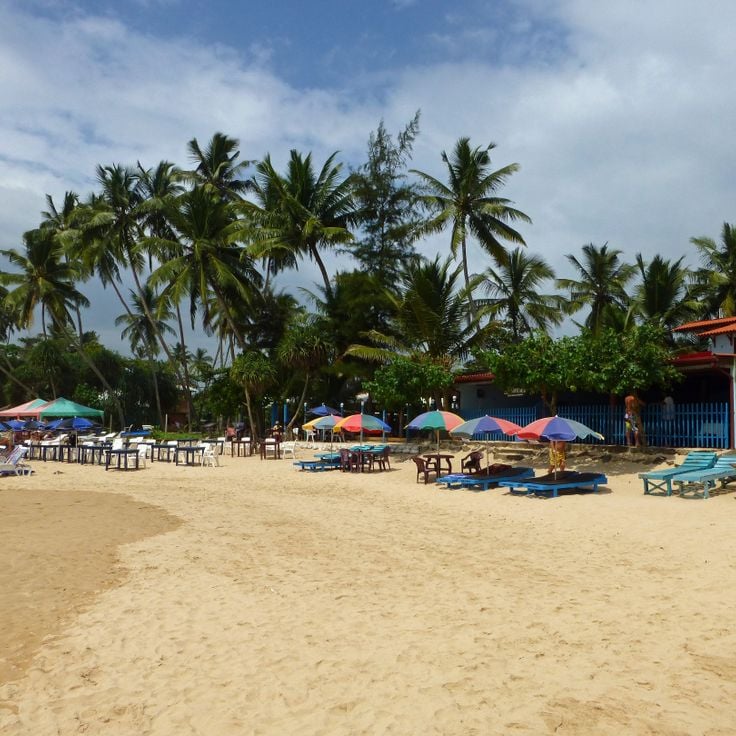
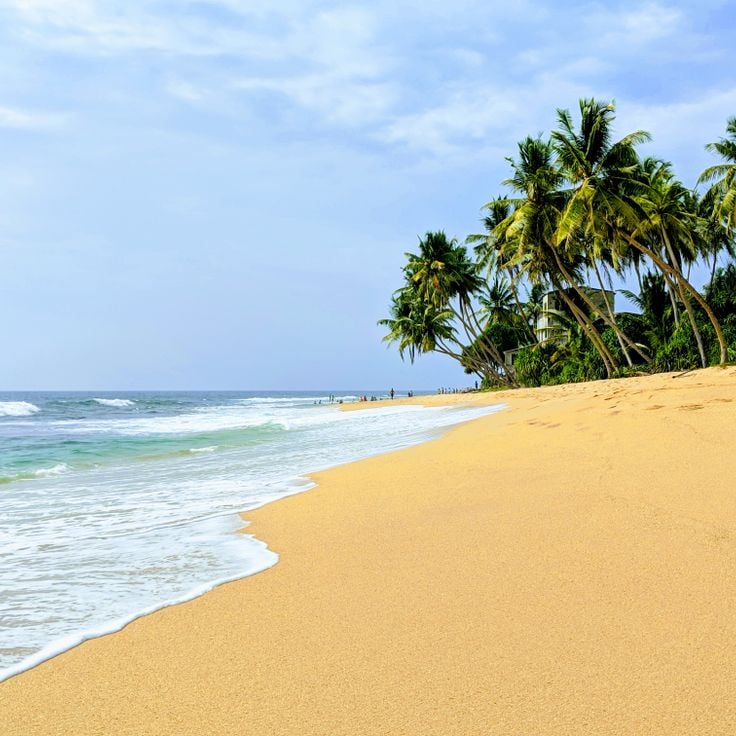
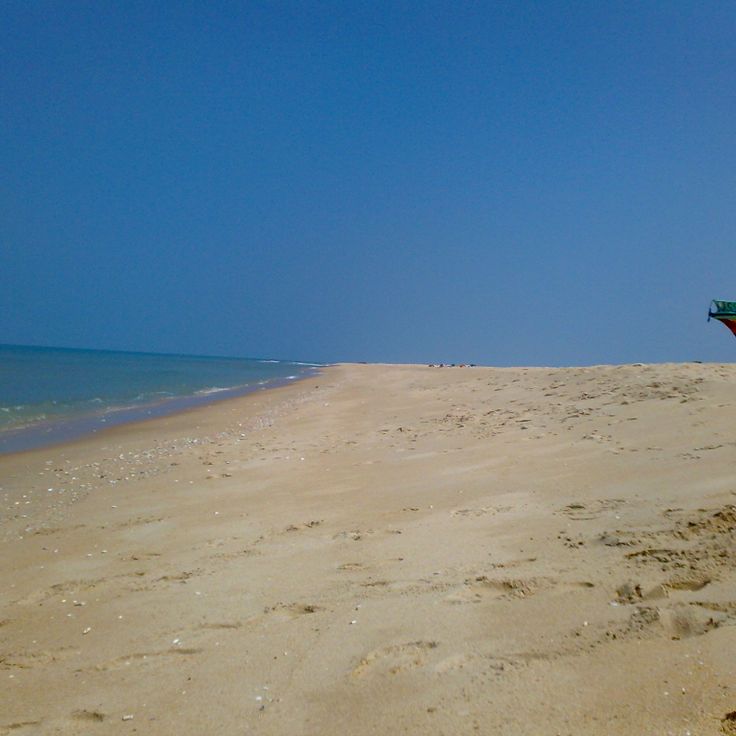
Bentota Beach is a photography location for those capturing Sri Lanka's coastal environments. The beach stretches along the Southern Province and offers views of the ocean, the river mouth, and local beach life. The sand, water, and surrounding vegetation create natural compositions. Locals and visitors gather here for swimming, surfing, and water sports. Light conditions change throughout the day, offering different opportunities for photographs from early morning through sunset.
Sigiriya Rock Fortress is an excellent photography location for those interested in ancient fortresses and cultural landscapes. This fifth-century fortress rises 200 meters above the surrounding plains and contains ancient gardens, frescoes and water pools that reflect the architecture and craftsmanship of the era. Set within green landscapes and close to national parks where elephants and leopards roam, this site offers rewarding photographic opportunities within Sri Lanka's diverse range of historical monuments and natural settings.
Ella Rock is a popular hiking destination in Uva Province that rises to 1041 meters and offers views across the surrounding mountains and tea plantations of the highlands. This climb attracts photographers seeking to capture the green hills and the light that plays across the region throughout the day.
This stone railway bridge built in 1921 is an important photography location in Sri Lanka. With its nine granite arches spanning a deep valley, it demonstrates the engineering skill of the colonial period. The bridge offers photographers compelling perspectives through its structure and surrounding landscape. Located in the mountain region, it provides striking photographs, especially when trains cross it or during different lighting conditions.
The Temple of the Sacred Tooth Relic is a Buddhist complex built in the 16th century that houses one of Buddhism's most revered artifacts. A tooth of Buddha is preserved in a golden shrine, where worshippers leave ceremonial offerings. This temple serves as a key photography location for capturing the religious and cultural practices of Sri Lanka.
Galle Fort is a 16th century Portuguese fortification in Sri Lanka's southern province. This location serves photographers with its historic buildings, churches, and lighthouse overlooking the Indian Ocean. The fort exemplifies colonial architecture and provides views of coastal landscapes along with insight into the country's cultural heritage.
Horton Plains National Park is one of Sri Lanka's diverse photography locations, offering natural settings at 2100 meters elevation. The park is home to sambar deer, clouded leopards, and numerous plant species found nowhere else. This high-altitude reserve complements other photo sites across the country, from ancient fortresses and Buddhist temples to coastal structures and forest reserves.
Adam's Peak in Sabaragamuwa Province is a 2243-meter mountain that attracts photographers with its steep stairway and sacred footprint at the summit. The mountain plays a central role in Sri Lanka's religious landscape and offers opportunities to photograph spiritual practice against a natural mountain backdrop. The many pilgrims who climb annually create scenes of religious life amid the country's green highlands.
Arugam Bay offers excellent conditions for photographers capturing surfers and coastal landscapes. The bay is known for its consistent waves from May to October and its wide sandy beach. The location shows how fishing communities and water sports enthusiasts share the shoreline, along with the natural beauty of Sri Lanka's eastern coast.
Dambulla Cave Temple is a Buddhist sacred site dating from the 1st century BC that documents religious craftsmanship in Sri Lanka. The temple consists of five interconnected caves containing 157 statues and wall paintings. These artworks span across a large surface and reflect artistic traditions from different periods. Photographers find here an important example of Buddhist architecture and religious expression. The site combines natural cave formations with human creation and is part of Sri Lanka's range of religious monuments, from temples to ancient fortresses, offering diverse subjects for photography.
Mirissa Beach is an important location for photographers documenting marine life and coastal environments in Sri Lanka. This southern coast beach offers opportunities to photograph blue whale watching activities between November and April. The sandy shore stretches for about 2 kilometers and displays the country's natural coastal landscape. This spot complements other photography sites across Sri Lanka, from ancient fortresses to national parks.
Pinnawala Elephant Orphanage is a facility in Sabaragamuwa Province that provides medical care, food and protection for abandoned and injured elephants from across Sri Lanka. As a photography location within this collection of Sri Lankan sites, it offers opportunities to document these large animals in their daily routines, from feeding to bathing in rivers. The orphanage presents a different kind of subject than the country's temples and fortresses, showing the relationship between people and wildlife in a setting dedicated to rescue and care.
Yala National Park is the largest national park in Sri Lanka and offers photographers opportunities to capture leopards, elephants, crocodiles, and over 200 bird species in their natural setting. This park fits into the country's diverse photography sites, ranging from ancient fortresses to coastal colonial structures and mountain landscapes. The park provides natural settings for wildlife and landscape photography.
Pidurangala Rock is a granite formation standing next to the ancient Sigiriya fortress, offering 360-degree views across the surrounding region. As a photography location in Sri Lanka, this site allows you to document natural stone formations alongside historical architecture and green landscapes that represent the country's diverse photographic opportunities.
Ruwanwelisaya Stupa is a Buddhist shrine from the 2nd century BC located in Sri Lanka's North Central Province. This ancient stone structure represents the religious monuments that define the country's spiritual heritage. As a photography location, the stupa shows Buddhist architecture and the devotion of centuries past. Its large domed form and surrounding gardens provide varied angles for photographs, with the light changing throughout the day to create different moods.
Independence Memorial Hall is a historic columned building constructed in 1948 that marks the transition from British colonial administration to national sovereignty. As part of Sri Lanka's diverse photography locations, this building stands alongside ancient fortresses, Buddhist temples, and colonial structures such as Galle Fort. It represents a pivotal moment in the country's history and offers photographers the opportunity to capture architectural details that reflect this period of change.
Bundala National Park is a protected area in the southern province that houses lagoons and mangrove forests. The park provides habitat for flamingos, pelicans and over 200 other bird species. As a photography location, this park offers the chance to photograph water birds in their natural setting and document the coastal landscape of Sri Lanka.
Udawalawe National Park is a key photography location for capturing wildlife in their natural habitat. This nature reserve in Sri Lanka is home to wild elephants, birds, crocodiles, and water buffaloes across grassland landscapes. The park offers excellent opportunities to document the country's fauna and explore open natural settings.
Ravana Falls is a waterfall located in Uva Province and serves as a photography location among Sri Lanka's diverse natural sites. The waterfall cascades over rock formations and is framed by tropical vegetation and mountain slopes. This location offers natural settings similar to other waterfalls found throughout the country and provides opportunities to capture landscape photography.
Jaffna Fort is a 17th-century Portuguese fortification and an important photography location in Sri Lanka. The structure displays colonial military architecture with substantial walls and a surrounding moat. Located in the Northern Province, this fort offers views of historical construction techniques and design from the era of European occupation. Photographers can capture both the architectural details and the landscape surrounding this historical site.
Hikkaduwa Beach in Sri Lanka's Southern Province offers photographers a coastal setting within the country's diverse range of natural and cultural sites. The beach features coral reefs where visitors can snorkel and observe marine life in clear waters. This sandy stretch provides opportunities to capture both the underwater world and coastal landscapes, complementing the photography of ancient fortresses, temples, and national parks found throughout Sri Lanka.
Polonnaruwa Ancient City is a medieval capital featuring Buddhist temples, statues, palaces, and a sophisticated irrigation system dating from the 12th century. For photographers documenting historical sites in Sri Lanka, this location offers both architectural details and landscapes with ancient water management systems that reveal the engineering skill of its time.
Knuckles Mountain Range in Sri Lanka's Central Province provides varied photography opportunities across mountain landscapes and nature. With 34 peaks ranging from 900 to 2000 meters in elevation, this mountain range displays dramatic terrain and lush vegetation. The range is home to over 1000 plant species, making it an important location for documenting flora diversity. Photographers find mist rolling through valleys, waterfalls cascading down slopes, and dense forests that define mountain regions of Sri Lanka.
This lagoon in the Eastern Province is a water body where visitors can take boat rides, fish, and watch sunsets. The lagoon offers photography opportunities of water, sky, and the local landscape. It represents the natural settings found across Sri Lanka's diverse photography locations, which range from ancient fortresses to national parks. This water body captures the country's natural character.
Devon Falls is located in the Central Province and drops 97 meters over multiple rocky ledges. These waterfalls stand amid large tea plantations and offer photographers a combination of flowing water and vegetation that is typical of Sri Lanka's natural landscape. The location shows how water moves through mountainous terrain and creates patterns in the surrounding environment.
Nallur Kandaswamy Temple is the largest Hindu temple in Jaffna, featuring red and white striped exterior walls and four entrance gates. As one of Sri Lanka's most important Hindu shrines, it offers photographers architectural details and religious artwork that reflect the cultural and spiritual heritage of the region.
The Royal Palace of Kandy is a 14th century royal complex and one of Sri Lanka's key photography locations. It houses the Temple of the Tooth, one of Buddhism's holiest sites, which contains a sacred relic revered by devotees. The complex also includes the National Museum, displaying religious artifacts, royal regalia, and historical objects. Situated in the green highlands of the Central Province, the palace showcases traditional architecture and the spiritual life surrounding these sacred spaces. Photographers can capture the intricate details of the temple, the devotional activities of visitors, and the cultural atmosphere of this important religious center.
Gal Vihara is a Buddhist temple complex from the 12th century and represents one of Sri Lanka's photography locations that showcases religious craftsmanship. The site features four monumental statues carved directly from a granite rock wall. This is an important example of the skilled stonework and spiritual traditions visible in Sri Lanka's sacred monuments.
Mirijjawila Botanical Garden in the Southern Province showcases a collection of tropical plant species arranged in distinct sections connected by pathways and dotted with benches. As a photography location in Sri Lanka, this garden provides excellent opportunities to capture the island's diverse flora. Visitors can walk through planted areas and observe the variety of vegetation up close. The garden serves as a peaceful setting for photographing plants and exploring the natural diversity of the region.
Lipton's Seat is an observation point in Uva Province where photographers can capture the tea plantations that define Sri Lanka's hill country. Located at 1970 meters elevation, this site takes its name from Sir Thomas Lipton, a former tea estate owner. The view from this vantage point shows rolling green slopes and distant valleys, making it an important location for documenting the agricultural landscape and natural beauty of the region.
Negombo Beach displays the daily life of fishermen with their boats and nets along this three kilometer coastal strip north of Colombo. For photography, the beach offers views of traditional fishing methods, local work routines, and waterfront activity that reflect the working life of the Western Province.
Kanniya Hot Springs is a thermal area in the Eastern Province featuring seven stone wells fed by underground springs with water temperature of 42 degrees Celsius. The mineral-rich water of these springs has been used in traditional healing practices for generations. The site offers photographers a chance to capture natural geothermal phenomena and document the relationship between the landscape and local wellness traditions.
Viharamahadevi Park is a green space in central Colombo featuring grass areas, century-old trees, and several lakes. This park provides photography locations within the city where nature and urban life intersect. The mature trees and calm waters create scenes that show how the city incorporates natural elements into its landscape.
This mosque represents the religious diversity found throughout Sri Lanka's photography locations. The Red Mosque stands in Colombo's commercial Pettah district and displays a distinctive facade with alternating red and white stripes. As a place of worship, it contrasts with the country's Buddhist temples and ancient monuments, offering photographers a view of the urban architecture and cultural landscape that exists alongside Sri Lanka's more famous fortresses and natural sites.
This forest reserve in southern Sri Lanka is a tropical rainforest and an important location for photographers seeking to document the country's natural diversity. The forest houses numerous plant and animal species found nowhere else and holds UNESCO Natural Heritage status. The dense vegetation, variety of bird species, and the humid forest environment offer rich opportunities for nature photography.
Kalpitiya Peninsula is a coastal region in northwestern Sri Lanka where visitors can photograph marine mammals in their natural setting. Dolphins and whales appear regularly in these waters, offering opportunities to capture ocean wildlife. The peninsula serves as an important location for nature photography within Sri Lanka's diverse collection of photography sites, from ancient monuments to wildlife habitats.
Bentota Beach is a photography location for those capturing Sri Lanka's coastal environments. The beach stretches along the Southern Province and offers views of the ocean, the river mouth, and local beach life. The sand, water, and surrounding vegetation create natural compositions. Locals and visitors gather here for swimming, surfing, and water sports. Light conditions change throughout the day, offering different opportunities for photographs from early morning through sunset.
Sigiriya Rock Fortress is an excellent photography location for those interested in ancient fortresses and cultural landscapes. This fifth-century fortress rises 200 meters above the surrounding plains and contains ancient gardens, frescoes and water pools that reflect the architecture and craftsmanship of the era. Set within green landscapes and close to national parks where elephants and leopards roam, this site offers rewarding photographic opportunities within Sri Lanka's diverse range of historical monuments and natural settings.
Ella Rock is a popular hiking destination in Uva Province that rises to 1041 meters and offers views across the surrounding mountains and tea plantations of the highlands. This climb attracts photographers seeking to capture the green hills and the light that plays across the region throughout the day.
This stone railway bridge built in 1921 is an important photography location in Sri Lanka. With its nine granite arches spanning a deep valley, it demonstrates the engineering skill of the colonial period. The bridge offers photographers compelling perspectives through its structure and surrounding landscape. Located in the mountain region, it provides striking photographs, especially when trains cross it or during different lighting conditions.
The Temple of the Sacred Tooth Relic is a Buddhist complex built in the 16th century that houses one of Buddhism's most revered artifacts. A tooth of Buddha is preserved in a golden shrine, where worshippers leave ceremonial offerings. This temple serves as a key photography location for capturing the religious and cultural practices of Sri Lanka.
Galle Fort is a 16th century Portuguese fortification in Sri Lanka's southern province. This location serves photographers with its historic buildings, churches, and lighthouse overlooking the Indian Ocean. The fort exemplifies colonial architecture and provides views of coastal landscapes along with insight into the country's cultural heritage.
Horton Plains National Park is one of Sri Lanka's diverse photography locations, offering natural settings at 2100 meters elevation. The park is home to sambar deer, clouded leopards, and numerous plant species found nowhere else. This high-altitude reserve complements other photo sites across the country, from ancient fortresses and Buddhist temples to coastal structures and forest reserves.
Adam's Peak in Sabaragamuwa Province is a 2243-meter mountain that attracts photographers with its steep stairway and sacred footprint at the summit. The mountain plays a central role in Sri Lanka's religious landscape and offers opportunities to photograph spiritual practice against a natural mountain backdrop. The many pilgrims who climb annually create scenes of religious life amid the country's green highlands.
Arugam Bay offers excellent conditions for photographers capturing surfers and coastal landscapes. The bay is known for its consistent waves from May to October and its wide sandy beach. The location shows how fishing communities and water sports enthusiasts share the shoreline, along with the natural beauty of Sri Lanka's eastern coast.
Dambulla Cave Temple is a Buddhist sacred site dating from the 1st century BC that documents religious craftsmanship in Sri Lanka. The temple consists of five interconnected caves containing 157 statues and wall paintings. These artworks span across a large surface and reflect artistic traditions from different periods. Photographers find here an important example of Buddhist architecture and religious expression. The site combines natural cave formations with human creation and is part of Sri Lanka's range of religious monuments, from temples to ancient fortresses, offering diverse subjects for photography.
Mirissa Beach is an important location for photographers documenting marine life and coastal environments in Sri Lanka. This southern coast beach offers opportunities to photograph blue whale watching activities between November and April. The sandy shore stretches for about 2 kilometers and displays the country's natural coastal landscape. This spot complements other photography sites across Sri Lanka, from ancient fortresses to national parks.
Pinnawala Elephant Orphanage is a facility in Sabaragamuwa Province that provides medical care, food and protection for abandoned and injured elephants from across Sri Lanka. As a photography location within this collection of Sri Lankan sites, it offers opportunities to document these large animals in their daily routines, from feeding to bathing in rivers. The orphanage presents a different kind of subject than the country's temples and fortresses, showing the relationship between people and wildlife in a setting dedicated to rescue and care.
Yala National Park is the largest national park in Sri Lanka and offers photographers opportunities to capture leopards, elephants, crocodiles, and over 200 bird species in their natural setting. This park fits into the country's diverse photography sites, ranging from ancient fortresses to coastal colonial structures and mountain landscapes. The park provides natural settings for wildlife and landscape photography.
Pidurangala Rock is a granite formation standing next to the ancient Sigiriya fortress, offering 360-degree views across the surrounding region. As a photography location in Sri Lanka, this site allows you to document natural stone formations alongside historical architecture and green landscapes that represent the country's diverse photographic opportunities.
Ruwanwelisaya Stupa is a Buddhist shrine from the 2nd century BC located in Sri Lanka's North Central Province. This ancient stone structure represents the religious monuments that define the country's spiritual heritage. As a photography location, the stupa shows Buddhist architecture and the devotion of centuries past. Its large domed form and surrounding gardens provide varied angles for photographs, with the light changing throughout the day to create different moods.
Independence Memorial Hall is a historic columned building constructed in 1948 that marks the transition from British colonial administration to national sovereignty. As part of Sri Lanka's diverse photography locations, this building stands alongside ancient fortresses, Buddhist temples, and colonial structures such as Galle Fort. It represents a pivotal moment in the country's history and offers photographers the opportunity to capture architectural details that reflect this period of change.
Bundala National Park is a protected area in the southern province that houses lagoons and mangrove forests. The park provides habitat for flamingos, pelicans and over 200 other bird species. As a photography location, this park offers the chance to photograph water birds in their natural setting and document the coastal landscape of Sri Lanka.
Udawalawe National Park is a key photography location for capturing wildlife in their natural habitat. This nature reserve in Sri Lanka is home to wild elephants, birds, crocodiles, and water buffaloes across grassland landscapes. The park offers excellent opportunities to document the country's fauna and explore open natural settings.
Ravana Falls is a waterfall located in Uva Province and serves as a photography location among Sri Lanka's diverse natural sites. The waterfall cascades over rock formations and is framed by tropical vegetation and mountain slopes. This location offers natural settings similar to other waterfalls found throughout the country and provides opportunities to capture landscape photography.
Jaffna Fort is a 17th-century Portuguese fortification and an important photography location in Sri Lanka. The structure displays colonial military architecture with substantial walls and a surrounding moat. Located in the Northern Province, this fort offers views of historical construction techniques and design from the era of European occupation. Photographers can capture both the architectural details and the landscape surrounding this historical site.
Hikkaduwa Beach in Sri Lanka's Southern Province offers photographers a coastal setting within the country's diverse range of natural and cultural sites. The beach features coral reefs where visitors can snorkel and observe marine life in clear waters. This sandy stretch provides opportunities to capture both the underwater world and coastal landscapes, complementing the photography of ancient fortresses, temples, and national parks found throughout Sri Lanka.
Polonnaruwa Ancient City is a medieval capital featuring Buddhist temples, statues, palaces, and a sophisticated irrigation system dating from the 12th century. For photographers documenting historical sites in Sri Lanka, this location offers both architectural details and landscapes with ancient water management systems that reveal the engineering skill of its time.
Knuckles Mountain Range in Sri Lanka's Central Province provides varied photography opportunities across mountain landscapes and nature. With 34 peaks ranging from 900 to 2000 meters in elevation, this mountain range displays dramatic terrain and lush vegetation. The range is home to over 1000 plant species, making it an important location for documenting flora diversity. Photographers find mist rolling through valleys, waterfalls cascading down slopes, and dense forests that define mountain regions of Sri Lanka.
This lagoon in the Eastern Province is a water body where visitors can take boat rides, fish, and watch sunsets. The lagoon offers photography opportunities of water, sky, and the local landscape. It represents the natural settings found across Sri Lanka's diverse photography locations, which range from ancient fortresses to national parks. This water body captures the country's natural character.
Devon Falls is located in the Central Province and drops 97 meters over multiple rocky ledges. These waterfalls stand amid large tea plantations and offer photographers a combination of flowing water and vegetation that is typical of Sri Lanka's natural landscape. The location shows how water moves through mountainous terrain and creates patterns in the surrounding environment.
Nallur Kandaswamy Temple is the largest Hindu temple in Jaffna, featuring red and white striped exterior walls and four entrance gates. As one of Sri Lanka's most important Hindu shrines, it offers photographers architectural details and religious artwork that reflect the cultural and spiritual heritage of the region.
The Royal Palace of Kandy is a 14th century royal complex and one of Sri Lanka's key photography locations. It houses the Temple of the Tooth, one of Buddhism's holiest sites, which contains a sacred relic revered by devotees. The complex also includes the National Museum, displaying religious artifacts, royal regalia, and historical objects. Situated in the green highlands of the Central Province, the palace showcases traditional architecture and the spiritual life surrounding these sacred spaces. Photographers can capture the intricate details of the temple, the devotional activities of visitors, and the cultural atmosphere of this important religious center.
Gal Vihara is a Buddhist temple complex from the 12th century and represents one of Sri Lanka's photography locations that showcases religious craftsmanship. The site features four monumental statues carved directly from a granite rock wall. This is an important example of the skilled stonework and spiritual traditions visible in Sri Lanka's sacred monuments.
Mirijjawila Botanical Garden in the Southern Province showcases a collection of tropical plant species arranged in distinct sections connected by pathways and dotted with benches. As a photography location in Sri Lanka, this garden provides excellent opportunities to capture the island's diverse flora. Visitors can walk through planted areas and observe the variety of vegetation up close. The garden serves as a peaceful setting for photographing plants and exploring the natural diversity of the region.
Lipton's Seat is an observation point in Uva Province where photographers can capture the tea plantations that define Sri Lanka's hill country. Located at 1970 meters elevation, this site takes its name from Sir Thomas Lipton, a former tea estate owner. The view from this vantage point shows rolling green slopes and distant valleys, making it an important location for documenting the agricultural landscape and natural beauty of the region.
Negombo Beach displays the daily life of fishermen with their boats and nets along this three kilometer coastal strip north of Colombo. For photography, the beach offers views of traditional fishing methods, local work routines, and waterfront activity that reflect the working life of the Western Province.
Kanniya Hot Springs is a thermal area in the Eastern Province featuring seven stone wells fed by underground springs with water temperature of 42 degrees Celsius. The mineral-rich water of these springs has been used in traditional healing practices for generations. The site offers photographers a chance to capture natural geothermal phenomena and document the relationship between the landscape and local wellness traditions.
Viharamahadevi Park is a green space in central Colombo featuring grass areas, century-old trees, and several lakes. This park provides photography locations within the city where nature and urban life intersect. The mature trees and calm waters create scenes that show how the city incorporates natural elements into its landscape.
This mosque represents the religious diversity found throughout Sri Lanka's photography locations. The Red Mosque stands in Colombo's commercial Pettah district and displays a distinctive facade with alternating red and white stripes. As a place of worship, it contrasts with the country's Buddhist temples and ancient monuments, offering photographers a view of the urban architecture and cultural landscape that exists alongside Sri Lanka's more famous fortresses and natural sites.
This forest reserve in southern Sri Lanka is a tropical rainforest and an important location for photographers seeking to document the country's natural diversity. The forest houses numerous plant and animal species found nowhere else and holds UNESCO Natural Heritage status. The dense vegetation, variety of bird species, and the humid forest environment offer rich opportunities for nature photography.
Kalpitiya Peninsula is a coastal region in northwestern Sri Lanka where visitors can photograph marine mammals in their natural setting. Dolphins and whales appear regularly in these waters, offering opportunities to capture ocean wildlife. The peninsula serves as an important location for nature photography within Sri Lanka's diverse collection of photography sites, from ancient monuments to wildlife habitats.
Bentota Beach is a photography location for those capturing Sri Lanka's coastal environments. The beach stretches along the Southern Province and offers views of the ocean, the river mouth, and local beach life. The sand, water, and surrounding vegetation create natural compositions. Locals and visitors gather here for swimming, surfing, and water sports. Light conditions change throughout the day, offering different opportunities for photographs from early morning through sunset.