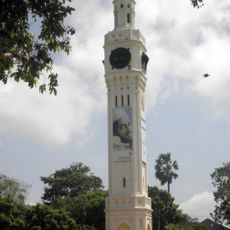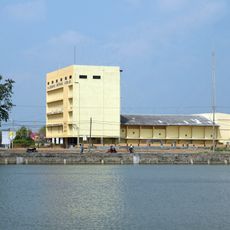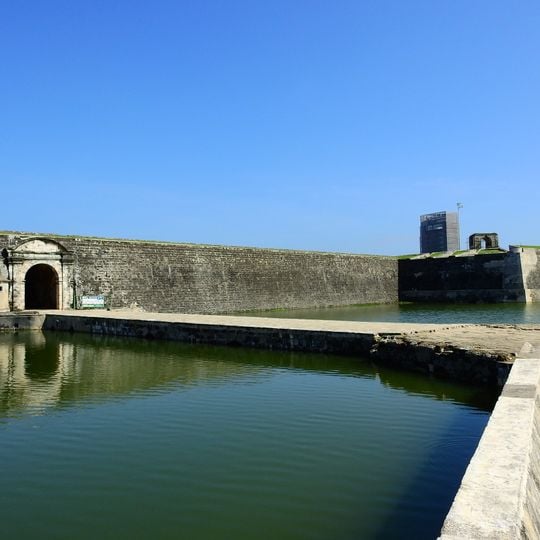
Jaffna Fort, Portuguese colonial fort in Jaffna, Sri Lanka
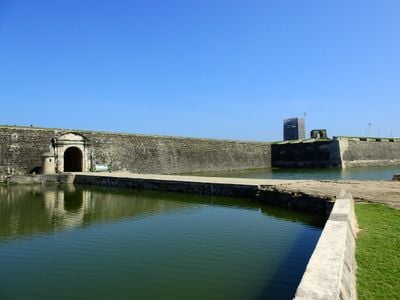
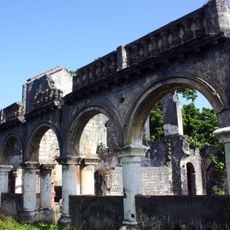
Jaffna Fort is a fortification with massive stone walls rising along the northern coast of Sri Lanka, featuring five entrance tunnels carved through the structure. The site contains ruins of residential buildings, a church, and military installations built across multiple centuries.
The fortification was built in the early 1600s by Portuguese colonists and later taken over by the Dutch before passing to British control. After Sri Lanka's independence, the site remained an important military installation for the nation.
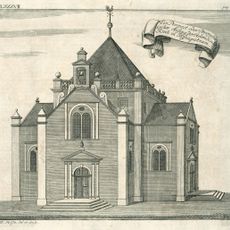
The Dutch renamed the site Fortress of Our Lady of Miracles of Jafanapatão after a statue of the Virgin Mary in a nearby church was credited with miracles. The fort's Kruys Church, governor's residence (King's House) and Queen's House are among the buildings still standing inside the ramparts.
The site is actively used by military forces and therefore not always freely accessible to tourists, so it's wise to verify current visiting conditions before traveling. Sturdy footwear is necessary as pathways cross over stone walls and uneven ground.
The LTTE held the fort from 1985 to 1995 and deliberately destroyed several key features to prevent the army from retaking it. The Sri Lanka Army recaptured the site in 1995 after a 50-day siege during Operation Riviresa. Renovation is now under way with Dutch funding.
The community of curious travelers
AroundUs brings together thousands of curated places, local tips, and hidden gems, enriched daily by 93,478 contributors worldwide.