Polonnaruwa, Ancient Buddhist capital in North Central Province, Sri Lanka
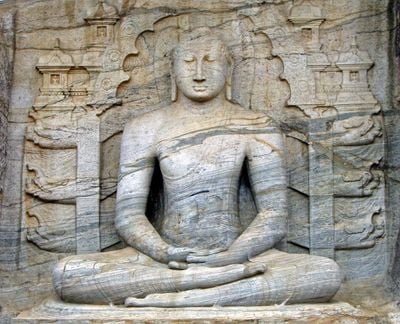
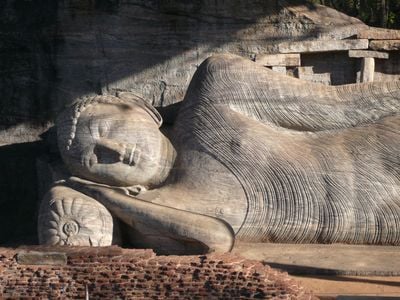
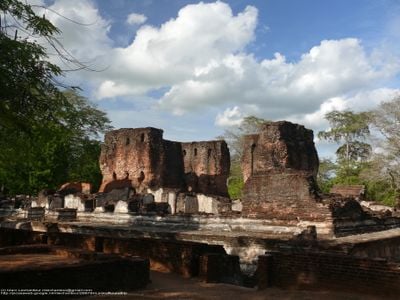
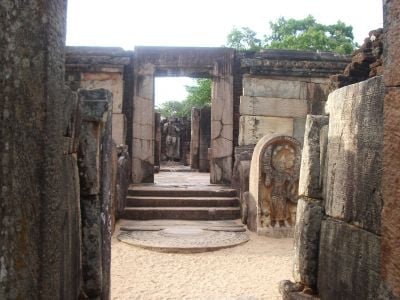
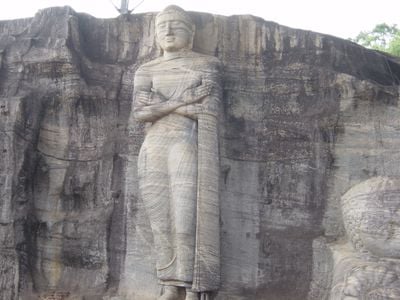
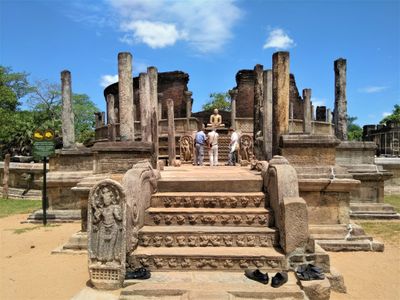
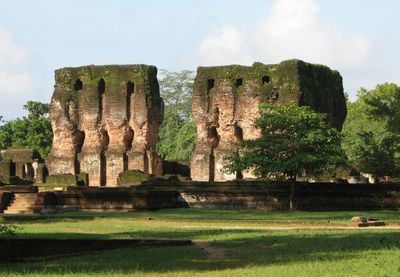
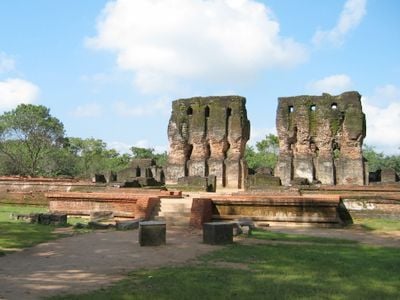
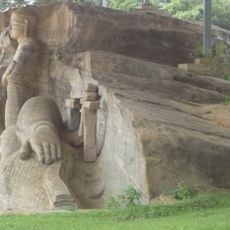
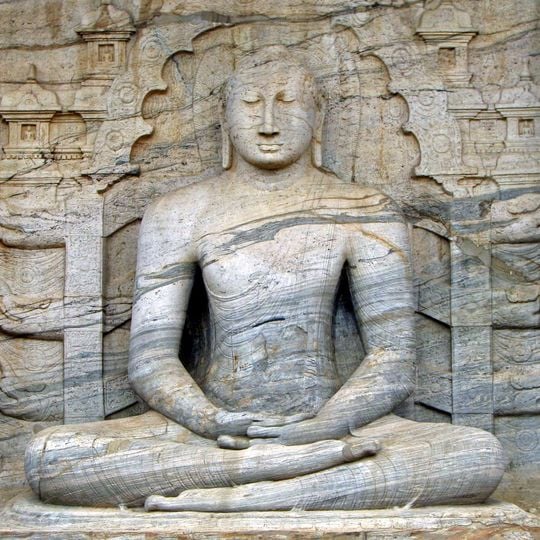
Polonnaruwa is an extensive archaeological site in North Central Province, Sri Lanka, covering remains of temples, royal palaces, and medieval water management structures. The complex spreads over several square kilometers and includes rock temples and monumental Buddha statues carved from granite.
The settlement was declared the new capital in the 8th century after the previous royal seat fell. Its golden age came in the 12th century under King Parakramabahu, who commissioned most of the monuments visible today.
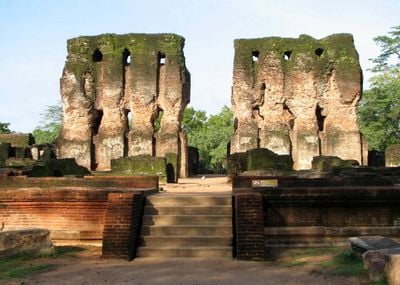
The name Polonnaruwa comes from Sanskrit and reflects its earlier identity as a fortified garrison town. Visitors today see ruins that reveal the daily life of a medieval capital, from the royal audience hall to the bathing pools used by monks.
Visitors should arrive early in the morning to avoid the heat and wear comfortable shoes, as the paths between monuments are long. Renting a bicycle helps cover the large distances within the site.
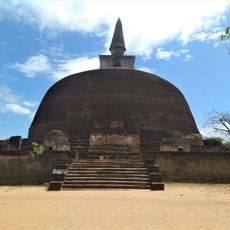
The Rankot Dagoba stands among the tallest brick structures of its kind in Sri Lanka and was built entirely without mortar. Workers used a special clay layer between the bricks instead, which holds to this day.
The community of curious travelers
AroundUs brings together thousands of curated places, local tips, and hidden gems, enriched daily by 93,021 contributors worldwide.