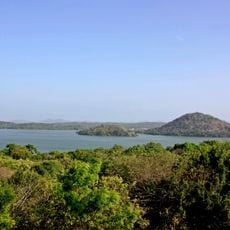
Dimbulagala Raja Maha Vihara, Buddhist temple in Dimbulagala, North Central Province, Sri Lanka
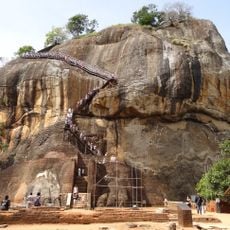
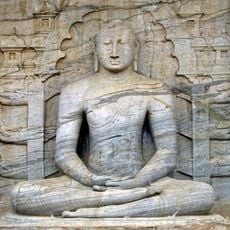
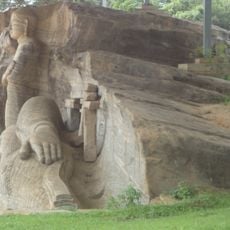
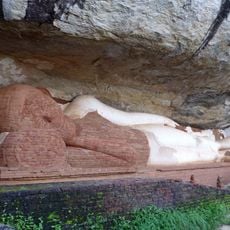
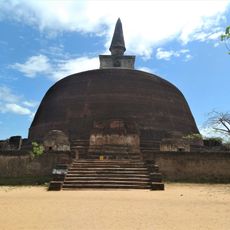
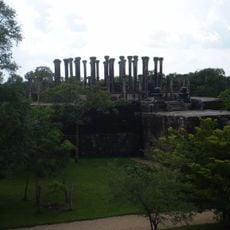
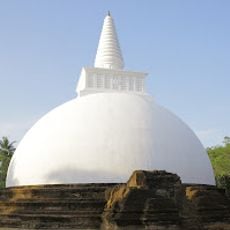
Dimbulagala Raja Maha Vihara is an ancient Buddhist temple complex spread across a mountain range with multiple caves carved into the rock face bearing old inscriptions. The site includes the separate Namal Pokuna complex nearby, containing the remains of religious structures and stone guardians.
In the 4th century BCE Pandukabhaya of Anuradhapura is said to have lived here, and an important vihara stood on the site during the Anuradhapura period. A 12th-century inscription of Sundaramaha devi records that 500 monks resided there. Dimbulagala Maha Kassapa Thera helped King Parakramabahu I purify and renew the Buddhist order in the 12th century. Abandoned after the Polonnaruwa kingdom, the monastery was restored in the 1950s by Kithalagama Sri Seelalankara Thera, its chief incumbent until 1995.
The site's old name, Dhumarakkhapabbata or Udumbarapabbata, survives in the Dimbulagala range, and a 12th-century inscription of Sundaramaha Devi records that 500 monks lived here. The Pulligoda cave shrine, reached past the Hitcha Pitcha weva tank, keeps a fragment of five seated male figures with red halos, one holding a lotus bud.
The site is best visited during drier periods when the footpaths to the caves are easier to navigate. Exploring the various caves and the Namal Pokuna complex requires good mobility and comfortable walking shoes for uneven terrain.
The Pulligoda cave preserves original painted murals showing ancient artistic techniques that have survived centuries of weathering. These artworks offer visitors a rare look at the creative skill of the painters who worked there long ago.
The community of curious travelers
AroundUs brings together thousands of curated places, local tips, and hidden gems, enriched daily by 94,689 contributors worldwide.