See the monuments around you in AROpen chests in the app
Around Us is built for your phone — point your camera at the streets and discover the monuments and places around you in augmented reality.Around Us is built for your phone — chests unlock when you walk, explore and capture nearby places.
Stairs serve not only to overcome elevation changes but often rank among the notable structures of their cities. The Spanish Steps in Rome with its 135 steps has connected two districts since 1725 and became a meeting point for locals and visitors. In Montmartre, 222 steps lead to the Basilica of Sacré-Cœur, while Jacob's Ladder on Saint Helena with 699 steps forms one of the longest straight stairways in the world.
The selection includes various construction types: spiral staircases in medieval towers, rock-carved ascents to temples and fortresses, and modern outdoor stairs made of concrete and steel. Some stairs were built for practical reasons like the steps to Table Mountain in Cape Town, others as part of religious sites like the stairs to the Golden Rock in Myanmar. Each staircase tells the story of the engineering skills of its era and the people who use it daily.
Stairs serve not only to overcome elevation changes but often rank among the notable structures of their cities. The Spanish Steps in Rome with its 135 steps has connected two districts since 1725 and became a meeting point for locals and visitors. In Montmartre, 222 steps lead to the Basilica of Sacré-Cœur, while Jacob's Ladder on Saint Helena with 699 steps forms one of the longest straight stairways in the world.
The selection includes various construction types: spiral staircases in medieval towers, rock-carved ascents to temples and fortresses, and modern outdoor stairs made of concrete and steel. Some stairs were built for practical reasons like the steps to Table Mountain in Cape Town, others as part of religious sites like the stairs to the Golden Rock in Myanmar. Each staircase tells the story of the engineering skills of its era and the people who use it daily.
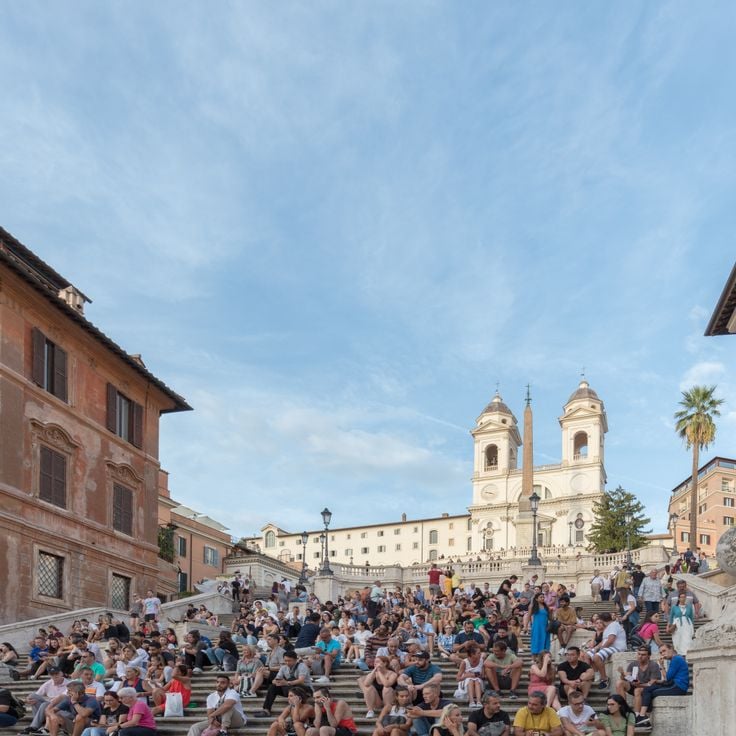
The Spanish Steps were built between 1723 and 1726 following designs by Francesco de Sanctis and Alessandro Specchi. This monumental outdoor staircase connects Piazza di Spagna with the church of Trinità dei Monti atop the Pincian Hill. The 135 steps form one of Rome's most recognizable stairways and have served as a meeting place for visitors from around the world for centuries.
The Haiku Stairs traverse the steep ridge of Mount Puukeahiakahoe on the island of Oahu. This metal staircase comprises 3922 steps and was originally constructed during World War II to access antenna masts for military radio communication. The structure extends over several kilometres and ascends through considerable elevation changes across the mountainous terrain of the island.
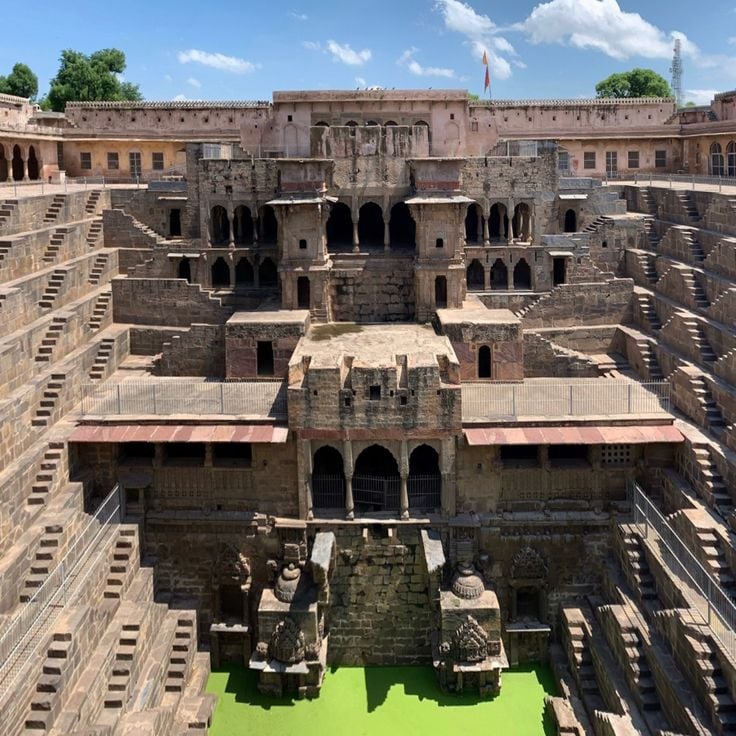
The Chand Baori is a 9th-century stepwell that descends 13 storeys into the ground. The geometric structure contains approximately 3500 symmetrically arranged steps that form precise rows on three sides leading down to the water reservoir. This monumental construction served as a water source in the arid region of Rajasthan while providing a cool retreat during hot months.
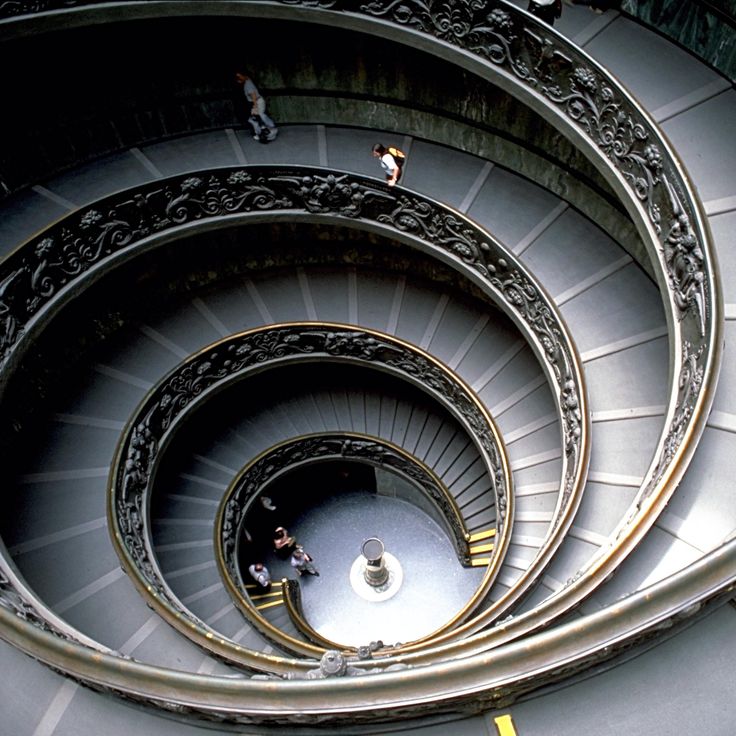
The Vatican Museum Spiral Staircase consists of two intertwined helix structures made of stone that connect the exit with the entrance. This architectural construction allows visitors to ascend and descend simultaneously without crossing paths. The staircase was designed by Giuseppe Momo in the early 20th century and demonstrates precise geometric execution with continuous handrails and regular steps.
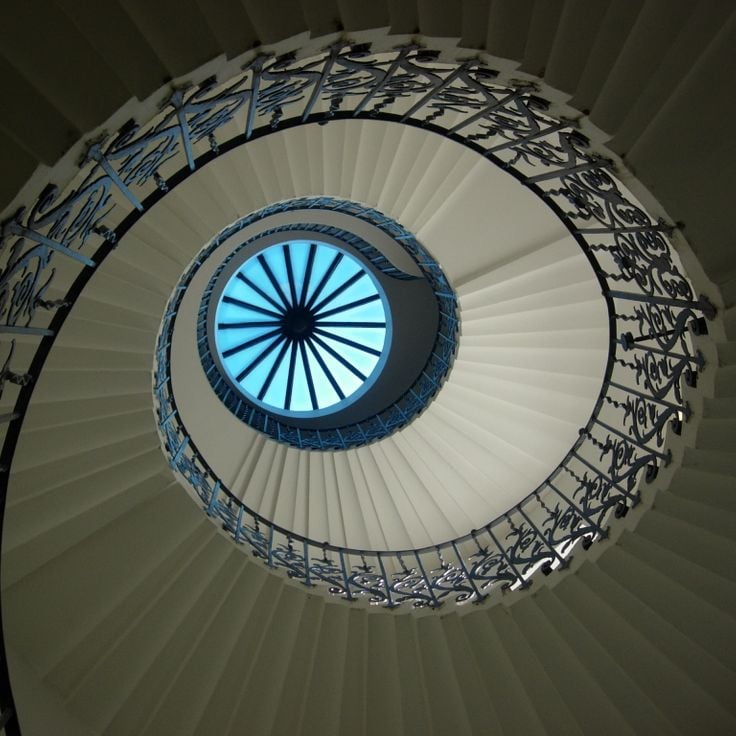
The Tulip Stairs at Queen's House represent the first cantilevered spiral staircase built in England. This 17th-century geometric construction was completed between 1635 and 1638, and takes its name from the tulip pattern featured in its wrought iron balustrade. The staircase connects the different levels of the royal residence and demonstrates the advanced architectural capabilities of the period.
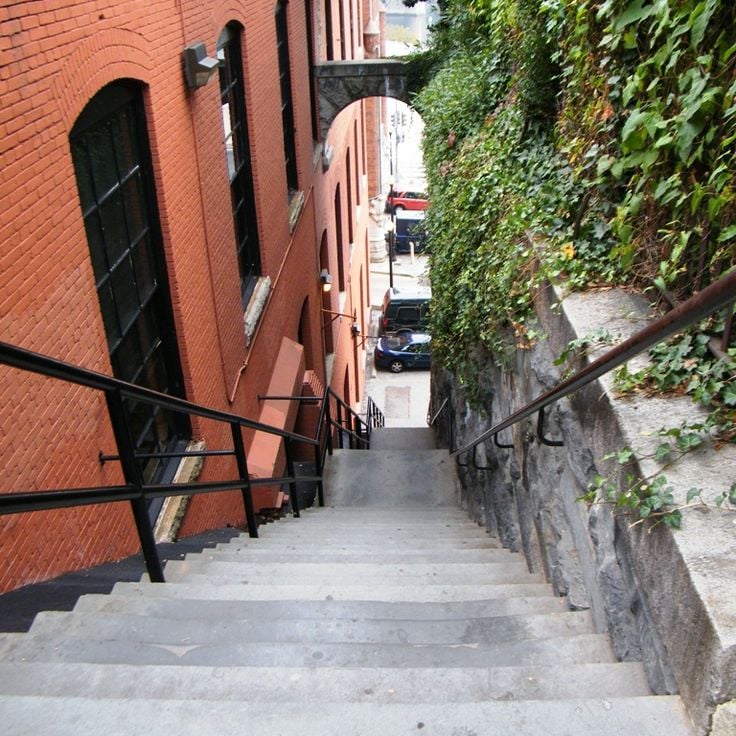
The Exorcist Steps are a steep stone staircase in Georgetown that gained international recognition through the 1973 horror film. The steps connect M Street to Prospect Street, descending alongside the wall of Georgetown University. Consisting of 75 steps, they serve as a public thoroughfare in the historic neighborhood.
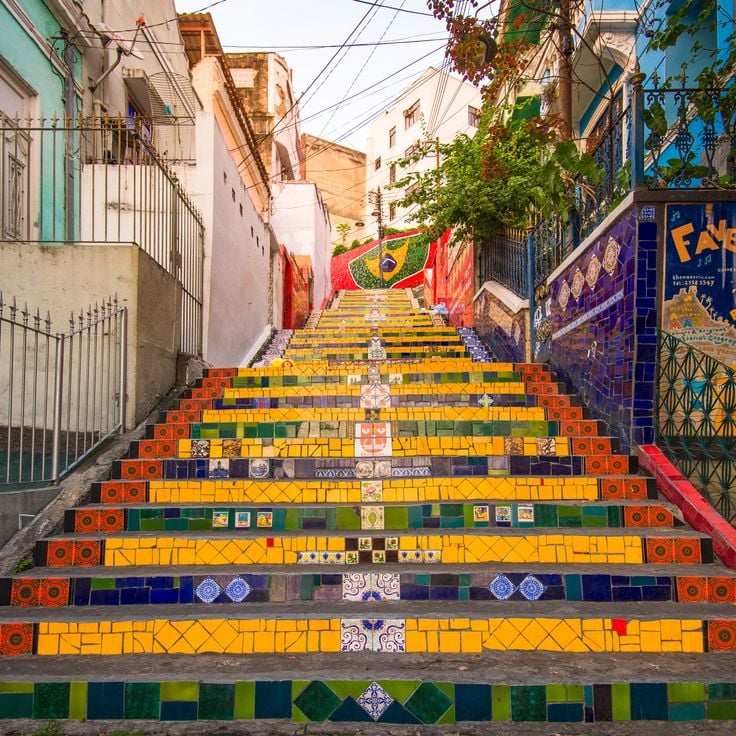
The Escadaria Selarón connects the Lapa and Santa Teresa neighborhoods through 215 steps. Chilean artist Jorge Selarón began decorating this staircase in 1990, transforming it over more than two decades into a mosaic featuring over 2,000 tiles from 60 countries. The colors yellow, green, and blue dominate the work, reflecting the Brazilian flag.
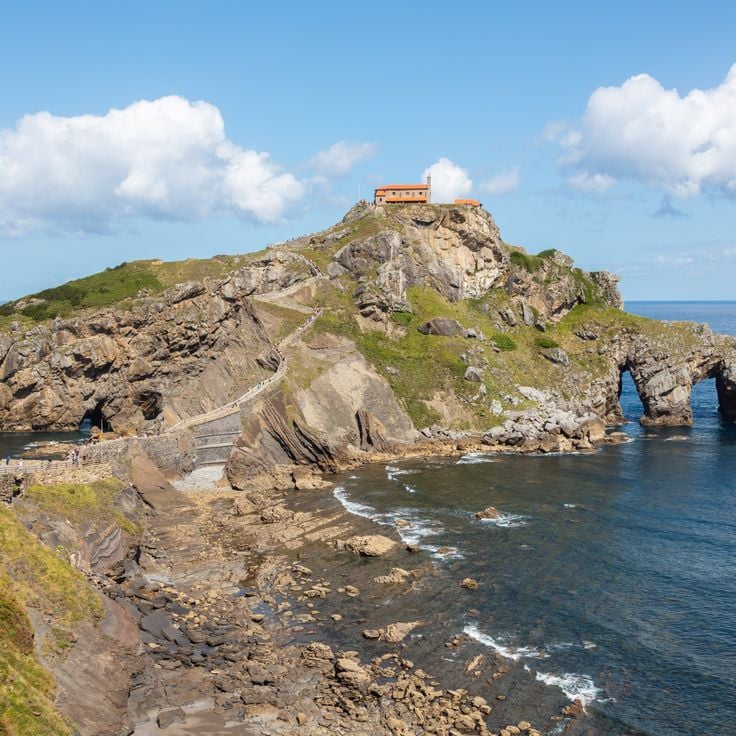
The San Juan de Gaztelugatxe Steps comprise 230 stone stairs that connect the rocky coastal path to the small hermitage at the island summit. This 10th-century chapel dedicated to John the Baptist sits atop a dramatic rock promontory in the Bay of Biscay. The ascent provides views of the Cantabrian coastline and the rugged cliffs of the Vizcaya region. The site served as the filming location for Dragonstone in the television series Game of Thrones.
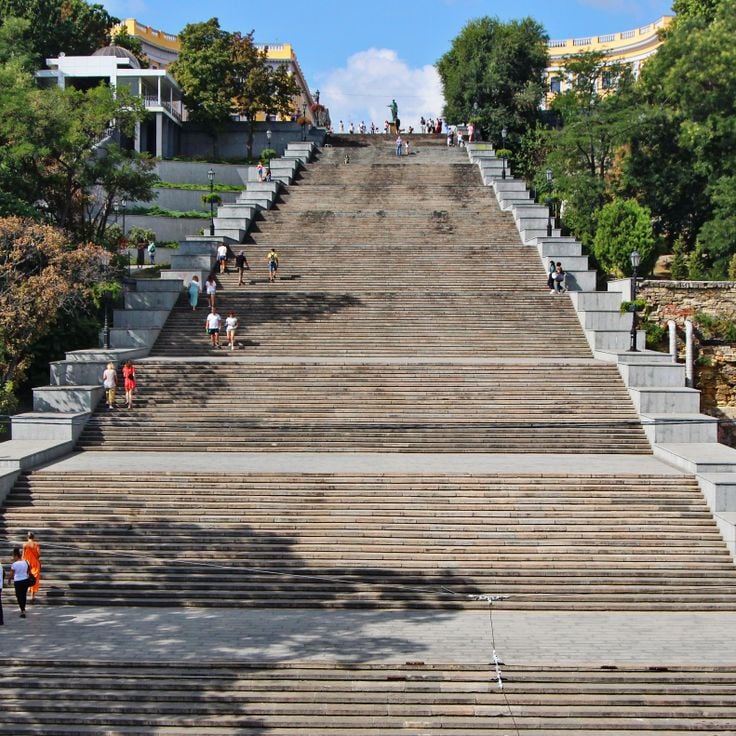
The Potemkin Stairs connect the harbor with the city center of Odesa and feature 192 steps. Their particular construction creates an optical illusion: viewed from above, only the landings are visible, while from below only the steps can be seen. Built between 1837 and 1841, the stairs are named after Russian Prince Grigory Potemkin and serve as an access route to the city center.
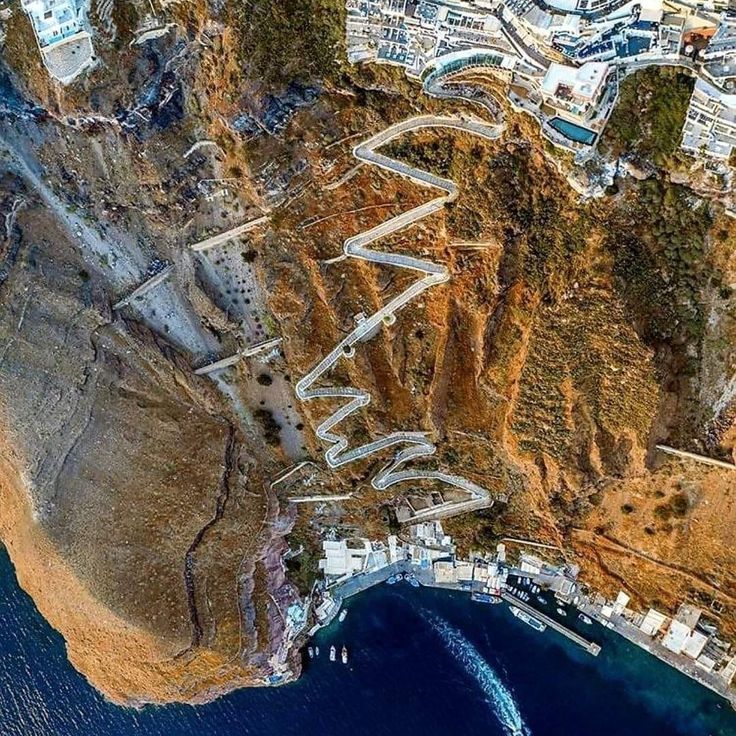
The Santorini Steps are white stone stairs connecting the town of Fira to the old harbor below. This traditional staircase comprises several hundred steps winding down the cliff face. Mules have been used for decades to transport goods and visitors' luggage between the harbor and the town above. The steps provide an alternative to the cable car and offer direct access to the port for cruise passengers and tourists visiting the island.
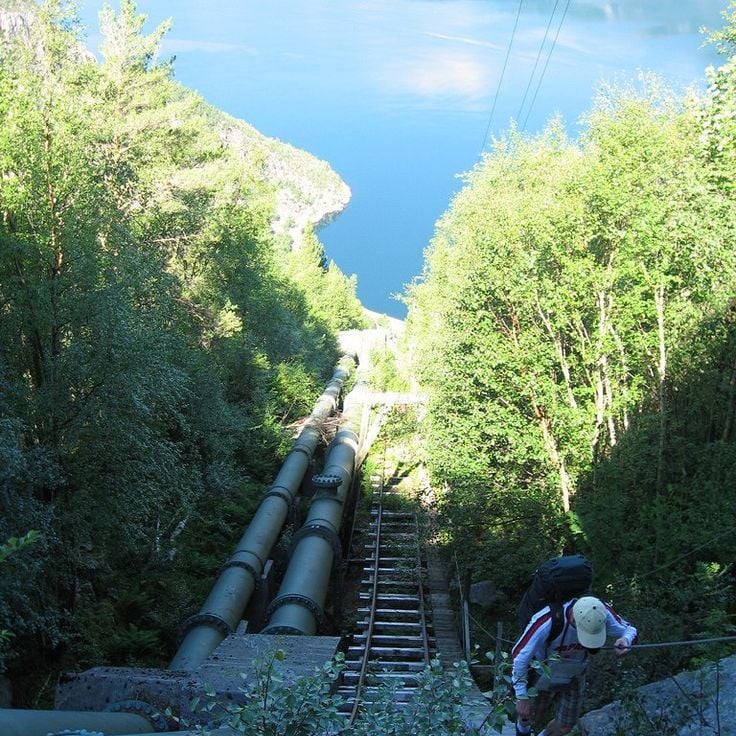
The Flørli 4444 is a wooden staircase consisting of exactly 4444 steps running parallel to a historic water pipeline along the Lysefjord. This structure was originally built for maintenance access to the piping system of the Flørli hydroelectric power station and is recognized as the longest continuous wooden stairway in the world. The construction ascends 740 meters from the fjord shore to the mountaintop where the former power plant facility is located.
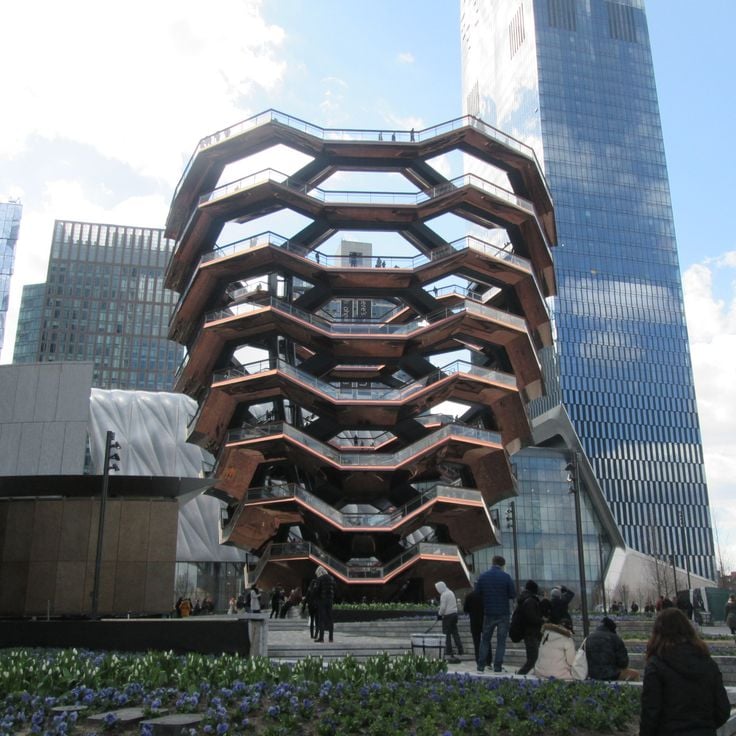
The Vessel is a construction located in the Hudson Yards neighborhood of Manhattan. This climbable sculpture consists of 154 interconnected flights of stairs spanning 80 landings and rising to a height of 45 meters. Visitors can ascend a total of 2500 steps while exploring the geometric structure made of bronze-toned steel. The building was designed as a public viewing point, offering various perspectives of the surrounding neighborhood. The honeycomb-shaped architecture was created by British designer Thomas Heatherwick.
The Scala dei Giganti is a ceremonial marble staircase from the 15th century in Venice. It stands among those stairs that serve not only to overcome elevation changes but also rank among the notable structures of their cities. Two large statues of Mars and Neptune stand on either side, making this staircase a remarkable entrance to the Doge's Palace.
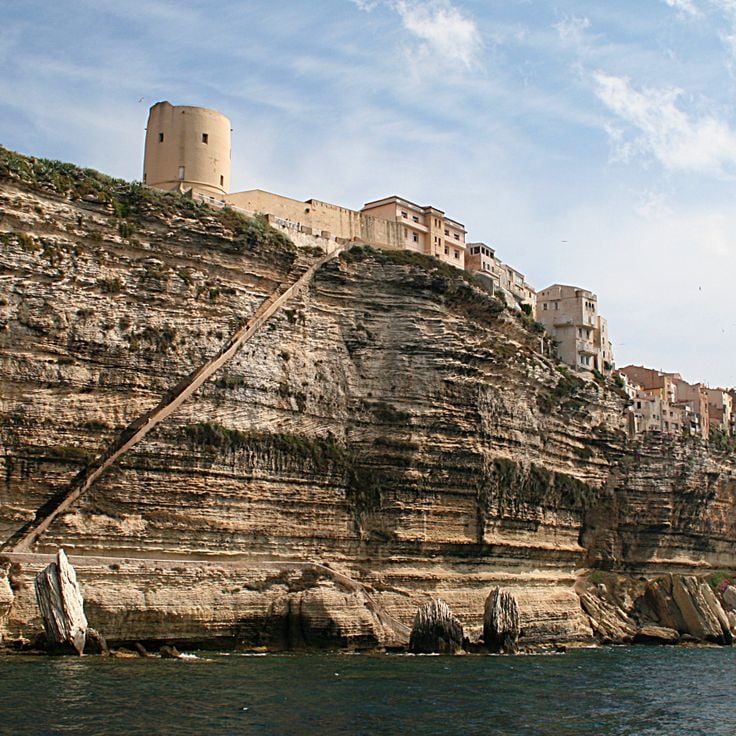
The Staircase of the King of Aragon connects the sea to the plateau of Bonifacio through 187 limestone steps with a 45-degree incline. This staircase was carved into the cliff during the 15th century siege of the town by Aragonese forces. The steep ascent follows a natural fissure in the rock face and provides access to the citadel.
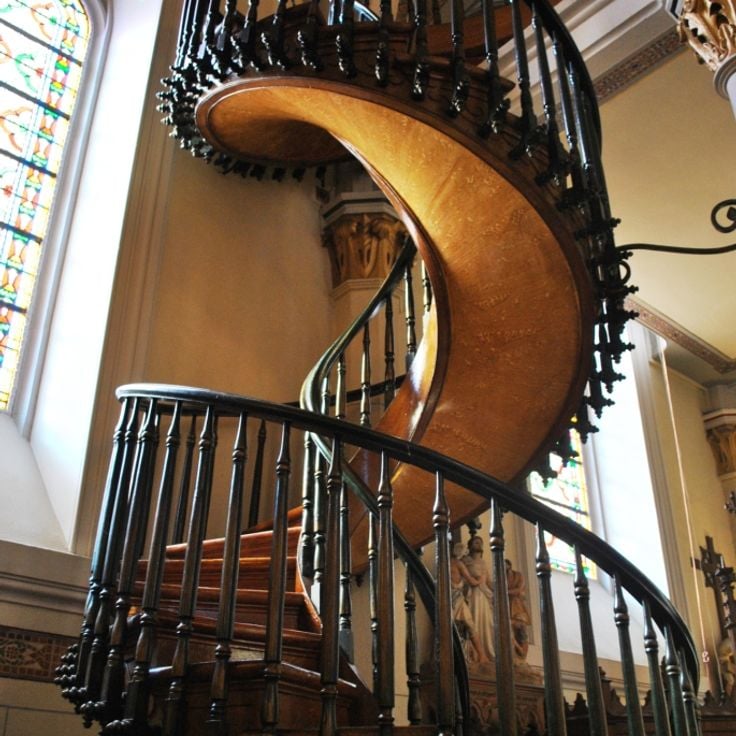
This wooden staircase at Loretto Chapel completes two full 360-degree turns without a central support column. The construction employs wooden pegs rather than nails to join the components. Built in the late 19th century, the spiral staircase provides access to the choir loft of the chapel. Its design without a visible central support pole represents a technical curiosity in carpentry.
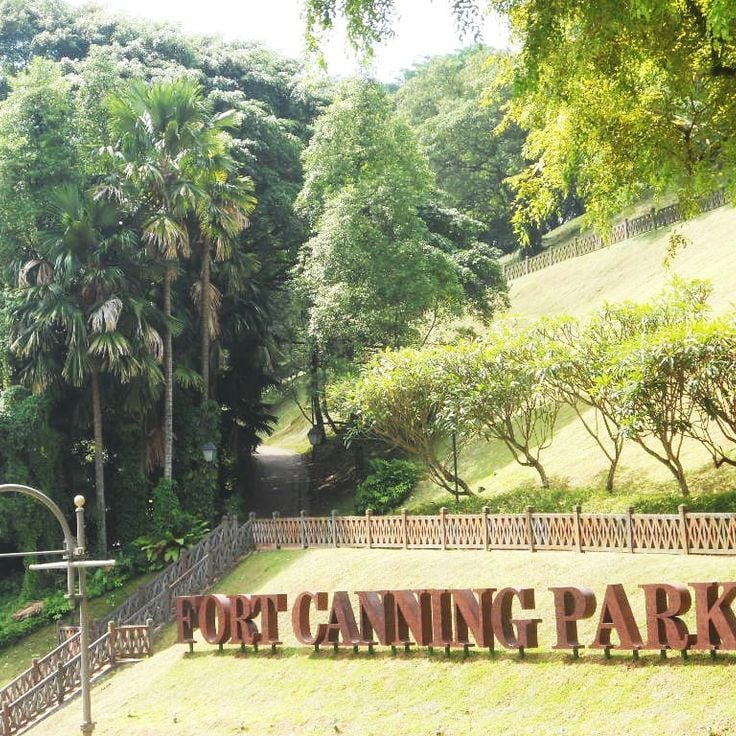
The Fort Canning Spiral Staircase features two intertwined metal staircases rising through Fort Canning Park. This architectural structure connects different levels of the historic park while surrounded by dense tropical vegetation. The double helix design forms a functional sculptural element within this central green space in Singapore's urban landscape.
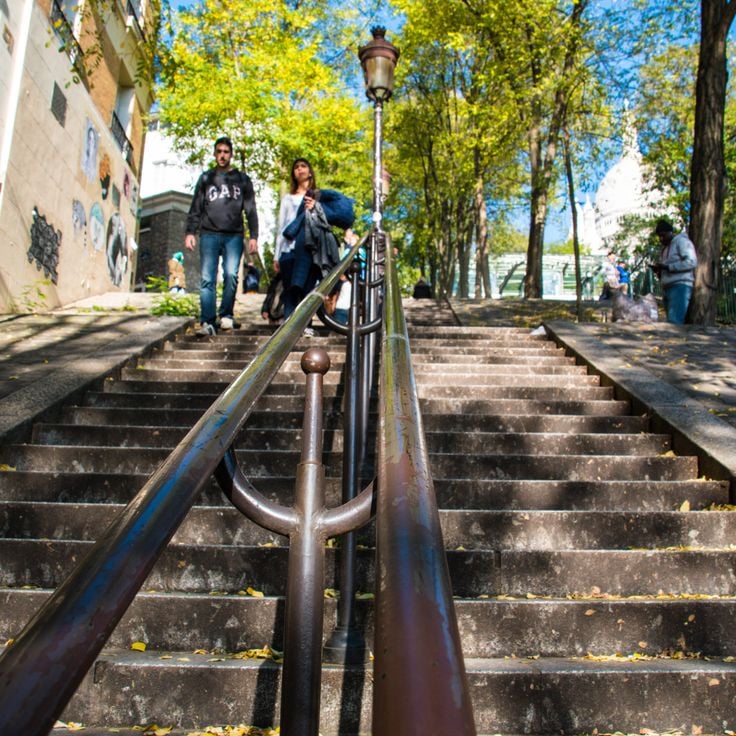
The Rue Foyatier Staircase in Paris connects Boulevard de Rochechouart to the Sacré-Cœur Basilica atop Montmartre hill. This stone staircase comprises several hundred steps and provides rest benches every thirty steps for visitors. The staircase was constructed in the late 19th century and serves as a direct ascent to the basilica.
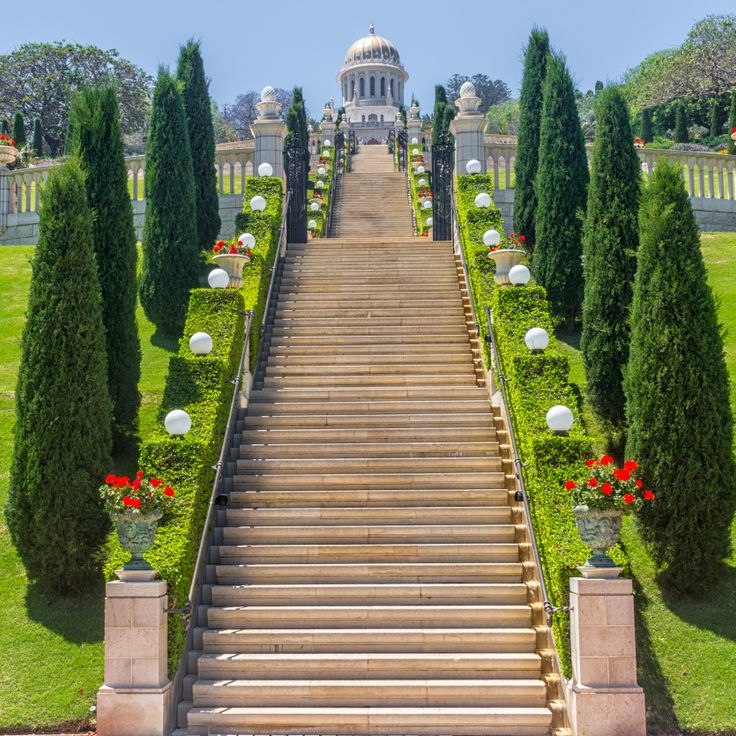
The Baha'i Gardens Staircase connects 19 terraces with geometrically designed gardens extending from the base to the summit of Mount Carmel. The structure leads to the Shrine of the Bab, the central holy site of the Baha'i faith in Haifa. Each terrace features flower beds, fountains, and maintained lawns arranged in symmetrical patterns. The stairway offers views of the city and Haifa Bay.
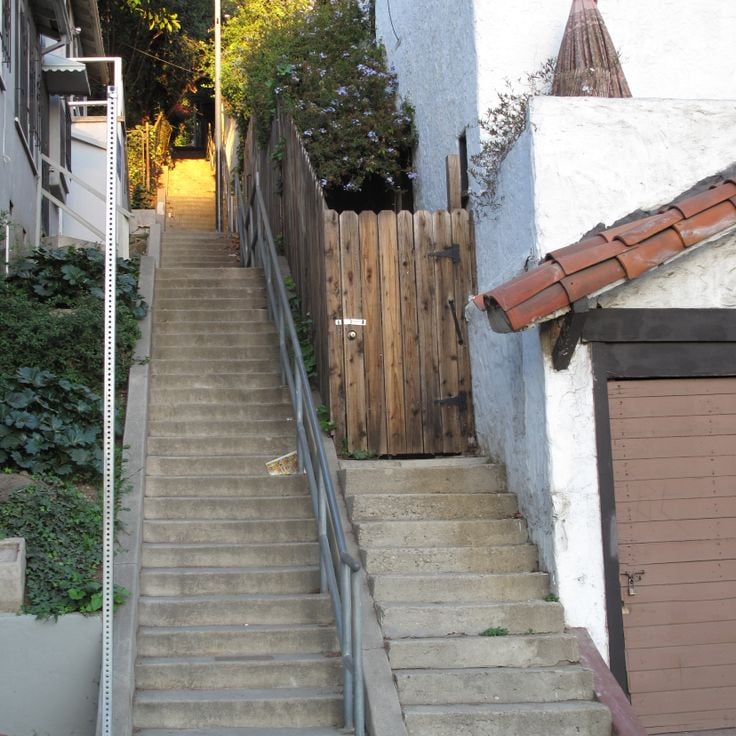
The Music Box Steps in Los Angeles are 131 stairs that became known through the 1932 film The Music Box, where a piano was carried up these steps. These stairs show how films shape places in a city and turn them into landmarks. They belong to a collection of staircases around the world that do more than bridge elevation changes, also telling the story of engineering and human effort across different eras.
The Rocky Steps are a stone staircase with 72 steps located in front of the Philadelphia Museum of Art. This staircase became famous worldwide through the 1976 film Rocky, in which Sylvester Stallone's character ran up the steps during his training sequences. Today, visitors from around the world come to these steps to recreate the boxer's workout and take photographs at the top, where a bronze statue of Rocky Balboa stands.
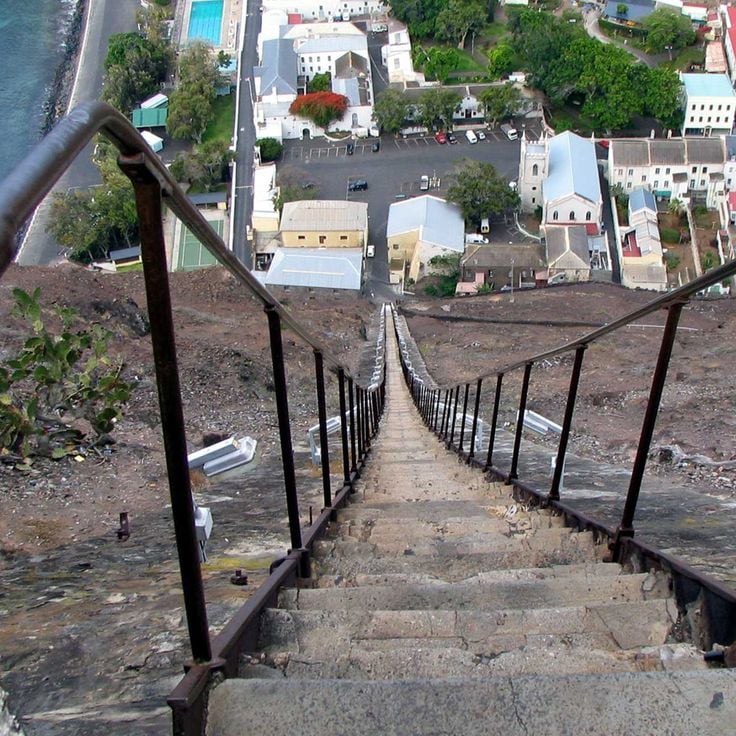
Jacob's Ladder is a metal staircase with 699 steps that connects Jamestown to the upper part of Saint Helena Island. The structure climbs 183 meters in elevation and was originally built in 1829 as a supply route to Half Tree Hollow Fort. Today it serves as a direct pedestrian route between the harbor area and the residential districts on the upper levels of the island.
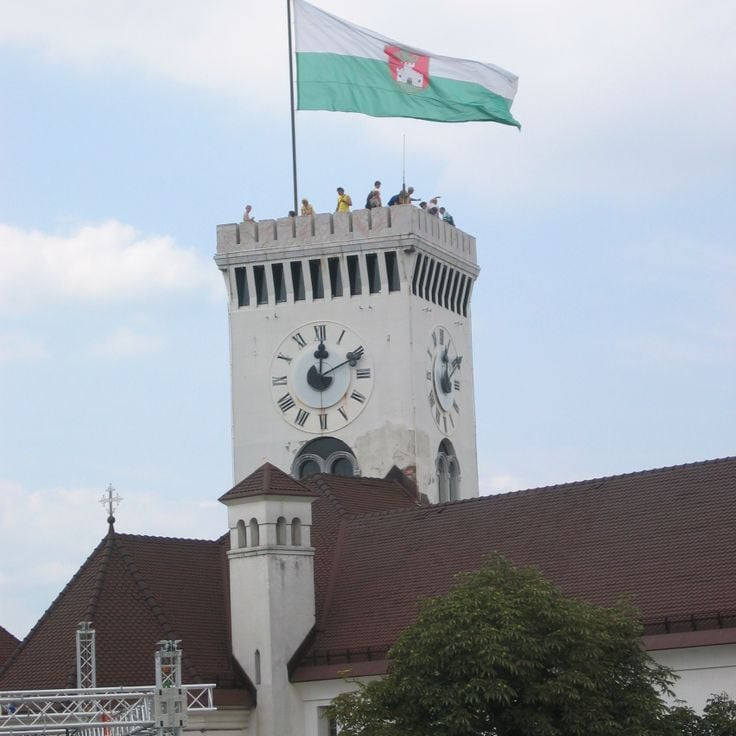
This 15th century stone spiral staircase ascends through the medieval tower of Ljubljana Castle. The steps connect multiple levels of the fortress, which stands on a hill overlooking the city center. The architecture displays typical features of late medieval defensive structures in this region of Slovenia.
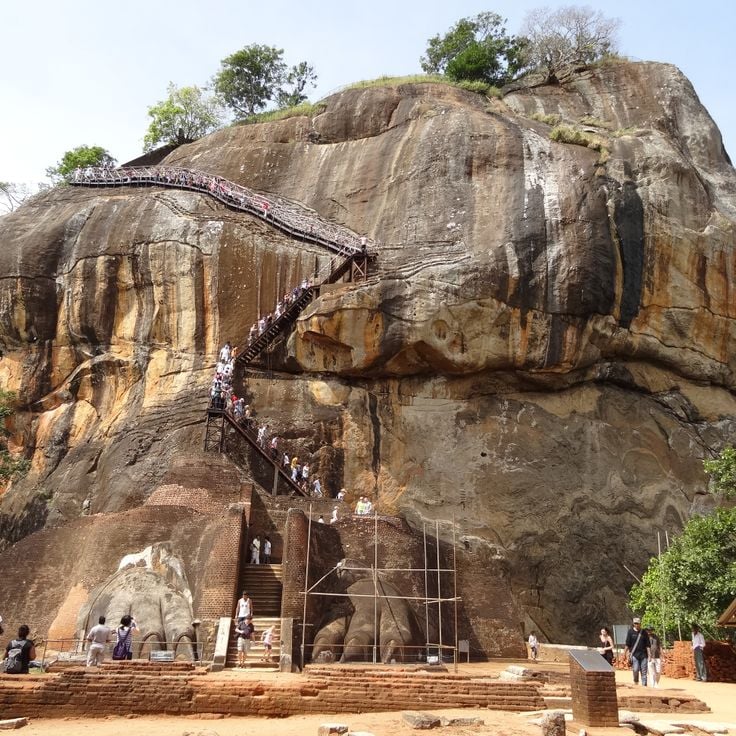
The Sigiriya staircase ascends a 200-meter granite rock and passes through massive stone lion paws carved in the 5th century. The climb connects the water gardens at the base with the royal palace remains and frescoes at the summit. The construction integrates architecture with the natural rock formation and served as the monumental entrance to King Kassapa's ancient fortress.
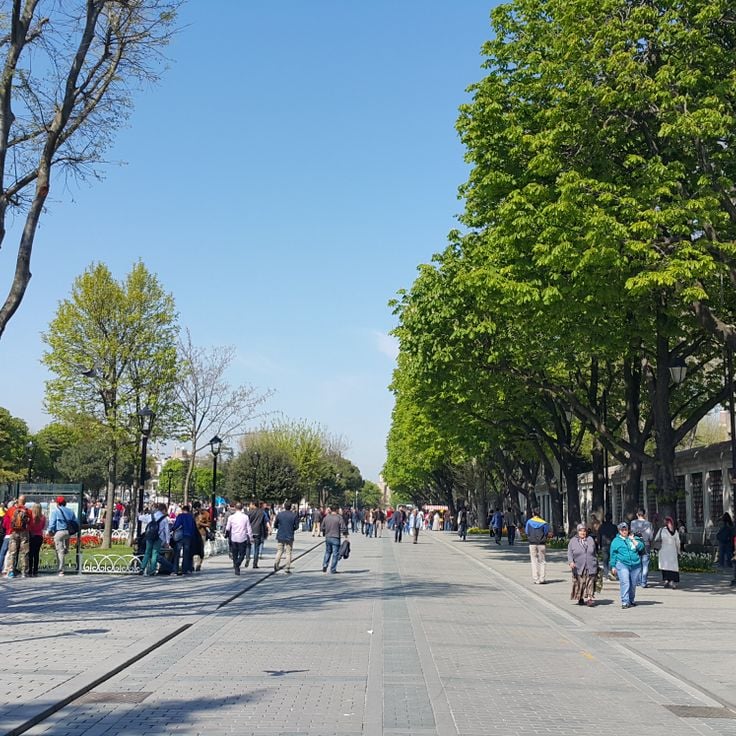
These stone steps from the Byzantine period lead to the entrance of the ancient Hippodrome of Constantinople. The stairway connects different levels of the historical site and provided access to the arena where chariot races and public events took place. The construction displays typical Byzantine building techniques with hewn stone blocks and documents the urban organization of Constantinople at that time.
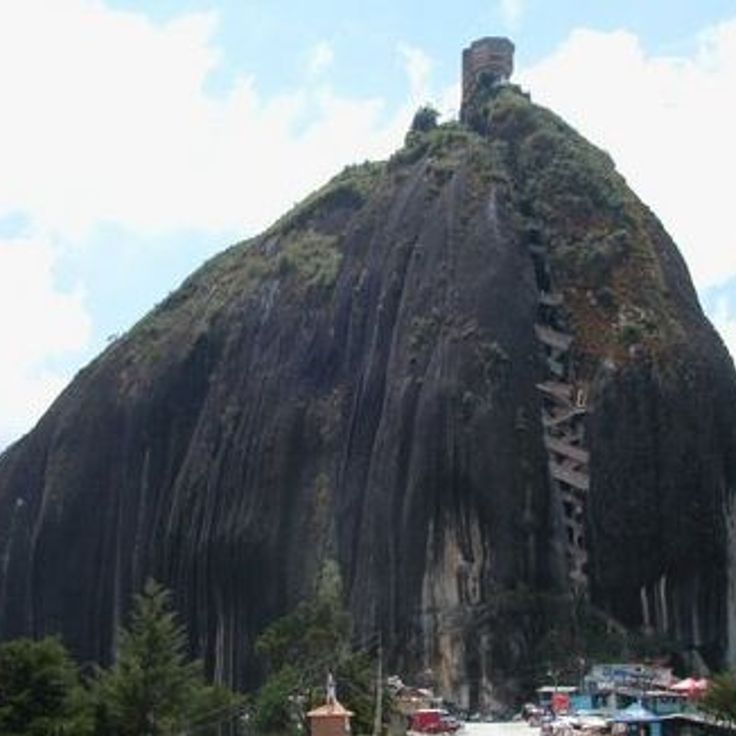
The El Peñol Stone Steps are carved directly into the granite monolith and ascend 649 steps to reach the summit of this rock formation. The climb zigzags through a narrow fissure in the stone and provides views of the Guatapé Reservoir and the surrounding Antioquia landscape along the way to the top.
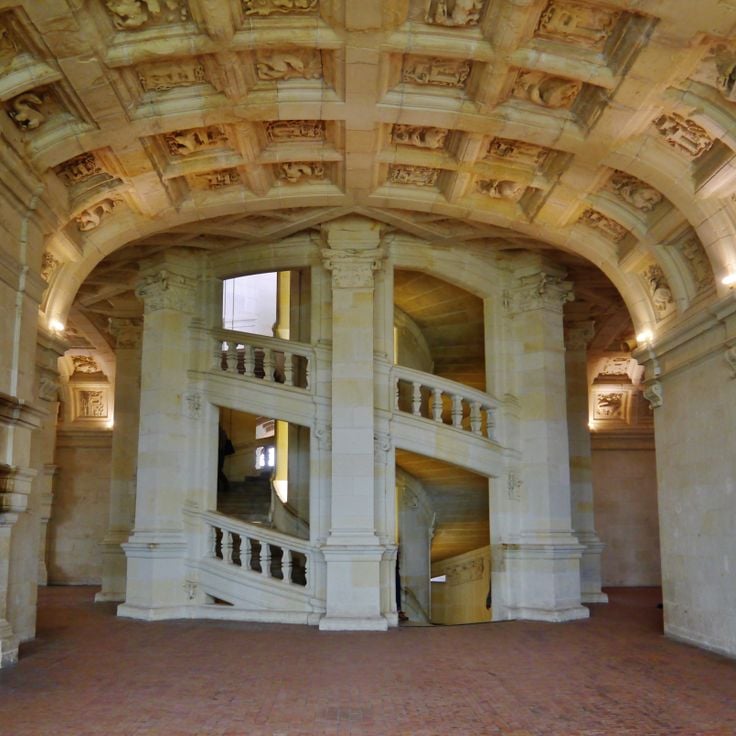
The Double Helix Staircase of Château de Chambord represents the architectural centerpiece of this Renaissance castle in the Loire Valley. This central spiral staircase consists of two separate helical flights that wind around a shared column without ever crossing paths. The design allows two people to ascend and descend simultaneously without meeting each other. This engineering achievement is often attributed to Leonardo da Vinci, who may have been involved in the castle's design plans.
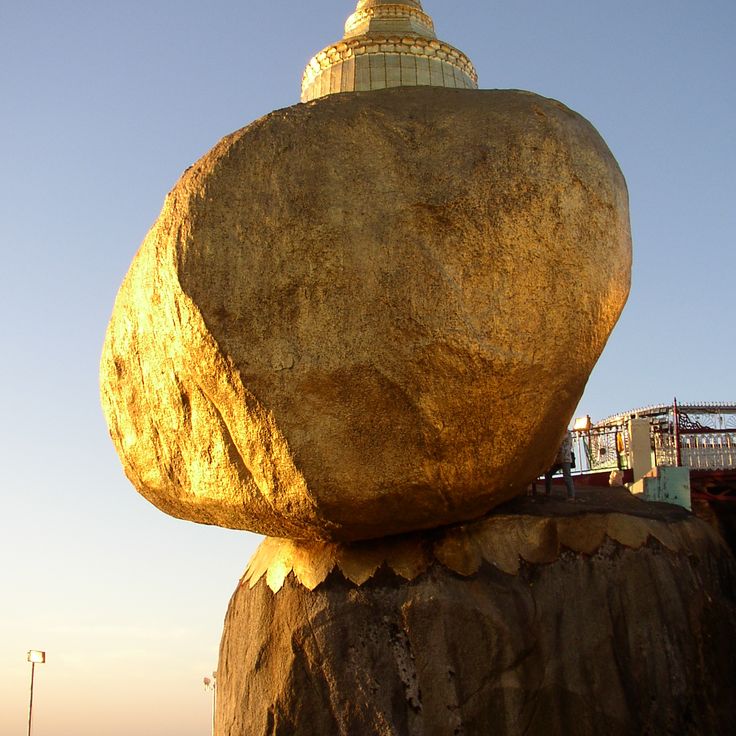
The Golden Rock Stairs lead to one of Myanmar's most important Buddhist pilgrimage sites. Like the stairs featured in this collection, these stairs show how steps serve not only to overcome elevation changes but also connect people to sacred places. The stone stairs ascend to a golden pagoda balanced atop a granite boulder. Pilgrims and visitors climb the steps to reach the shrine, which is surrounded by smaller structures and prayer halls. The site draws devotees from across the country, particularly during Buddhist festivals.
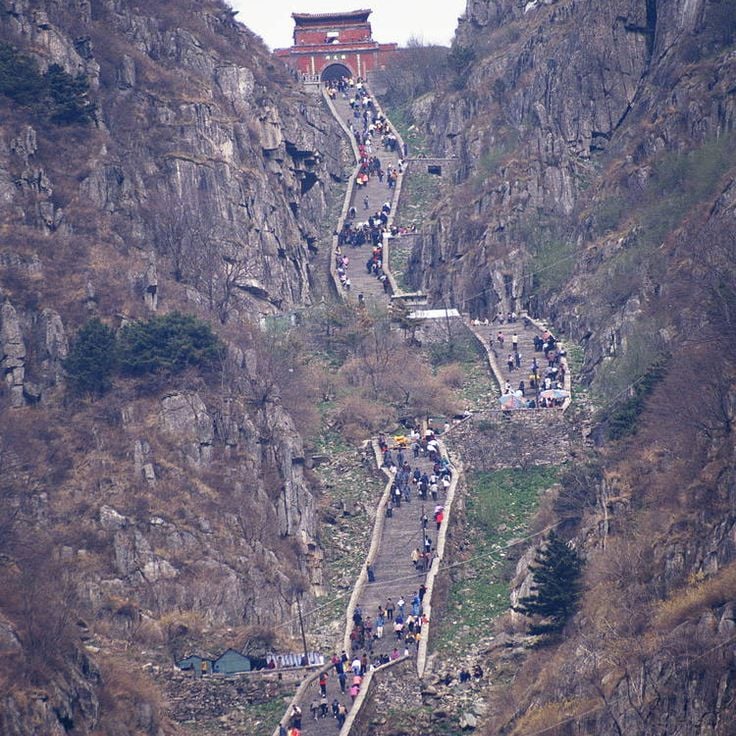
Taishan Mountain in China is a sacred site that has drawn pilgrims and visitors for centuries. The path to the summit consists of thousands of stone steps carved into and built onto the mountain. This stairway connects the plains below to the peak above and is walked daily by pilgrims, tourists and local people. The steps tell the story of this region and show the building skills passed down through many generations.
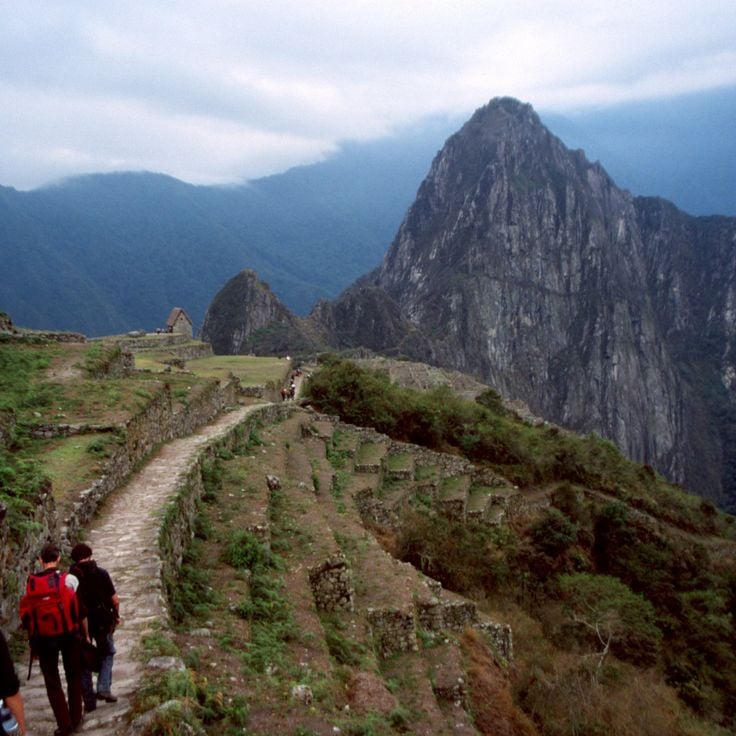
The Inca Trail to Machu Picchu is an ancient pathway that winds through Peru's Sacred Valley. This route connects several mountain communities and takes travelers through rugged terrain with views of the surrounding peaks. The trail itself consists of stone steps and staircases that the Inkas carved into the rock centuries ago. Those who walk this path follow the same route that people traveled to the sanctuary many generations before.
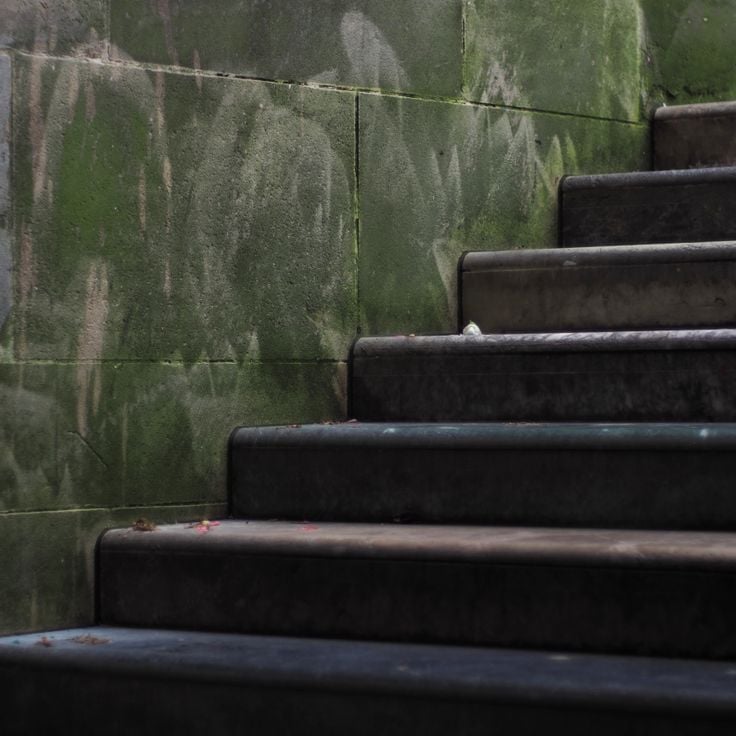
The Scotsman Steps in Edinburgh are a hidden staircase that passes beneath the North Bridge. They connect two levels of the city and are used by residents and visitors moving between different areas. These steps show how the city developed over the centuries and how people navigate its changes in elevation every day. The stairs are woven into the city's fabric and tell the story of how Edinburgh handles its slopes.
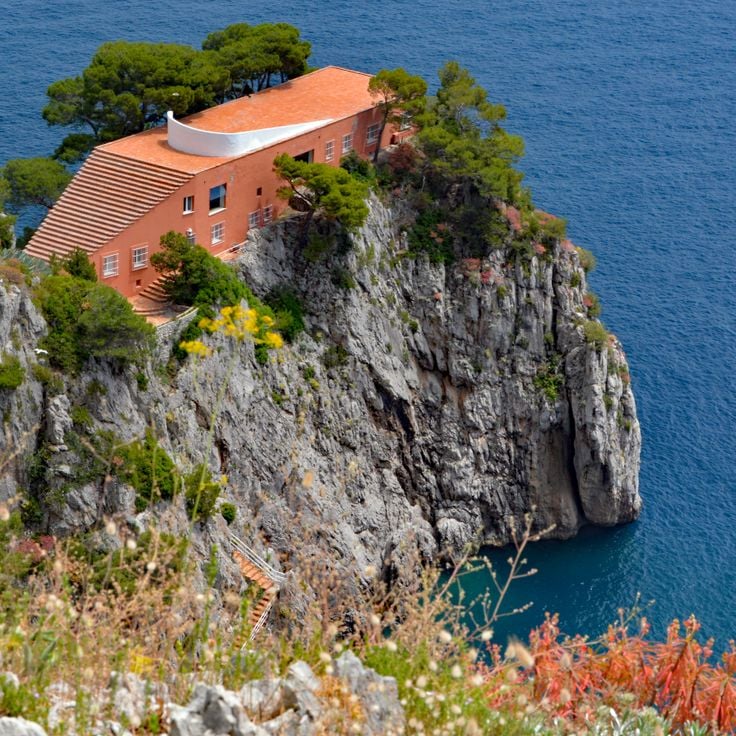
Villa Malaparte is a modern residence on Capri that connects architecture and landscape in a striking way. The building rises boldly from the rocky coastline and reflects mid-20th century design thinking. Its distinctive red color and geometric shapes make it stand out in the southern Italian landscape. Like the staircases in this collection, this villa shows human skill and shapes how people experience its surroundings.
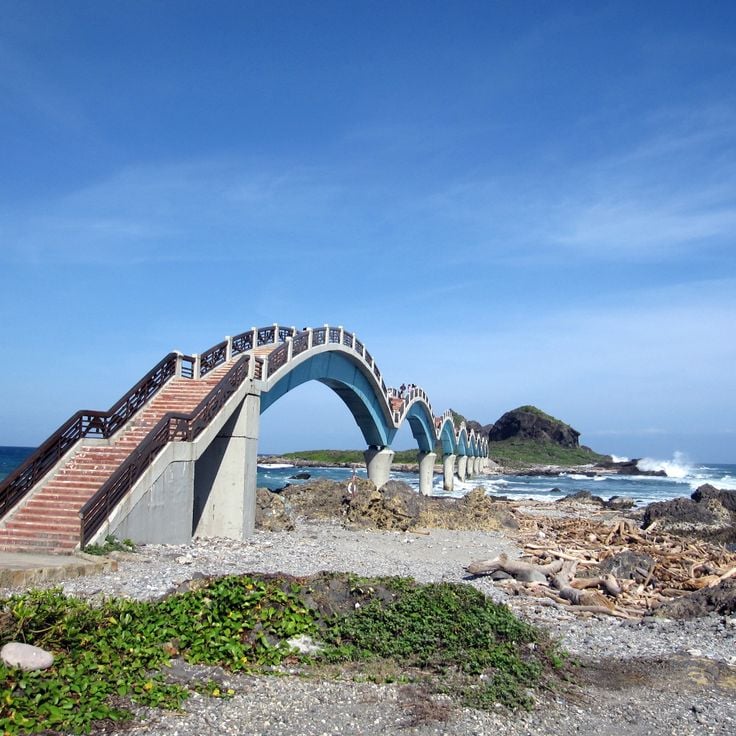
The Sanxiantai Arch Bridge in Taiwan is a modern structure that spans a rocky coastal landscape. This bridge connects the mainland to a group of islands and serves as both a practical passage and a popular viewpoint. The construction demonstrates contemporary engineering skills and allows visitors to explore the rugged coastline and natural rock formations. The bridge is part of a collection of notable structures that link places together while respecting the natural environment.
The Spanish Steps were built between 1723 and 1726 following designs by Francesco de Sanctis and Alessandro Specchi. This monumental outdoor staircase connects Piazza di Spagna with the church of Trinità dei Monti atop the Pincian Hill. The 135 steps form one of Rome's most recognizable stairways and have served as a meeting place for visitors from around the world for centuries.
The Haiku Stairs traverse the steep ridge of Mount Puukeahiakahoe on the island of Oahu. This metal staircase comprises 3922 steps and was originally constructed during World War II to access antenna masts for military radio communication. The structure extends over several kilometres and ascends through considerable elevation changes across the mountainous terrain of the island.
The Chand Baori is a 9th-century stepwell that descends 13 storeys into the ground. The geometric structure contains approximately 3500 symmetrically arranged steps that form precise rows on three sides leading down to the water reservoir. This monumental construction served as a water source in the arid region of Rajasthan while providing a cool retreat during hot months.
The Vatican Museum Spiral Staircase consists of two intertwined helix structures made of stone that connect the exit with the entrance. This architectural construction allows visitors to ascend and descend simultaneously without crossing paths. The staircase was designed by Giuseppe Momo in the early 20th century and demonstrates precise geometric execution with continuous handrails and regular steps.
The Tulip Stairs at Queen's House represent the first cantilevered spiral staircase built in England. This 17th-century geometric construction was completed between 1635 and 1638, and takes its name from the tulip pattern featured in its wrought iron balustrade. The staircase connects the different levels of the royal residence and demonstrates the advanced architectural capabilities of the period.
The Exorcist Steps are a steep stone staircase in Georgetown that gained international recognition through the 1973 horror film. The steps connect M Street to Prospect Street, descending alongside the wall of Georgetown University. Consisting of 75 steps, they serve as a public thoroughfare in the historic neighborhood.
The Escadaria Selarón connects the Lapa and Santa Teresa neighborhoods through 215 steps. Chilean artist Jorge Selarón began decorating this staircase in 1990, transforming it over more than two decades into a mosaic featuring over 2,000 tiles from 60 countries. The colors yellow, green, and blue dominate the work, reflecting the Brazilian flag.
The San Juan de Gaztelugatxe Steps comprise 230 stone stairs that connect the rocky coastal path to the small hermitage at the island summit. This 10th-century chapel dedicated to John the Baptist sits atop a dramatic rock promontory in the Bay of Biscay. The ascent provides views of the Cantabrian coastline and the rugged cliffs of the Vizcaya region. The site served as the filming location for Dragonstone in the television series Game of Thrones.
The Potemkin Stairs connect the harbor with the city center of Odesa and feature 192 steps. Their particular construction creates an optical illusion: viewed from above, only the landings are visible, while from below only the steps can be seen. Built between 1837 and 1841, the stairs are named after Russian Prince Grigory Potemkin and serve as an access route to the city center.
The Santorini Steps are white stone stairs connecting the town of Fira to the old harbor below. This traditional staircase comprises several hundred steps winding down the cliff face. Mules have been used for decades to transport goods and visitors' luggage between the harbor and the town above. The steps provide an alternative to the cable car and offer direct access to the port for cruise passengers and tourists visiting the island.
The Flørli 4444 is a wooden staircase consisting of exactly 4444 steps running parallel to a historic water pipeline along the Lysefjord. This structure was originally built for maintenance access to the piping system of the Flørli hydroelectric power station and is recognized as the longest continuous wooden stairway in the world. The construction ascends 740 meters from the fjord shore to the mountaintop where the former power plant facility is located.
The Vessel is a construction located in the Hudson Yards neighborhood of Manhattan. This climbable sculpture consists of 154 interconnected flights of stairs spanning 80 landings and rising to a height of 45 meters. Visitors can ascend a total of 2500 steps while exploring the geometric structure made of bronze-toned steel. The building was designed as a public viewing point, offering various perspectives of the surrounding neighborhood. The honeycomb-shaped architecture was created by British designer Thomas Heatherwick.
The Scala dei Giganti is a ceremonial marble staircase from the 15th century in Venice. It stands among those stairs that serve not only to overcome elevation changes but also rank among the notable structures of their cities. Two large statues of Mars and Neptune stand on either side, making this staircase a remarkable entrance to the Doge's Palace.
The Staircase of the King of Aragon connects the sea to the plateau of Bonifacio through 187 limestone steps with a 45-degree incline. This staircase was carved into the cliff during the 15th century siege of the town by Aragonese forces. The steep ascent follows a natural fissure in the rock face and provides access to the citadel.
This wooden staircase at Loretto Chapel completes two full 360-degree turns without a central support column. The construction employs wooden pegs rather than nails to join the components. Built in the late 19th century, the spiral staircase provides access to the choir loft of the chapel. Its design without a visible central support pole represents a technical curiosity in carpentry.
The Fort Canning Spiral Staircase features two intertwined metal staircases rising through Fort Canning Park. This architectural structure connects different levels of the historic park while surrounded by dense tropical vegetation. The double helix design forms a functional sculptural element within this central green space in Singapore's urban landscape.
The Rue Foyatier Staircase in Paris connects Boulevard de Rochechouart to the Sacré-Cœur Basilica atop Montmartre hill. This stone staircase comprises several hundred steps and provides rest benches every thirty steps for visitors. The staircase was constructed in the late 19th century and serves as a direct ascent to the basilica.
The Baha'i Gardens Staircase connects 19 terraces with geometrically designed gardens extending from the base to the summit of Mount Carmel. The structure leads to the Shrine of the Bab, the central holy site of the Baha'i faith in Haifa. Each terrace features flower beds, fountains, and maintained lawns arranged in symmetrical patterns. The stairway offers views of the city and Haifa Bay.
The Music Box Steps in Los Angeles are 131 stairs that became known through the 1932 film The Music Box, where a piano was carried up these steps. These stairs show how films shape places in a city and turn them into landmarks. They belong to a collection of staircases around the world that do more than bridge elevation changes, also telling the story of engineering and human effort across different eras.
The Rocky Steps are a stone staircase with 72 steps located in front of the Philadelphia Museum of Art. This staircase became famous worldwide through the 1976 film Rocky, in which Sylvester Stallone's character ran up the steps during his training sequences. Today, visitors from around the world come to these steps to recreate the boxer's workout and take photographs at the top, where a bronze statue of Rocky Balboa stands.
Jacob's Ladder is a metal staircase with 699 steps that connects Jamestown to the upper part of Saint Helena Island. The structure climbs 183 meters in elevation and was originally built in 1829 as a supply route to Half Tree Hollow Fort. Today it serves as a direct pedestrian route between the harbor area and the residential districts on the upper levels of the island.
This 15th century stone spiral staircase ascends through the medieval tower of Ljubljana Castle. The steps connect multiple levels of the fortress, which stands on a hill overlooking the city center. The architecture displays typical features of late medieval defensive structures in this region of Slovenia.
The Sigiriya staircase ascends a 200-meter granite rock and passes through massive stone lion paws carved in the 5th century. The climb connects the water gardens at the base with the royal palace remains and frescoes at the summit. The construction integrates architecture with the natural rock formation and served as the monumental entrance to King Kassapa's ancient fortress.
These stone steps from the Byzantine period lead to the entrance of the ancient Hippodrome of Constantinople. The stairway connects different levels of the historical site and provided access to the arena where chariot races and public events took place. The construction displays typical Byzantine building techniques with hewn stone blocks and documents the urban organization of Constantinople at that time.
The El Peñol Stone Steps are carved directly into the granite monolith and ascend 649 steps to reach the summit of this rock formation. The climb zigzags through a narrow fissure in the stone and provides views of the Guatapé Reservoir and the surrounding Antioquia landscape along the way to the top.
The Double Helix Staircase of Château de Chambord represents the architectural centerpiece of this Renaissance castle in the Loire Valley. This central spiral staircase consists of two separate helical flights that wind around a shared column without ever crossing paths. The design allows two people to ascend and descend simultaneously without meeting each other. This engineering achievement is often attributed to Leonardo da Vinci, who may have been involved in the castle's design plans.
The Golden Rock Stairs lead to one of Myanmar's most important Buddhist pilgrimage sites. Like the stairs featured in this collection, these stairs show how steps serve not only to overcome elevation changes but also connect people to sacred places. The stone stairs ascend to a golden pagoda balanced atop a granite boulder. Pilgrims and visitors climb the steps to reach the shrine, which is surrounded by smaller structures and prayer halls. The site draws devotees from across the country, particularly during Buddhist festivals.
Taishan Mountain in China is a sacred site that has drawn pilgrims and visitors for centuries. The path to the summit consists of thousands of stone steps carved into and built onto the mountain. This stairway connects the plains below to the peak above and is walked daily by pilgrims, tourists and local people. The steps tell the story of this region and show the building skills passed down through many generations.
The Inca Trail to Machu Picchu is an ancient pathway that winds through Peru's Sacred Valley. This route connects several mountain communities and takes travelers through rugged terrain with views of the surrounding peaks. The trail itself consists of stone steps and staircases that the Inkas carved into the rock centuries ago. Those who walk this path follow the same route that people traveled to the sanctuary many generations before.
The Scotsman Steps in Edinburgh are a hidden staircase that passes beneath the North Bridge. They connect two levels of the city and are used by residents and visitors moving between different areas. These steps show how the city developed over the centuries and how people navigate its changes in elevation every day. The stairs are woven into the city's fabric and tell the story of how Edinburgh handles its slopes.
Villa Malaparte is a modern residence on Capri that connects architecture and landscape in a striking way. The building rises boldly from the rocky coastline and reflects mid-20th century design thinking. Its distinctive red color and geometric shapes make it stand out in the southern Italian landscape. Like the staircases in this collection, this villa shows human skill and shapes how people experience its surroundings.
The Sanxiantai Arch Bridge in Taiwan is a modern structure that spans a rocky coastal landscape. This bridge connects the mainland to a group of islands and serves as both a practical passage and a popular viewpoint. The construction demonstrates contemporary engineering skills and allows visitors to explore the rugged coastline and natural rock formations. The bridge is part of a collection of notable structures that link places together while respecting the natural environment.
The Spanish Steps were built between 1723 and 1726 following designs by Francesco de Sanctis and Alessandro Specchi. This monumental outdoor staircase connects Piazza di Spagna with the church of Trinità dei Monti atop the Pincian Hill. The 135 steps form one of Rome's most recognizable stairways and have served as a meeting place for visitors from around the world for centuries.
The Haiku Stairs traverse the steep ridge of Mount Puukeahiakahoe on the island of Oahu. This metal staircase comprises 3922 steps and was originally constructed during World War II to access antenna masts for military radio communication. The structure extends over several kilometres and ascends through considerable elevation changes across the mountainous terrain of the island.
The Chand Baori is a 9th-century stepwell that descends 13 storeys into the ground. The geometric structure contains approximately 3500 symmetrically arranged steps that form precise rows on three sides leading down to the water reservoir. This monumental construction served as a water source in the arid region of Rajasthan while providing a cool retreat during hot months.
The Vatican Museum Spiral Staircase consists of two intertwined helix structures made of stone that connect the exit with the entrance. This architectural construction allows visitors to ascend and descend simultaneously without crossing paths. The staircase was designed by Giuseppe Momo in the early 20th century and demonstrates precise geometric execution with continuous handrails and regular steps.
The Tulip Stairs at Queen's House represent the first cantilevered spiral staircase built in England. This 17th-century geometric construction was completed between 1635 and 1638, and takes its name from the tulip pattern featured in its wrought iron balustrade. The staircase connects the different levels of the royal residence and demonstrates the advanced architectural capabilities of the period.
The Exorcist Steps are a steep stone staircase in Georgetown that gained international recognition through the 1973 horror film. The steps connect M Street to Prospect Street, descending alongside the wall of Georgetown University. Consisting of 75 steps, they serve as a public thoroughfare in the historic neighborhood.
The Escadaria Selarón connects the Lapa and Santa Teresa neighborhoods through 215 steps. Chilean artist Jorge Selarón began decorating this staircase in 1990, transforming it over more than two decades into a mosaic featuring over 2,000 tiles from 60 countries. The colors yellow, green, and blue dominate the work, reflecting the Brazilian flag.
The San Juan de Gaztelugatxe Steps comprise 230 stone stairs that connect the rocky coastal path to the small hermitage at the island summit. This 10th-century chapel dedicated to John the Baptist sits atop a dramatic rock promontory in the Bay of Biscay. The ascent provides views of the Cantabrian coastline and the rugged cliffs of the Vizcaya region. The site served as the filming location for Dragonstone in the television series Game of Thrones.
The Potemkin Stairs connect the harbor with the city center of Odesa and feature 192 steps. Their particular construction creates an optical illusion: viewed from above, only the landings are visible, while from below only the steps can be seen. Built between 1837 and 1841, the stairs are named after Russian Prince Grigory Potemkin and serve as an access route to the city center.
The Santorini Steps are white stone stairs connecting the town of Fira to the old harbor below. This traditional staircase comprises several hundred steps winding down the cliff face. Mules have been used for decades to transport goods and visitors' luggage between the harbor and the town above. The steps provide an alternative to the cable car and offer direct access to the port for cruise passengers and tourists visiting the island.
The Flørli 4444 is a wooden staircase consisting of exactly 4444 steps running parallel to a historic water pipeline along the Lysefjord. This structure was originally built for maintenance access to the piping system of the Flørli hydroelectric power station and is recognized as the longest continuous wooden stairway in the world. The construction ascends 740 meters from the fjord shore to the mountaintop where the former power plant facility is located.
The Vessel is a construction located in the Hudson Yards neighborhood of Manhattan. This climbable sculpture consists of 154 interconnected flights of stairs spanning 80 landings and rising to a height of 45 meters. Visitors can ascend a total of 2500 steps while exploring the geometric structure made of bronze-toned steel. The building was designed as a public viewing point, offering various perspectives of the surrounding neighborhood. The honeycomb-shaped architecture was created by British designer Thomas Heatherwick.
The Scala dei Giganti is a ceremonial marble staircase from the 15th century in Venice. It stands among those stairs that serve not only to overcome elevation changes but also rank among the notable structures of their cities. Two large statues of Mars and Neptune stand on either side, making this staircase a remarkable entrance to the Doge's Palace.
The Staircase of the King of Aragon connects the sea to the plateau of Bonifacio through 187 limestone steps with a 45-degree incline. This staircase was carved into the cliff during the 15th century siege of the town by Aragonese forces. The steep ascent follows a natural fissure in the rock face and provides access to the citadel.
This wooden staircase at Loretto Chapel completes two full 360-degree turns without a central support column. The construction employs wooden pegs rather than nails to join the components. Built in the late 19th century, the spiral staircase provides access to the choir loft of the chapel. Its design without a visible central support pole represents a technical curiosity in carpentry.
The Fort Canning Spiral Staircase features two intertwined metal staircases rising through Fort Canning Park. This architectural structure connects different levels of the historic park while surrounded by dense tropical vegetation. The double helix design forms a functional sculptural element within this central green space in Singapore's urban landscape.
The Rue Foyatier Staircase in Paris connects Boulevard de Rochechouart to the Sacré-Cœur Basilica atop Montmartre hill. This stone staircase comprises several hundred steps and provides rest benches every thirty steps for visitors. The staircase was constructed in the late 19th century and serves as a direct ascent to the basilica.
The Baha'i Gardens Staircase connects 19 terraces with geometrically designed gardens extending from the base to the summit of Mount Carmel. The structure leads to the Shrine of the Bab, the central holy site of the Baha'i faith in Haifa. Each terrace features flower beds, fountains, and maintained lawns arranged in symmetrical patterns. The stairway offers views of the city and Haifa Bay.
The Music Box Steps in Los Angeles are 131 stairs that became known through the 1932 film The Music Box, where a piano was carried up these steps. These stairs show how films shape places in a city and turn them into landmarks. They belong to a collection of staircases around the world that do more than bridge elevation changes, also telling the story of engineering and human effort across different eras.
The Rocky Steps are a stone staircase with 72 steps located in front of the Philadelphia Museum of Art. This staircase became famous worldwide through the 1976 film Rocky, in which Sylvester Stallone's character ran up the steps during his training sequences. Today, visitors from around the world come to these steps to recreate the boxer's workout and take photographs at the top, where a bronze statue of Rocky Balboa stands.
Jacob's Ladder is a metal staircase with 699 steps that connects Jamestown to the upper part of Saint Helena Island. The structure climbs 183 meters in elevation and was originally built in 1829 as a supply route to Half Tree Hollow Fort. Today it serves as a direct pedestrian route between the harbor area and the residential districts on the upper levels of the island.
This 15th century stone spiral staircase ascends through the medieval tower of Ljubljana Castle. The steps connect multiple levels of the fortress, which stands on a hill overlooking the city center. The architecture displays typical features of late medieval defensive structures in this region of Slovenia.
The Sigiriya staircase ascends a 200-meter granite rock and passes through massive stone lion paws carved in the 5th century. The climb connects the water gardens at the base with the royal palace remains and frescoes at the summit. The construction integrates architecture with the natural rock formation and served as the monumental entrance to King Kassapa's ancient fortress.
These stone steps from the Byzantine period lead to the entrance of the ancient Hippodrome of Constantinople. The stairway connects different levels of the historical site and provided access to the arena where chariot races and public events took place. The construction displays typical Byzantine building techniques with hewn stone blocks and documents the urban organization of Constantinople at that time.
The El Peñol Stone Steps are carved directly into the granite monolith and ascend 649 steps to reach the summit of this rock formation. The climb zigzags through a narrow fissure in the stone and provides views of the Guatapé Reservoir and the surrounding Antioquia landscape along the way to the top.
The Double Helix Staircase of Château de Chambord represents the architectural centerpiece of this Renaissance castle in the Loire Valley. This central spiral staircase consists of two separate helical flights that wind around a shared column without ever crossing paths. The design allows two people to ascend and descend simultaneously without meeting each other. This engineering achievement is often attributed to Leonardo da Vinci, who may have been involved in the castle's design plans.
The Golden Rock Stairs lead to one of Myanmar's most important Buddhist pilgrimage sites. Like the stairs featured in this collection, these stairs show how steps serve not only to overcome elevation changes but also connect people to sacred places. The stone stairs ascend to a golden pagoda balanced atop a granite boulder. Pilgrims and visitors climb the steps to reach the shrine, which is surrounded by smaller structures and prayer halls. The site draws devotees from across the country, particularly during Buddhist festivals.
Taishan Mountain in China is a sacred site that has drawn pilgrims and visitors for centuries. The path to the summit consists of thousands of stone steps carved into and built onto the mountain. This stairway connects the plains below to the peak above and is walked daily by pilgrims, tourists and local people. The steps tell the story of this region and show the building skills passed down through many generations.
The Inca Trail to Machu Picchu is an ancient pathway that winds through Peru's Sacred Valley. This route connects several mountain communities and takes travelers through rugged terrain with views of the surrounding peaks. The trail itself consists of stone steps and staircases that the Inkas carved into the rock centuries ago. Those who walk this path follow the same route that people traveled to the sanctuary many generations before.
The Scotsman Steps in Edinburgh are a hidden staircase that passes beneath the North Bridge. They connect two levels of the city and are used by residents and visitors moving between different areas. These steps show how the city developed over the centuries and how people navigate its changes in elevation every day. The stairs are woven into the city's fabric and tell the story of how Edinburgh handles its slopes.
Villa Malaparte is a modern residence on Capri that connects architecture and landscape in a striking way. The building rises boldly from the rocky coastline and reflects mid-20th century design thinking. Its distinctive red color and geometric shapes make it stand out in the southern Italian landscape. Like the staircases in this collection, this villa shows human skill and shapes how people experience its surroundings.
The Sanxiantai Arch Bridge in Taiwan is a modern structure that spans a rocky coastal landscape. This bridge connects the mainland to a group of islands and serves as both a practical passage and a popular viewpoint. The construction demonstrates contemporary engineering skills and allows visitors to explore the rugged coastline and natural rock formations. The bridge is part of a collection of notable structures that link places together while respecting the natural environment.