See the monuments around you in AROpen chests in the app
Around Us is built for your phone — point your camera at the streets and discover the monuments and places around you in augmented reality.Around Us is built for your phone — chests unlock when you walk, explore and capture nearby places.
Spanish Basque Country: must-see places, museums, and villages
The Spanish Basque Country is explored through its three provinces: Bizkaia, Gipuzkoa, and Alava. Each has its own identity, between sea and mountains, city and countryside. This collection shows places that tell the story and daily life of this region, from the Atlantic coast to the inland valleys.
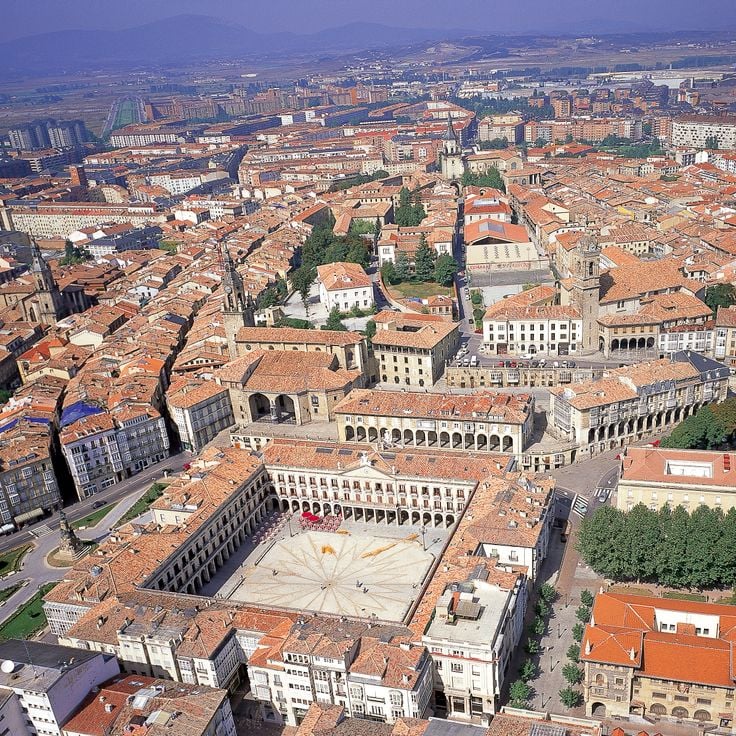
In Bilbao, the Guggenheim Museum sits beside the old town with its lively streets, and the Ribera market where people go shopping. On the coast, the Bizkaia suspension bridge has connected two sides for over a century. Getxo and San Sebastián offer walks facing the ocean. Further south, Vitoria-Gasteiz is full of city parks and a medieval center.
The Basque Mountains hide villages like Lekeitio or Hondarribia, the Urdaibai biosphere reserve, and sites where nature has shaped the land for a long time. These places help visitors see how Basque people live between tradition and new ways. The land keeps its special traits.
Spanish Basque Country: must-see places, museums, and villages
The Spanish Basque Country is explored through its three provinces: Bizkaia, Gipuzkoa, and Alava. Each has its own identity, between sea and mountains, city and countryside. This collection shows places that tell the story and daily life of this region, from the Atlantic coast to the inland valleys.
In Bilbao, the Guggenheim Museum sits beside the old town with its lively streets, and the Ribera market where people go shopping. On the coast, the Bizkaia suspension bridge has connected two sides for over a century. Getxo and San Sebastián offer walks facing the ocean. Further south, Vitoria-Gasteiz is full of city parks and a medieval center.
The Basque Mountains hide villages like Lekeitio or Hondarribia, the Urdaibai biosphere reserve, and sites where nature has shaped the land for a long time. These places help visitors see how Basque people live between tradition and new ways. The land keeps its special traits.
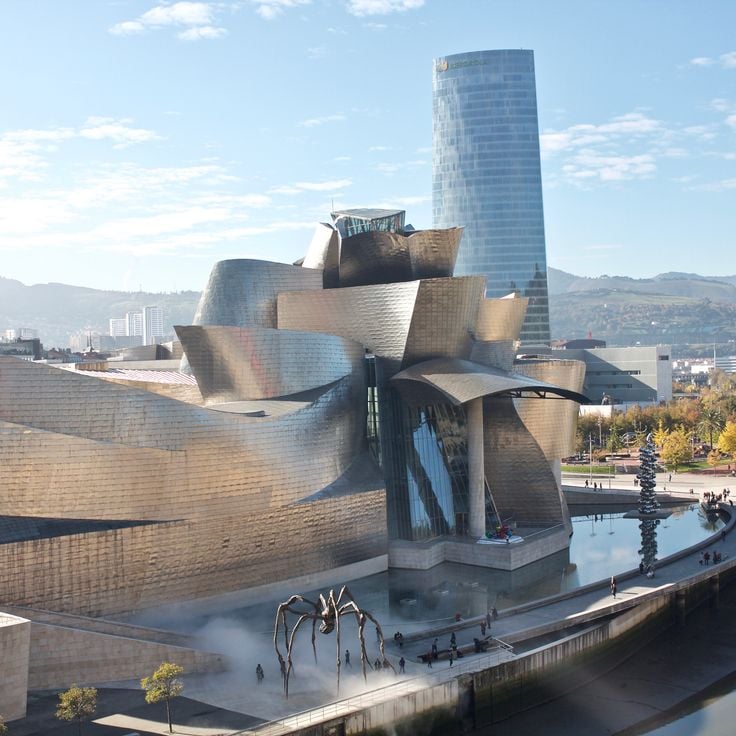
The Guggenheim Museum in Bilbao is a contemporary art museum housed in a distinctive building that sits along the Nervión River. The structure stands out for its unusual shape and materials. Inside, visitors find works by well-known artists from around the world. This museum represents the modern side of the Basque Country, where tradition and innovation exist side by side.
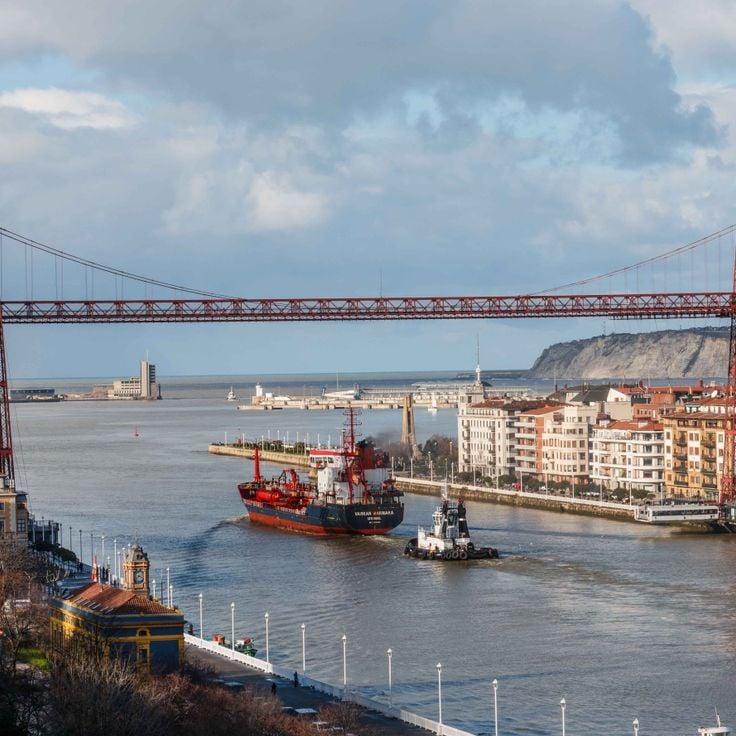
The Bizkaia suspended bridge has connected the banks of the Nervion River between Portugalet and Getxo for over a century. This steel structure tells the story of how the Basque Country developed its industrial landscape and engineering skills. The river flows toward the Atlantic Ocean, and from the bridge you can see the coast and the surrounding area. It remains part of daily life for local people who cross it regularly, while visitors come to understand how this region built itself.
The Urdaibai Biosphere Reserve in Bizkaia is a protected area where wetlands, cliffs, and wildlife come together. This nature reserve shows the diverse landscape of Spanish Basque Country between sea and mountains. Visitors can watch birds, go hiking, and understand how nature shapes this region. The reserve is part of daily Basque life and their connection to the environment.
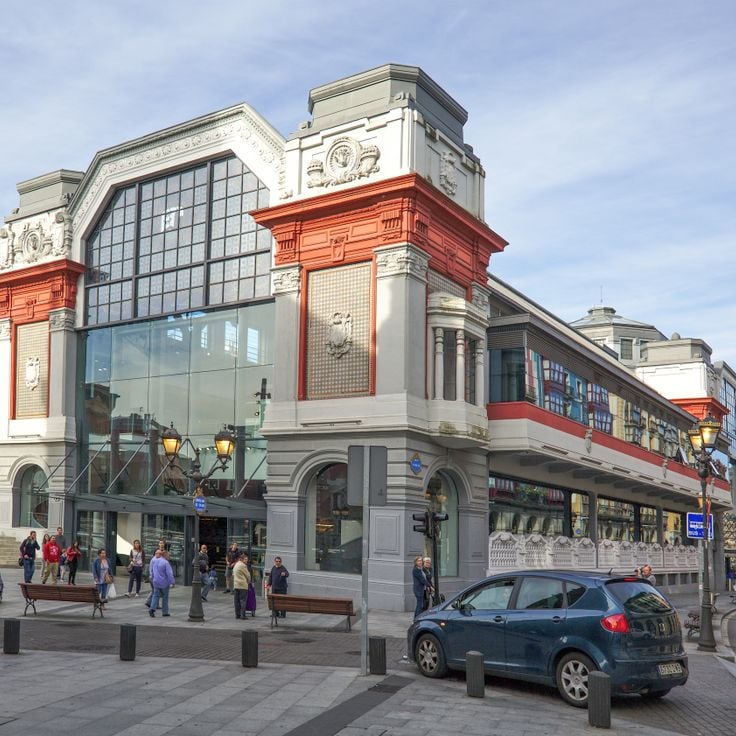
The Mercado de la Ribera is a large covered market on the banks of the Nervión River in Bilbao. Here, residents shop daily for fruits, vegetables, fish, and meat from various vendors. The market sits in the heart of the Casco Viejo, the old quarter with narrow streets. The market hall is where the daily life of the city unfolds and where you can experience Basque culture through the products and people you meet.
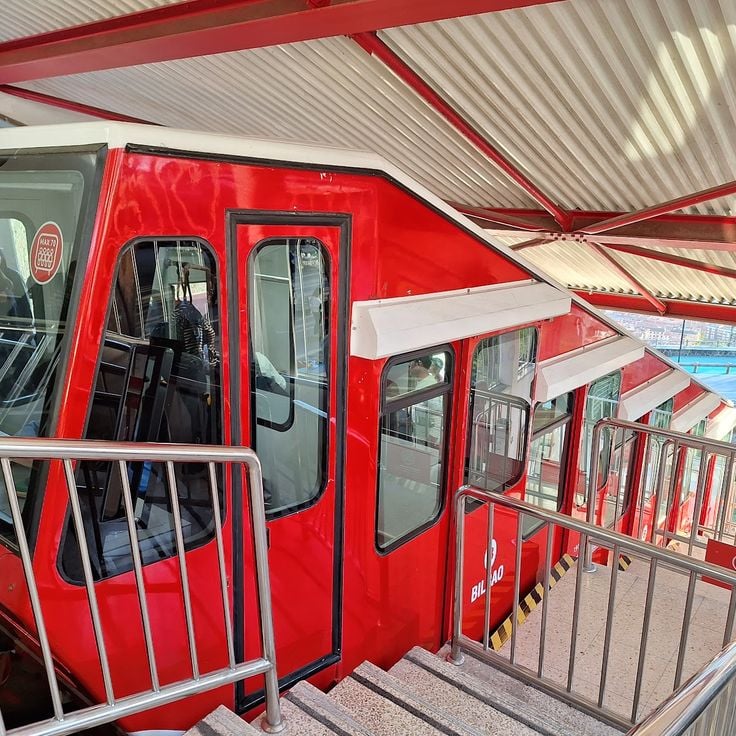
The Artxanda Funicular in Bilbao connects the city with the mountain and offers views of Bilbao and the surrounding landscape during the short ride. The cable car takes visitors away from the busy streets and up to a spot where you can see how the city sits between mountains and river. At the top, there are walking paths and places to sit and take in the views.
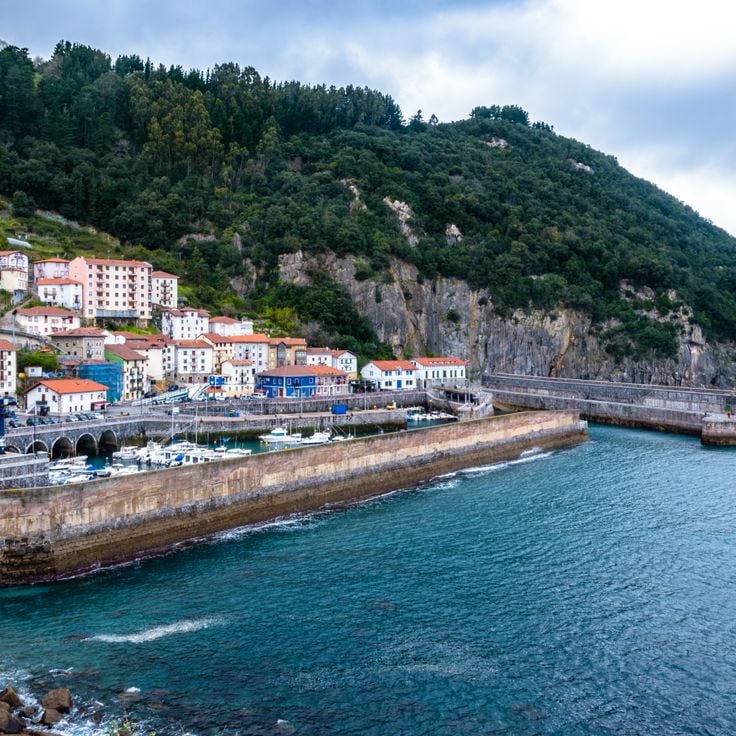
Elantxobe is a village in Bizkaia that sits on steep cliffs overlooking the sea. Houses are stacked closely on the hillside, built from stone and arranged in narrow streets that run between them. The village has kept its old character, with views of the Atlantic Ocean from many spots. Fishing traditions still shape daily life here. People walk through winding paths and see how locals have adapted to living on a dramatic slope. The place shows how communities in this region have lived with the ocean for centuries.
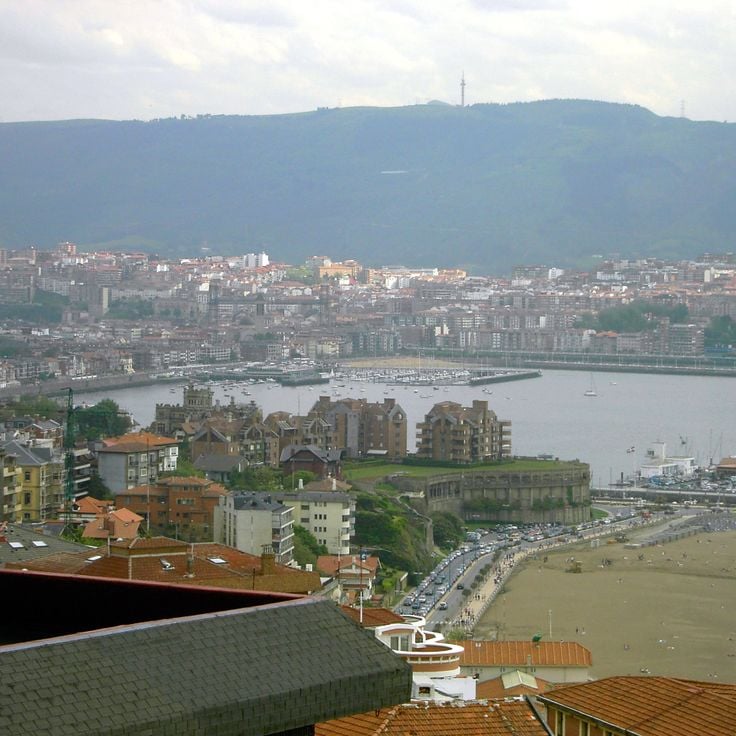
Getxo is a coastal town in the Bizkaia province where you can walk along the Atlantic coast. The town has beaches and cliffs that rise above the sea. Locals come here to stroll and take in the views. The promenades pass rocky formations, and the ocean is always nearby. Getxo shows how the Basque coast draws people who enjoy seaside living.
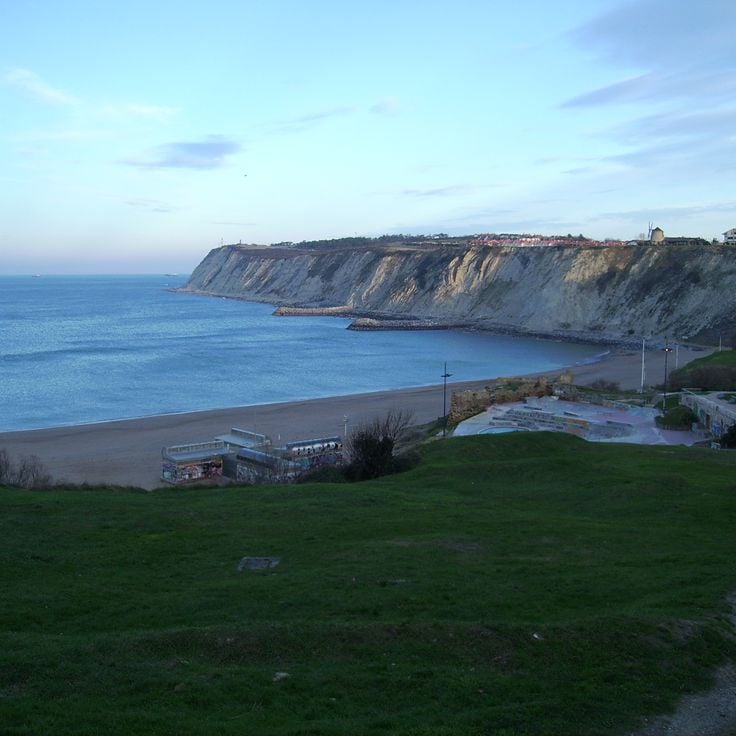
Punta Galea is a headland where tall cliffs drop toward the ocean. From this point, you can see across the Atlantic and along the Getxo coastline. The location shows the power of nature on the Basque coast. People come here to enjoy the view and take photographs. On clear days, your sight stretches far across the water. The cliffs shift their colors with the light throughout the day. This place is part of the coastal landscape that defines the Basque region.
The Guernica Peace Museum tells the story of this town and its significance during the Spanish Civil War. The museum sits near the Casa de Juntas, a historic building closely tied to Basque identity. Visitors can explore how this place preserves the memory of war and peace, and how Guernica has become a symbol of reconciliation today.
Mundaka is a coastal village in Bizkaia known for its surf breaks and estuary. Waves roll in from the Atlantic and draw surfers to its beaches. The setting combines sea views with green hills rising inland. Traditional buildings line the village, and local restaurants serve fresh catch and regional food. The estuary mouth creates a distinctive landscape where river and ocean meet. Walking through Mundaka shows how this Basque coast mixes natural beauty with everyday community life.
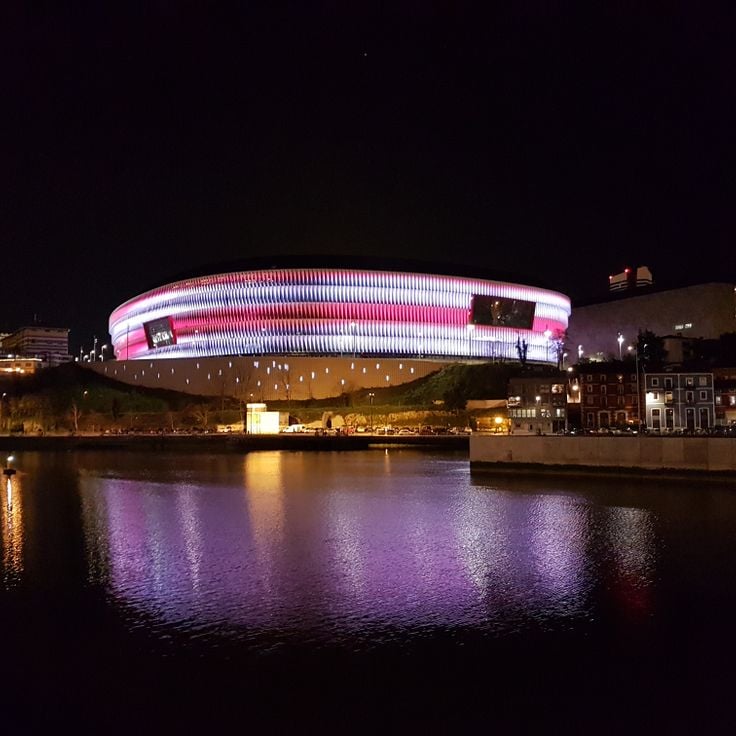
San Mames Stadium in Bilbao has been home to Athletic Club for over one hundred years. The football ground sits in the heart of the city and connects passion for the sport with the history of the Basque Country. Inside the stadium is a museum that displays the club's achievements and traditions. Visitors can see the stands where thousands of fans cheer their team, and learn about the deep connection between the club and Basque identity.
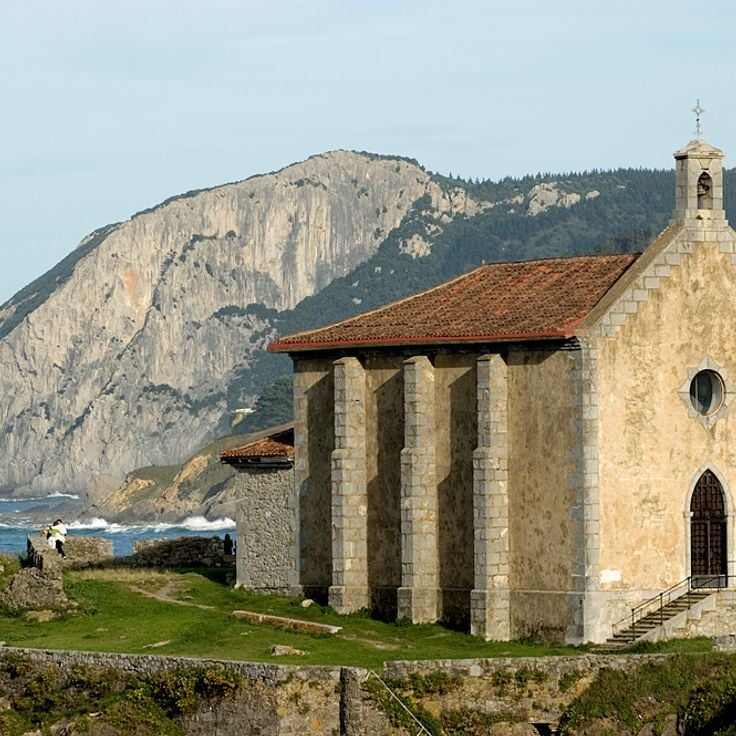
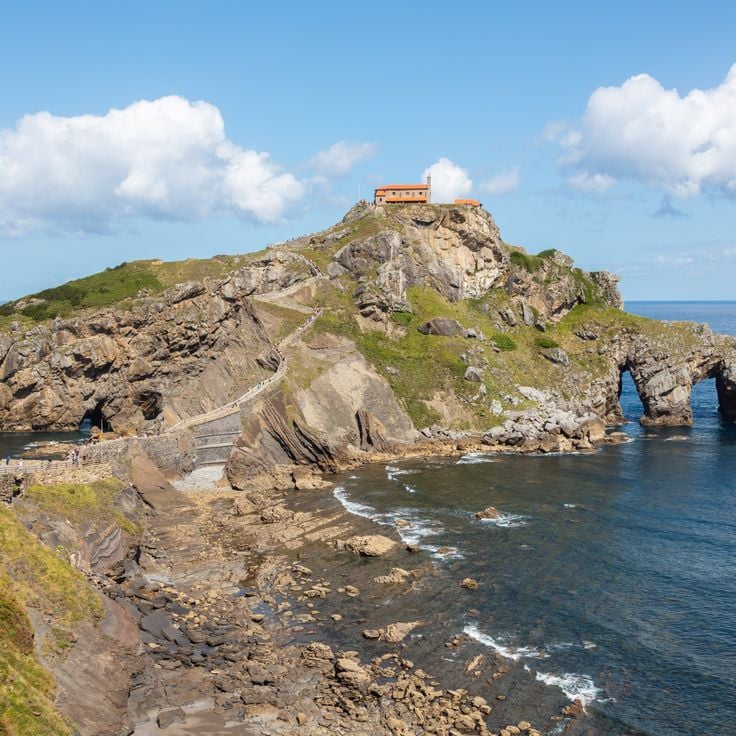
San Juan de Gaztelugatxe is a chapel standing on a rocky islet along the Basque coast. Accessible from Bermeo by a bridge, it sits perched on a narrow rock formation that rises from the sea. Visitors climb the steps to reach it and take in the views across the waters of Bizkaia. The chapel carries the weight of history and shows how Basque people have placed their sacred spaces in remarkable natural locations. It is where the human and the natural world meet.
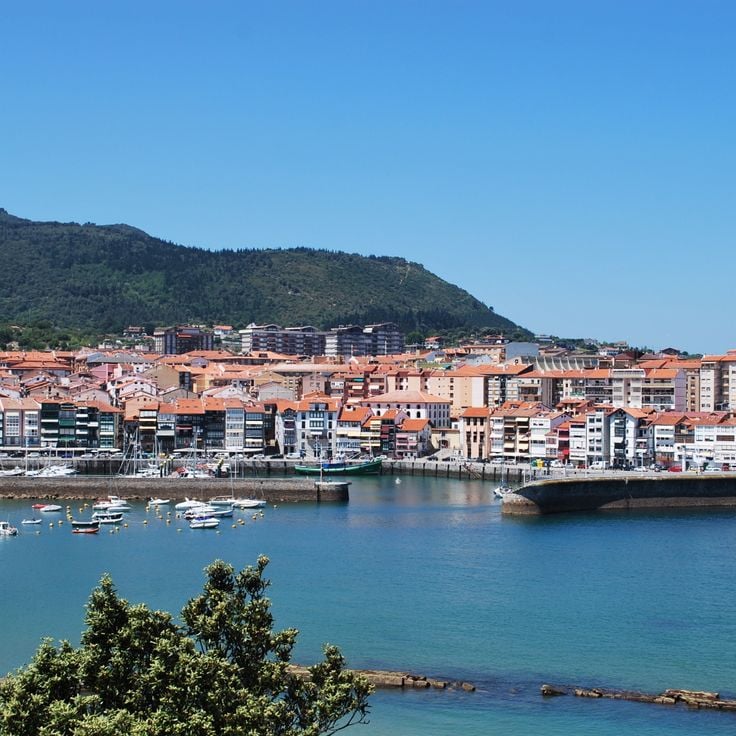
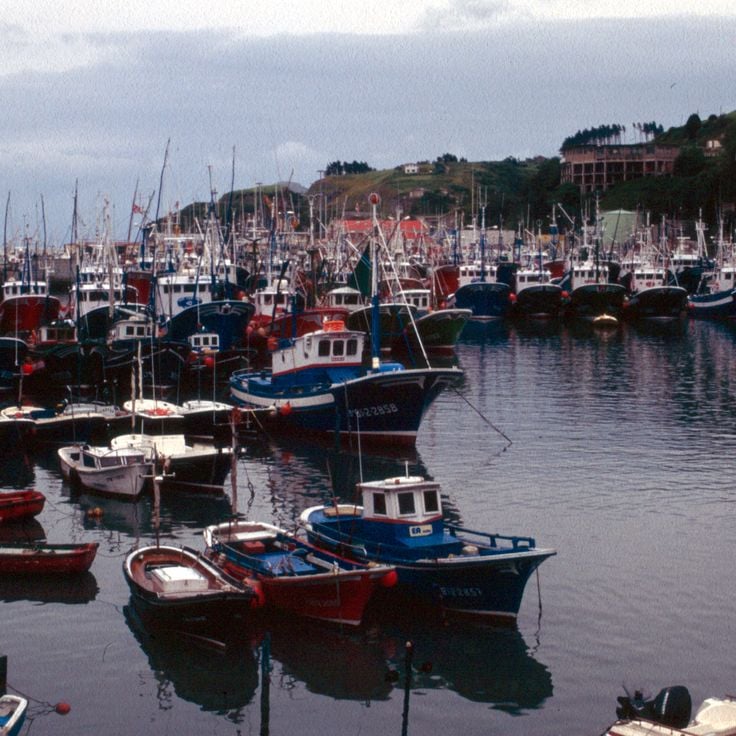
The fishing village of Lekeitio shows itself through its working harbor, where fishing boats line the docks and the rhythm of the sea shapes daily life. The long beach invites walks along the sand, while the Church of Santa Maria stands above the water with its Gothic lines. The village keeps its character through narrow streets where restaurants serve fish caught nearby, and Basques maintain their ways. Lekeitio embodies the connection between fishing, ocean, and culture in Basque Country.
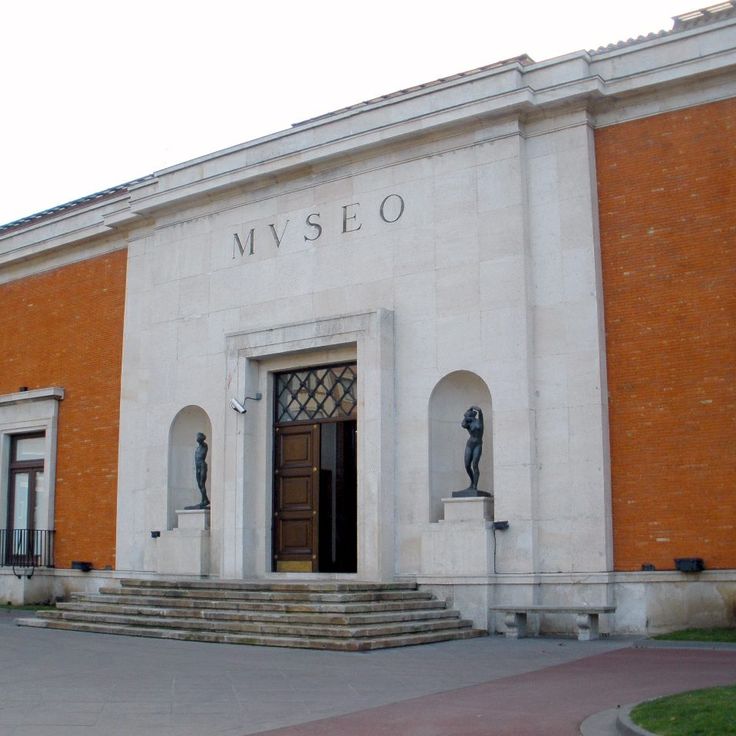
The Museo de Bellas Artes de Bilbao displays artworks from Spain and around the world. This museum sits at the heart of this Basque city and offers visitors an overview of different periods and styles. The collections range from old art to modern works and allow you to follow artistic development across time. This place stands as one of Bilbao's major cultural institutions and shapes the region's cultural life.
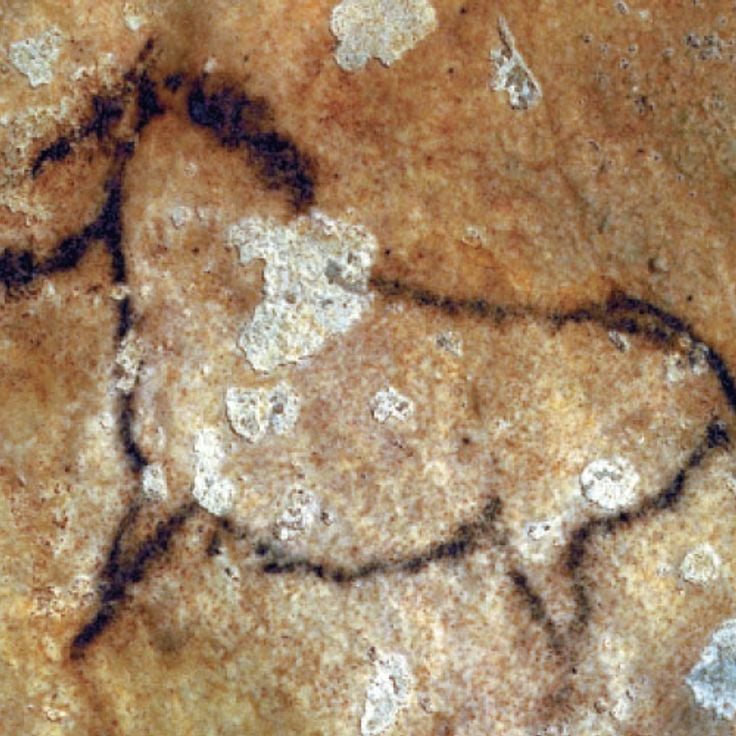
The Santimamiñe Cave in Kortezubi holds paintings created by people who lived thousands of years ago. Walking into this cave, you encounter traces left by the earliest inhabitants of the Basque Country. The painted walls show how these ancient people understood their world and left behind their mark on stone. This site connects visitors to the deep history of the region, long before cities and modern life shaped the landscape.
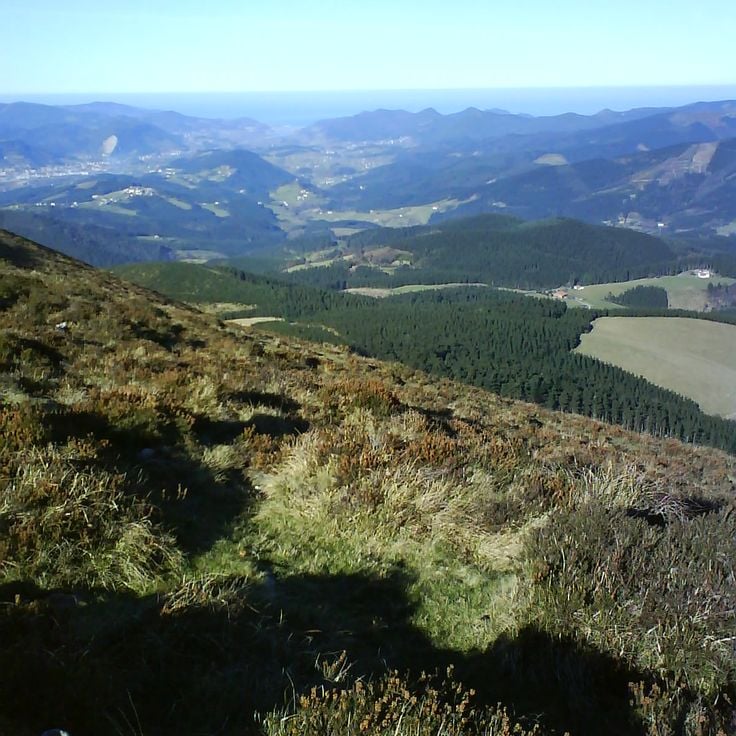
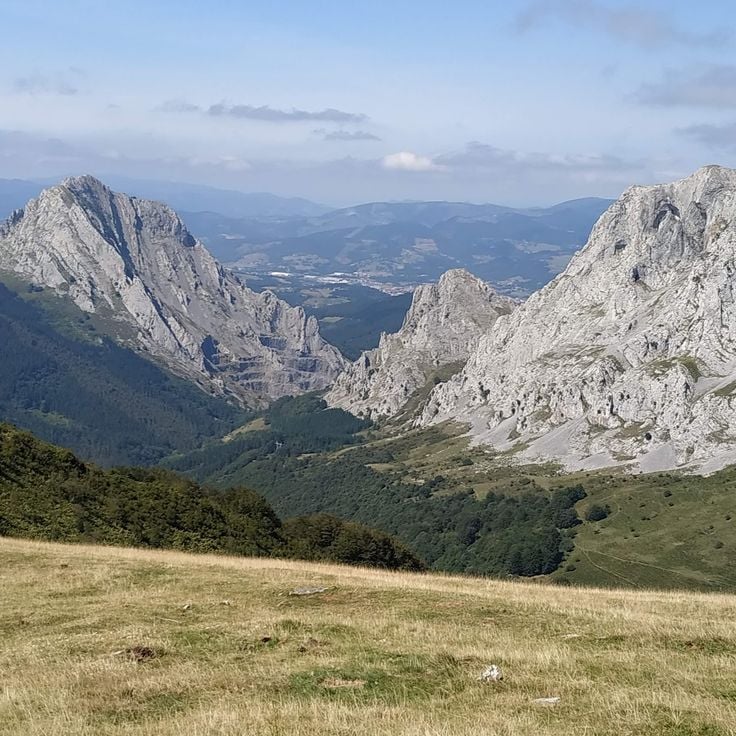
The Urkiola natural park in Durangaldea is a mountainous area covered with forests and crossed by hiking paths. The park shows what the Basque landscape looks like: forested slopes, open plateaus, and valleys with streams running through them. Visitors find trails here suited to different levels of ability, from easy walks to more demanding hikes. The plants and animals are typical of the Basque Pyrenees. On clear days, the views from higher elevations reach far across the surrounding lands. Local people and visitors come here to spend time outdoors and move through the forest.
Bermeo is a fishing port on the Bizkaia coast where traditional boats still depart for the sea. The maritime museum tells the story of fishermen and their life on the water. The town has a working harbor where you can see how people fish and sell their catch each day. Narrow streets lead down to the water, and the houses show the long connection between this region and the ocean.
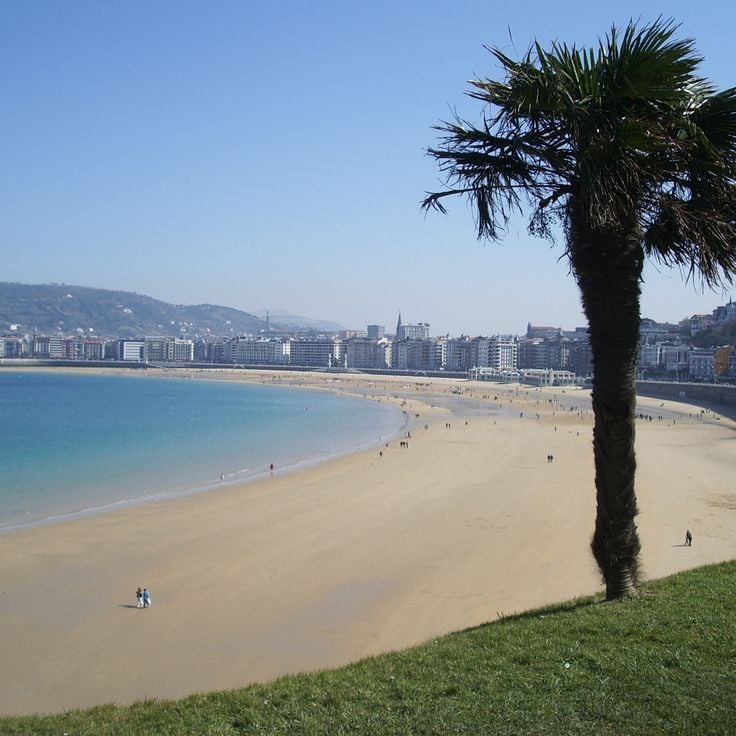
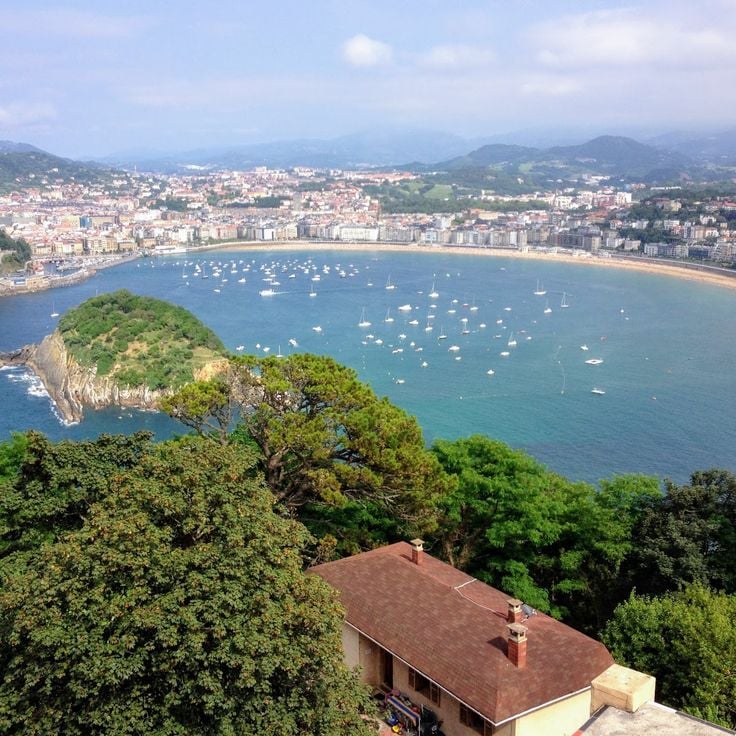
Playa Concha in Donostia is a large sandy beach set within the city itself. It curves gently inside a bay surrounded by green hills. People come here to swim, walk along the shore, or simply rest on the sand. The beach is woven into daily life in the city - you see swimmers and joggers in the morning, families in the afternoon. Behind the beach runs a promenade lined with restaurants and cafes where visitors can eat and drink while watching the water. This beach shows how the Basque Country mixes nature with city living.
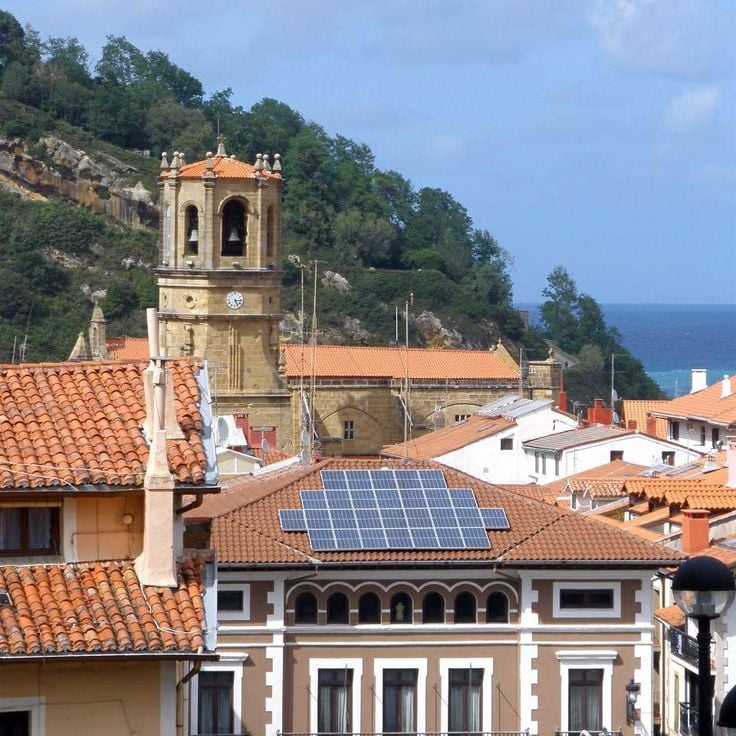
Getaria is a small fishing port on the Basque coast where the sea shapes daily life. A Gothic church stands on a rocky headland above the water, one of the village's most recognizable landmarks. The natural harbor has been used by fishermen for centuries, and boats still arrive with fresh catches. A beach curves along the shore, where people swim and walk regardless of the season. Narrow streets slope down toward the water, lined with restaurants and small shops. The view changes constantly throughout the day as light and weather shift over the ocean.
Parte Vieja is the old center of Donostia. Narrow streets wind through the quarter, inviting you to explore. Along these streets, traditional bars crowd together, each serving pintxos - small bites of food on bread that you order at the counter. This is where locals gather, especially in the evening. The building facades show the marks of time, and the quarter lives with the daily rhythm of the city.
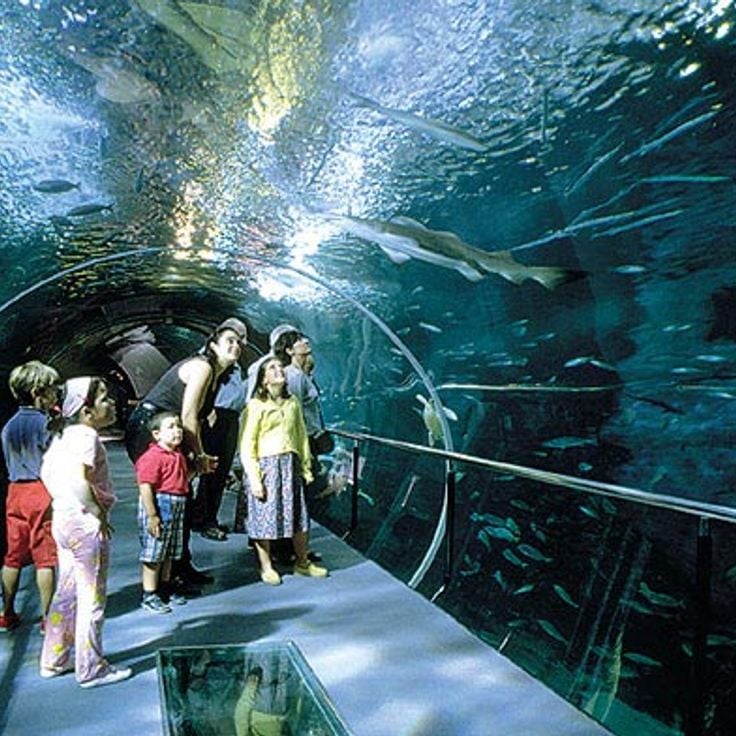
The Aquarium of San Sebastian sits right on the coast of Gipuzkoa and displays the wildlife of the Atlantic Ocean. Visitors can observe fish, marine mammals, and other creatures that live in the cold waters offshore. The building itself stands at the water's edge with views over the bay. This aquarium helps show how important the sea has been to the Basques and their way of life.
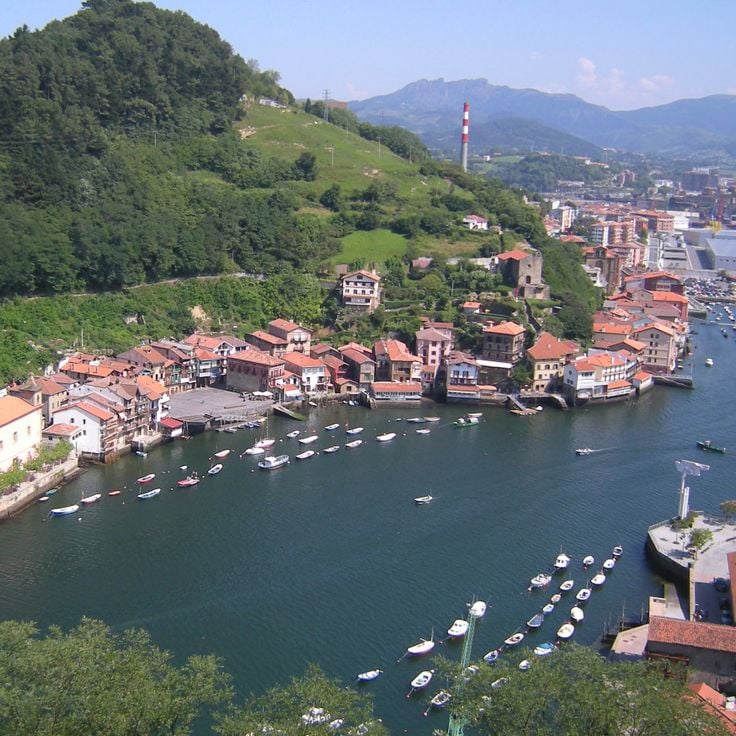
Pasaia is a coastal place with two villages set around a bay. The town has a small historic port where fishing boats still dock. Houses are built close together along the waterfront and their reflections shimmer in the water. People come here to shop, eat, or simply enjoy the view. The port has been central to fishing for many generations and shapes daily life today. Pasaia shows how the Basque coast has always been connected to the sea.
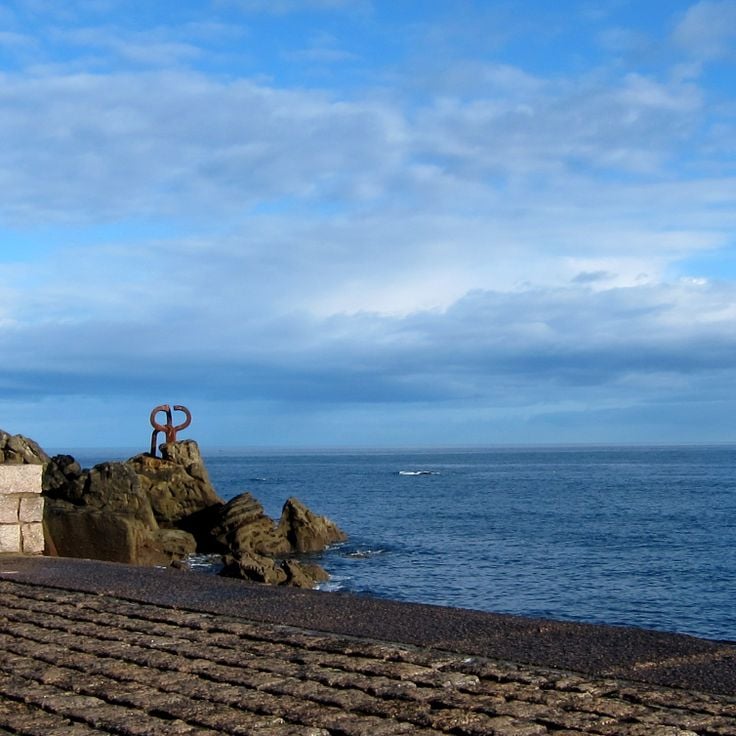
Peine del Viento is an artistic installation set on the rocks along the coast of Donostia. It consists of three large iron sculptures created by artist Eduardo Chillida. The installation sits directly at the sea's edge, where waves and wind interact with the work. This piece reflects the modern art of the Basque country and shows how contemporary artworks are integrated into the natural landscape.
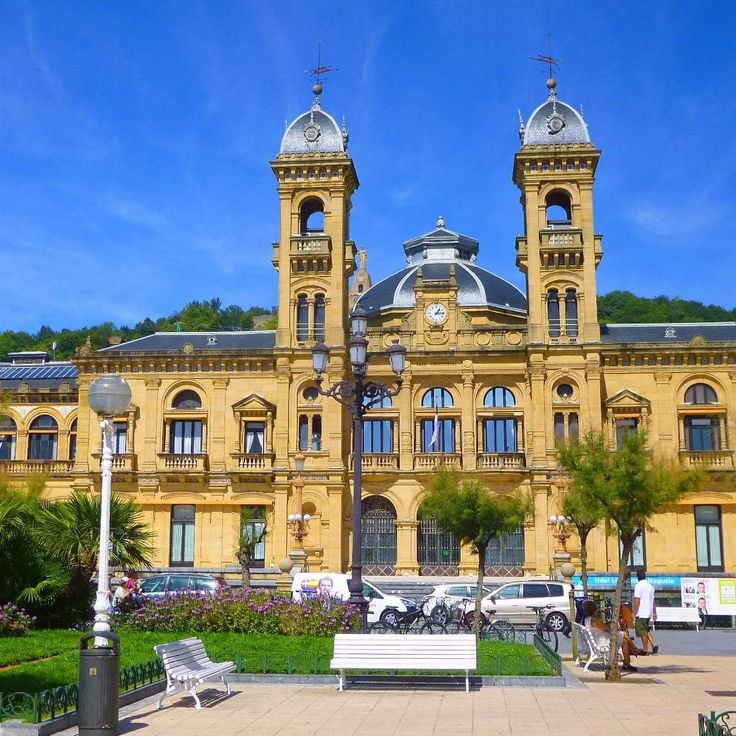
Donostia is a coastal city in the Basque Country shaped by its shell-like bay. The historic center sits near the water, where narrow streets wind between old buildings and local shops shape daily life. The beaches offer places to walk and watch the ocean, while the surrounding hills provide views over the city and coast. In its restaurants and bars, Basque food is central to how people gather and spend time together. The city blends seaside life with urban tradition.
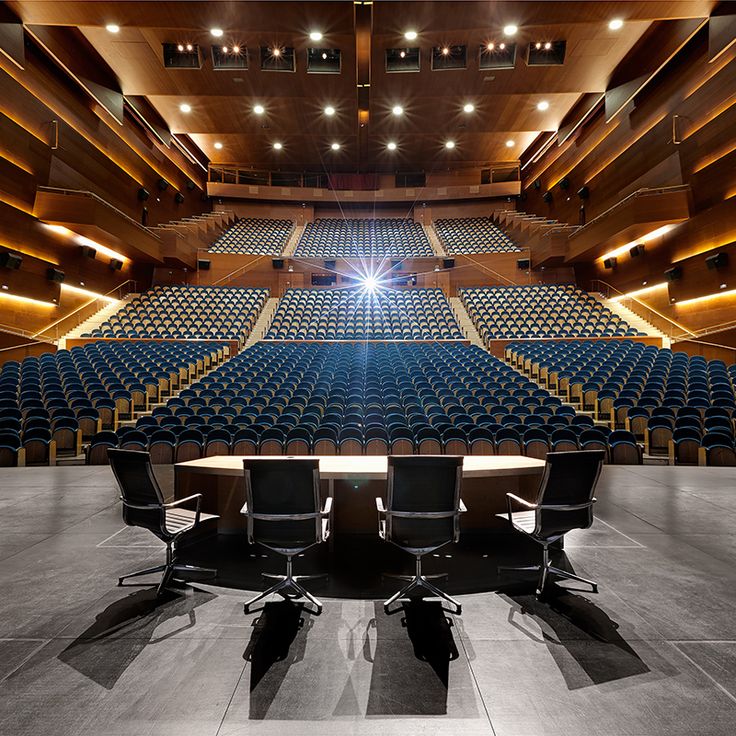
The Kursaal is a modern congress and performance venue located in Donostia on the coast of Gipuzkoa. The building stands out for its contemporary design and contrasts with the historic city center. It hosts conferences, concerts, and cultural events that draw visitors from across the region. The center is an important part of modern life in the city and shows how the Basque people shape their city between tradition and the present.
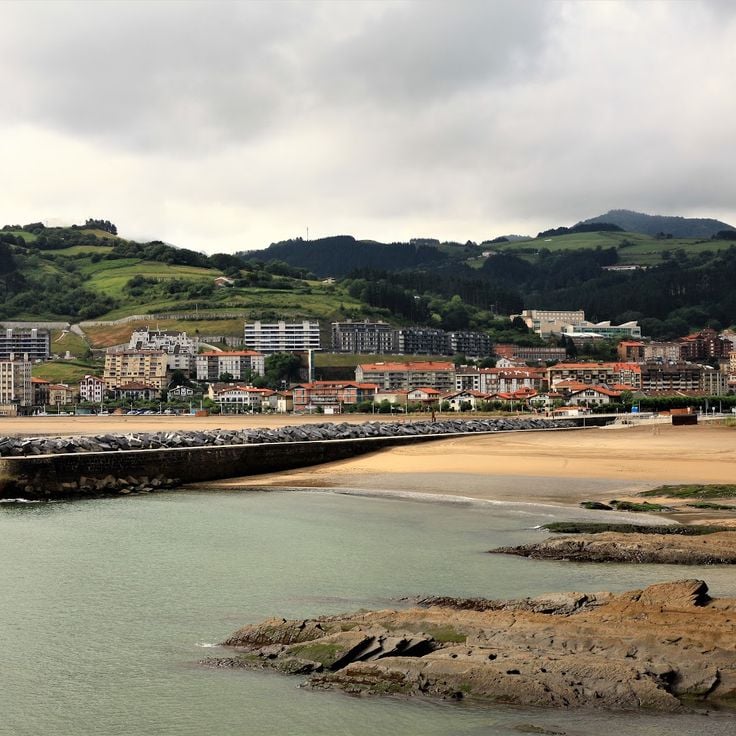
Deba is a coastal village in Gipuzkoa nestled between the sea and mountains. The village brings together beach life with a town center featuring traditional houses and the church of Santa Maria. The beaches of Deba are ideal for walking and reveal how daily life unfolds in this Basque community, where fishing and tourism shape the local economy.
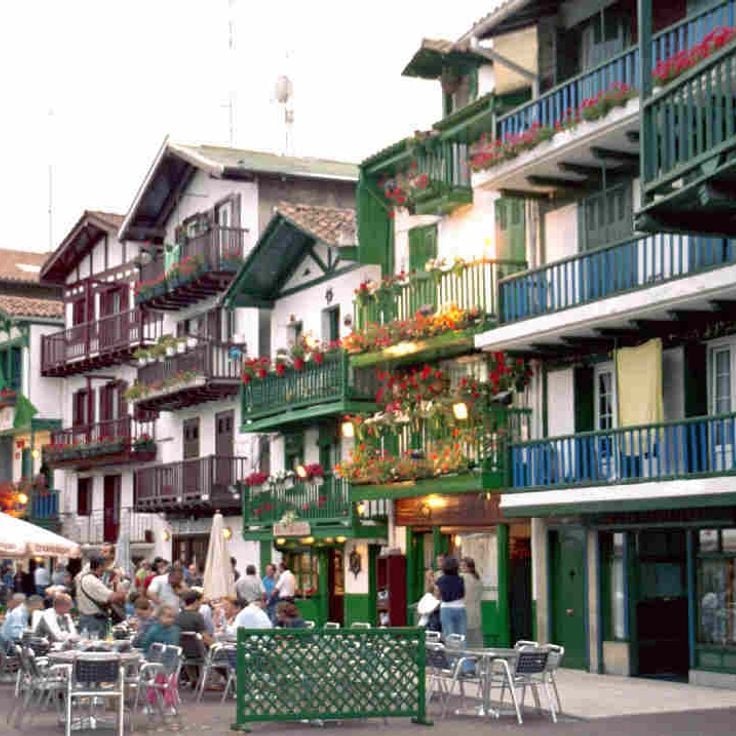
Hondarribia is an old fortified town in Gipuzkoa with medieval walls and narrow stone streets. The town shows how the Basque Country connects sea and history. The harbor remains the center of daily life, where fishing boats dock and people gather. The old town with its tight lanes and stone houses tells of centuries spent as a border settlement. From here you can see the French coast across the bay.
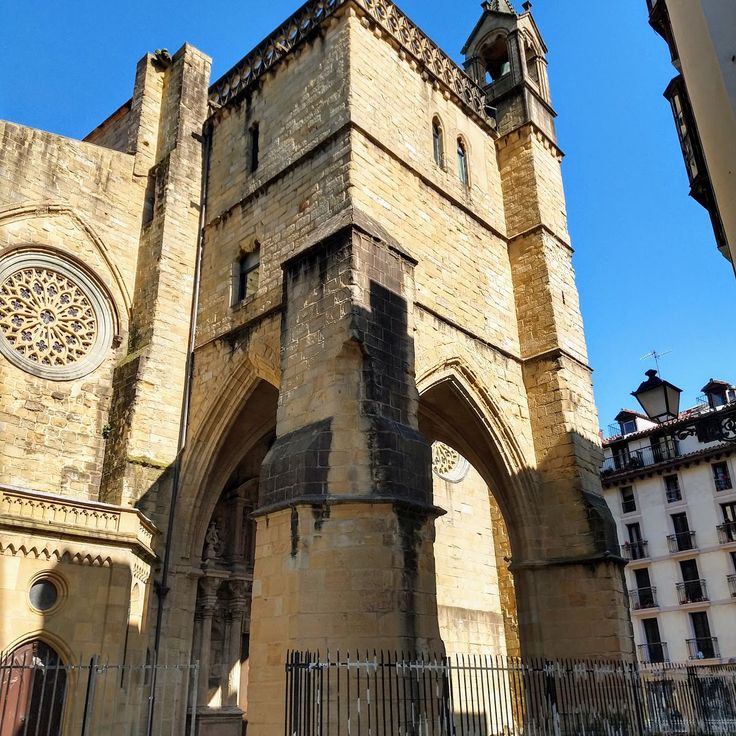
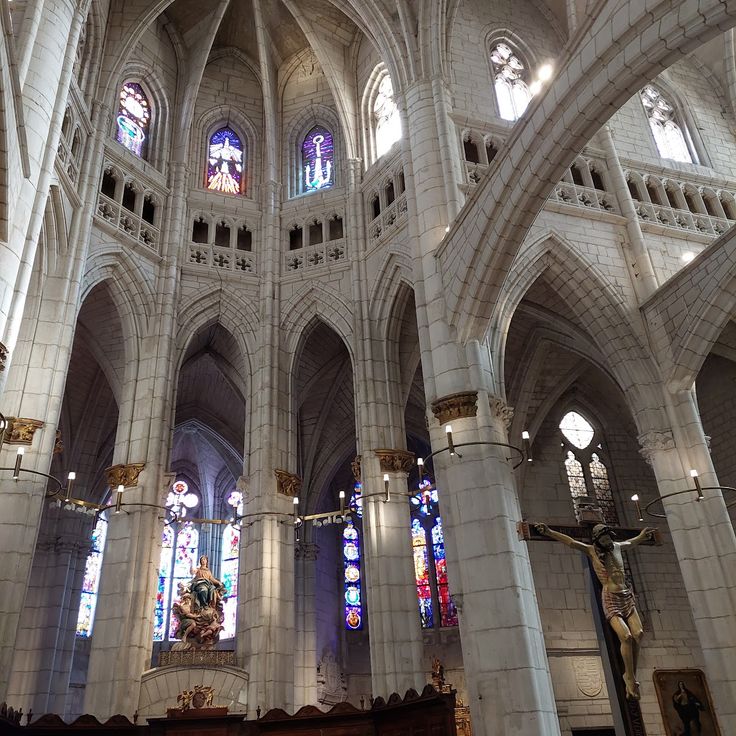
The Cathedral of Santa Maria of Vitoria stands in the heart of the medieval center of Vitoria-Gasteiz. Built over many centuries, it displays the Gothic architecture that shaped the region. This cathedral is more than a place of worship; it is a record of how Basques built and rebuilt their city over time. Visitors can explore the stone vaults and architectural details that speak of the craftsmanship of past generations.
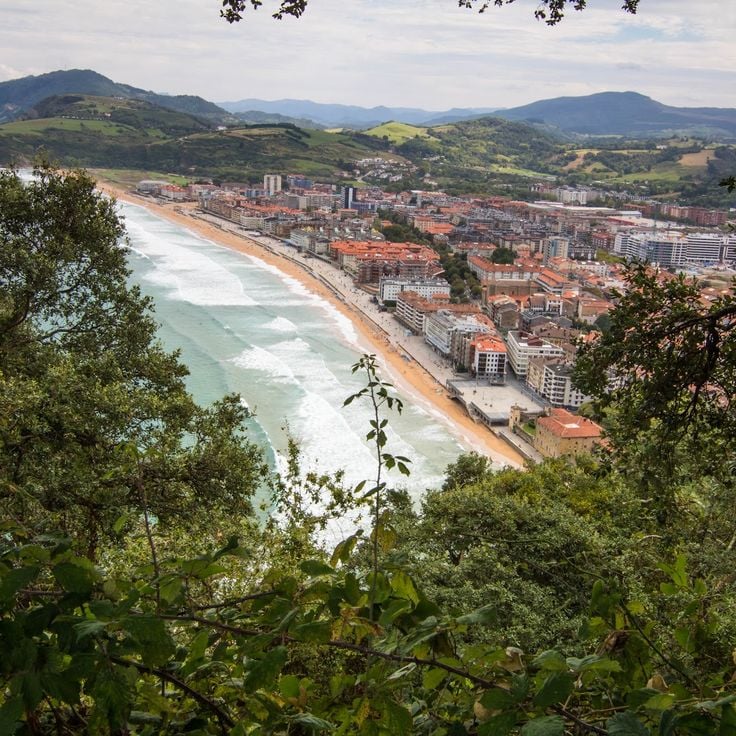
Zarautz is a beach on Spain's Basque coast where a long stretch of sand meets the Atlantic Ocean. Waves here attract people looking to surf or swim. The beach sits between green hills and a small town behind it. You can walk along the shore, go in the water, or watch the waves come in. The place has kept its natural rhythm between sea and land.
Monte Igueldo rises above Donostia and offers views from its peak across the bay and the city below. You can walk up or take an old rack railway to reach the top. Once there, you see the beaches of La Concha and the surrounding hills. It is a place where both locals and visitors come to experience the coast from a different vantage point.
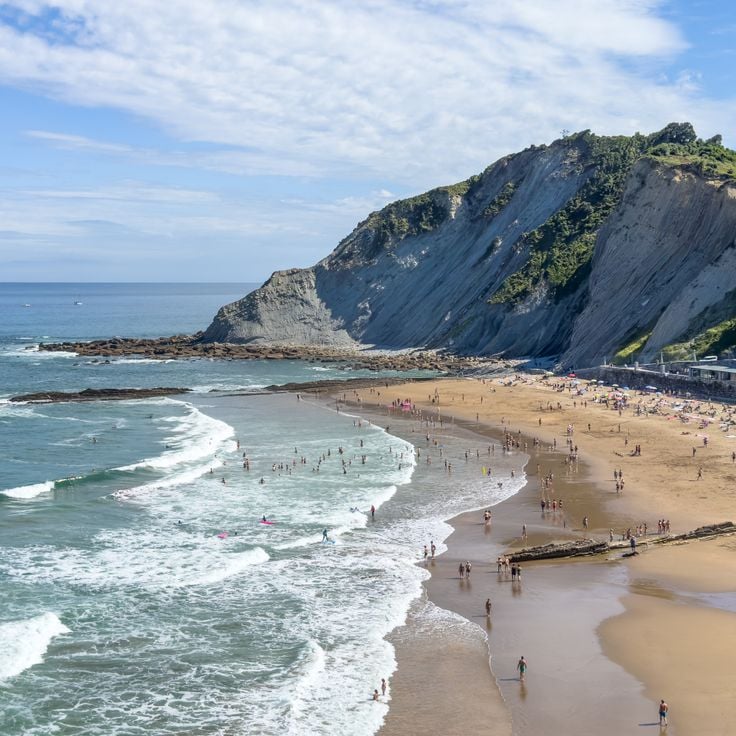
The cliffs of Itzurun display striking layers of rock from different periods. This area near Zumaia reveals geological history through colored stripes in the rock face that opens toward the sea. You see layers of limestone, sandstone, and clay stacked one above the other like pages in a book. Visitors walk along the coast and observe how water and time have shaped the rocks. This place is part of the flysch, a region with extraordinary rock formations.
The Casco Viejo is the historic core of Bilbao and shows the city in its original form. Its narrow streets run through the old town, where traditional shops, restaurants, and taverns line the way. Plaza Nueva, a large rectangular square from the 18th century, is a gathering place for residents and a spot where the city's daily life unfolds. In this quarter, people walk daily, sit in cafes, and shop at the market. The architecture features stone facades and tight passages that reflect centuries of history. This neighborhood brings together past and present and shows how Bilbao is lived.
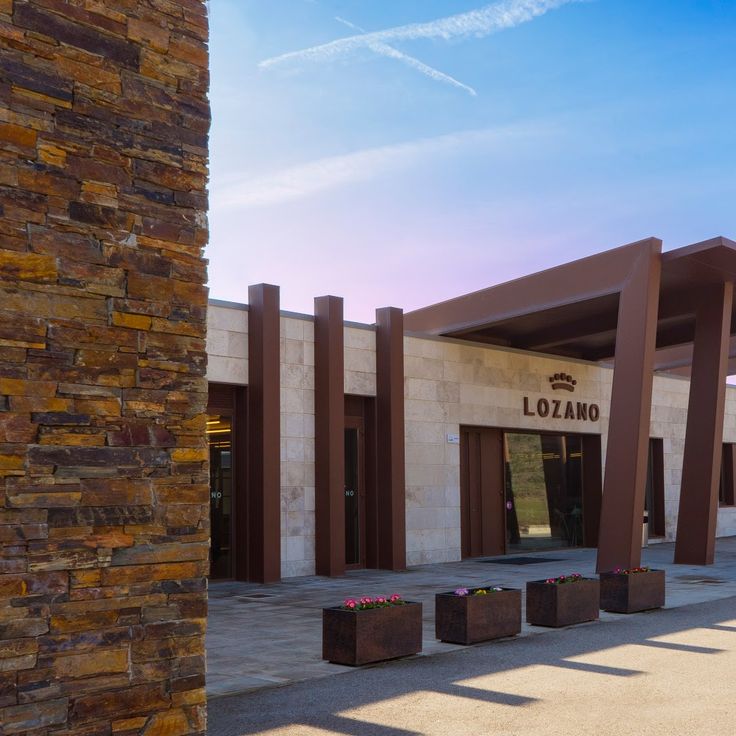
The Rioja Alavesa is a wine-growing region in southern Alava, spread across gentle hills and valleys. Grapevines cover the landscape in rows, and the climate here supports the production of quality wines. Small villages dot the area between the vineyards, each with its own character and pace of life. The wineries, called bodegas, invite visitors to watch how wine is made and to taste what grows in these fields. Walking through this region, you see old stone buildings that speak to centuries of winemaking, and the rolling terrain creates a sense of continuity between past and present ways of life.
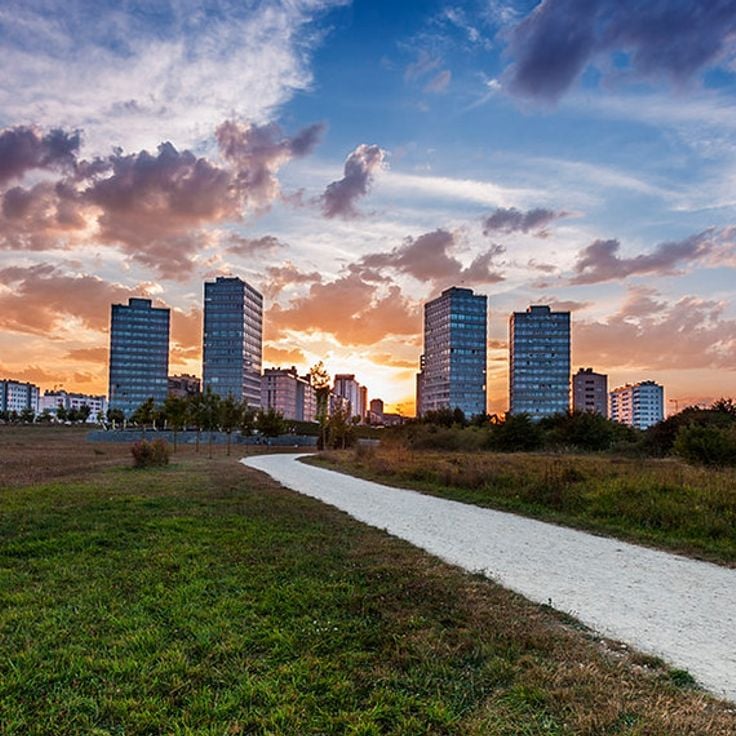
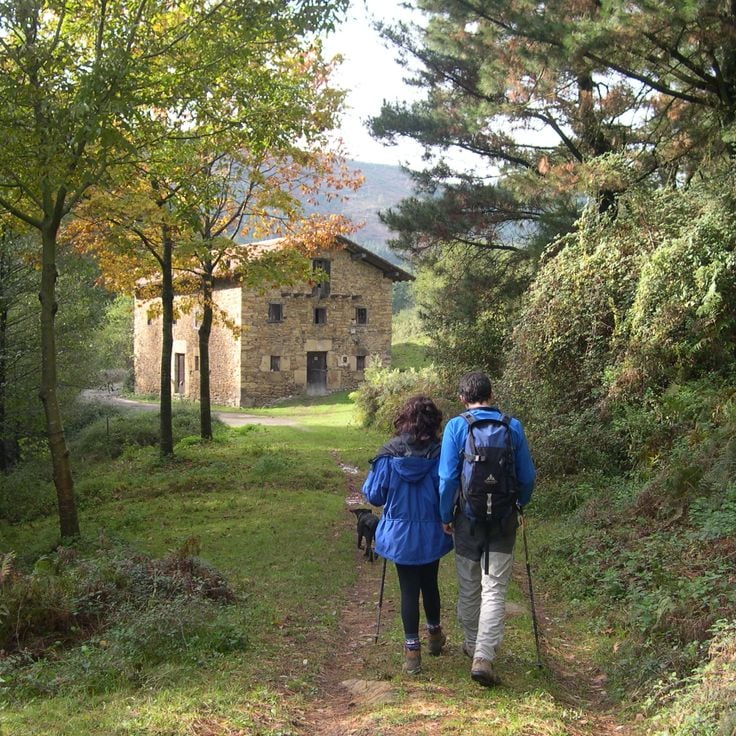
The Anillo Verde is a green belt that encircles Vitoria-Gasteiz. It consists of parks and walking trails that connect the city with the surrounding countryside. This ring allows residents to move on foot or by bicycle through green spaces while exploring the city. The Anillo Verde shows how the Basque capital incorporates nature into urban life.
Mutriku is a port town on the Gipuzkoa coast where stone buildings tell the story of the region's past. Fishing has shaped this place, and visitors can still see fishermen unloading their catch at the harbor. Narrow streets lead to squares where neighbors gather, and the feeling here blends maritime tradition with everyday life.
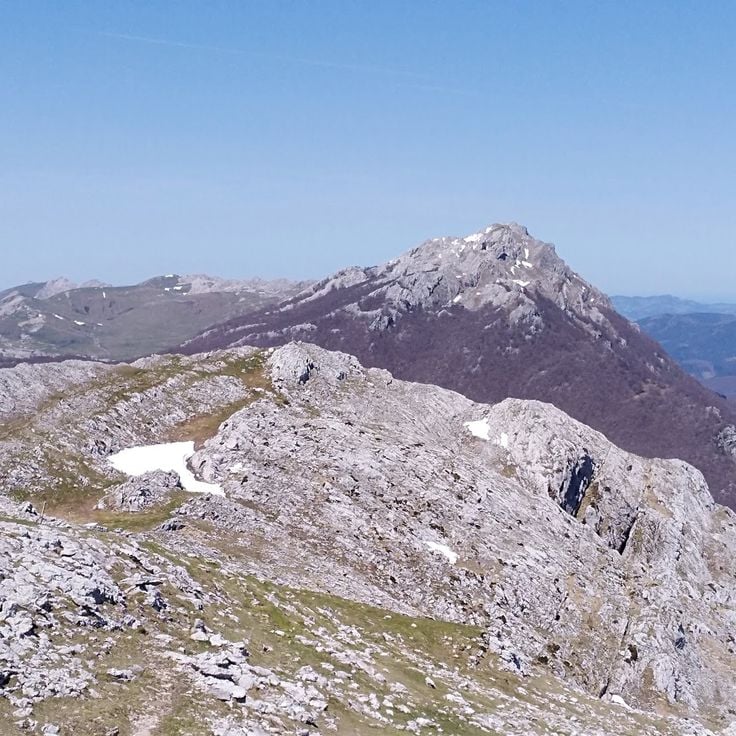
The Aizkorri-Aratz Natural Park sits in the Basque mountains and features hiking trails through diverse mountain terrain. The region is known for the plants and animals that live at higher elevations. Visitors can choose from various routes, ranging from easy walks to more demanding hikes. The park allows you to experience Basque nature firsthand and discover the quieter side of this region.
Vitoria-Gasteiz is the capital of the Basque region and shows how this area moves between past and present. The city has a medieval core with walls arranged in concentric circles, like rings around the old town. Green parks run through the city and create space to walk and rest. Here you can see how Basque tradition continues in modern urban life, with markets, cafes, and streets shaped by how people live their daily lives.
Gorbeia Natural Park is a mountainous area with forests and hiking trails. Visitors can walk through different elevations and experience how the landscape shapes daily life in the Basque region. The park reveals the natural character of the territory between tradition and modernity.
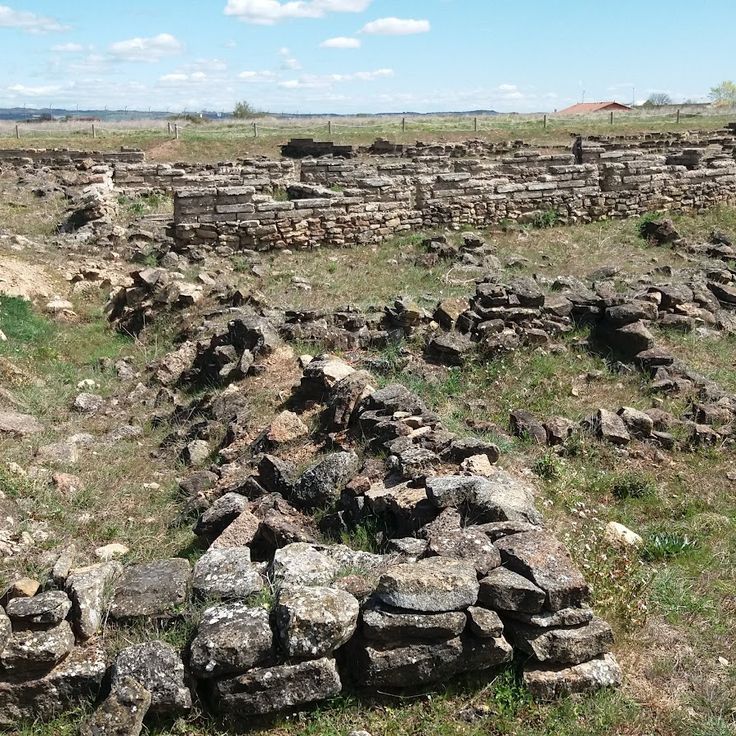
La Hoya is a fortified village in Alava province, surrounded by vineyards. The village preserves its medieval structure with defensive walls that have shaped life here for centuries. The vineyards around La Hoya show how closely agriculture and daily life are connected in this region. Visitors can see here how tradition and wine production define the rhythm of the area.
The Guggenheim Museum in Bilbao is a contemporary art museum housed in a distinctive building that sits along the Nervión River. The structure stands out for its unusual shape and materials. Inside, visitors find works by well-known artists from around the world. This museum represents the modern side of the Basque Country, where tradition and innovation exist side by side.
The Bizkaia suspended bridge has connected the banks of the Nervion River between Portugalet and Getxo for over a century. This steel structure tells the story of how the Basque Country developed its industrial landscape and engineering skills. The river flows toward the Atlantic Ocean, and from the bridge you can see the coast and the surrounding area. It remains part of daily life for local people who cross it regularly, while visitors come to understand how this region built itself.
The Urdaibai Biosphere Reserve in Bizkaia is a protected area where wetlands, cliffs, and wildlife come together. This nature reserve shows the diverse landscape of Spanish Basque Country between sea and mountains. Visitors can watch birds, go hiking, and understand how nature shapes this region. The reserve is part of daily Basque life and their connection to the environment.
The Mercado de la Ribera is a large covered market on the banks of the Nervión River in Bilbao. Here, residents shop daily for fruits, vegetables, fish, and meat from various vendors. The market sits in the heart of the Casco Viejo, the old quarter with narrow streets. The market hall is where the daily life of the city unfolds and where you can experience Basque culture through the products and people you meet.
The Artxanda Funicular in Bilbao connects the city with the mountain and offers views of Bilbao and the surrounding landscape during the short ride. The cable car takes visitors away from the busy streets and up to a spot where you can see how the city sits between mountains and river. At the top, there are walking paths and places to sit and take in the views.
Elantxobe is a village in Bizkaia that sits on steep cliffs overlooking the sea. Houses are stacked closely on the hillside, built from stone and arranged in narrow streets that run between them. The village has kept its old character, with views of the Atlantic Ocean from many spots. Fishing traditions still shape daily life here. People walk through winding paths and see how locals have adapted to living on a dramatic slope. The place shows how communities in this region have lived with the ocean for centuries.
Getxo is a coastal town in the Bizkaia province where you can walk along the Atlantic coast. The town has beaches and cliffs that rise above the sea. Locals come here to stroll and take in the views. The promenades pass rocky formations, and the ocean is always nearby. Getxo shows how the Basque coast draws people who enjoy seaside living.
Punta Galea is a headland where tall cliffs drop toward the ocean. From this point, you can see across the Atlantic and along the Getxo coastline. The location shows the power of nature on the Basque coast. People come here to enjoy the view and take photographs. On clear days, your sight stretches far across the water. The cliffs shift their colors with the light throughout the day. This place is part of the coastal landscape that defines the Basque region.
The Guernica Peace Museum tells the story of this town and its significance during the Spanish Civil War. The museum sits near the Casa de Juntas, a historic building closely tied to Basque identity. Visitors can explore how this place preserves the memory of war and peace, and how Guernica has become a symbol of reconciliation today.
Mundaka is a coastal village in Bizkaia known for its surf breaks and estuary. Waves roll in from the Atlantic and draw surfers to its beaches. The setting combines sea views with green hills rising inland. Traditional buildings line the village, and local restaurants serve fresh catch and regional food. The estuary mouth creates a distinctive landscape where river and ocean meet. Walking through Mundaka shows how this Basque coast mixes natural beauty with everyday community life.
San Mames Stadium in Bilbao has been home to Athletic Club for over one hundred years. The football ground sits in the heart of the city and connects passion for the sport with the history of the Basque Country. Inside the stadium is a museum that displays the club's achievements and traditions. Visitors can see the stands where thousands of fans cheer their team, and learn about the deep connection between the club and Basque identity.
San Juan de Gaztelugatxe is a chapel standing on a rocky islet along the Basque coast. Accessible from Bermeo by a bridge, it sits perched on a narrow rock formation that rises from the sea. Visitors climb the steps to reach it and take in the views across the waters of Bizkaia. The chapel carries the weight of history and shows how Basque people have placed their sacred spaces in remarkable natural locations. It is where the human and the natural world meet.
The fishing village of Lekeitio shows itself through its working harbor, where fishing boats line the docks and the rhythm of the sea shapes daily life. The long beach invites walks along the sand, while the Church of Santa Maria stands above the water with its Gothic lines. The village keeps its character through narrow streets where restaurants serve fish caught nearby, and Basques maintain their ways. Lekeitio embodies the connection between fishing, ocean, and culture in Basque Country.
The Museo de Bellas Artes de Bilbao displays artworks from Spain and around the world. This museum sits at the heart of this Basque city and offers visitors an overview of different periods and styles. The collections range from old art to modern works and allow you to follow artistic development across time. This place stands as one of Bilbao's major cultural institutions and shapes the region's cultural life.
The Santimamiñe Cave in Kortezubi holds paintings created by people who lived thousands of years ago. Walking into this cave, you encounter traces left by the earliest inhabitants of the Basque Country. The painted walls show how these ancient people understood their world and left behind their mark on stone. This site connects visitors to the deep history of the region, long before cities and modern life shaped the landscape.
The Urkiola natural park in Durangaldea is a mountainous area covered with forests and crossed by hiking paths. The park shows what the Basque landscape looks like: forested slopes, open plateaus, and valleys with streams running through them. Visitors find trails here suited to different levels of ability, from easy walks to more demanding hikes. The plants and animals are typical of the Basque Pyrenees. On clear days, the views from higher elevations reach far across the surrounding lands. Local people and visitors come here to spend time outdoors and move through the forest.
Bermeo is a fishing port on the Bizkaia coast where traditional boats still depart for the sea. The maritime museum tells the story of fishermen and their life on the water. The town has a working harbor where you can see how people fish and sell their catch each day. Narrow streets lead down to the water, and the houses show the long connection between this region and the ocean.
Playa Concha in Donostia is a large sandy beach set within the city itself. It curves gently inside a bay surrounded by green hills. People come here to swim, walk along the shore, or simply rest on the sand. The beach is woven into daily life in the city - you see swimmers and joggers in the morning, families in the afternoon. Behind the beach runs a promenade lined with restaurants and cafes where visitors can eat and drink while watching the water. This beach shows how the Basque Country mixes nature with city living.
Getaria is a small fishing port on the Basque coast where the sea shapes daily life. A Gothic church stands on a rocky headland above the water, one of the village's most recognizable landmarks. The natural harbor has been used by fishermen for centuries, and boats still arrive with fresh catches. A beach curves along the shore, where people swim and walk regardless of the season. Narrow streets slope down toward the water, lined with restaurants and small shops. The view changes constantly throughout the day as light and weather shift over the ocean.
Parte Vieja is the old center of Donostia. Narrow streets wind through the quarter, inviting you to explore. Along these streets, traditional bars crowd together, each serving pintxos - small bites of food on bread that you order at the counter. This is where locals gather, especially in the evening. The building facades show the marks of time, and the quarter lives with the daily rhythm of the city.
The Aquarium of San Sebastian sits right on the coast of Gipuzkoa and displays the wildlife of the Atlantic Ocean. Visitors can observe fish, marine mammals, and other creatures that live in the cold waters offshore. The building itself stands at the water's edge with views over the bay. This aquarium helps show how important the sea has been to the Basques and their way of life.
Pasaia is a coastal place with two villages set around a bay. The town has a small historic port where fishing boats still dock. Houses are built close together along the waterfront and their reflections shimmer in the water. People come here to shop, eat, or simply enjoy the view. The port has been central to fishing for many generations and shapes daily life today. Pasaia shows how the Basque coast has always been connected to the sea.
Peine del Viento is an artistic installation set on the rocks along the coast of Donostia. It consists of three large iron sculptures created by artist Eduardo Chillida. The installation sits directly at the sea's edge, where waves and wind interact with the work. This piece reflects the modern art of the Basque country and shows how contemporary artworks are integrated into the natural landscape.
Donostia is a coastal city in the Basque Country shaped by its shell-like bay. The historic center sits near the water, where narrow streets wind between old buildings and local shops shape daily life. The beaches offer places to walk and watch the ocean, while the surrounding hills provide views over the city and coast. In its restaurants and bars, Basque food is central to how people gather and spend time together. The city blends seaside life with urban tradition.
The Kursaal is a modern congress and performance venue located in Donostia on the coast of Gipuzkoa. The building stands out for its contemporary design and contrasts with the historic city center. It hosts conferences, concerts, and cultural events that draw visitors from across the region. The center is an important part of modern life in the city and shows how the Basque people shape their city between tradition and the present.
Deba is a coastal village in Gipuzkoa nestled between the sea and mountains. The village brings together beach life with a town center featuring traditional houses and the church of Santa Maria. The beaches of Deba are ideal for walking and reveal how daily life unfolds in this Basque community, where fishing and tourism shape the local economy.
Hondarribia is an old fortified town in Gipuzkoa with medieval walls and narrow stone streets. The town shows how the Basque Country connects sea and history. The harbor remains the center of daily life, where fishing boats dock and people gather. The old town with its tight lanes and stone houses tells of centuries spent as a border settlement. From here you can see the French coast across the bay.
The Cathedral of Santa Maria of Vitoria stands in the heart of the medieval center of Vitoria-Gasteiz. Built over many centuries, it displays the Gothic architecture that shaped the region. This cathedral is more than a place of worship; it is a record of how Basques built and rebuilt their city over time. Visitors can explore the stone vaults and architectural details that speak of the craftsmanship of past generations.
Zarautz is a beach on Spain's Basque coast where a long stretch of sand meets the Atlantic Ocean. Waves here attract people looking to surf or swim. The beach sits between green hills and a small town behind it. You can walk along the shore, go in the water, or watch the waves come in. The place has kept its natural rhythm between sea and land.
Monte Igueldo rises above Donostia and offers views from its peak across the bay and the city below. You can walk up or take an old rack railway to reach the top. Once there, you see the beaches of La Concha and the surrounding hills. It is a place where both locals and visitors come to experience the coast from a different vantage point.
The cliffs of Itzurun display striking layers of rock from different periods. This area near Zumaia reveals geological history through colored stripes in the rock face that opens toward the sea. You see layers of limestone, sandstone, and clay stacked one above the other like pages in a book. Visitors walk along the coast and observe how water and time have shaped the rocks. This place is part of the flysch, a region with extraordinary rock formations.
The Casco Viejo is the historic core of Bilbao and shows the city in its original form. Its narrow streets run through the old town, where traditional shops, restaurants, and taverns line the way. Plaza Nueva, a large rectangular square from the 18th century, is a gathering place for residents and a spot where the city's daily life unfolds. In this quarter, people walk daily, sit in cafes, and shop at the market. The architecture features stone facades and tight passages that reflect centuries of history. This neighborhood brings together past and present and shows how Bilbao is lived.
The Rioja Alavesa is a wine-growing region in southern Alava, spread across gentle hills and valleys. Grapevines cover the landscape in rows, and the climate here supports the production of quality wines. Small villages dot the area between the vineyards, each with its own character and pace of life. The wineries, called bodegas, invite visitors to watch how wine is made and to taste what grows in these fields. Walking through this region, you see old stone buildings that speak to centuries of winemaking, and the rolling terrain creates a sense of continuity between past and present ways of life.
The Anillo Verde is a green belt that encircles Vitoria-Gasteiz. It consists of parks and walking trails that connect the city with the surrounding countryside. This ring allows residents to move on foot or by bicycle through green spaces while exploring the city. The Anillo Verde shows how the Basque capital incorporates nature into urban life.
Mutriku is a port town on the Gipuzkoa coast where stone buildings tell the story of the region's past. Fishing has shaped this place, and visitors can still see fishermen unloading their catch at the harbor. Narrow streets lead to squares where neighbors gather, and the feeling here blends maritime tradition with everyday life.
The Aizkorri-Aratz Natural Park sits in the Basque mountains and features hiking trails through diverse mountain terrain. The region is known for the plants and animals that live at higher elevations. Visitors can choose from various routes, ranging from easy walks to more demanding hikes. The park allows you to experience Basque nature firsthand and discover the quieter side of this region.
Vitoria-Gasteiz is the capital of the Basque region and shows how this area moves between past and present. The city has a medieval core with walls arranged in concentric circles, like rings around the old town. Green parks run through the city and create space to walk and rest. Here you can see how Basque tradition continues in modern urban life, with markets, cafes, and streets shaped by how people live their daily lives.
Gorbeia Natural Park is a mountainous area with forests and hiking trails. Visitors can walk through different elevations and experience how the landscape shapes daily life in the Basque region. The park reveals the natural character of the territory between tradition and modernity.
La Hoya is a fortified village in Alava province, surrounded by vineyards. The village preserves its medieval structure with defensive walls that have shaped life here for centuries. The vineyards around La Hoya show how closely agriculture and daily life are connected in this region. Visitors can see here how tradition and wine production define the rhythm of the area.
The Guggenheim Museum in Bilbao is a contemporary art museum housed in a distinctive building that sits along the Nervión River. The structure stands out for its unusual shape and materials. Inside, visitors find works by well-known artists from around the world. This museum represents the modern side of the Basque Country, where tradition and innovation exist side by side.
The Bizkaia suspended bridge has connected the banks of the Nervion River between Portugalet and Getxo for over a century. This steel structure tells the story of how the Basque Country developed its industrial landscape and engineering skills. The river flows toward the Atlantic Ocean, and from the bridge you can see the coast and the surrounding area. It remains part of daily life for local people who cross it regularly, while visitors come to understand how this region built itself.
The Urdaibai Biosphere Reserve in Bizkaia is a protected area where wetlands, cliffs, and wildlife come together. This nature reserve shows the diverse landscape of Spanish Basque Country between sea and mountains. Visitors can watch birds, go hiking, and understand how nature shapes this region. The reserve is part of daily Basque life and their connection to the environment.
The Mercado de la Ribera is a large covered market on the banks of the Nervión River in Bilbao. Here, residents shop daily for fruits, vegetables, fish, and meat from various vendors. The market sits in the heart of the Casco Viejo, the old quarter with narrow streets. The market hall is where the daily life of the city unfolds and where you can experience Basque culture through the products and people you meet.
The Artxanda Funicular in Bilbao connects the city with the mountain and offers views of Bilbao and the surrounding landscape during the short ride. The cable car takes visitors away from the busy streets and up to a spot where you can see how the city sits between mountains and river. At the top, there are walking paths and places to sit and take in the views.
Elantxobe is a village in Bizkaia that sits on steep cliffs overlooking the sea. Houses are stacked closely on the hillside, built from stone and arranged in narrow streets that run between them. The village has kept its old character, with views of the Atlantic Ocean from many spots. Fishing traditions still shape daily life here. People walk through winding paths and see how locals have adapted to living on a dramatic slope. The place shows how communities in this region have lived with the ocean for centuries.
Getxo is a coastal town in the Bizkaia province where you can walk along the Atlantic coast. The town has beaches and cliffs that rise above the sea. Locals come here to stroll and take in the views. The promenades pass rocky formations, and the ocean is always nearby. Getxo shows how the Basque coast draws people who enjoy seaside living.
Punta Galea is a headland where tall cliffs drop toward the ocean. From this point, you can see across the Atlantic and along the Getxo coastline. The location shows the power of nature on the Basque coast. People come here to enjoy the view and take photographs. On clear days, your sight stretches far across the water. The cliffs shift their colors with the light throughout the day. This place is part of the coastal landscape that defines the Basque region.
The Guernica Peace Museum tells the story of this town and its significance during the Spanish Civil War. The museum sits near the Casa de Juntas, a historic building closely tied to Basque identity. Visitors can explore how this place preserves the memory of war and peace, and how Guernica has become a symbol of reconciliation today.
Mundaka is a coastal village in Bizkaia known for its surf breaks and estuary. Waves roll in from the Atlantic and draw surfers to its beaches. The setting combines sea views with green hills rising inland. Traditional buildings line the village, and local restaurants serve fresh catch and regional food. The estuary mouth creates a distinctive landscape where river and ocean meet. Walking through Mundaka shows how this Basque coast mixes natural beauty with everyday community life.
San Mames Stadium in Bilbao has been home to Athletic Club for over one hundred years. The football ground sits in the heart of the city and connects passion for the sport with the history of the Basque Country. Inside the stadium is a museum that displays the club's achievements and traditions. Visitors can see the stands where thousands of fans cheer their team, and learn about the deep connection between the club and Basque identity.
San Juan de Gaztelugatxe is a chapel standing on a rocky islet along the Basque coast. Accessible from Bermeo by a bridge, it sits perched on a narrow rock formation that rises from the sea. Visitors climb the steps to reach it and take in the views across the waters of Bizkaia. The chapel carries the weight of history and shows how Basque people have placed their sacred spaces in remarkable natural locations. It is where the human and the natural world meet.
The fishing village of Lekeitio shows itself through its working harbor, where fishing boats line the docks and the rhythm of the sea shapes daily life. The long beach invites walks along the sand, while the Church of Santa Maria stands above the water with its Gothic lines. The village keeps its character through narrow streets where restaurants serve fish caught nearby, and Basques maintain their ways. Lekeitio embodies the connection between fishing, ocean, and culture in Basque Country.
The Museo de Bellas Artes de Bilbao displays artworks from Spain and around the world. This museum sits at the heart of this Basque city and offers visitors an overview of different periods and styles. The collections range from old art to modern works and allow you to follow artistic development across time. This place stands as one of Bilbao's major cultural institutions and shapes the region's cultural life.
The Santimamiñe Cave in Kortezubi holds paintings created by people who lived thousands of years ago. Walking into this cave, you encounter traces left by the earliest inhabitants of the Basque Country. The painted walls show how these ancient people understood their world and left behind their mark on stone. This site connects visitors to the deep history of the region, long before cities and modern life shaped the landscape.
The Urkiola natural park in Durangaldea is a mountainous area covered with forests and crossed by hiking paths. The park shows what the Basque landscape looks like: forested slopes, open plateaus, and valleys with streams running through them. Visitors find trails here suited to different levels of ability, from easy walks to more demanding hikes. The plants and animals are typical of the Basque Pyrenees. On clear days, the views from higher elevations reach far across the surrounding lands. Local people and visitors come here to spend time outdoors and move through the forest.
Bermeo is a fishing port on the Bizkaia coast where traditional boats still depart for the sea. The maritime museum tells the story of fishermen and their life on the water. The town has a working harbor where you can see how people fish and sell their catch each day. Narrow streets lead down to the water, and the houses show the long connection between this region and the ocean.
Playa Concha in Donostia is a large sandy beach set within the city itself. It curves gently inside a bay surrounded by green hills. People come here to swim, walk along the shore, or simply rest on the sand. The beach is woven into daily life in the city - you see swimmers and joggers in the morning, families in the afternoon. Behind the beach runs a promenade lined with restaurants and cafes where visitors can eat and drink while watching the water. This beach shows how the Basque Country mixes nature with city living.
Getaria is a small fishing port on the Basque coast where the sea shapes daily life. A Gothic church stands on a rocky headland above the water, one of the village's most recognizable landmarks. The natural harbor has been used by fishermen for centuries, and boats still arrive with fresh catches. A beach curves along the shore, where people swim and walk regardless of the season. Narrow streets slope down toward the water, lined with restaurants and small shops. The view changes constantly throughout the day as light and weather shift over the ocean.
Parte Vieja is the old center of Donostia. Narrow streets wind through the quarter, inviting you to explore. Along these streets, traditional bars crowd together, each serving pintxos - small bites of food on bread that you order at the counter. This is where locals gather, especially in the evening. The building facades show the marks of time, and the quarter lives with the daily rhythm of the city.
The Aquarium of San Sebastian sits right on the coast of Gipuzkoa and displays the wildlife of the Atlantic Ocean. Visitors can observe fish, marine mammals, and other creatures that live in the cold waters offshore. The building itself stands at the water's edge with views over the bay. This aquarium helps show how important the sea has been to the Basques and their way of life.
Pasaia is a coastal place with two villages set around a bay. The town has a small historic port where fishing boats still dock. Houses are built close together along the waterfront and their reflections shimmer in the water. People come here to shop, eat, or simply enjoy the view. The port has been central to fishing for many generations and shapes daily life today. Pasaia shows how the Basque coast has always been connected to the sea.
Peine del Viento is an artistic installation set on the rocks along the coast of Donostia. It consists of three large iron sculptures created by artist Eduardo Chillida. The installation sits directly at the sea's edge, where waves and wind interact with the work. This piece reflects the modern art of the Basque country and shows how contemporary artworks are integrated into the natural landscape.
Donostia is a coastal city in the Basque Country shaped by its shell-like bay. The historic center sits near the water, where narrow streets wind between old buildings and local shops shape daily life. The beaches offer places to walk and watch the ocean, while the surrounding hills provide views over the city and coast. In its restaurants and bars, Basque food is central to how people gather and spend time together. The city blends seaside life with urban tradition.
The Kursaal is a modern congress and performance venue located in Donostia on the coast of Gipuzkoa. The building stands out for its contemporary design and contrasts with the historic city center. It hosts conferences, concerts, and cultural events that draw visitors from across the region. The center is an important part of modern life in the city and shows how the Basque people shape their city between tradition and the present.
Deba is a coastal village in Gipuzkoa nestled between the sea and mountains. The village brings together beach life with a town center featuring traditional houses and the church of Santa Maria. The beaches of Deba are ideal for walking and reveal how daily life unfolds in this Basque community, where fishing and tourism shape the local economy.
Hondarribia is an old fortified town in Gipuzkoa with medieval walls and narrow stone streets. The town shows how the Basque Country connects sea and history. The harbor remains the center of daily life, where fishing boats dock and people gather. The old town with its tight lanes and stone houses tells of centuries spent as a border settlement. From here you can see the French coast across the bay.
The Cathedral of Santa Maria of Vitoria stands in the heart of the medieval center of Vitoria-Gasteiz. Built over many centuries, it displays the Gothic architecture that shaped the region. This cathedral is more than a place of worship; it is a record of how Basques built and rebuilt their city over time. Visitors can explore the stone vaults and architectural details that speak of the craftsmanship of past generations.
Zarautz is a beach on Spain's Basque coast where a long stretch of sand meets the Atlantic Ocean. Waves here attract people looking to surf or swim. The beach sits between green hills and a small town behind it. You can walk along the shore, go in the water, or watch the waves come in. The place has kept its natural rhythm between sea and land.
Monte Igueldo rises above Donostia and offers views from its peak across the bay and the city below. You can walk up or take an old rack railway to reach the top. Once there, you see the beaches of La Concha and the surrounding hills. It is a place where both locals and visitors come to experience the coast from a different vantage point.
The cliffs of Itzurun display striking layers of rock from different periods. This area near Zumaia reveals geological history through colored stripes in the rock face that opens toward the sea. You see layers of limestone, sandstone, and clay stacked one above the other like pages in a book. Visitors walk along the coast and observe how water and time have shaped the rocks. This place is part of the flysch, a region with extraordinary rock formations.
The Casco Viejo is the historic core of Bilbao and shows the city in its original form. Its narrow streets run through the old town, where traditional shops, restaurants, and taverns line the way. Plaza Nueva, a large rectangular square from the 18th century, is a gathering place for residents and a spot where the city's daily life unfolds. In this quarter, people walk daily, sit in cafes, and shop at the market. The architecture features stone facades and tight passages that reflect centuries of history. This neighborhood brings together past and present and shows how Bilbao is lived.
The Rioja Alavesa is a wine-growing region in southern Alava, spread across gentle hills and valleys. Grapevines cover the landscape in rows, and the climate here supports the production of quality wines. Small villages dot the area between the vineyards, each with its own character and pace of life. The wineries, called bodegas, invite visitors to watch how wine is made and to taste what grows in these fields. Walking through this region, you see old stone buildings that speak to centuries of winemaking, and the rolling terrain creates a sense of continuity between past and present ways of life.
The Anillo Verde is a green belt that encircles Vitoria-Gasteiz. It consists of parks and walking trails that connect the city with the surrounding countryside. This ring allows residents to move on foot or by bicycle through green spaces while exploring the city. The Anillo Verde shows how the Basque capital incorporates nature into urban life.
Mutriku is a port town on the Gipuzkoa coast where stone buildings tell the story of the region's past. Fishing has shaped this place, and visitors can still see fishermen unloading their catch at the harbor. Narrow streets lead to squares where neighbors gather, and the feeling here blends maritime tradition with everyday life.
The Aizkorri-Aratz Natural Park sits in the Basque mountains and features hiking trails through diverse mountain terrain. The region is known for the plants and animals that live at higher elevations. Visitors can choose from various routes, ranging from easy walks to more demanding hikes. The park allows you to experience Basque nature firsthand and discover the quieter side of this region.
Vitoria-Gasteiz is the capital of the Basque region and shows how this area moves between past and present. The city has a medieval core with walls arranged in concentric circles, like rings around the old town. Green parks run through the city and create space to walk and rest. Here you can see how Basque tradition continues in modern urban life, with markets, cafes, and streets shaped by how people live their daily lives.
Gorbeia Natural Park is a mountainous area with forests and hiking trails. Visitors can walk through different elevations and experience how the landscape shapes daily life in the Basque region. The park reveals the natural character of the territory between tradition and modernity.
La Hoya is a fortified village in Alava province, surrounded by vineyards. The village preserves its medieval structure with defensive walls that have shaped life here for centuries. The vineyards around La Hoya show how closely agriculture and daily life are connected in this region. Visitors can see here how tradition and wine production define the rhythm of the area.