The museums, markets, and bridges of Bilbao shape the picture of a city where modern art interacts with old Basque buildings.
Bilbao combines contemporary art with Gothic architecture and offers visitors insight into Basque culture and history. The Guggenheim Museum draws art enthusiasts from around the world with its sculptural titanium facade, while the Fine Arts Museum houses a significant collection of classical and modern works. The Mercado de la Ribera, an Art Nouveau structure on the riverfront, is Europe's largest covered market and showcases the region's culinary traditions.
The old quarter clusters around the Gothic Cathedral of St. James and Plaza Nueva, whose 19th-century arcades shelter bars and restaurants. Along the Nervión, historic bridges like Arenal Bridge and modern structures like Zubizuri Bridge connect both riverbanks. The Begoña Basilica sits above the city and provides views across the rooftops and hills. The Arriaga Theatre and Euskalduna Palace represent different architectural periods, while Azkuna Zentroa repurposes an early 20th-century wine warehouse as a cultural center. The Artxanda funicular railway enables panoramic views across the entire urban area and surrounding mountains.
The museums, markets, and bridges of Bilbao shape the picture of a city where modern art interacts with old Basque buildings.
Bilbao combines contemporary art with Gothic architecture and offers visitors insight into Basque culture and history. The Guggenheim Museum draws art enthusiasts from around the world with its sculptural titanium facade, while the Fine Arts Museum houses a significant collection of classical and modern works. The Mercado de la Ribera, an Art Nouveau structure on the riverfront, is Europe's largest covered market and showcases the region's culinary traditions.
The old quarter clusters around the Gothic Cathedral of St. James and Plaza Nueva, whose 19th-century arcades shelter bars and restaurants. Along the Nervión, historic bridges like Arenal Bridge and modern structures like Zubizuri Bridge connect both riverbanks. The Begoña Basilica sits above the city and provides views across the rooftops and hills. The Arriaga Theatre and Euskalduna Palace represent different architectural periods, while Azkuna Zentroa repurposes an early 20th-century wine warehouse as a cultural center. The Artxanda funicular railway enables panoramic views across the entire urban area and surrounding mountains.
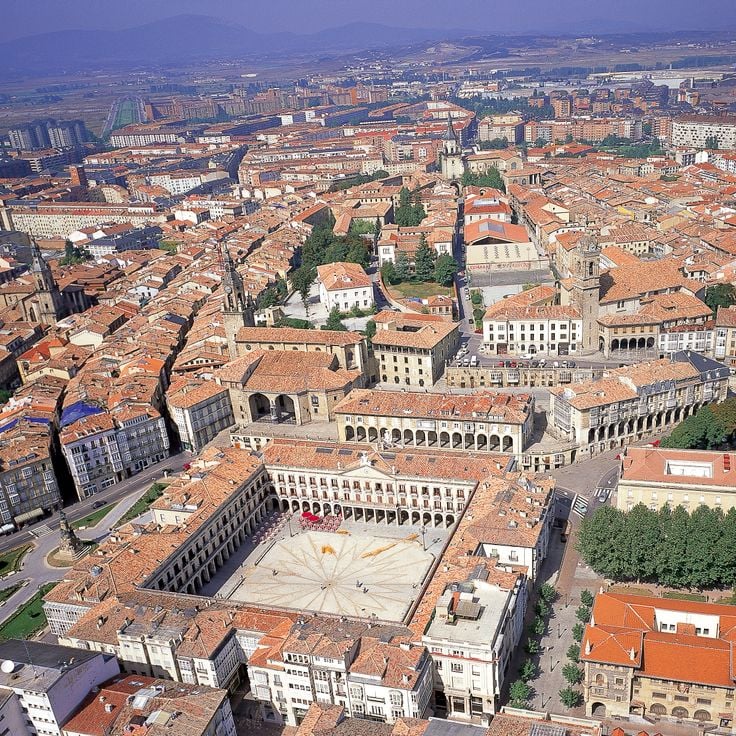
This Basque Country city combines architectural periods and is one of the main destinations for those exploring the region's historic depth beyond Bilbao's modern landmarks. Vitoria shows its medieval origins in the old quarter with buildings from the 13th century, including the Cathedral of Santa María, accessible through a restoration project that allows visits. The city expanded during the 18th and 19th centuries with neoclassical streets and squares. A system of interconnected parks and green spaces surrounds the city center, making Vitoria one of Spain's greenest cities. The city's museums document Basque history, sacred art and the evolution of playing cards, while the theater and congress center shows contemporary architectural approaches. From the Guggenheim in Bilbao, Vitoria is about an hour away on well maintained roads.
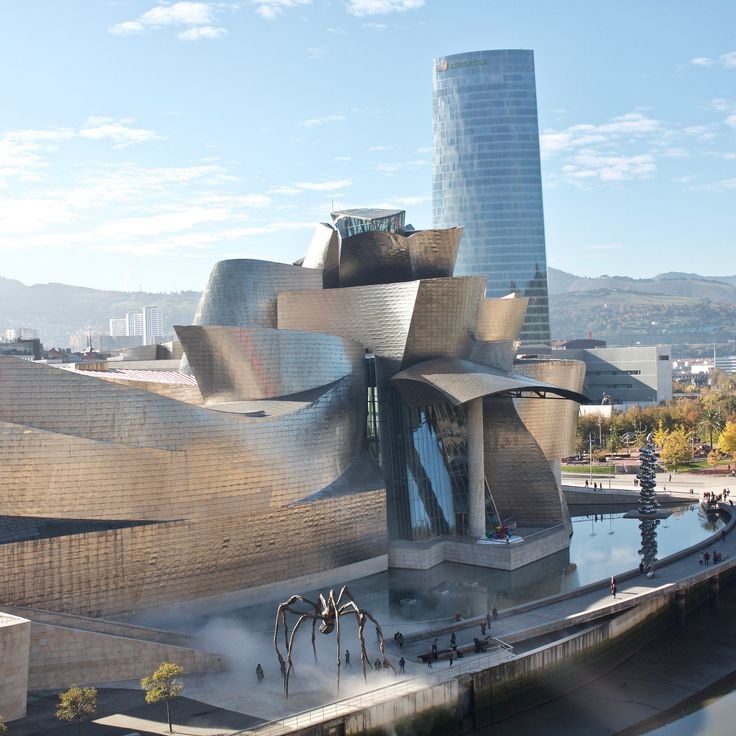
The Guggenheim Museum established Bilbao as a center for contemporary art. This building, opened in 1997, provides over 120,000 square feet (11,000 square meters) of exhibition space featuring works by international artists. The titanium cladding reflects light from the Nervión River and creates an architectural contrast with the city's Gothic churches and historic structures. The museum presents rotating exhibitions of modern and contemporary art alongside significant pieces from its permanent collection. Outdoor sculptures, including Jeff Koons' "Puppy" and Louise Bourgeois' "Maman", complement Frank Gehry's architecture.
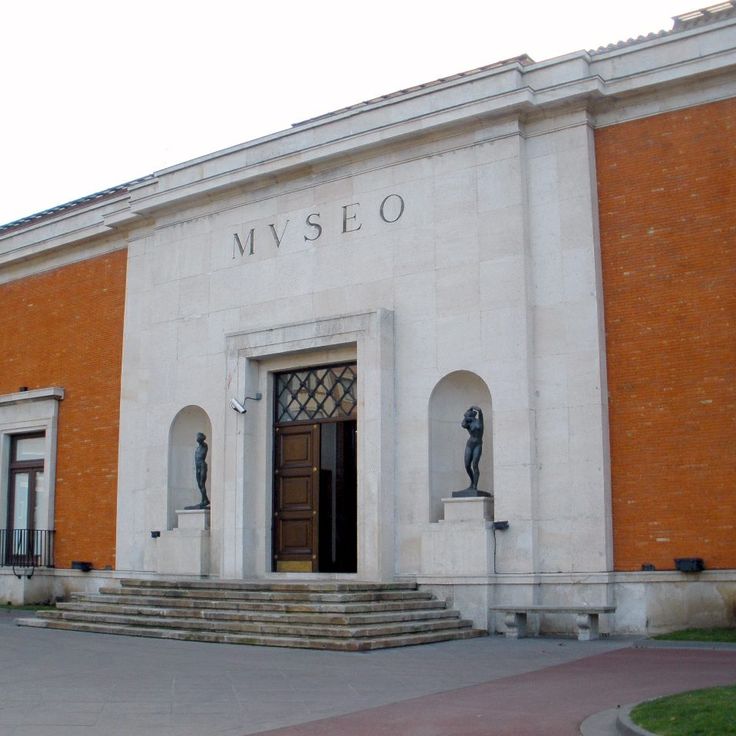
This museum holds 7,500 artworks spanning eight centuries and complements the Guggenheim's contemporary focus with paintings by Goya, El Greco, Zurbarán and Flemish masters. The collection runs from the 12th century to the present and includes Basque artists such as Zuloaga and Regoyos alongside European works by Gauguin, Bacon and Richter. Founded in 1914, the building expanded in 1945 and added a modern wing in 2001 that connects historic galleries with naturally lit exhibition spaces.
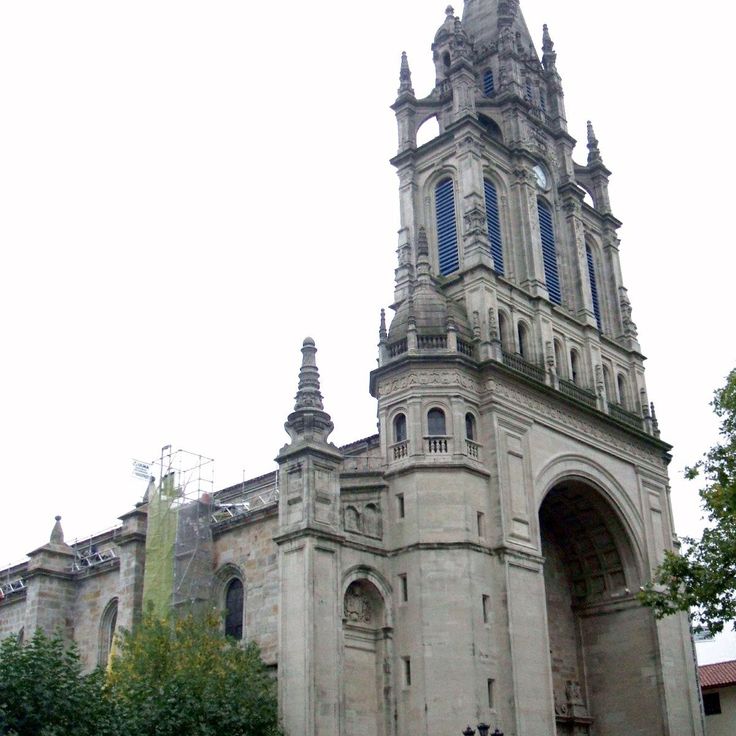
This hilltop basilica from the 16th century overlooks the historic Begoña neighborhood and remains an active place of worship for Bilbao residents. The church follows Gothic design principles with three naves and a central dome added during the 17th century. Inside, a gilded altarpiece and the figure of the Virgen de Begoña, patron saint of the city and Basque sailors, draw both pilgrims and visitors interested in religious art. A stone staircase with over 300 steps climbs from the old town, though a modern road also provides access. This basilica connects Bilbao's spiritual heritage with its evolving urban landscape.
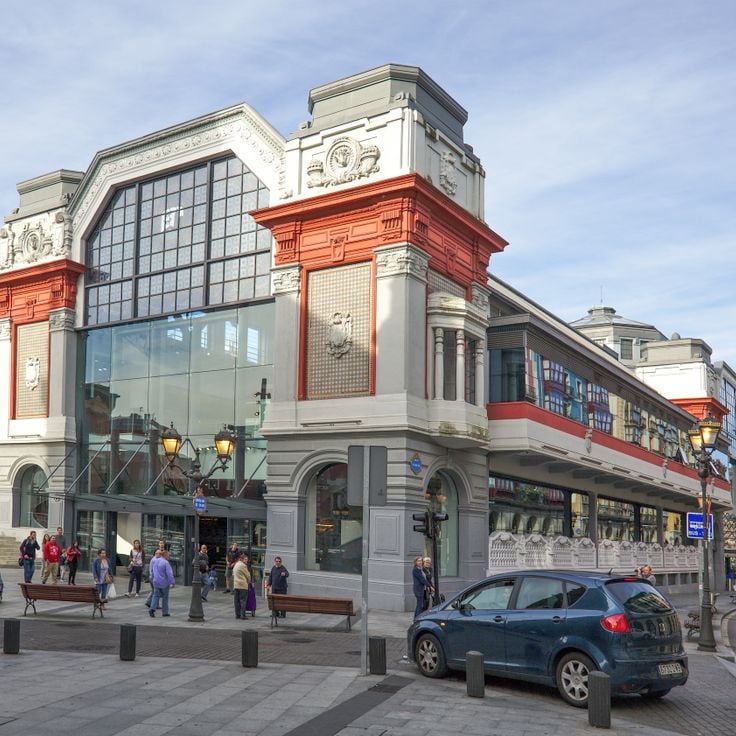
This market covers about 10,000 square meters and has sold fresh regional products, seafood, and cheeses from the Basque Country since it opened in 1929. The market halls are near the Nervión River and give a look at the food traditions of Bilbao. Visitors find vegetables, meat, fish, and local specialties offered by region traders. The building combines steel frames with large glass fronts that let in natural light into the sales areas.
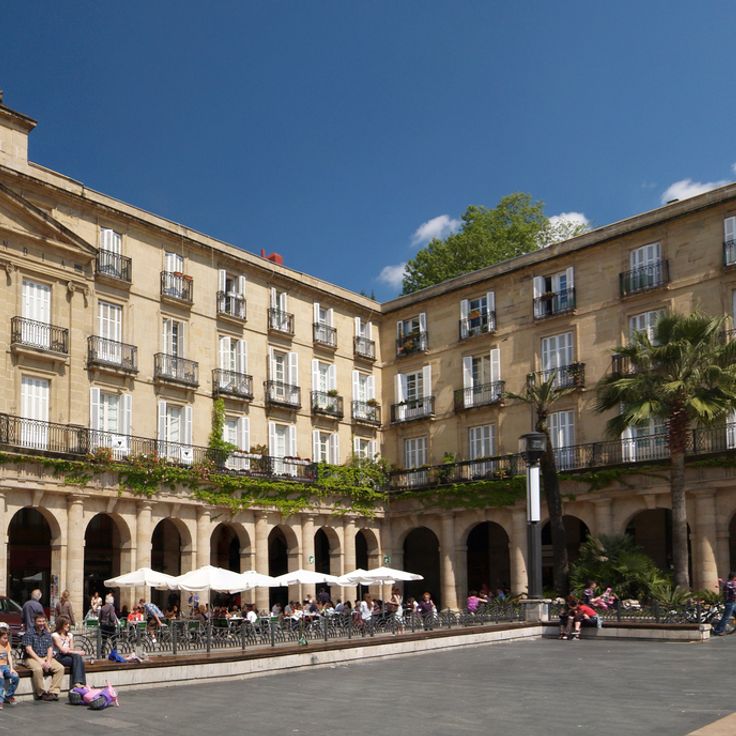
This neoclassical square completed in 1851 sits in the heart of Bilbao's old quarter and connects the city's Gothic past with its modern cultural identity. The enclosed plaza features uniform arcaded facades that house traditional bars and restaurants where locals gather for pintxos and conversation. Every Sunday morning a collectors market fills the square with dealers offering coins, stamps, and historical documents, drawing enthusiasts from across the Basque Country. The plaza provides a quieter complement to the contemporary architecture along the Nervión and illustrates Bilbao's urban development before its industrial transformation.
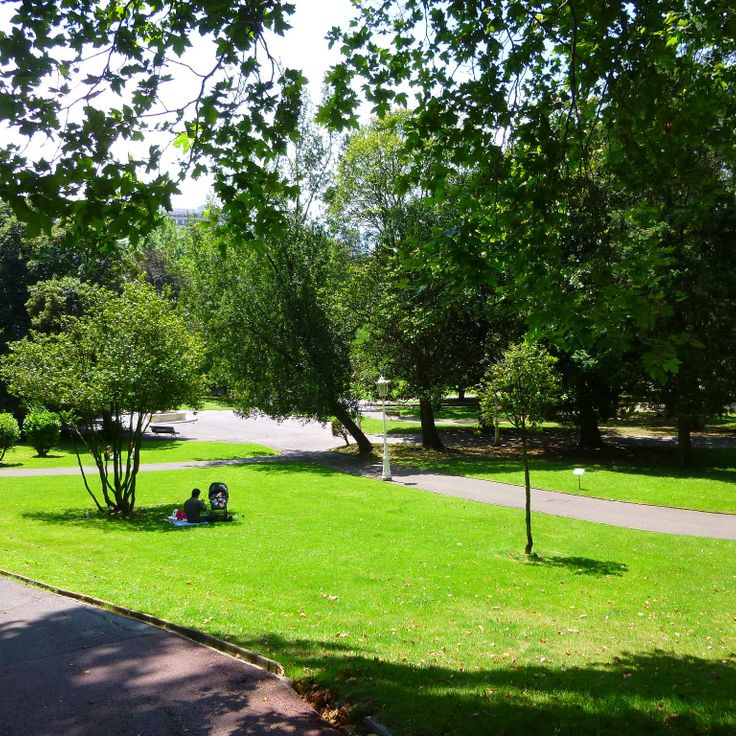
This public park from 1907 provides a green space in central Bilbao. The park features a duck pond, several fountains, and shaded pathways for walking. At its northern edge stands the Museum of Fine Arts, one of the most important art collections in the Basque Country. The grounds cover roughly 210 acres (85,000 square meters) and were named after the wife of an industrialist who donated the land to the city. Mature trees line the main paths, and the central esplanade serves as a gathering point for locals. The park connects urban greenery with cultural access and sits a short walk from the Guggenheim Museum.
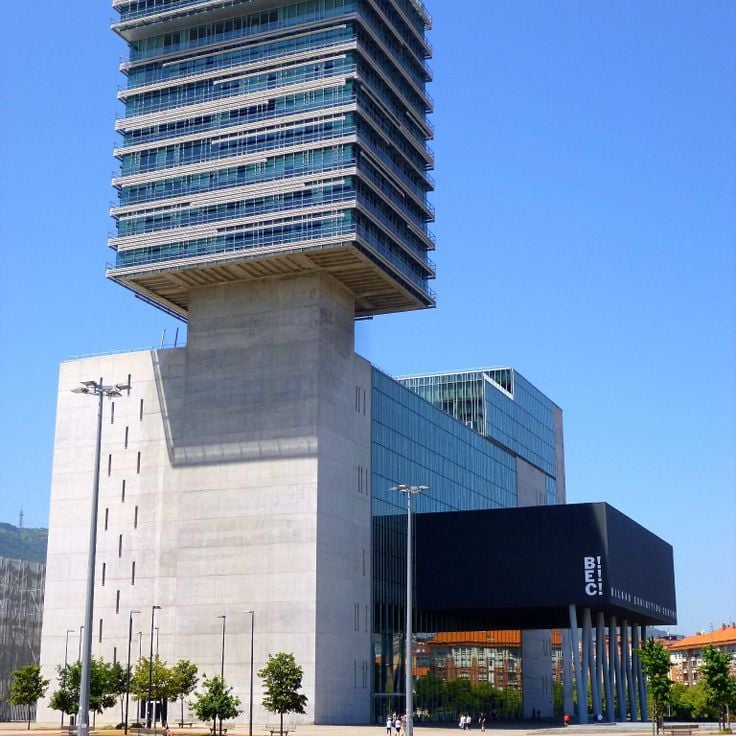
This modern complex in Barakaldo covers 150,000 square meters and has six exhibition halls for trade shows, concerts, and international events. The facility is in the Greater Bilbao area and adds to the city's cultural scene with a large space for professional and artistic gatherings. The Bilbao Exhibition Centre links the economic side of the Basque region with its cultural activities, attracting exhibitors and visitors from different industries. The six halls allow different types of events happening at the same time.
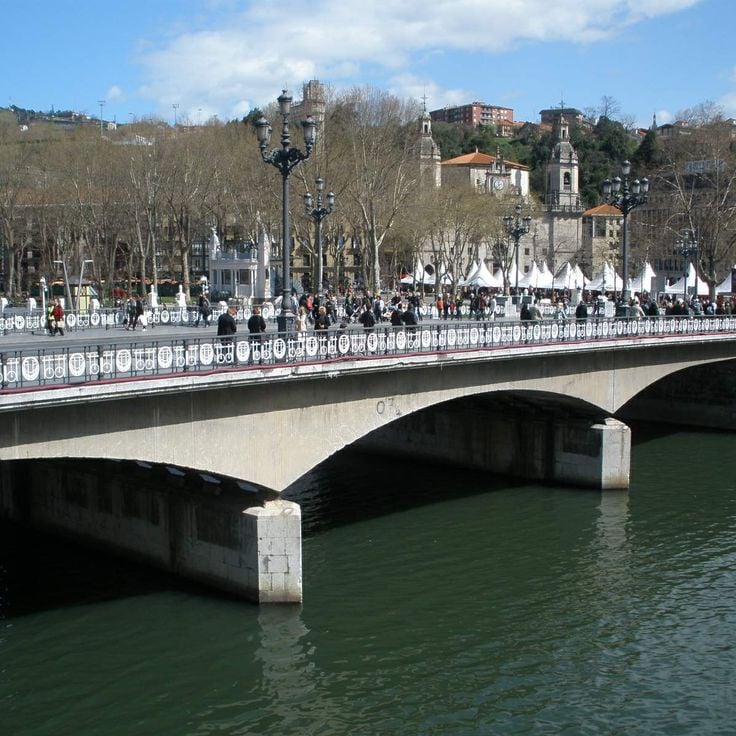
This bridge spans the Nervión River, connecting the historical center of Bilbao with the modern business district. The Arenal Bridge was built in 1845 and served as the first permanent crossing at this location. The iron structure replaced earlier wooden bridges and facilitated the city's expanding commercial traffic. The bridge marks the transition between the medieval old town and the developments of the industrial era. It remains an important pedestrian and vehicular link along the Nervión promenade.
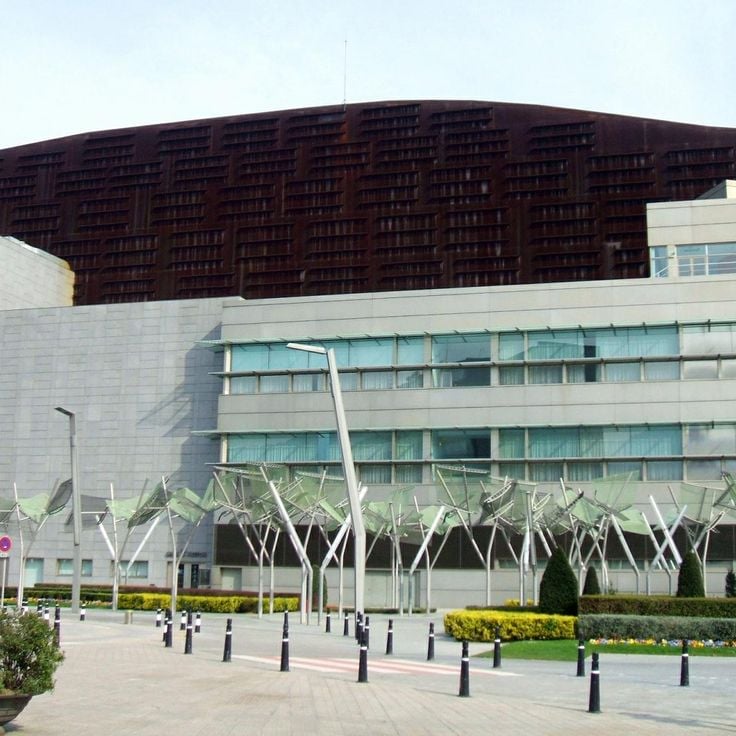
This modern cultural palace stands on former shipyard grounds along the Nervión riverfront and opened in 1999. The Euskalduna houses a main auditorium seating 2,164 that presents operas, Bilbao Symphony Orchestra concerts, and international touring productions. The architecture by Federico Soriano and Dolores Palacios references the site's industrial shipbuilding past through its form. As part of Bilbao's urban transformation, this performance venue complements the city's cultural facilities and sits about 2,625 feet (800 meters) from the Guggenheim Museum. The palace includes multiple halls for conferences and lectures, and serves as home to the Bilbao Symphony Orchestra.
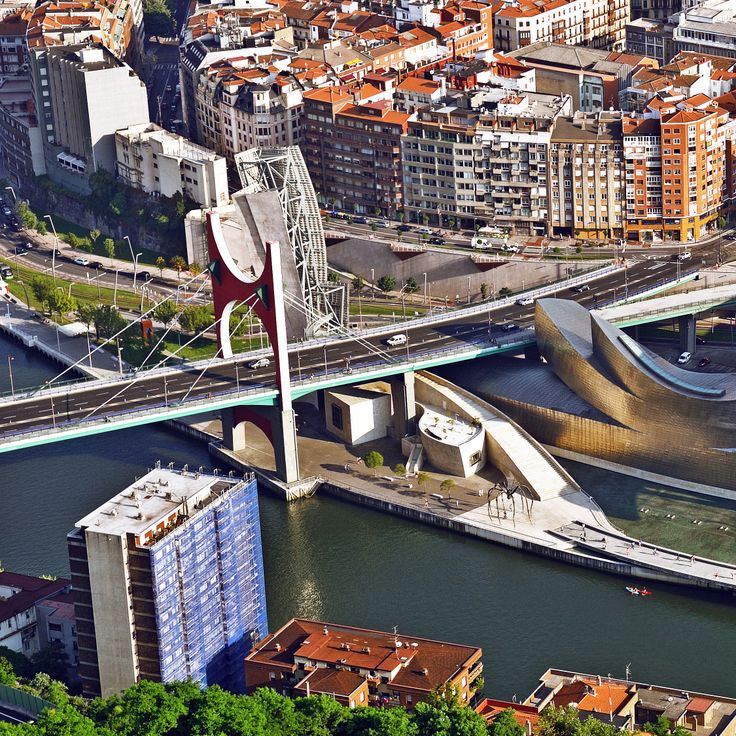
This steel bridge spans the Nervión at the Guggenheim Museum and carries the official name Prince and Princess of Spain Bridge. The structure completed in 1972 connects the Deusto and Abando districts through a red arch rising 260 feet (80 meters) above the river. Daniel Buren's bright red 2007 artwork wraps one of the piers with a perforated arch, transforming the bridge into an inhabited art piece. This connection between traffic infrastructure and contemporary art complements the museum's collections and ranks among the characteristic landmarks along the Nervión waterfront.
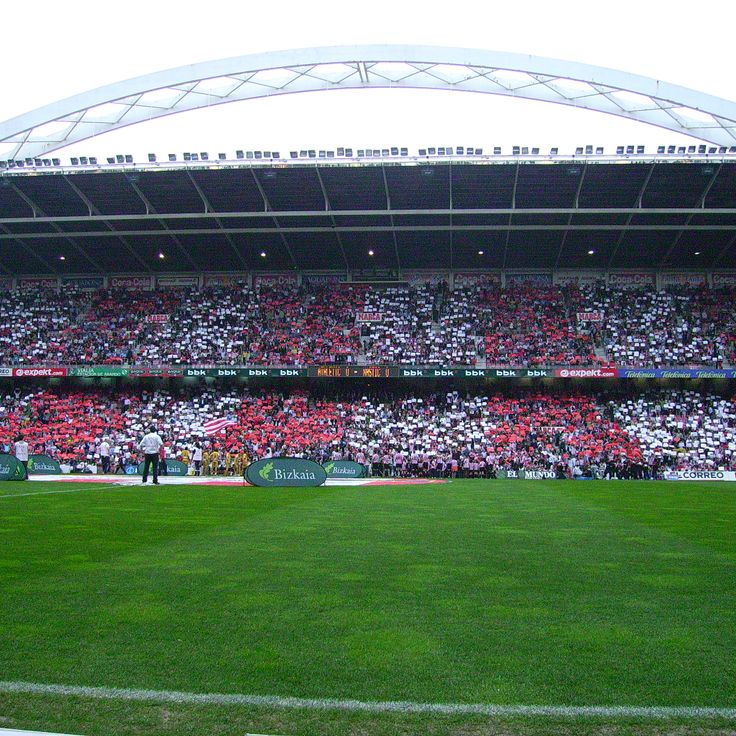
This stadium opened in 2013 and seats 53000 spectators for home matches of Athletic Club Bilbao. The modern facility replaced the historic San Mamés built in 1913, featuring a distinctive roof structure and modern amenities. Visitors can tour the stadium and its club museum, which reflects the tradition of the Basque team only to field players from the region or of Basque origin, a policy since 1912. The stadium is near the city center and connected to the metro system.
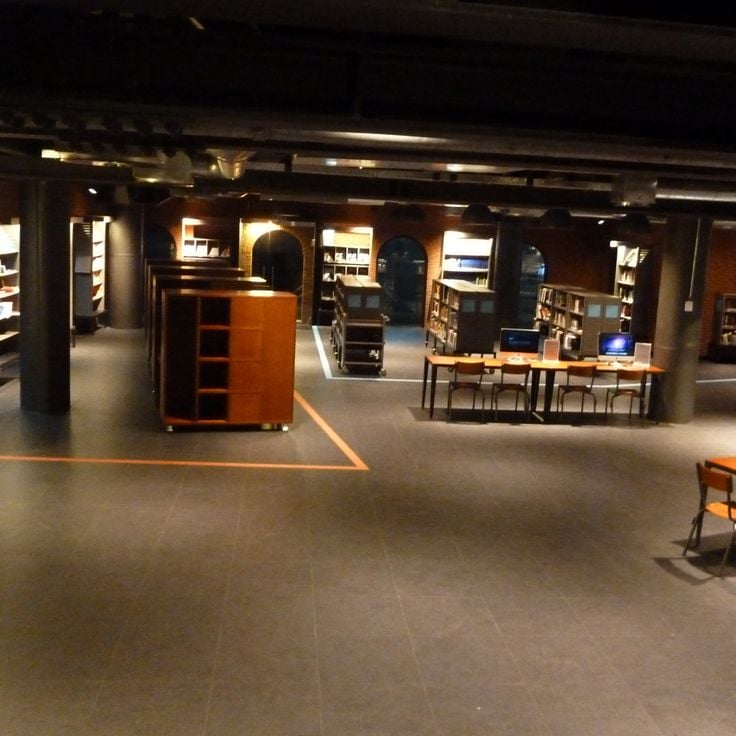
This cultural center emerged from the transformation of a wine warehouse built in 1909, connecting Bilbao's industrial past with contemporary architecture. The building houses exhibition spaces for modern art, a public library, restaurants and a fitness center with swimming pool. Philippe Starck designed the distinctive columns that support the interior courtyard, giving the complex its recognizable character. Located in the Abando neighborhood, the center complements the city's artistic offerings with a diverse cultural program that includes exhibitions, film screenings and workshops throughout the year.
This riverside promenade runs along the Nervión and connects the Guggenheim Museum with the Old Town of Bilbao. The Campo Volantin offers paved pathways with seating areas that overlook the river and surrounding bridges. The promenade was developed during the urban renewal of the 1990s and now serves as a primary pedestrian link between the historic and modern quarters of the city. Along the route, several sculptures and public art installations contribute to Bilbao's contemporary identity. The promenade extends for approximately half a mile (800 meters) and forms part of the larger riverside walking path.
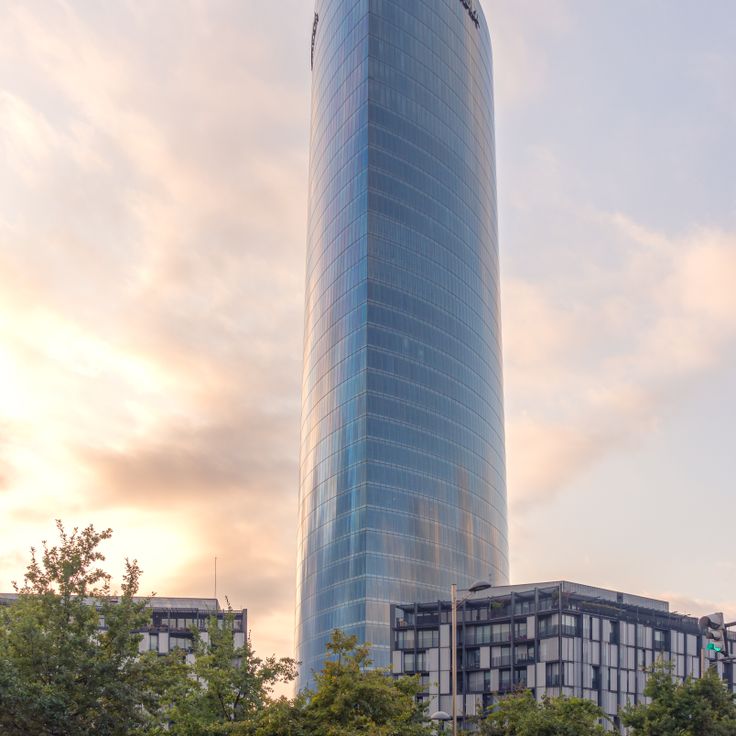
The Iberdrola Tower demonstrates Bilbao's evolution into a modern metropolis through its prominent position along the Nervión waterfront. This glass skyscraper reaches 165 meters (541 feet) and was completed in 2011. The building serves as headquarters for the Iberdrola energy company and shapes the city's contemporary skyline. The architecture combines functional office space with a transparent facade that complements the urban landscape along the promenade.
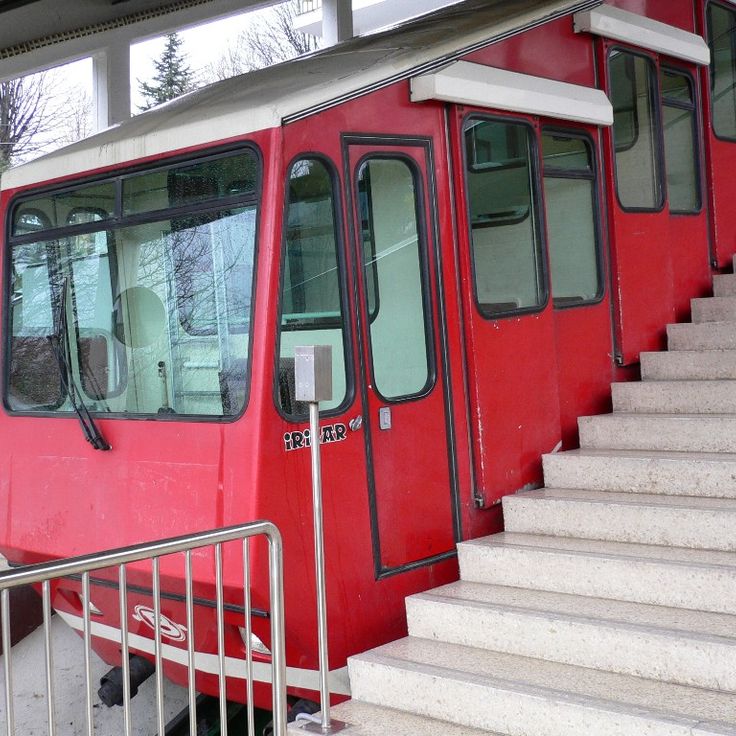
This funicular railway, opened in 1915, connects Plaza del Funicular with Monte Artxanda, climbing 741 feet (226 meters) over a track length of 2,526 feet (770 meters) at a gradient of 45 percent. The three-minute ride provides views across the Nervión valley and Bilbao's industrial architecture. From the upper station, pathways lead to viewpoints overlooking the city's layout, including the Guggenheim Museum and the old quarter. This historic transport link remains one of the landmarks illustrating Bilbao's topography between river valleys and surrounding hills.
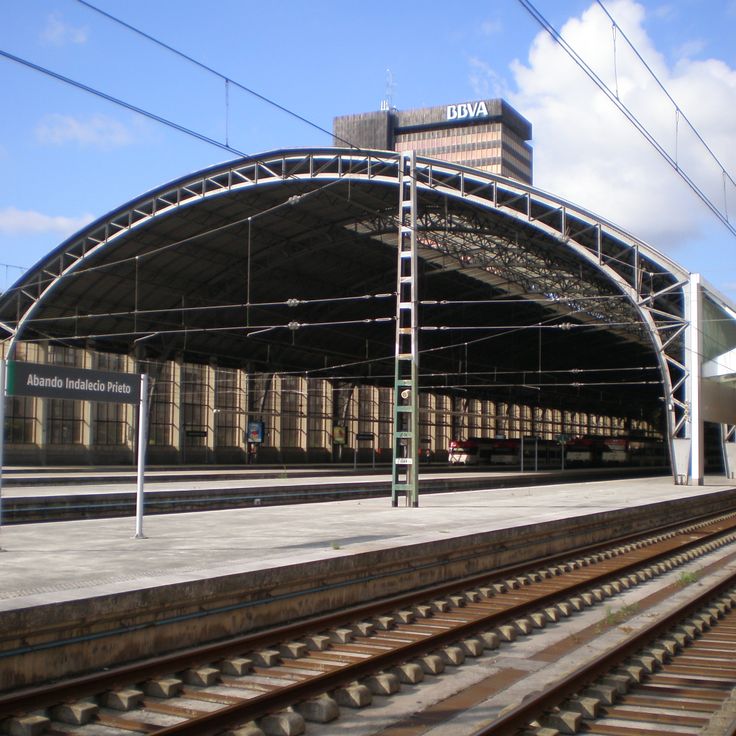
This railway station from 1950 serves as the city's main transport hub, connecting regional trains with the metro network. The building features a 15-meter-high (49-foot) glass window depicting Basque cultural motifs above the entrance hall. The postwar architecture combines rationalist elements with local design references. The station sits near the historic center, providing direct access to the medieval quarters and the Nervión waterfront. Travelers find connections to San Sebastián, Madrid and other Spanish cities. The station hall functions as a practical transit space with ticket offices and waiting areas.
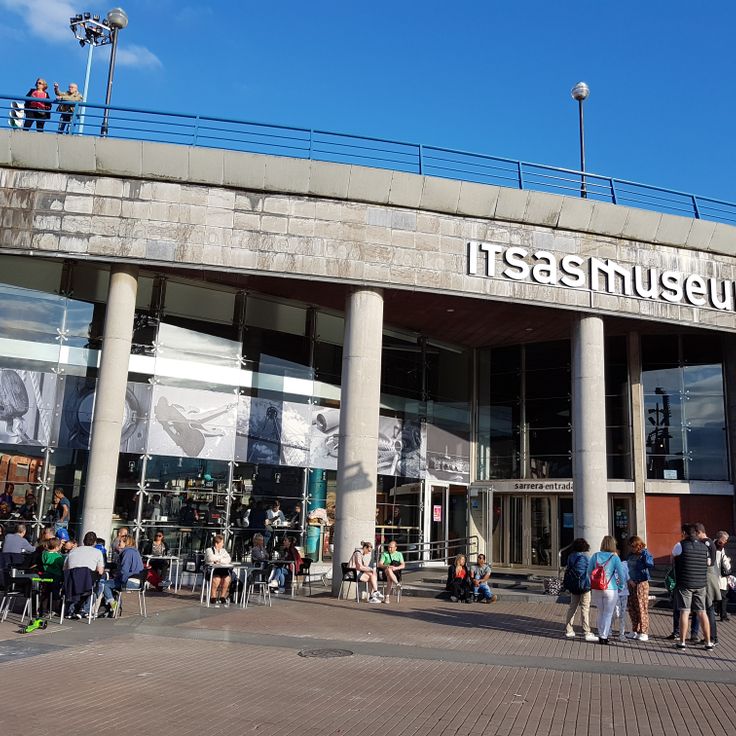
This museum displays around 2,000 exhibits documenting the history of Bilbao's port and maritime navigation. The collection traces the city's development as a major seaport on the Nervión, featuring historical ship models, nautical instruments, shipyard equipment, and documents spanning several centuries. Visitors can explore recreated ship sections and learn how shipbuilding and port industries shaped the economic and social evolution of Bilbao. The Museo Marítimo Ría de Bilbao complements the city's cultural offerings alongside modern art institutions and Gothic architecture by focusing on the maritime traditions that defined much of the region's history.
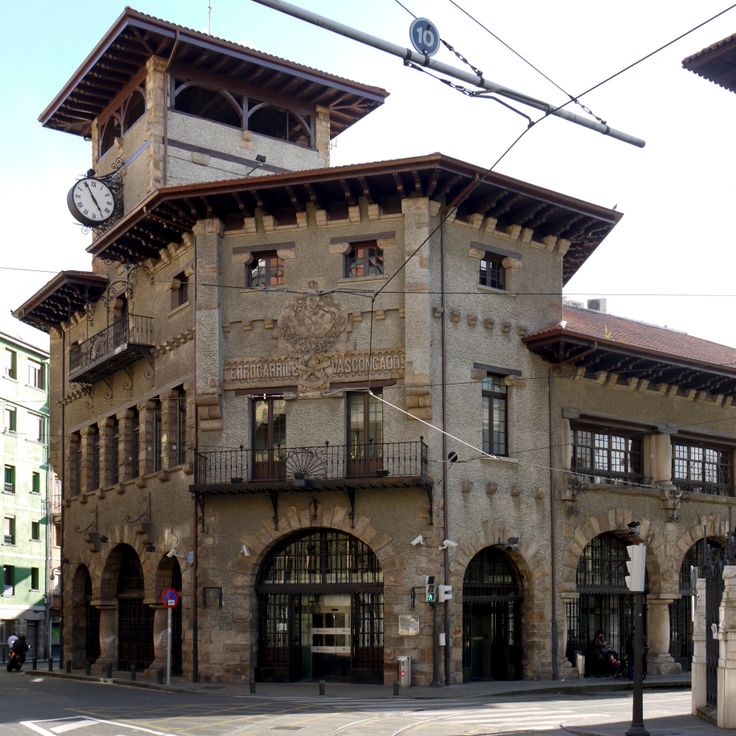
This station was built in 1912 and displays characteristic architectural features of Basque regionalism. The facade combines traditional Basque building forms with functional elements of early 20th-century railway architecture. Atxuri Station sits in the historic center of Bilbao and serves as a departure point for regional trains to surrounding Basque areas. The building adds to the historic fabric of the city and contrasts with the modern structures that have defined Bilbao in recent decades.
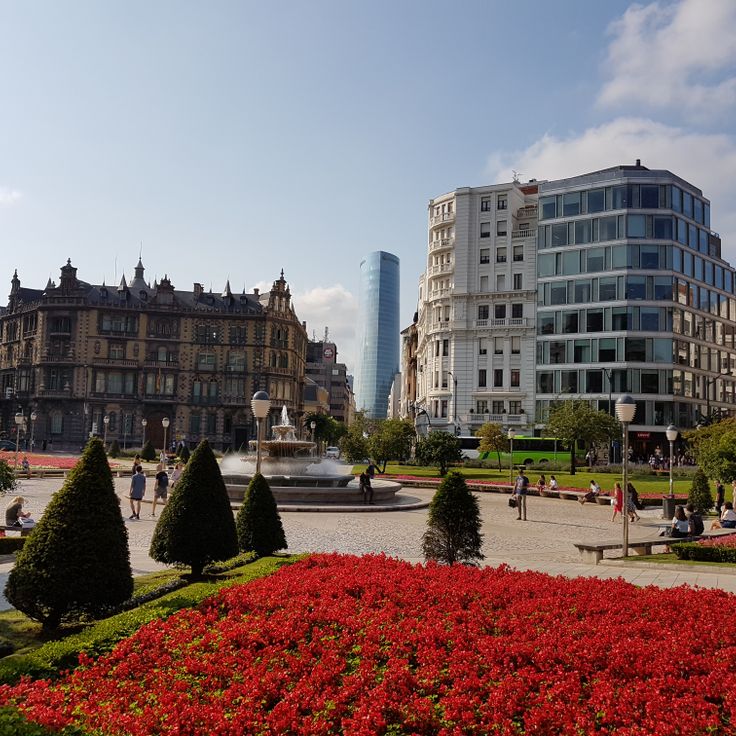
This circular plaza in central Bilbao links several major avenues and marks the transition between the old quarter and the modern neighborhoods. The space was developed in the late 19th century as part of the city's expansion and displays a classic urban garden style with maintained lawns, fountains and rotating flower beds. Surrounding the plaza are several Belle Époque buildings, including the Carlton Hotel. The plaza serves as a public transport hub and sits along the route between the Guggenheim Museum and the historic attractions of the city.
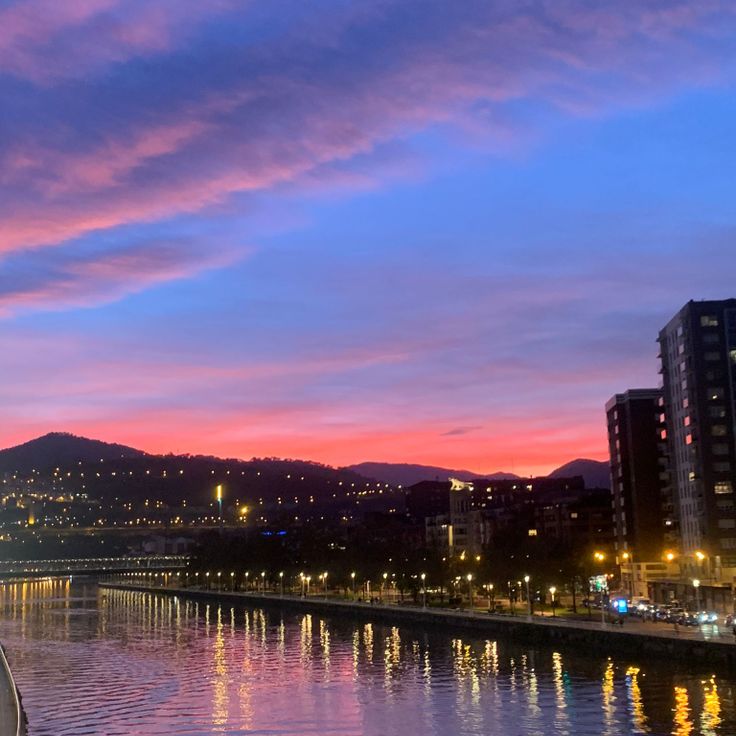
The Ría de Bilbao is a tidal estuary extending 9 miles (14 kilometers) through the city, connecting Bilbao to the Bay of Biscay. This waterway formed the foundation of Bilbao's industrial growth and now shapes the urban landscape with riverside promenades, historic bridges and contemporary buildings. The ría links the Guggenheim Museum to port districts and forms a central axis through different neighborhoods. Walking paths along both banks provide access to museums, markets and historic sites throughout the city.
This museum presents religious artworks spanning the 12th to 19th centuries within a restored neo-Gothic church. The collection includes sculptures, paintings and liturgical objects that document the artistic development of the Basque region across seven centuries. The Museum of Sacred Art complements Bilbao's cultural offerings with its focus on religious art, providing insight into the spiritual history of the city. The Gothic architecture of the church creates an appropriate setting for the displayed works and contrasts with the contemporary architecture of the Guggenheim Museum.
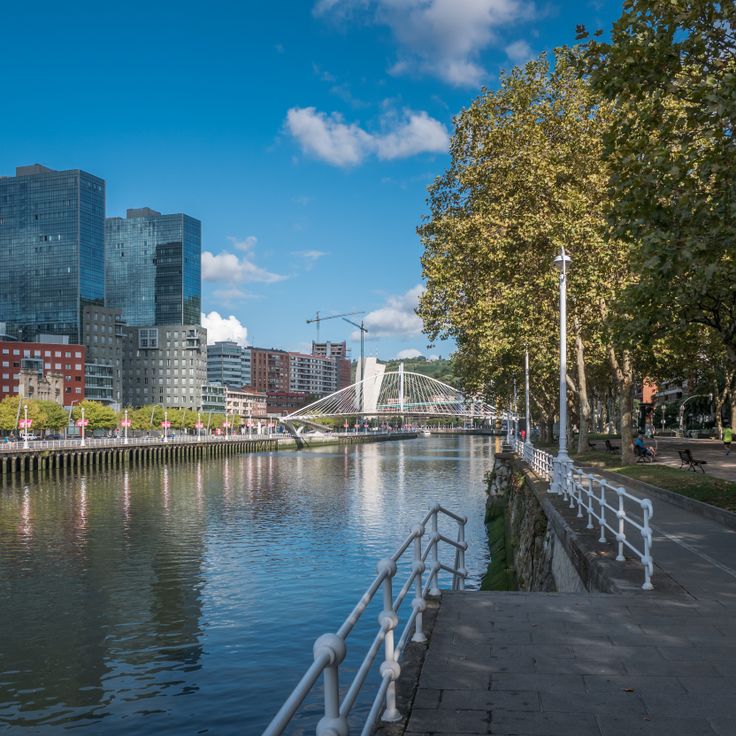
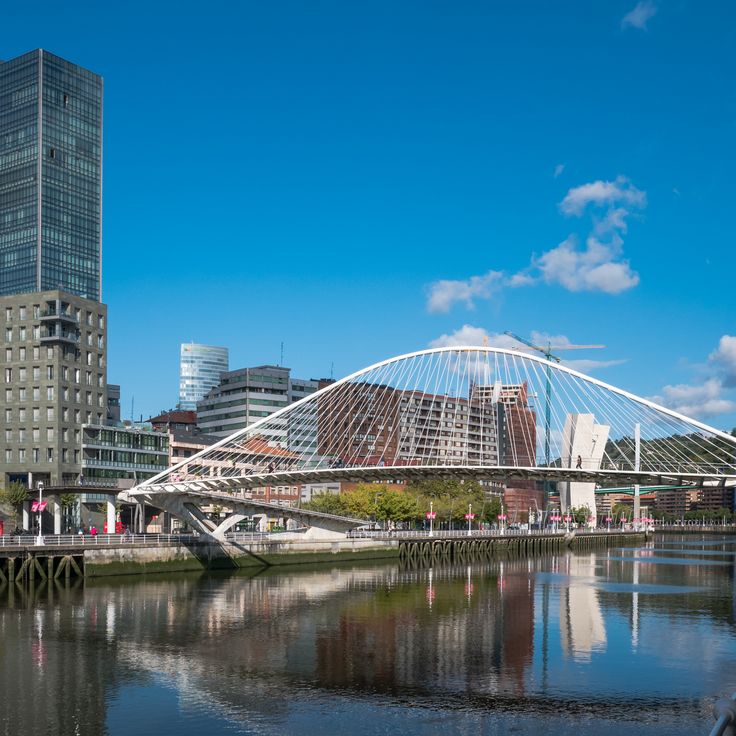
This 246-foot (75-meter) pedestrian bridge across the Nervión connects the historic Old Town with Paseo de Uribitarte and the Museum of Fine Arts. Santiago Calatrava designed the white steel structure in 1997 with a curved arch form and glass tile walkway. The bridge sits between Arriaga Bridge and the Guggenheim Museum, forming one of the distinctive crossings along the Nervión promenade. Access is via staircases at both banks, and the smooth surface can become slippery in rain.
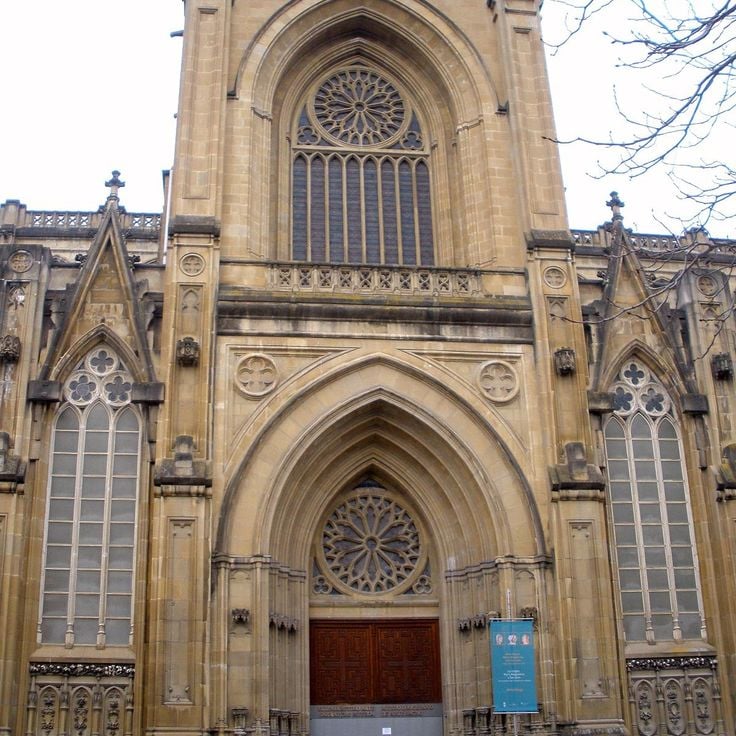
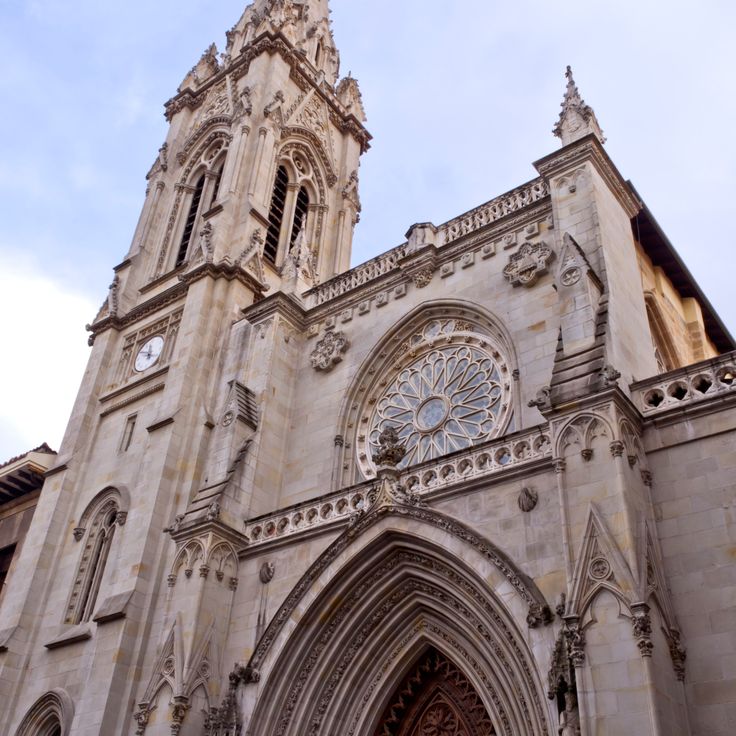
This Gothic church from the 14th century serves as a spiritual center for Bilbao's pilgrimage routes to Santiago de Compostela. The cathedral contains three naves with several chapels presenting religious art from different periods. Sculptures and altars trace the city's religious history. The structure combines Gothic architecture with later renovations that document the evolution of religious life in the Basque region.
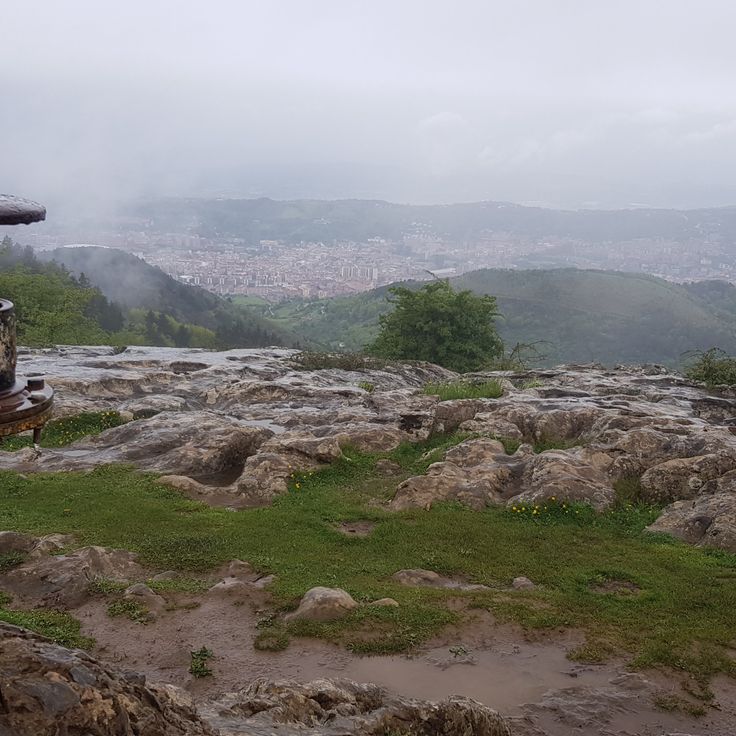
This 2,208-foot (673-meter) mountain south of Bilbao offers several hiking trails through pine forests leading to the summit. From the top, views extend across the city and toward the coast. Routes vary in difficulty and length, with some trails starting directly from the southern neighborhoods. The mountain forms part of the range surrounding the Nervión valley and sees regular use by locals for day hikes. Multiple paths wind through wooded sections before reaching the more open terrain near the summit.
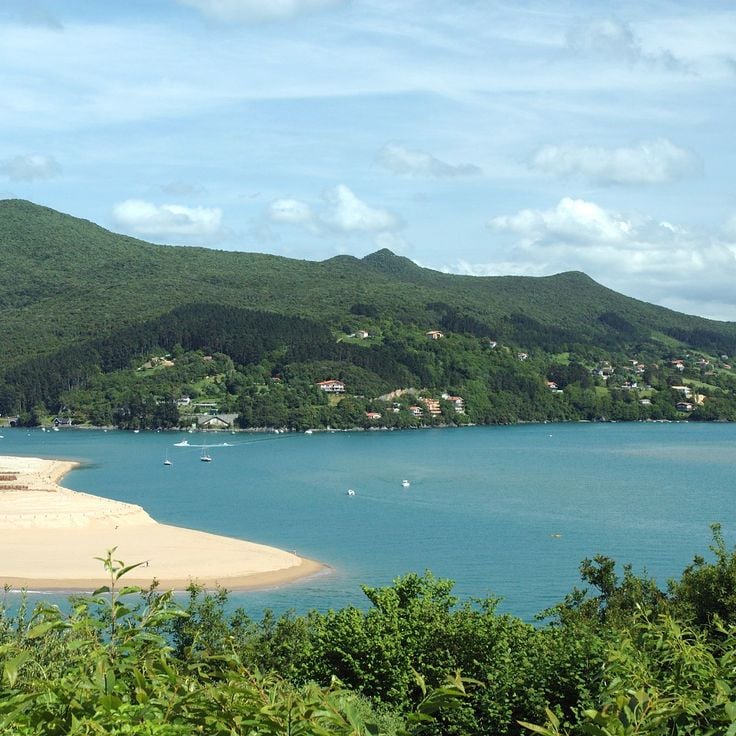
This biosphere reserve covers approximately 85 square miles (220 square kilometers) and encompasses wetlands, beaches, forests and mountains with numerous bird species. The Urdaibai region lies about 19 miles (30 kilometers) northeast of Bilbao and provides a contrast to the city's architectural and museum landscape. The protected area was designated by UNESCO in 1984 and hosts over 250 bird species, including migratory birds that use the site as a stopover. The terrain ranges from the Oka River estuary to wooded slopes and coastal sections.
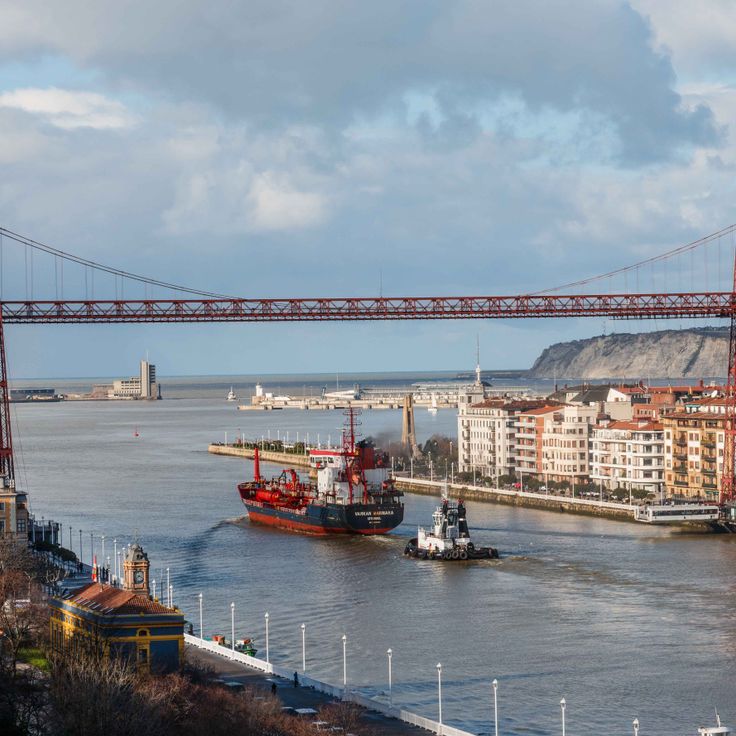
This metal bridge from 1893 crosses the Nervión with a gondola that carries vehicles and pedestrians between the shores. The structure connects Portugalete with the opposite side and represents an early example of transporter bridges in Europe. The construction follows the industrial architecture tradition of the late 19th century and allows river crossing without obstructing ship traffic. The gondola runs regularly between both sides and accommodates several vehicles as well as passengers. This bridge adds to the collection of engineering and architectural sites along the Nervión in Bilbao.
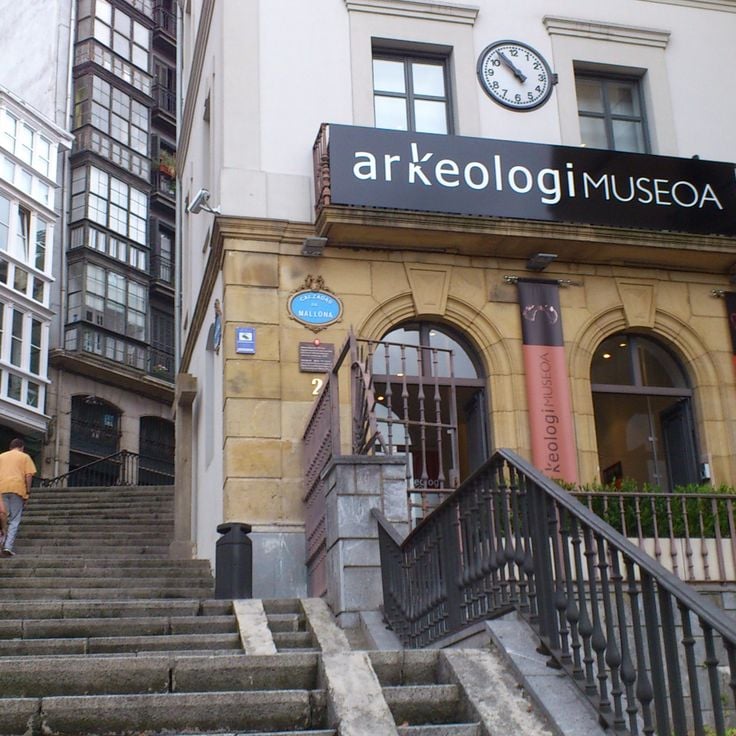
This museum documents the history of the Basque region from prehistoric times to the present. The collection contains stone tools, pottery, coins and bronze objects recovered from archaeological excavations throughout the area. The museum occupies a former 17th-century Jesuit monastery in the city center. Permanent exhibits cover Bilbao's industrial development, maritime traditions and urban life across different periods. Interactive displays trace the evolution of trade and shipbuilding along the Nervión River.
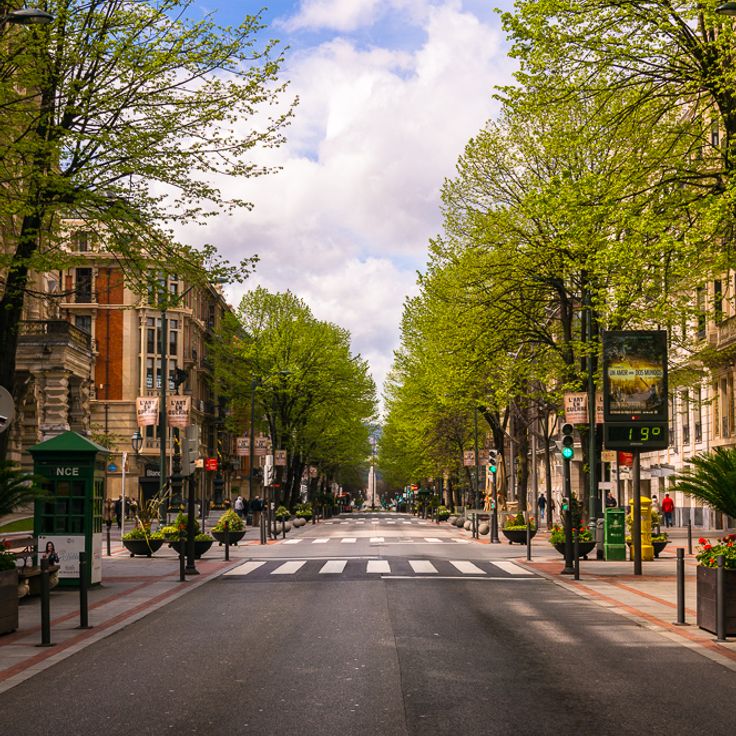
This central shopping street connects historic banks from the late 1800s with boutiques from international fashion brands and leads to the Arriaga Theater. The Gran Vía stretches for nearly a mile and was laid out in 1876, becoming the financial and commercial heart of Bilbao. Along its length stand examples of late 19th and early 20th century architecture, including several protected buildings with wrought iron balconies and decorated facades. The street runs from the old town quarter to the Plaza del Sagrado Corazón and serves as a key link between the historic neighborhoods and the modern business districts of the city.
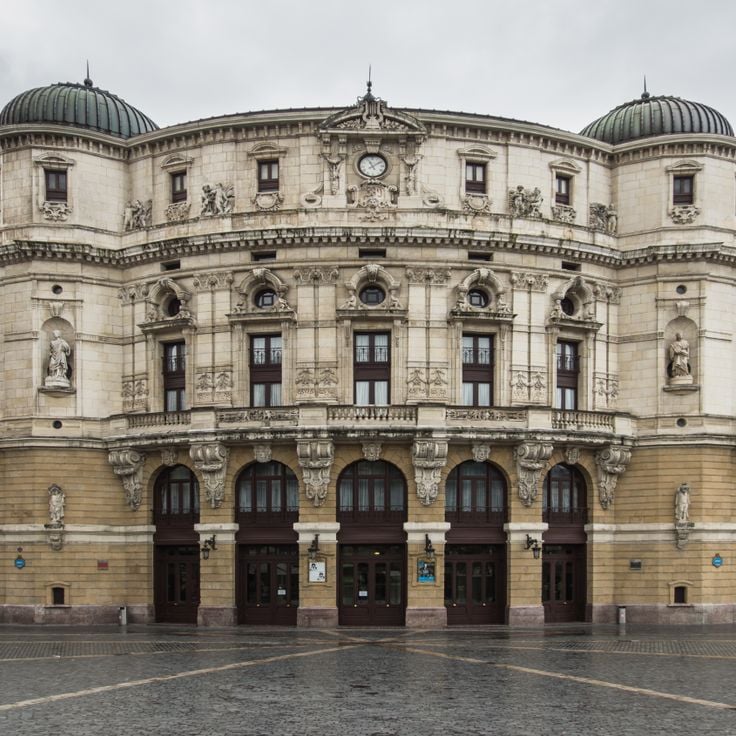
This theater has anchored the cultural life of Bilbao since 1890. Named after Basque composer Juan Crisóstomo de Arriaga, the building was constructed in neo-Renaissance style to replace an earlier theater destroyed by fire in 1914. The facade displays classical architectural elements including columns and arches, while the interior features red velvet seating, gilded details, and chandeliers. The Arriaga Theatre presents opera, ballet, theatrical productions, and concerts, with seating for about 1,500 across multiple tiers. Its location on the banks of the Nervión, near the Casco Viejo old quarter, makes it an integral part of the historic architecture found throughout Bilbao.
This Basque Country city combines architectural periods and is one of the main destinations for those exploring the region's historic depth beyond Bilbao's modern landmarks. Vitoria shows its medieval origins in the old quarter with buildings from the 13th century, including the Cathedral of Santa María, accessible through a restoration project that allows visits. The city expanded during the 18th and 19th centuries with neoclassical streets and squares. A system of interconnected parks and green spaces surrounds the city center, making Vitoria one of Spain's greenest cities. The city's museums document Basque history, sacred art and the evolution of playing cards, while the theater and congress center shows contemporary architectural approaches. From the Guggenheim in Bilbao, Vitoria is about an hour away on well maintained roads.
The Guggenheim Museum established Bilbao as a center for contemporary art. This building, opened in 1997, provides over 120,000 square feet (11,000 square meters) of exhibition space featuring works by international artists. The titanium cladding reflects light from the Nervión River and creates an architectural contrast with the city's Gothic churches and historic structures. The museum presents rotating exhibitions of modern and contemporary art alongside significant pieces from its permanent collection. Outdoor sculptures, including Jeff Koons' "Puppy" and Louise Bourgeois' "Maman", complement Frank Gehry's architecture.
This museum holds 7,500 artworks spanning eight centuries and complements the Guggenheim's contemporary focus with paintings by Goya, El Greco, Zurbarán and Flemish masters. The collection runs from the 12th century to the present and includes Basque artists such as Zuloaga and Regoyos alongside European works by Gauguin, Bacon and Richter. Founded in 1914, the building expanded in 1945 and added a modern wing in 2001 that connects historic galleries with naturally lit exhibition spaces.
This hilltop basilica from the 16th century overlooks the historic Begoña neighborhood and remains an active place of worship for Bilbao residents. The church follows Gothic design principles with three naves and a central dome added during the 17th century. Inside, a gilded altarpiece and the figure of the Virgen de Begoña, patron saint of the city and Basque sailors, draw both pilgrims and visitors interested in religious art. A stone staircase with over 300 steps climbs from the old town, though a modern road also provides access. This basilica connects Bilbao's spiritual heritage with its evolving urban landscape.
This market covers about 10,000 square meters and has sold fresh regional products, seafood, and cheeses from the Basque Country since it opened in 1929. The market halls are near the Nervión River and give a look at the food traditions of Bilbao. Visitors find vegetables, meat, fish, and local specialties offered by region traders. The building combines steel frames with large glass fronts that let in natural light into the sales areas.
This neoclassical square completed in 1851 sits in the heart of Bilbao's old quarter and connects the city's Gothic past with its modern cultural identity. The enclosed plaza features uniform arcaded facades that house traditional bars and restaurants where locals gather for pintxos and conversation. Every Sunday morning a collectors market fills the square with dealers offering coins, stamps, and historical documents, drawing enthusiasts from across the Basque Country. The plaza provides a quieter complement to the contemporary architecture along the Nervión and illustrates Bilbao's urban development before its industrial transformation.
This public park from 1907 provides a green space in central Bilbao. The park features a duck pond, several fountains, and shaded pathways for walking. At its northern edge stands the Museum of Fine Arts, one of the most important art collections in the Basque Country. The grounds cover roughly 210 acres (85,000 square meters) and were named after the wife of an industrialist who donated the land to the city. Mature trees line the main paths, and the central esplanade serves as a gathering point for locals. The park connects urban greenery with cultural access and sits a short walk from the Guggenheim Museum.
This modern complex in Barakaldo covers 150,000 square meters and has six exhibition halls for trade shows, concerts, and international events. The facility is in the Greater Bilbao area and adds to the city's cultural scene with a large space for professional and artistic gatherings. The Bilbao Exhibition Centre links the economic side of the Basque region with its cultural activities, attracting exhibitors and visitors from different industries. The six halls allow different types of events happening at the same time.
This bridge spans the Nervión River, connecting the historical center of Bilbao with the modern business district. The Arenal Bridge was built in 1845 and served as the first permanent crossing at this location. The iron structure replaced earlier wooden bridges and facilitated the city's expanding commercial traffic. The bridge marks the transition between the medieval old town and the developments of the industrial era. It remains an important pedestrian and vehicular link along the Nervión promenade.
This modern cultural palace stands on former shipyard grounds along the Nervión riverfront and opened in 1999. The Euskalduna houses a main auditorium seating 2,164 that presents operas, Bilbao Symphony Orchestra concerts, and international touring productions. The architecture by Federico Soriano and Dolores Palacios references the site's industrial shipbuilding past through its form. As part of Bilbao's urban transformation, this performance venue complements the city's cultural facilities and sits about 2,625 feet (800 meters) from the Guggenheim Museum. The palace includes multiple halls for conferences and lectures, and serves as home to the Bilbao Symphony Orchestra.
This steel bridge spans the Nervión at the Guggenheim Museum and carries the official name Prince and Princess of Spain Bridge. The structure completed in 1972 connects the Deusto and Abando districts through a red arch rising 260 feet (80 meters) above the river. Daniel Buren's bright red 2007 artwork wraps one of the piers with a perforated arch, transforming the bridge into an inhabited art piece. This connection between traffic infrastructure and contemporary art complements the museum's collections and ranks among the characteristic landmarks along the Nervión waterfront.
This stadium opened in 2013 and seats 53000 spectators for home matches of Athletic Club Bilbao. The modern facility replaced the historic San Mamés built in 1913, featuring a distinctive roof structure and modern amenities. Visitors can tour the stadium and its club museum, which reflects the tradition of the Basque team only to field players from the region or of Basque origin, a policy since 1912. The stadium is near the city center and connected to the metro system.
This cultural center emerged from the transformation of a wine warehouse built in 1909, connecting Bilbao's industrial past with contemporary architecture. The building houses exhibition spaces for modern art, a public library, restaurants and a fitness center with swimming pool. Philippe Starck designed the distinctive columns that support the interior courtyard, giving the complex its recognizable character. Located in the Abando neighborhood, the center complements the city's artistic offerings with a diverse cultural program that includes exhibitions, film screenings and workshops throughout the year.
This riverside promenade runs along the Nervión and connects the Guggenheim Museum with the Old Town of Bilbao. The Campo Volantin offers paved pathways with seating areas that overlook the river and surrounding bridges. The promenade was developed during the urban renewal of the 1990s and now serves as a primary pedestrian link between the historic and modern quarters of the city. Along the route, several sculptures and public art installations contribute to Bilbao's contemporary identity. The promenade extends for approximately half a mile (800 meters) and forms part of the larger riverside walking path.
The Iberdrola Tower demonstrates Bilbao's evolution into a modern metropolis through its prominent position along the Nervión waterfront. This glass skyscraper reaches 165 meters (541 feet) and was completed in 2011. The building serves as headquarters for the Iberdrola energy company and shapes the city's contemporary skyline. The architecture combines functional office space with a transparent facade that complements the urban landscape along the promenade.
This funicular railway, opened in 1915, connects Plaza del Funicular with Monte Artxanda, climbing 741 feet (226 meters) over a track length of 2,526 feet (770 meters) at a gradient of 45 percent. The three-minute ride provides views across the Nervión valley and Bilbao's industrial architecture. From the upper station, pathways lead to viewpoints overlooking the city's layout, including the Guggenheim Museum and the old quarter. This historic transport link remains one of the landmarks illustrating Bilbao's topography between river valleys and surrounding hills.
This railway station from 1950 serves as the city's main transport hub, connecting regional trains with the metro network. The building features a 15-meter-high (49-foot) glass window depicting Basque cultural motifs above the entrance hall. The postwar architecture combines rationalist elements with local design references. The station sits near the historic center, providing direct access to the medieval quarters and the Nervión waterfront. Travelers find connections to San Sebastián, Madrid and other Spanish cities. The station hall functions as a practical transit space with ticket offices and waiting areas.
This museum displays around 2,000 exhibits documenting the history of Bilbao's port and maritime navigation. The collection traces the city's development as a major seaport on the Nervión, featuring historical ship models, nautical instruments, shipyard equipment, and documents spanning several centuries. Visitors can explore recreated ship sections and learn how shipbuilding and port industries shaped the economic and social evolution of Bilbao. The Museo Marítimo Ría de Bilbao complements the city's cultural offerings alongside modern art institutions and Gothic architecture by focusing on the maritime traditions that defined much of the region's history.
This station was built in 1912 and displays characteristic architectural features of Basque regionalism. The facade combines traditional Basque building forms with functional elements of early 20th-century railway architecture. Atxuri Station sits in the historic center of Bilbao and serves as a departure point for regional trains to surrounding Basque areas. The building adds to the historic fabric of the city and contrasts with the modern structures that have defined Bilbao in recent decades.
This circular plaza in central Bilbao links several major avenues and marks the transition between the old quarter and the modern neighborhoods. The space was developed in the late 19th century as part of the city's expansion and displays a classic urban garden style with maintained lawns, fountains and rotating flower beds. Surrounding the plaza are several Belle Époque buildings, including the Carlton Hotel. The plaza serves as a public transport hub and sits along the route between the Guggenheim Museum and the historic attractions of the city.
The Ría de Bilbao is a tidal estuary extending 9 miles (14 kilometers) through the city, connecting Bilbao to the Bay of Biscay. This waterway formed the foundation of Bilbao's industrial growth and now shapes the urban landscape with riverside promenades, historic bridges and contemporary buildings. The ría links the Guggenheim Museum to port districts and forms a central axis through different neighborhoods. Walking paths along both banks provide access to museums, markets and historic sites throughout the city.
This museum presents religious artworks spanning the 12th to 19th centuries within a restored neo-Gothic church. The collection includes sculptures, paintings and liturgical objects that document the artistic development of the Basque region across seven centuries. The Museum of Sacred Art complements Bilbao's cultural offerings with its focus on religious art, providing insight into the spiritual history of the city. The Gothic architecture of the church creates an appropriate setting for the displayed works and contrasts with the contemporary architecture of the Guggenheim Museum.
This 246-foot (75-meter) pedestrian bridge across the Nervión connects the historic Old Town with Paseo de Uribitarte and the Museum of Fine Arts. Santiago Calatrava designed the white steel structure in 1997 with a curved arch form and glass tile walkway. The bridge sits between Arriaga Bridge and the Guggenheim Museum, forming one of the distinctive crossings along the Nervión promenade. Access is via staircases at both banks, and the smooth surface can become slippery in rain.
This Gothic church from the 14th century serves as a spiritual center for Bilbao's pilgrimage routes to Santiago de Compostela. The cathedral contains three naves with several chapels presenting religious art from different periods. Sculptures and altars trace the city's religious history. The structure combines Gothic architecture with later renovations that document the evolution of religious life in the Basque region.
This 2,208-foot (673-meter) mountain south of Bilbao offers several hiking trails through pine forests leading to the summit. From the top, views extend across the city and toward the coast. Routes vary in difficulty and length, with some trails starting directly from the southern neighborhoods. The mountain forms part of the range surrounding the Nervión valley and sees regular use by locals for day hikes. Multiple paths wind through wooded sections before reaching the more open terrain near the summit.
This biosphere reserve covers approximately 85 square miles (220 square kilometers) and encompasses wetlands, beaches, forests and mountains with numerous bird species. The Urdaibai region lies about 19 miles (30 kilometers) northeast of Bilbao and provides a contrast to the city's architectural and museum landscape. The protected area was designated by UNESCO in 1984 and hosts over 250 bird species, including migratory birds that use the site as a stopover. The terrain ranges from the Oka River estuary to wooded slopes and coastal sections.
This metal bridge from 1893 crosses the Nervión with a gondola that carries vehicles and pedestrians between the shores. The structure connects Portugalete with the opposite side and represents an early example of transporter bridges in Europe. The construction follows the industrial architecture tradition of the late 19th century and allows river crossing without obstructing ship traffic. The gondola runs regularly between both sides and accommodates several vehicles as well as passengers. This bridge adds to the collection of engineering and architectural sites along the Nervión in Bilbao.
This museum documents the history of the Basque region from prehistoric times to the present. The collection contains stone tools, pottery, coins and bronze objects recovered from archaeological excavations throughout the area. The museum occupies a former 17th-century Jesuit monastery in the city center. Permanent exhibits cover Bilbao's industrial development, maritime traditions and urban life across different periods. Interactive displays trace the evolution of trade and shipbuilding along the Nervión River.
This central shopping street connects historic banks from the late 1800s with boutiques from international fashion brands and leads to the Arriaga Theater. The Gran Vía stretches for nearly a mile and was laid out in 1876, becoming the financial and commercial heart of Bilbao. Along its length stand examples of late 19th and early 20th century architecture, including several protected buildings with wrought iron balconies and decorated facades. The street runs from the old town quarter to the Plaza del Sagrado Corazón and serves as a key link between the historic neighborhoods and the modern business districts of the city.
This theater has anchored the cultural life of Bilbao since 1890. Named after Basque composer Juan Crisóstomo de Arriaga, the building was constructed in neo-Renaissance style to replace an earlier theater destroyed by fire in 1914. The facade displays classical architectural elements including columns and arches, while the interior features red velvet seating, gilded details, and chandeliers. The Arriaga Theatre presents opera, ballet, theatrical productions, and concerts, with seating for about 1,500 across multiple tiers. Its location on the banks of the Nervión, near the Casco Viejo old quarter, makes it an integral part of the historic architecture found throughout Bilbao.
This Basque Country city combines architectural periods and is one of the main destinations for those exploring the region's historic depth beyond Bilbao's modern landmarks. Vitoria shows its medieval origins in the old quarter with buildings from the 13th century, including the Cathedral of Santa María, accessible through a restoration project that allows visits. The city expanded during the 18th and 19th centuries with neoclassical streets and squares. A system of interconnected parks and green spaces surrounds the city center, making Vitoria one of Spain's greenest cities. The city's museums document Basque history, sacred art and the evolution of playing cards, while the theater and congress center shows contemporary architectural approaches. From the Guggenheim in Bilbao, Vitoria is about an hour away on well maintained roads.
The Guggenheim Museum established Bilbao as a center for contemporary art. This building, opened in 1997, provides over 120,000 square feet (11,000 square meters) of exhibition space featuring works by international artists. The titanium cladding reflects light from the Nervión River and creates an architectural contrast with the city's Gothic churches and historic structures. The museum presents rotating exhibitions of modern and contemporary art alongside significant pieces from its permanent collection. Outdoor sculptures, including Jeff Koons' "Puppy" and Louise Bourgeois' "Maman", complement Frank Gehry's architecture.
This museum holds 7,500 artworks spanning eight centuries and complements the Guggenheim's contemporary focus with paintings by Goya, El Greco, Zurbarán and Flemish masters. The collection runs from the 12th century to the present and includes Basque artists such as Zuloaga and Regoyos alongside European works by Gauguin, Bacon and Richter. Founded in 1914, the building expanded in 1945 and added a modern wing in 2001 that connects historic galleries with naturally lit exhibition spaces.
This hilltop basilica from the 16th century overlooks the historic Begoña neighborhood and remains an active place of worship for Bilbao residents. The church follows Gothic design principles with three naves and a central dome added during the 17th century. Inside, a gilded altarpiece and the figure of the Virgen de Begoña, patron saint of the city and Basque sailors, draw both pilgrims and visitors interested in religious art. A stone staircase with over 300 steps climbs from the old town, though a modern road also provides access. This basilica connects Bilbao's spiritual heritage with its evolving urban landscape.
This market covers about 10,000 square meters and has sold fresh regional products, seafood, and cheeses from the Basque Country since it opened in 1929. The market halls are near the Nervión River and give a look at the food traditions of Bilbao. Visitors find vegetables, meat, fish, and local specialties offered by region traders. The building combines steel frames with large glass fronts that let in natural light into the sales areas.
This neoclassical square completed in 1851 sits in the heart of Bilbao's old quarter and connects the city's Gothic past with its modern cultural identity. The enclosed plaza features uniform arcaded facades that house traditional bars and restaurants where locals gather for pintxos and conversation. Every Sunday morning a collectors market fills the square with dealers offering coins, stamps, and historical documents, drawing enthusiasts from across the Basque Country. The plaza provides a quieter complement to the contemporary architecture along the Nervión and illustrates Bilbao's urban development before its industrial transformation.
This public park from 1907 provides a green space in central Bilbao. The park features a duck pond, several fountains, and shaded pathways for walking. At its northern edge stands the Museum of Fine Arts, one of the most important art collections in the Basque Country. The grounds cover roughly 210 acres (85,000 square meters) and were named after the wife of an industrialist who donated the land to the city. Mature trees line the main paths, and the central esplanade serves as a gathering point for locals. The park connects urban greenery with cultural access and sits a short walk from the Guggenheim Museum.
This modern complex in Barakaldo covers 150,000 square meters and has six exhibition halls for trade shows, concerts, and international events. The facility is in the Greater Bilbao area and adds to the city's cultural scene with a large space for professional and artistic gatherings. The Bilbao Exhibition Centre links the economic side of the Basque region with its cultural activities, attracting exhibitors and visitors from different industries. The six halls allow different types of events happening at the same time.
This bridge spans the Nervión River, connecting the historical center of Bilbao with the modern business district. The Arenal Bridge was built in 1845 and served as the first permanent crossing at this location. The iron structure replaced earlier wooden bridges and facilitated the city's expanding commercial traffic. The bridge marks the transition between the medieval old town and the developments of the industrial era. It remains an important pedestrian and vehicular link along the Nervión promenade.
This modern cultural palace stands on former shipyard grounds along the Nervión riverfront and opened in 1999. The Euskalduna houses a main auditorium seating 2,164 that presents operas, Bilbao Symphony Orchestra concerts, and international touring productions. The architecture by Federico Soriano and Dolores Palacios references the site's industrial shipbuilding past through its form. As part of Bilbao's urban transformation, this performance venue complements the city's cultural facilities and sits about 2,625 feet (800 meters) from the Guggenheim Museum. The palace includes multiple halls for conferences and lectures, and serves as home to the Bilbao Symphony Orchestra.
This steel bridge spans the Nervión at the Guggenheim Museum and carries the official name Prince and Princess of Spain Bridge. The structure completed in 1972 connects the Deusto and Abando districts through a red arch rising 260 feet (80 meters) above the river. Daniel Buren's bright red 2007 artwork wraps one of the piers with a perforated arch, transforming the bridge into an inhabited art piece. This connection between traffic infrastructure and contemporary art complements the museum's collections and ranks among the characteristic landmarks along the Nervión waterfront.
This stadium opened in 2013 and seats 53000 spectators for home matches of Athletic Club Bilbao. The modern facility replaced the historic San Mamés built in 1913, featuring a distinctive roof structure and modern amenities. Visitors can tour the stadium and its club museum, which reflects the tradition of the Basque team only to field players from the region or of Basque origin, a policy since 1912. The stadium is near the city center and connected to the metro system.
This cultural center emerged from the transformation of a wine warehouse built in 1909, connecting Bilbao's industrial past with contemporary architecture. The building houses exhibition spaces for modern art, a public library, restaurants and a fitness center with swimming pool. Philippe Starck designed the distinctive columns that support the interior courtyard, giving the complex its recognizable character. Located in the Abando neighborhood, the center complements the city's artistic offerings with a diverse cultural program that includes exhibitions, film screenings and workshops throughout the year.
This riverside promenade runs along the Nervión and connects the Guggenheim Museum with the Old Town of Bilbao. The Campo Volantin offers paved pathways with seating areas that overlook the river and surrounding bridges. The promenade was developed during the urban renewal of the 1990s and now serves as a primary pedestrian link between the historic and modern quarters of the city. Along the route, several sculptures and public art installations contribute to Bilbao's contemporary identity. The promenade extends for approximately half a mile (800 meters) and forms part of the larger riverside walking path.
The Iberdrola Tower demonstrates Bilbao's evolution into a modern metropolis through its prominent position along the Nervión waterfront. This glass skyscraper reaches 165 meters (541 feet) and was completed in 2011. The building serves as headquarters for the Iberdrola energy company and shapes the city's contemporary skyline. The architecture combines functional office space with a transparent facade that complements the urban landscape along the promenade.
This funicular railway, opened in 1915, connects Plaza del Funicular with Monte Artxanda, climbing 741 feet (226 meters) over a track length of 2,526 feet (770 meters) at a gradient of 45 percent. The three-minute ride provides views across the Nervión valley and Bilbao's industrial architecture. From the upper station, pathways lead to viewpoints overlooking the city's layout, including the Guggenheim Museum and the old quarter. This historic transport link remains one of the landmarks illustrating Bilbao's topography between river valleys and surrounding hills.
This railway station from 1950 serves as the city's main transport hub, connecting regional trains with the metro network. The building features a 15-meter-high (49-foot) glass window depicting Basque cultural motifs above the entrance hall. The postwar architecture combines rationalist elements with local design references. The station sits near the historic center, providing direct access to the medieval quarters and the Nervión waterfront. Travelers find connections to San Sebastián, Madrid and other Spanish cities. The station hall functions as a practical transit space with ticket offices and waiting areas.
This museum displays around 2,000 exhibits documenting the history of Bilbao's port and maritime navigation. The collection traces the city's development as a major seaport on the Nervión, featuring historical ship models, nautical instruments, shipyard equipment, and documents spanning several centuries. Visitors can explore recreated ship sections and learn how shipbuilding and port industries shaped the economic and social evolution of Bilbao. The Museo Marítimo Ría de Bilbao complements the city's cultural offerings alongside modern art institutions and Gothic architecture by focusing on the maritime traditions that defined much of the region's history.
This station was built in 1912 and displays characteristic architectural features of Basque regionalism. The facade combines traditional Basque building forms with functional elements of early 20th-century railway architecture. Atxuri Station sits in the historic center of Bilbao and serves as a departure point for regional trains to surrounding Basque areas. The building adds to the historic fabric of the city and contrasts with the modern structures that have defined Bilbao in recent decades.
This circular plaza in central Bilbao links several major avenues and marks the transition between the old quarter and the modern neighborhoods. The space was developed in the late 19th century as part of the city's expansion and displays a classic urban garden style with maintained lawns, fountains and rotating flower beds. Surrounding the plaza are several Belle Époque buildings, including the Carlton Hotel. The plaza serves as a public transport hub and sits along the route between the Guggenheim Museum and the historic attractions of the city.
The Ría de Bilbao is a tidal estuary extending 9 miles (14 kilometers) through the city, connecting Bilbao to the Bay of Biscay. This waterway formed the foundation of Bilbao's industrial growth and now shapes the urban landscape with riverside promenades, historic bridges and contemporary buildings. The ría links the Guggenheim Museum to port districts and forms a central axis through different neighborhoods. Walking paths along both banks provide access to museums, markets and historic sites throughout the city.
This museum presents religious artworks spanning the 12th to 19th centuries within a restored neo-Gothic church. The collection includes sculptures, paintings and liturgical objects that document the artistic development of the Basque region across seven centuries. The Museum of Sacred Art complements Bilbao's cultural offerings with its focus on religious art, providing insight into the spiritual history of the city. The Gothic architecture of the church creates an appropriate setting for the displayed works and contrasts with the contemporary architecture of the Guggenheim Museum.
This 246-foot (75-meter) pedestrian bridge across the Nervión connects the historic Old Town with Paseo de Uribitarte and the Museum of Fine Arts. Santiago Calatrava designed the white steel structure in 1997 with a curved arch form and glass tile walkway. The bridge sits between Arriaga Bridge and the Guggenheim Museum, forming one of the distinctive crossings along the Nervión promenade. Access is via staircases at both banks, and the smooth surface can become slippery in rain.
This Gothic church from the 14th century serves as a spiritual center for Bilbao's pilgrimage routes to Santiago de Compostela. The cathedral contains three naves with several chapels presenting religious art from different periods. Sculptures and altars trace the city's religious history. The structure combines Gothic architecture with later renovations that document the evolution of religious life in the Basque region.
This 2,208-foot (673-meter) mountain south of Bilbao offers several hiking trails through pine forests leading to the summit. From the top, views extend across the city and toward the coast. Routes vary in difficulty and length, with some trails starting directly from the southern neighborhoods. The mountain forms part of the range surrounding the Nervión valley and sees regular use by locals for day hikes. Multiple paths wind through wooded sections before reaching the more open terrain near the summit.
This biosphere reserve covers approximately 85 square miles (220 square kilometers) and encompasses wetlands, beaches, forests and mountains with numerous bird species. The Urdaibai region lies about 19 miles (30 kilometers) northeast of Bilbao and provides a contrast to the city's architectural and museum landscape. The protected area was designated by UNESCO in 1984 and hosts over 250 bird species, including migratory birds that use the site as a stopover. The terrain ranges from the Oka River estuary to wooded slopes and coastal sections.
This metal bridge from 1893 crosses the Nervión with a gondola that carries vehicles and pedestrians between the shores. The structure connects Portugalete with the opposite side and represents an early example of transporter bridges in Europe. The construction follows the industrial architecture tradition of the late 19th century and allows river crossing without obstructing ship traffic. The gondola runs regularly between both sides and accommodates several vehicles as well as passengers. This bridge adds to the collection of engineering and architectural sites along the Nervión in Bilbao.
This museum documents the history of the Basque region from prehistoric times to the present. The collection contains stone tools, pottery, coins and bronze objects recovered from archaeological excavations throughout the area. The museum occupies a former 17th-century Jesuit monastery in the city center. Permanent exhibits cover Bilbao's industrial development, maritime traditions and urban life across different periods. Interactive displays trace the evolution of trade and shipbuilding along the Nervión River.
This central shopping street connects historic banks from the late 1800s with boutiques from international fashion brands and leads to the Arriaga Theater. The Gran Vía stretches for nearly a mile and was laid out in 1876, becoming the financial and commercial heart of Bilbao. Along its length stand examples of late 19th and early 20th century architecture, including several protected buildings with wrought iron balconies and decorated facades. The street runs from the old town quarter to the Plaza del Sagrado Corazón and serves as a key link between the historic neighborhoods and the modern business districts of the city.
This theater has anchored the cultural life of Bilbao since 1890. Named after Basque composer Juan Crisóstomo de Arriaga, the building was constructed in neo-Renaissance style to replace an earlier theater destroyed by fire in 1914. The facade displays classical architectural elements including columns and arches, while the interior features red velvet seating, gilded details, and chandeliers. The Arriaga Theatre presents opera, ballet, theatrical productions, and concerts, with seating for about 1,500 across multiple tiers. Its location on the banks of the Nervión, near the Casco Viejo old quarter, makes it an integral part of the historic architecture found throughout Bilbao.
Before you leave, check the museum hours as some are closed on Mondays. Wear comfortable shoes to explore the old town's paved streets and the banks of the Nervión on foot. Public transport is reliable and makes it easy to move around different neighborhoods.