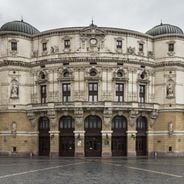
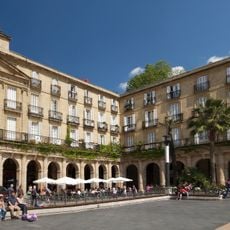
Archaeological Museum, Archaeological museum in historic district, Bilbao, Spain.
The Archaeological Museum of Bilbao (Arkeologi Museoa) occupies the former railway station of the Bilbao–Asua Valley line, inaugurated in 1895 and abandoned in 1994. The old station buildings now hold the museum's administrative services, study rooms and workshops, while a new building erected on the site of the platforms houses the storerooms and exhibition halls. The permanent exhibition runs across two floors in seven chronological sections, from the Palaeolithic to the modern era.
The museum occupies the former railway station of the Bilbao–Asua Valley line, inaugurated in 1895 and enlarged in the early 20th century before being abandoned in 1994. Restoration and extension works preceded the museum's opening on 3 April 2009. The old station buildings now hold administrative services and study and workshop rooms, while a new building on the former platforms houses the storerooms and exhibition halls.
The collection presents regional development across seven distinct periods, from Paleolithic times to the Medieval era, through objects that reveal how people lived and worked. Visitors experience daily life and cultural practices across these centuries through the displayed artifacts.
The museum is located in the historic old town and is easily accessible on foot, with clear signage throughout the three floors. Plan for at least a few hours to get a good overview of the collections.
The museum holds the archaeological and documentary record of Biscay, but under 2% of these holdings are on display. The rest — excavation reports, plans, photographs and finds — is kept for archaeologists and researchers to consult. Since 2008 it has been the official repository for archaeological and palaeontological finds made in the province.
The community of curious travelers
AroundUs brings together thousands of curated places, local tips, and hidden gems, enriched daily by 94,839 contributors worldwide.