Namibia, Country in Southern Africa between Angola, Botswana, South Africa and the Atlantic Ocean
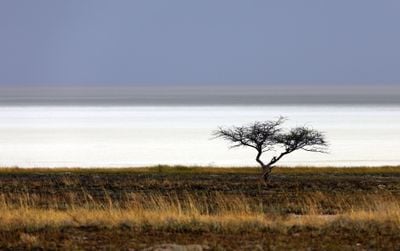
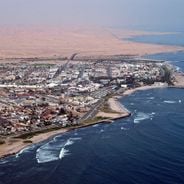
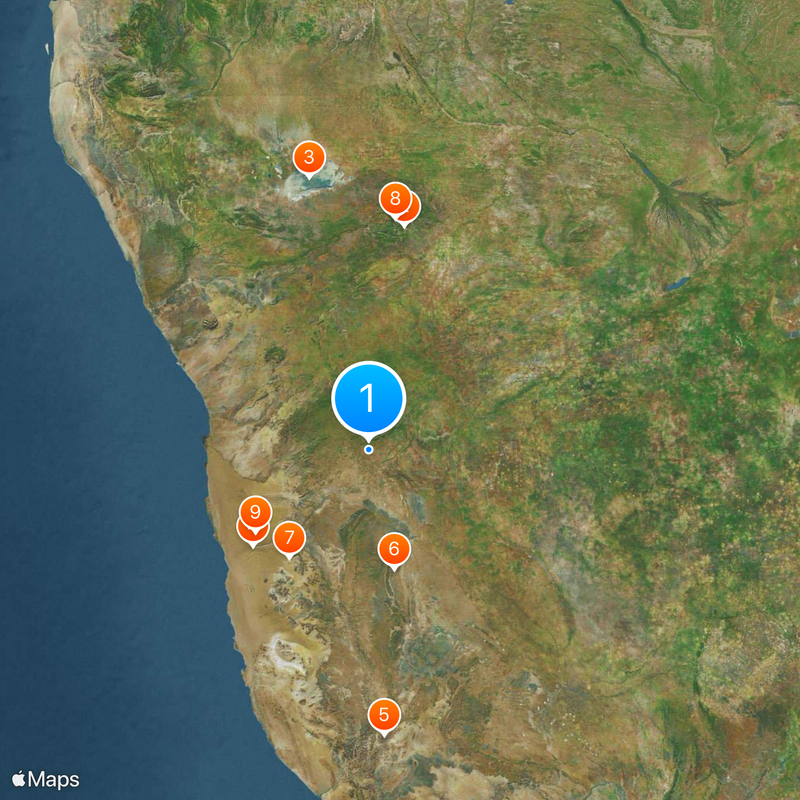
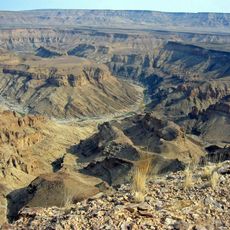
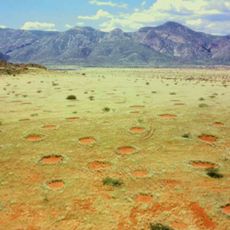
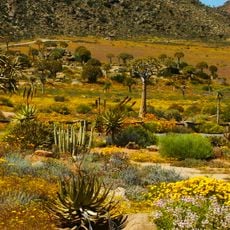
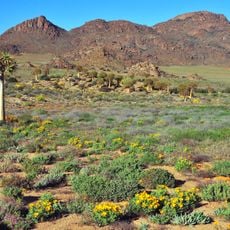
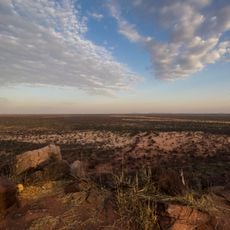
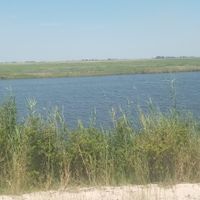
Namibia is a republic in southern Africa between Angola, Botswana, South Africa and the Atlantic Ocean, encompassing deserts, savannas and wetlands. The country stretches across 824,000 square kilometers between the Atlantic coast and the Kalahari Basin, with the central highlands reaching elevations up to 2,600 meters.
San peoples lived in the region for thousands of years before Bantu-speaking groups migrated from the 14th century onward. German colonial rule began in 1884 and ended after the Herero and Nama genocide between 1904 and 1908, when South Africa took control and enforced apartheid laws until armed resistance by SWAPO led to independence in March 1990.
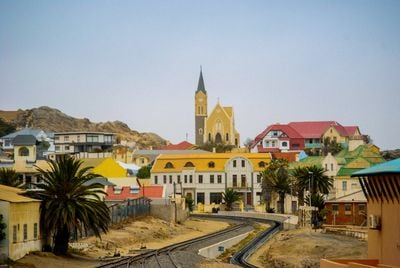
The population includes multiple ethnic groups such as Ovambo, Herero, Damara, Nama and settlers of German descent, each maintaining their own languages and traditions. Traditional music, handicrafts and clan-based social structures shape everyday life in many communities alongside modern urban centers.
The capital Windhoek has an international airport with connections to several African and European cities. Most nationalities do not need a visa, though entry rules should be checked before arrival. Self-drivers require an international license and should note that traffic moves on the left.
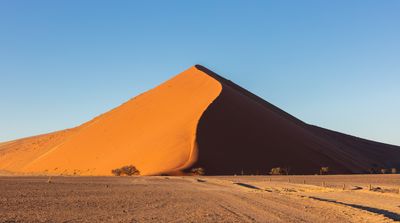
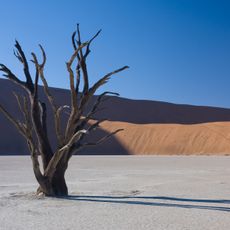
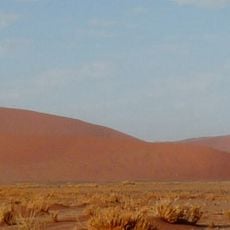
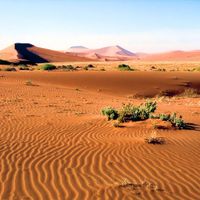
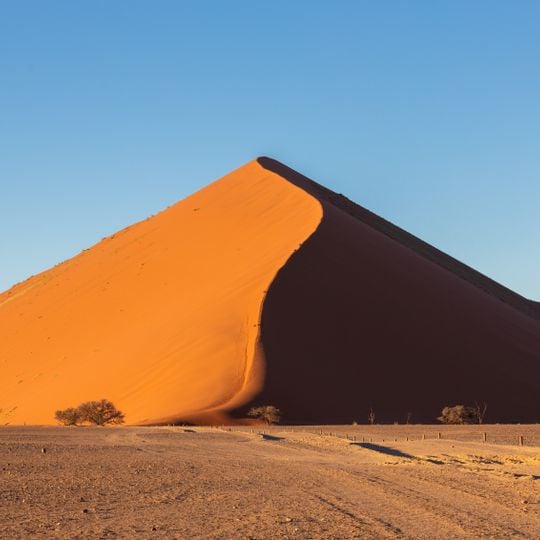
The Welwitschia mirabilis, a desert plant with only two leaves that grow throughout its lifetime, can live over 2,000 years and exists solely in the Namib Desert. Sossusvlei holds some of the tallest sand dunes on Earth, with Dune 7 reaching approximately 380 meters in height.
The community of curious travelers
AroundUs brings together thousands of curated places, local tips, and hidden gems, enriched daily by 91,515 contributors worldwide.