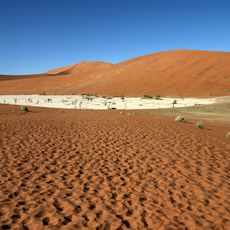
Deadvlei, Clay pan in Namib Desert, Namibia
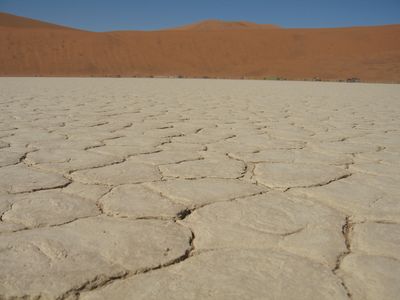
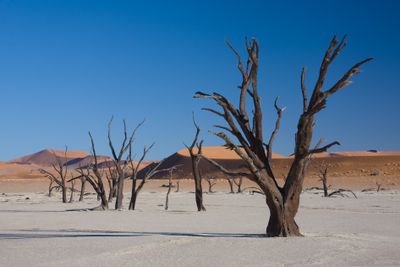
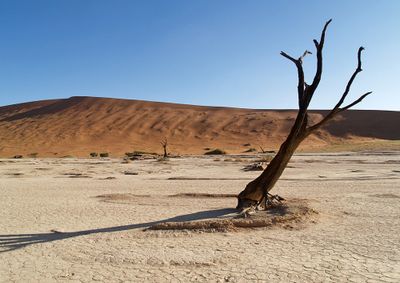
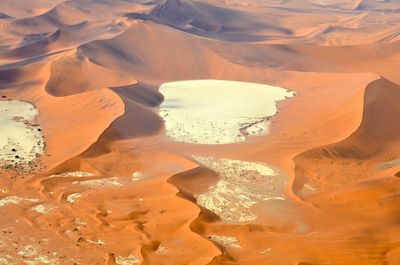
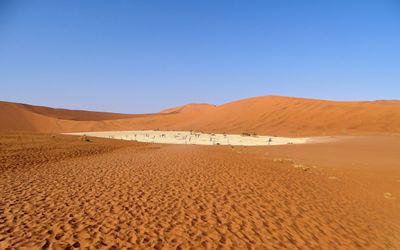
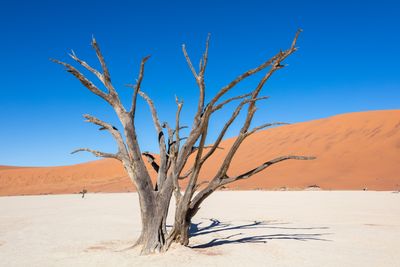
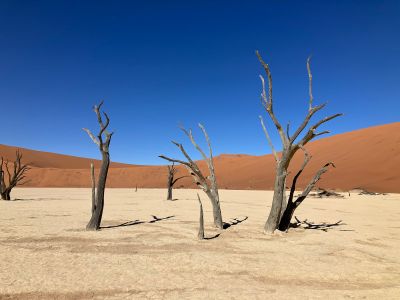
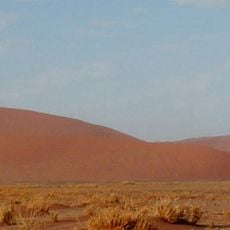
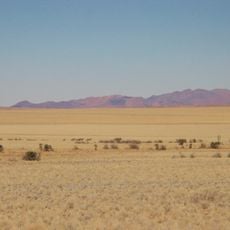
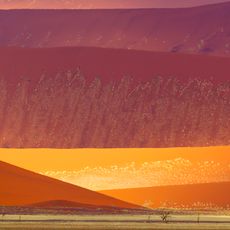
Deadvlei is a white clay pan set within the Namib Desert, where blackened acacia trees stand dead against towering sand dunes that rise about 400 meters high. The landscape creates a striking composition of contrasting colors and forms.
The clay pan formed when the Tsauchab River flooded and left shallow pools in which camel thorn trees (Vachellia erioloba) grew. Radiocarbon dating of the wood shows the trees died in the second half of the 14th and first half of the 15th century, roughly 600–700 years ago, as dunes cut the river off and drought set in. The drying is linked to the onset of the Little Ice Age.
The place draws photographers and artists who come to capture the sharp contrasts of black trees, white clay, and rust-colored dunes. People travel here specifically for these striking visual compositions that are hard to find elsewhere.
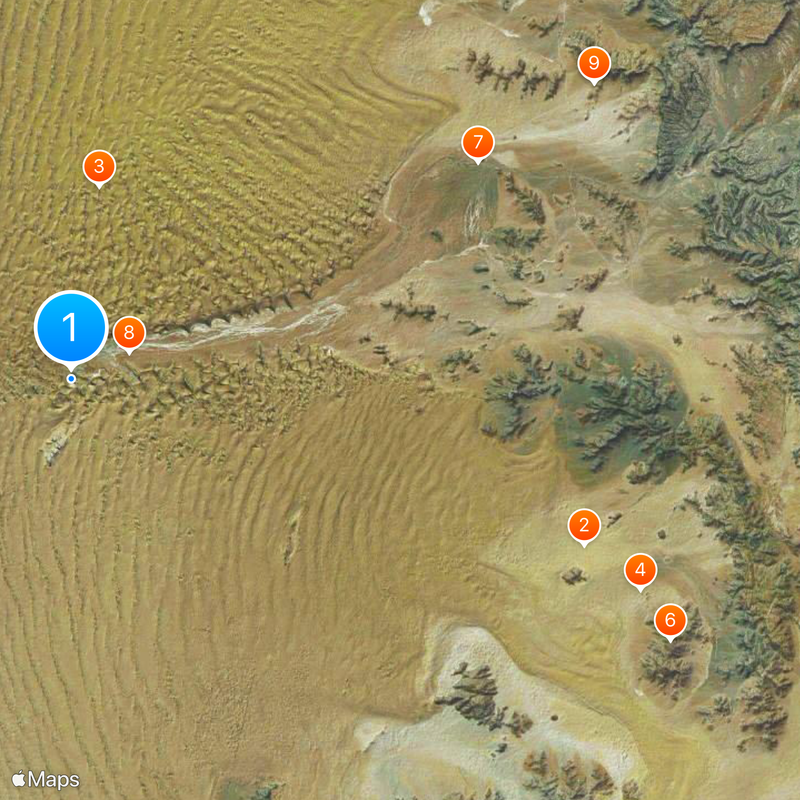
The pan lies at the end of the Tsauchab's dry valley system, reached on foot from the Sossusvlei car park; the walk crosses sand and clay, so allow time for heat and soft footing. The clay surface cracks into polygonal plates, and the dunes flanking it rise steeply. Carry water and sun protection; shade is absent.
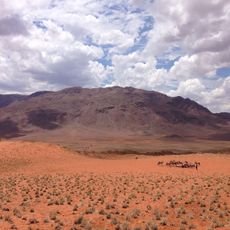
Radiocarbon dating of the wood shows the camel thorn trees died in the second half of the 14th and first half of the 15th century, and that the skeletons are about 850 years old in total. Their death coincides with the onset of the Little Ice Age, when the Tsauchab carried less water. Geckos live in the sand here, birds perch in the dead trees, and oryx roam the surrounding dunes.
The community of curious travelers
AroundUs brings together thousands of curated places, local tips, and hidden gems, enriched daily by 92,887 contributors worldwide.