Skeleton Coast National Park, National park in northwestern Namibia
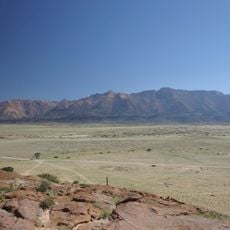
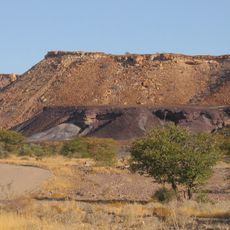
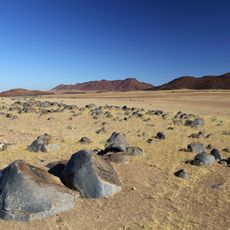
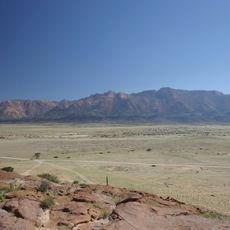
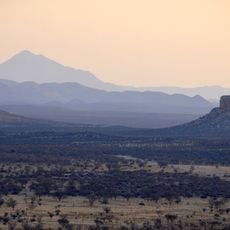
Skeleton Coast National Park covers 16,845 km² of northwestern Namibia, running from the Ugab River about 500 km north to the Kunene River on the Angolan border. Near the entrance the Ugab cuts a deep winding canyon through marble, dolomite and slate beds, and the ground is pebble desert. Sand dunes begin about 100 km north near Torra Bay.
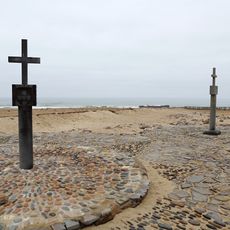
The park was established in 1971 to protect this harsh and remote coastal region from development. The name comes from numerous shipwrecks caused by dense fog and powerful ocean currents over many decades.
The park's name comes from the whale bones and shipwreck remains once found along this shore. Near the entrance, the Ugab River cuts a deep winding canyon through marble, dolomite and slate deposits. About 100 km north, near Torra Bay, the gravel plain gives way to sand dunes. At the Guab river, cormorants now nest on an abandoned oil drilling rig.
Access to the southern sections requires a four-wheel-drive vehicle, and most visitors need permits to enter the park. The northern areas are closed to independent travelers and can only be visited through authorized safari operators.
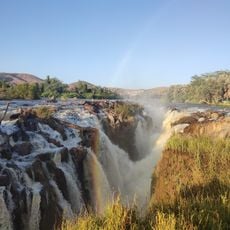
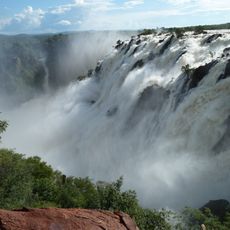
Near Torra Bay, the hull of the wrecked ship Atlantic Pride lies on the shore, and a short distance inland a canyon cut into brightly coloured sands holds the desert's only waterfall. In the northern section, the Roaring Dunes of Terrace Bay can be ridden on a snowboard when the wind is right, and the resonating sand produces a roar like an aircraft engine audible for several kilometres.
The community of curious travelers
AroundUs brings together thousands of curated places, local tips, and hidden gems, enriched daily by 92,922 contributors worldwide.