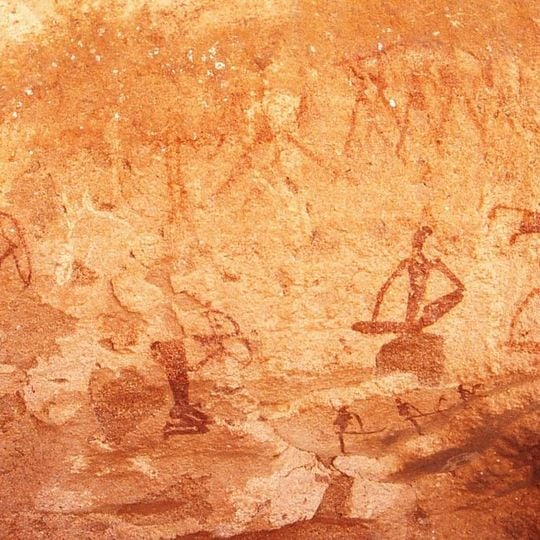
Twyfelfontein, Rock art petroglyphs in Kunene Region, Namibia
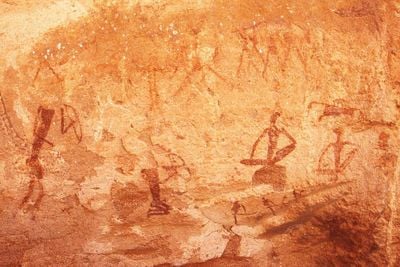
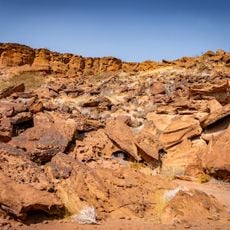
Twyfelfontein is an archaeological site with over 2,500 rock engravings scattered across sandstone formations, depicting animals, human figures, and geometric patterns in the desert. The carvings spread across multiple exposed rock faces and represent one of Africa's largest collections of prehistoric rock art.
The rock art dates back over 6,000 years, created by the region's earliest inhabitants during the hunter-gatherer era. Documentation by surveyor Reinhard Maak around 1914 brought these ancient carvings to wider attention and eventually led to their World Heritage recognition.
The carvings reveal how ancient hunter-gatherers saw their world, with animals like elephants and antelopes appearing again and again in their art. These repeated images show that the creatures around them held deep meaning in their daily lives and beliefs.
Walking routes guide visitors through the site, with some paths open for independent exploration and others requiring a local guide for better understanding. Wear sturdy shoes and bring plenty of water, as the rocky, uneven terrain and desert sun can be demanding.
Among the carvings are unexpected depictions of sea lions, suggesting the ancient residents traveled long distances across the land. These rare marine animal images found far from the ocean indicate how far and wide these early people ventured from their desert home.
The community of curious travelers
AroundUs brings together thousands of curated places, local tips, and hidden gems, enriched daily by 92,004 contributors worldwide.