Spitzkoppe National Park, Nature reserve in Erongo Region, Namibia
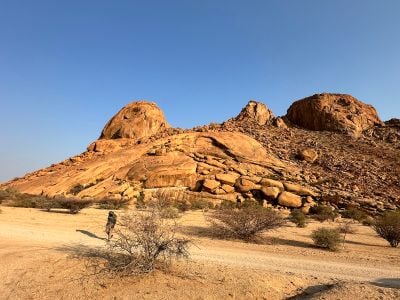
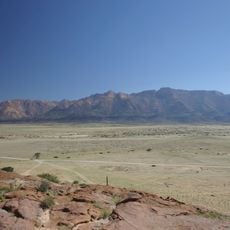
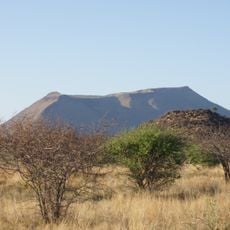
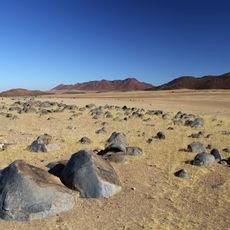
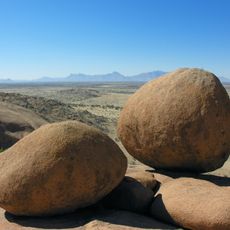
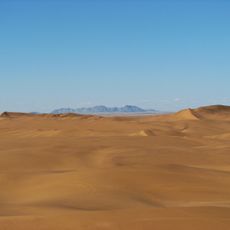
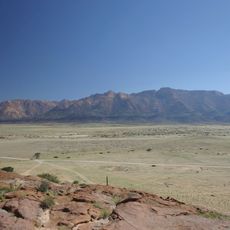
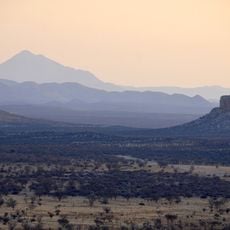
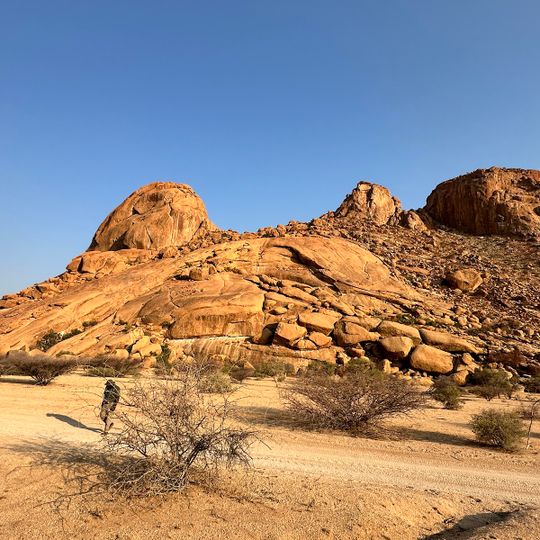
The granite peaks of Spitzkoppe rise 1784 meters above sea level, standing prominently against the flat plains between Usakos and Swakopmund.
The first documented successful climb of Spitzkoppe occurred in 1946, led by mountaineer S. le Roux, marking the beginning of recorded expeditions.
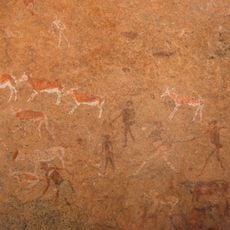
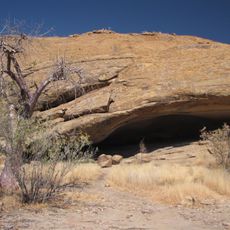
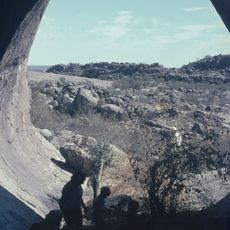
Ancient rock paintings preserved within caves and on rocks throughout the reserve demonstrate the presence of early Bushmen communities in the region.
The reserve offers designated camping areas with basic facilities, including toilets and cooking spaces, while visitors need to register at the community reception.
The granite formations date back over 700 million years, created during the separation of the ancient supercontinent Gondwanaland.
Location: Erongo Region
Address: Spitzkoppe, Namibia
GPS coordinates: -21.81695,15.18904
Latest update: March 3, 2025 17:05
Namibia offers travelers a diverse landscape of natural wonders and historical landmarks that span vast desert plains, dramatic canyons, and protected wildlife reserves. The country's attractions range from Etosha National Park, where large herds gather at waterholes across more than 8,500 square miles (22,000 square kilometers) of protected land, to the towering red dunes of Sossusvlei rising 1,000 feet (300 meters) above white salt pans. Fish River Canyon cuts 100 miles (160 kilometers) through the southern landscape, while along the Atlantic coast, the Skeleton Coast preserves the remains of ships lost in foggy waters and hosts thriving seal colonies. Rock engravings at Twyfelfontein, created by San peoples over 6,000 years ago, document ancient wildlife and spiritual practices through more than 2,500 carvings in red sandstone. The Namib Desert, one of Earth's oldest arid regions, supports specialized wildlife and plant species that have adapted to extreme conditions over millions of years. Conservation areas like Okonjima protect cheetahs and leopards through research and rehabilitation programs, while coastal wetlands at Pelican Point and Sandwich Harbour provide feeding grounds for flamingos, pelicans, and thousands of Cape fur seals. The collection also includes Kolmanskop, a German colonial diamond mining settlement from 1908 that now stands abandoned as sand dunes gradually reclaim its buildings. These destinations demonstrate how human history, geological forces, and resilient ecosystems have shaped this southwestern African nation into a compelling destination for nature and culture enthusiasts.
The White Lady
95.7 km
Dorob National Park
97.9 km
Königstein
97.7 km
Erindi Private Game Reserve
113.3 km
Phillipp's Cave
46.7 km
Evangelical Lutheran Church
117.4 km
Messum Crater
110.1 km
Bushman Paradise Cave
45.3 km
Altes Gefängnis
116.7 km
The Dome
116.3 km
Windmill
114.5 km
Kubas Station Building
69.9 km
Paula's cave
78 km
Parc national de Dorob
83.4 km
Zisabspitze
92.2 km
OMEG-Haus
117.2 km
Rhenish Mission Church
114.4 km
Okenyenya
109.8 km
Kramersdorf Building
117.4 km
Powder Magazine
114.4 km
Christuskirche
69.3 km
Hotel zum Grünen Kranze
69.9 km
Hälbich Buildings
69.9 km
Haus Woll
69.9 km
Proviantamt
69.9 km
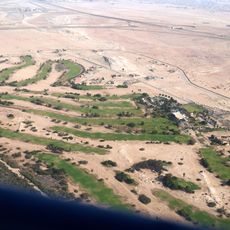
Rossmund Desert Golf Course
113.1 km
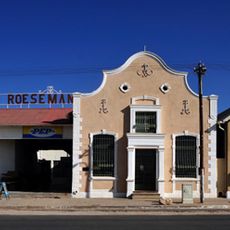
Façade of Rösemann Building
69.9 km
Swakop Bridge
114.7 kmReviews
Visited this place? Tap the stars to rate it and share your experience / photos with the community! Try now! You can cancel it anytime.
Discover hidden gems everywhere you go!
From secret cafés to breathtaking viewpoints, skip the crowded tourist spots and find places that match your style. Our app makes it easy with voice search, smart filtering, route optimization, and insider tips from travelers worldwide. Download now for the complete mobile experience.
A unique approach to discovering new places❞
— Le Figaro
All the places worth exploring❞
— France Info
A tailor-made excursion in just a few clicks❞
— 20 Minutes