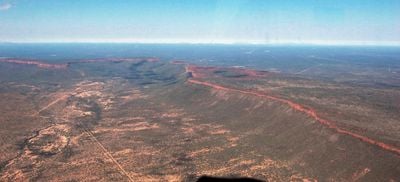
Waterberg Plateau, Table mountain and national monument in Otjozondjupa Region, Namibia.
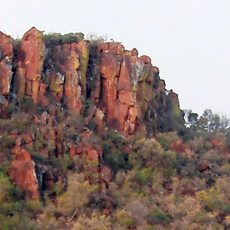
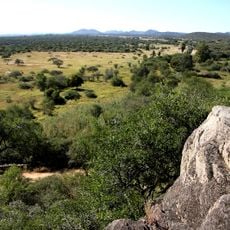
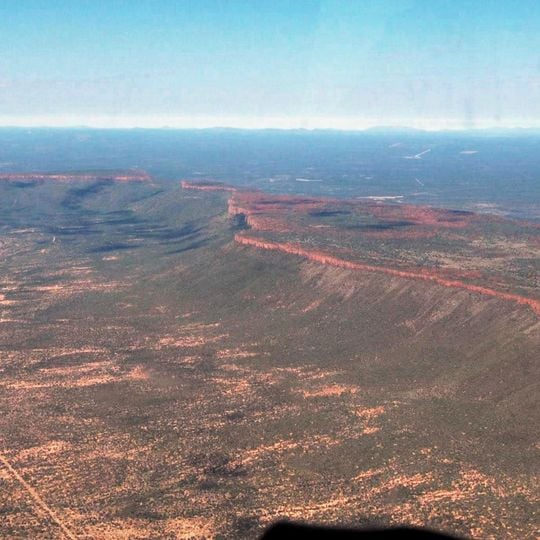
The Waterberg Plateau is a large table mountain in Otjozondjupa Region that rises sharply from the Kalahari plains with a flat top and steep surrounding cliffs. The landscape features reddish sandstone rock faces and deep canyons carved by water, creating different habitats for plants and animals.
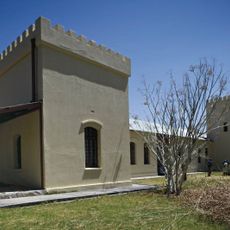
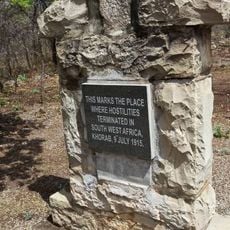
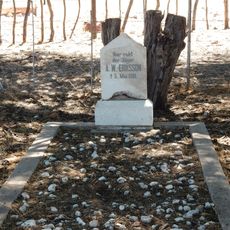
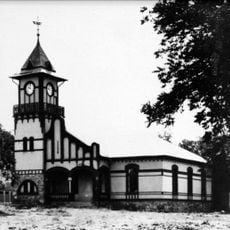
The Battle of Waterberg took place on 11 and 12 August 1904 during the Herero uprising. Many Herero were killed in the fighting; others died of hunger and thirst while fleeing through the Kalahari, and many reached Bechuanaland, now Botswana. A memorial plaque for the fallen Herero and a German military cemetery stand on the plateau, and the battle is commemorated every 11 August.
The name Waterberg means "water mountain", after the springs where the sandstone releases water at the plateau edge. The San lived on the plateau for thousands of years, and a small group still lived there until the 1960s; their presence is attested by ancient rock paintings. The Battle of Waterberg is commemorated every 11 August.
The plateau lies 86 km east of Otjiwarongo and 300 km north of Windhoek, reached from the base of its cliff line. The sandstone absorbs rain like a sponge and releases it at springs along the south-east sloping boundary layer, so the rim stays greener than the plain. The park covers the 40,500 ha plateau and about 400 km² around it.
The plateau's oldest rock layer dates back about 850 million years, and dinosaur fossils roughly 200 million years old have been found here. The sandstone soaks up rain like a sponge; the water resurfaces at springs along the southeastern edge, which is why the name means "water mountain".
The community of curious travelers
AroundUs brings together thousands of curated places, local tips, and hidden gems, enriched daily by 93,134 contributors worldwide.