Apollo 11 Cave, Prehistoric art cave in Karas region, Namibia
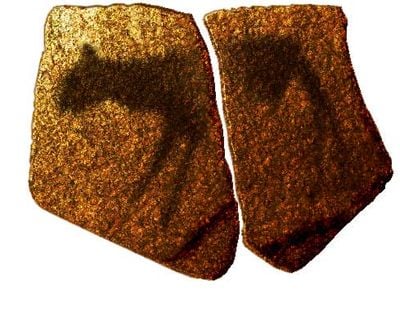
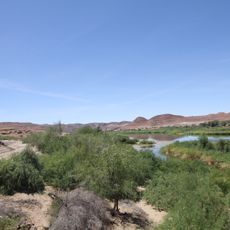
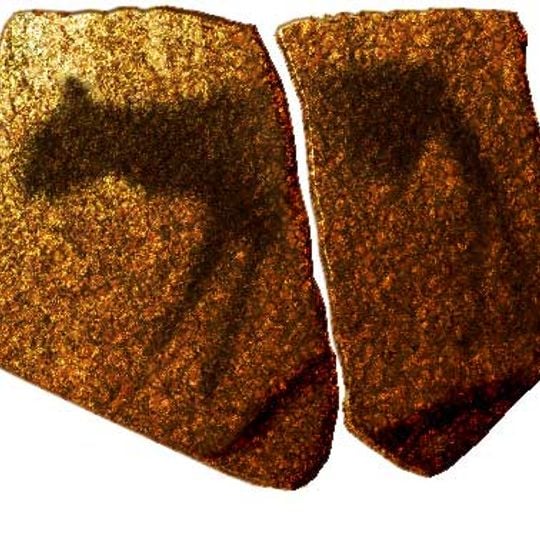
Apollo 11 Cave is a rock overhang formation at the junction where the Orange and Great Fish rivers meet in southwestern Namibia. The site features quartzite slabs with paintings of animals and hybrid creatures made by early inhabitants.
German archaeologist Wolfgang Wendt discovered the site in 1969 and named it after the Apollo 11 moon mission. Excavations revealed that people lived and created art at this location across a long span of millennia.
The paintings found here show animals and hybrid figures created by early inhabitants using simple techniques. These images offer a window into how the people who lived in this region thousands of years ago saw and understood the world around them.
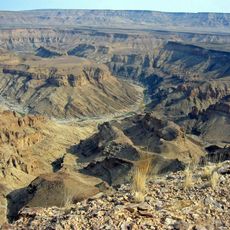
The location is remote near Keetmanshoop and requires planning to visit. The main artifacts are displayed at the National Museum of Namibia in Windhoek, so visiting both places helps you understand the complete story.
The paintings combine human legs with antelope and feline heads, an unusual depiction that may have held spiritual meaning. Such hybrid figures are rare in prehistoric art and reveal the complex thinking of the early artists.
The community of curious travelers
AroundUs brings together thousands of curated places, local tips, and hidden gems, enriched daily by 91,598 contributors worldwide.