Sperrgebiet, Nature reserve in southwestern Namibia
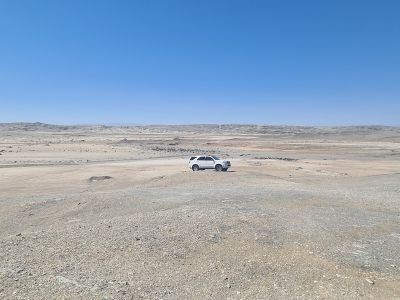
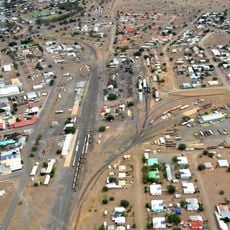
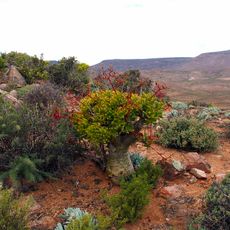
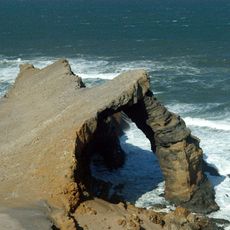
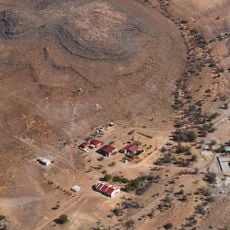
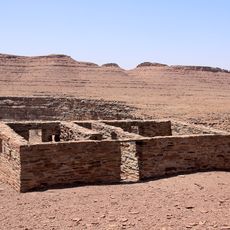
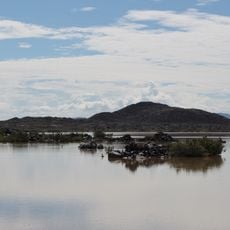
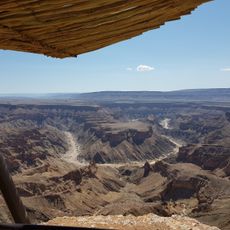
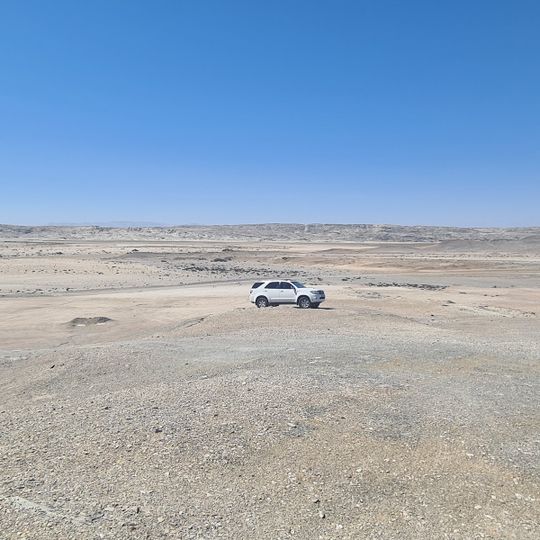
Sperrgebiet is a national park in southwestern Namibia featuring vast sand dunes, gravel plains, and a rugged Atlantic coastline. The terrain displays desert landscapes where wind and water continuously shape the red sand formations.
In April 1908, Zacharias Lewala found the first diamond near Grasplatz, triggering a diamond rush. In September 1908, the German government declared the area a Sperrgebiet, granting sole mining rights to the Deutsche Diamantengesellschaft. De Beers controlled the area until the 1990s, when Namibia bought a fifty-percent stake in the joint Namdeb Diamond Corporation. The area was designated a national park in June 2004.
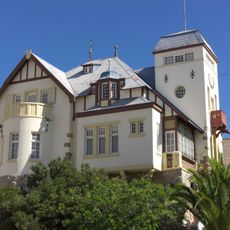
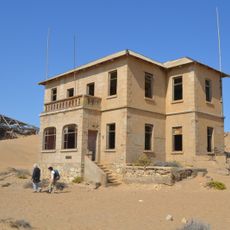
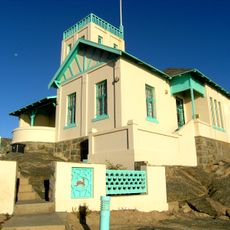
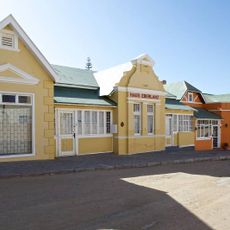
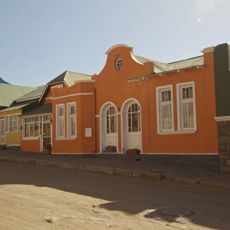
The park's name comes from Nama: tsau means "rich in" and ǁkhaeb means "diamond", while Sperrgebiet is German for "prohibited area". The ǁ symbol marks a click consonant. Kolmanskop, Pomona and Elizabeth Bay are ghost towns left by diamond mining, and the 500-year-old Bom Jesus wreck found here in 2008 is to be shown in a museum in Oranjemund.
Entry requires special permits and visitors can only explore with authorized guides. Plan ahead for permit arrangements before your trip and check current requirements for your group size.
In April 2008, the 500-year-old wreck of the Bom Jesus was found in the Sperrgebiet, carrying Iberian coins, bronze cannons, copper and ivory. Under Namibian law the government owns all items recovered from it, and they are to be shown in a museum in Oranjemund once it is built.
The community of curious travelers
AroundUs brings together thousands of curated places, local tips, and hidden gems, enriched daily by 92,922 contributors worldwide.