Cape Verde, Island nation in North Atlantic Ocean, Cape Verde.
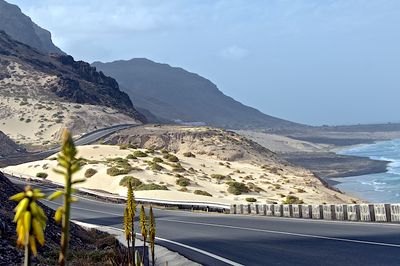
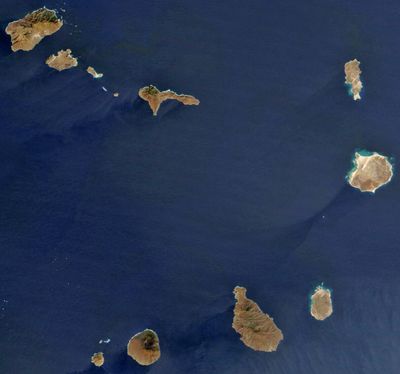
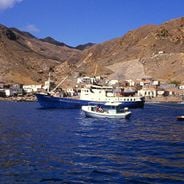
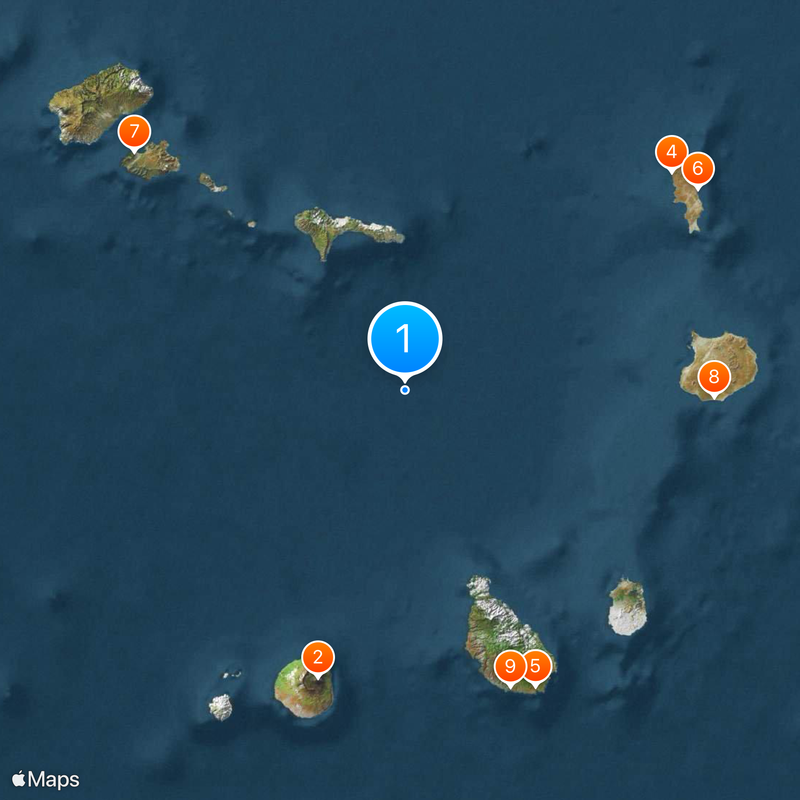
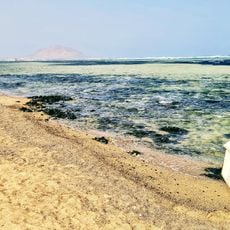
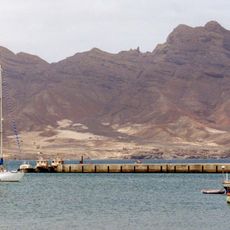
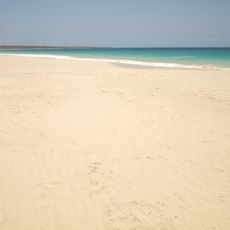
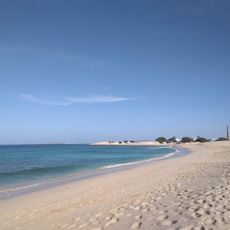
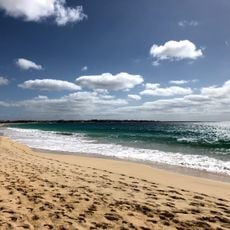
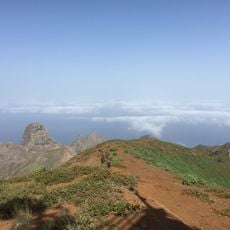
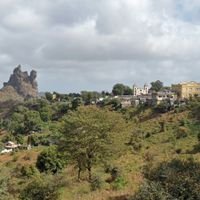
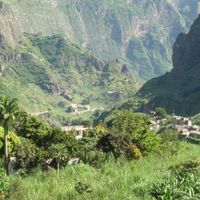
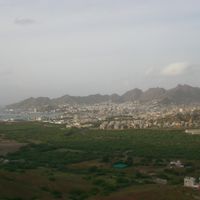
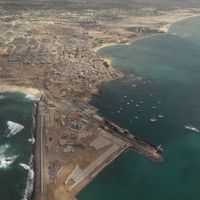
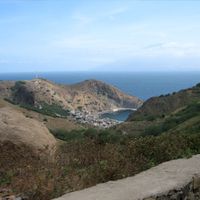
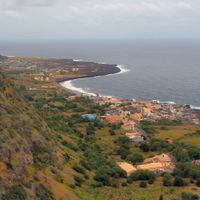
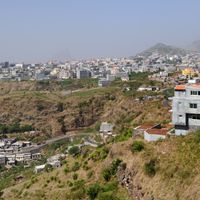
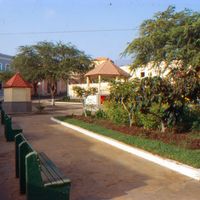
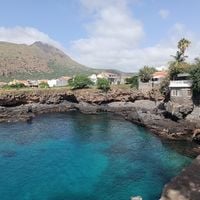
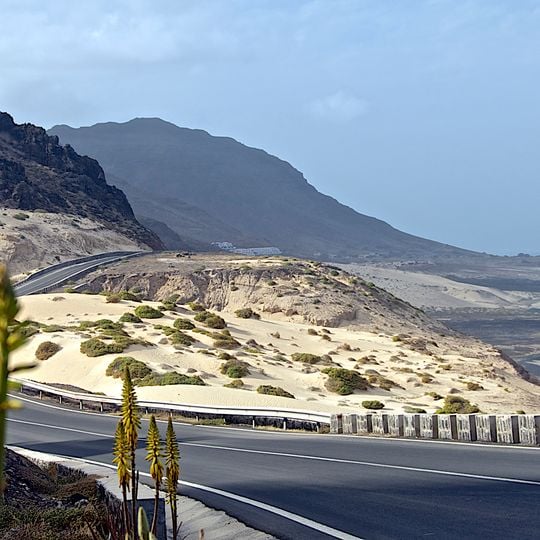
Ten volcanic islands form the archipelago, divided into northern Barlavento and southern Sotavento groups across 4,033 square kilometers in the North Atlantic. Santo Antão features rugged mountain terrain, while Sal and Boa Vista possess extensive sandy beaches. Santiago hosts the capital Praia and displays green valleys in its interior highlands.
Portuguese navigators reached the uninhabited islands in 1456 and founded Ribeira Grande in 1462 as the first European tropical settlement. The archipelago became a trading center for enslaved people between Africa and the Americas during three centuries. Following independence from Portugal in 1975, a democratic republic developed with several peaceful government transitions since 1991.
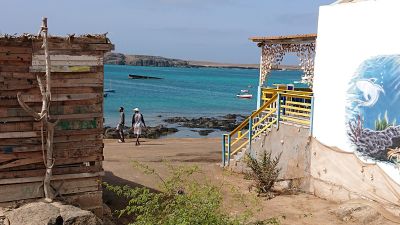
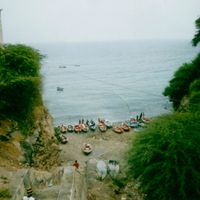
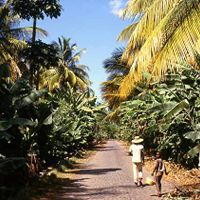
Communities preserve Morna, a traditional music form blending melancholy melodies with poetic lyrics that gained international recognition through singer Cesária Évora. Festivals such as Carnival on São Vicente showcase African and Portuguese rhythms through colorful street parades. Fishing and agriculture continue shaping rural communities, while urban centers develop modern Cape Verdean identity through contemporary arts and literature.
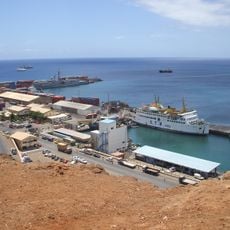
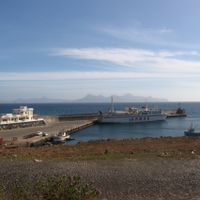
International airport on Sal receives direct flights from Europe and Africa, while smaller airports connect other islands. Temperatures remain between 68 and 77 degrees Fahrenheit (20 and 25 degrees Celsius) throughout the year, with dry season from November to June. Ferries operate between inhabited islands, with Santiago and São Vicente hosting main ports. Portuguese and Creole facilitate communication in hotels and restaurants.
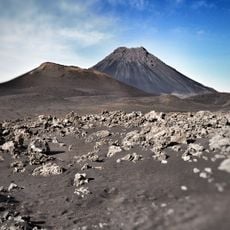
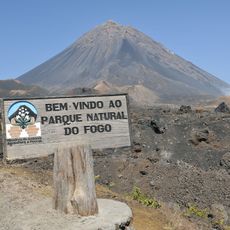
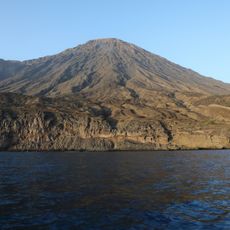
Pico do Fogo reaches 2,829 meters (9,281 feet) as an active volcano on the island of the same name, with its most recent eruption in 2014 rather than 1951. Wine cultivation thrives in fertile volcanic ash within the caldera, where farmers grow native grape varieties for local wines. The village of Chã das Caldeiras sits directly on the volcanic cone and has been destroyed several times by lava flows.
Inception: July 5, 1975
Capital city: Praia
Part of: Portuguese-speaking African countries, West Africa
Website: http://governo.cv
GPS coordinates: 16.00006,-24.00839
Latest update: November 30, 2025 16:31
Pico do Fogo
122.3 km
Estádio da Várzea
131.9 km
Buracona
140.3 km
Palácio Presidencial
132 km
Shark Bay
144.8 km
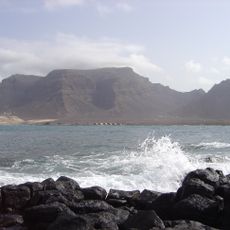
Monte Cara
146.7 km
Praia de Santa Mónica
125.9 km
Pelourinho
128.3 km
Mercado de Sucupira
131.3 km
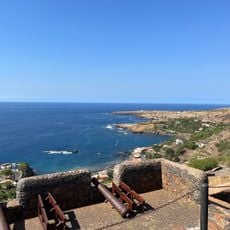
Fort Real de São Filipe
128.2 km
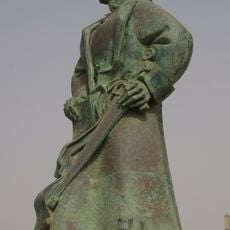
Monumento de Diogo Gomes
132 km
Monte Verde, Cape Verde
138.3 km
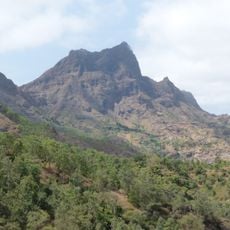
Pico da Antónia
113 km
Praia da Chave
117.4 km
Santa Maria
134.1 km
Monte Gordo
78.4 km
Fogo National Park
122.1 km
Salinas of the English Port
126.2 km
Ilhéus Secos
157.2 km
Liceu Domingos Ramos
131.5 km
Topo da Coroa
179.1 km
National Library of Cape Verde
131.9 km
Pico da Cruz
164.3 km
Estádio Marcelo Leitão
141.7 km
Cova-Ribeira da Torre-Paul Natural Park
165.6 km
Cova
166.9 km
Monte Estância
134 km
Pachamama eco-cafe & park/Jardim Botânico Viveiro
135.4 kmReviews
Visited this place? Tap the stars to rate it and share your experience / photos with the community! Try now! You can cancel it anytime.
São Lourenço dos Órgãos
São Miguel
São Salvador do Mundo
Ribeira Grande
Paul
Porto Novo
São Vicente
Ribeira Brava Municipality
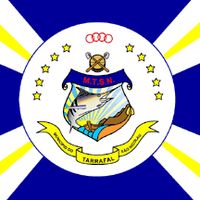
Tarrafal de São Nicolau
Boa Vista
Brava
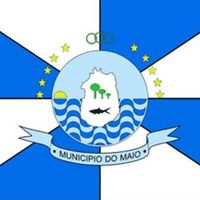
Maio
Mosteiros
Praia
Ribeira Grande de Santiago
Sal
Santa Catarina
Santa Catarina do Fogo
Santa Cruz
São Domingos
São Filipe
Tarrafal
Discover hidden gems everywhere you go!
From secret cafés to breathtaking viewpoints, skip the crowded tourist spots and find places that match your style. Our app makes it easy with voice search, smart filtering, route optimization, and insider tips from travelers worldwide. Download now for the complete mobile experience.
A unique approach to discovering new places❞
— Le Figaro
All the places worth exploring❞
— France Info
A tailor-made excursion in just a few clicks❞
— 20 Minutes