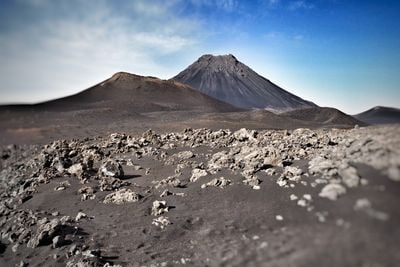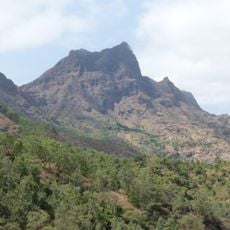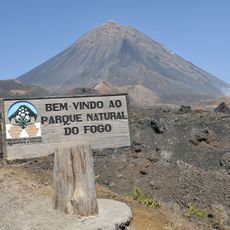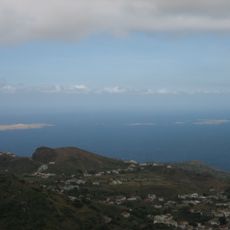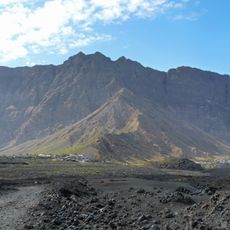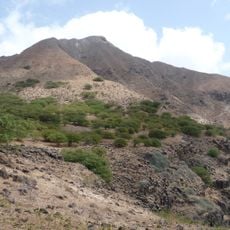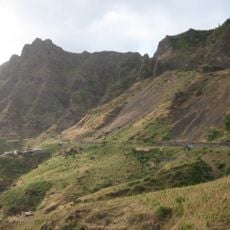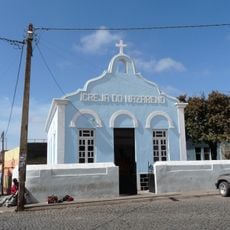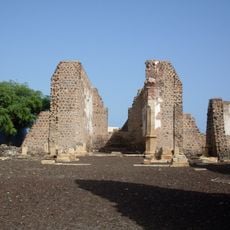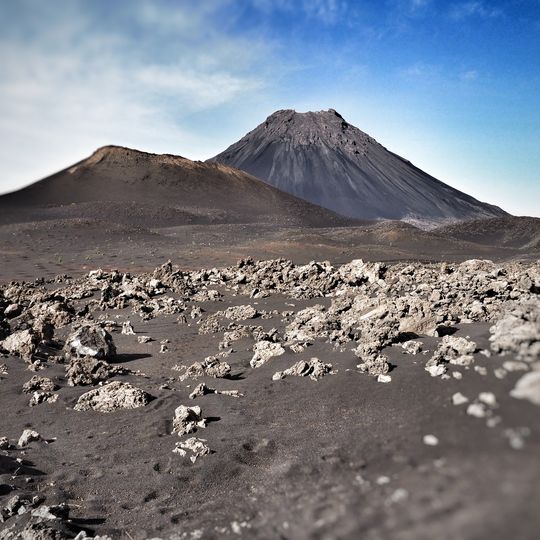
Pico do Fogo, Stratovolcano in Santa Catarina do Fogo, Cape Verde.
Pico do Fogo is a stratovolcano in Santa Catarina do Fogo with a peak at 2,829 meters above sea level, making it the highest point in Cape Verde. The volcanic cone sits within a caldera roughly 10 kilometers wide.
The 1680 summit eruption was the last from the main cone; ash falls made farmland unusable across the island and drove mass emigration, especially to Brava. The island, then called São Filipe, took from it the name Fogo ("fire"). Later eruptions came from flank fissures, from 1785 and again in 1847, 1951, 1995 and 2014.
Local farmers work the mineral-rich volcanic soil to grow coffee and grapes, using methods passed down through generations and suited to this landscape. These farming traditions shape daily life on the island.
Local certified guides lead hiking expeditions along established trails to the summit while monitoring volcanic activity for visitor safety. Bring plenty of water and wear sturdy footwear, and check weather conditions before heading up the mountain.
The eastern flank of Fogo collapsed into the ocean about 73,000 years ago, producing a tsunami roughly 170 metres high that struck the neighbouring island of Santiago. The event was dated by isotope analysis of boulders left on Santiago. The caldera's open eastern side, where lava can reach the coast, results from this flank sliding toward the sea.
The community of curious travelers
AroundUs brings together thousands of curated places, local tips, and hidden gems, enriched daily by 94,964 contributors worldwide.