Guyana, Sovereign state in northeastern South America.
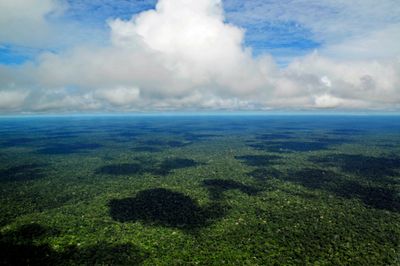
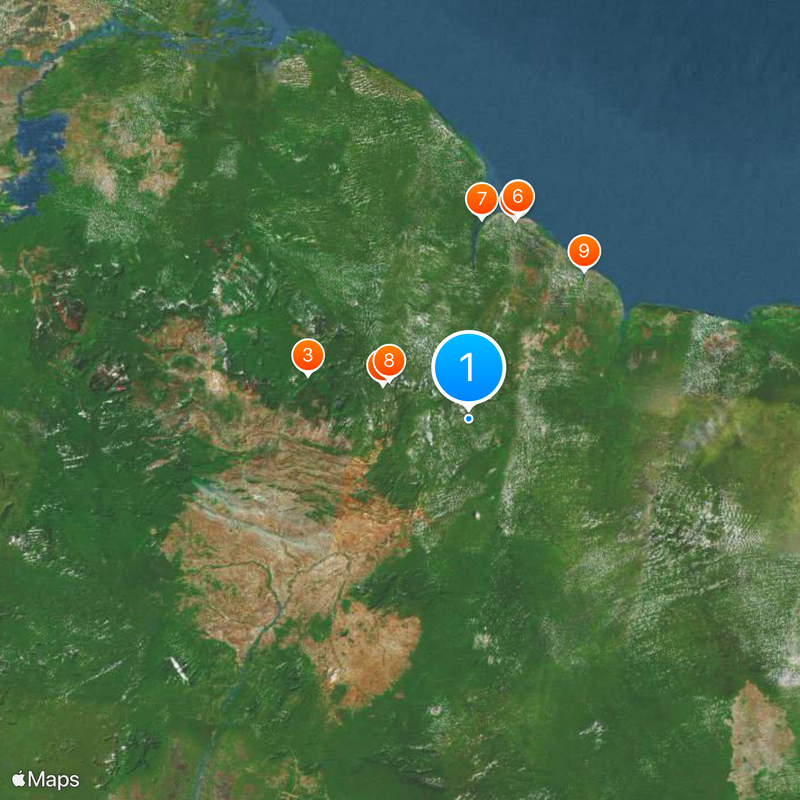
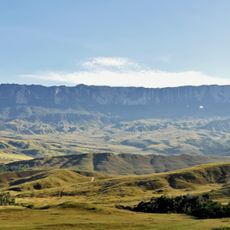
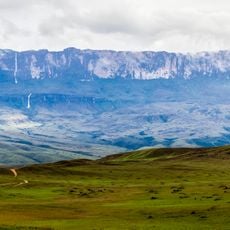
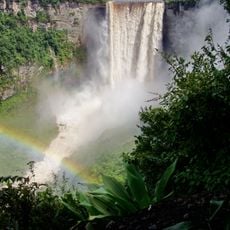
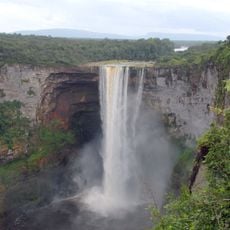
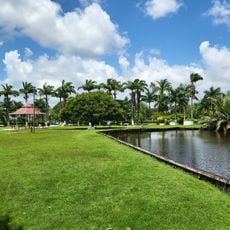
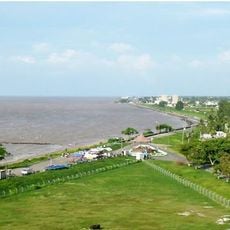
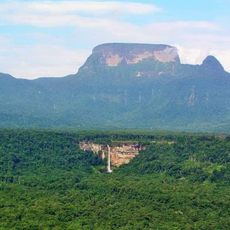
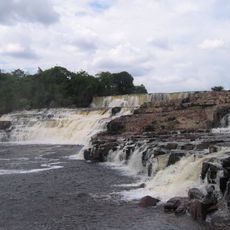
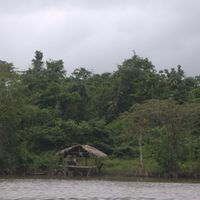
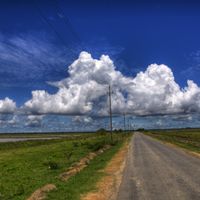
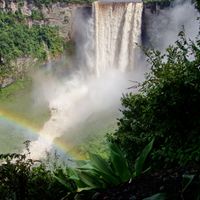
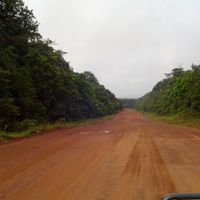
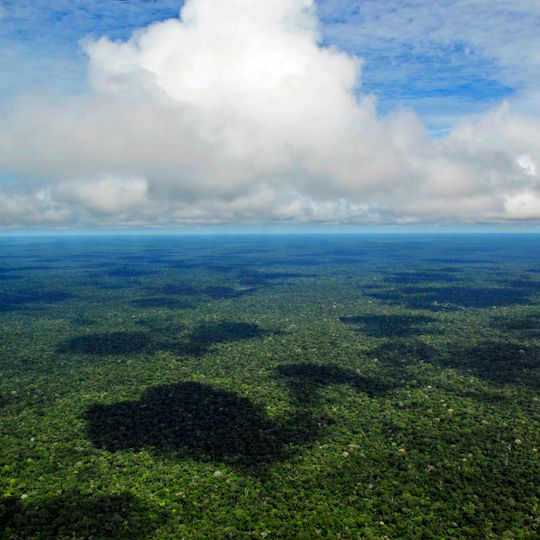
Guyana is a South American state on the northeastern coast of the continent, covering 214,969 square kilometers with tropical rainforest in the interior, savanna landscapes to the south, and agricultural coastal plains. The Pakaraima Mountains rise in the west where Kaieteur Falls drops 741 feet (226 meters), and three major river systems—Essequibo, Demerara, and Berbice—cross the territory.
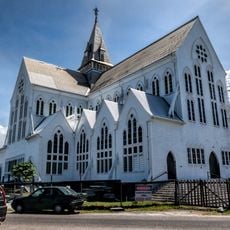
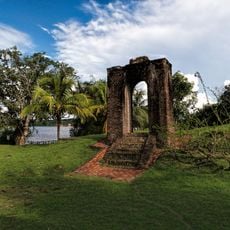
Spanish explorers reached the coast in the late 15th century, but the Dutch established the first permanent European settlements starting in 1580. Britain took control during the Napoleonic Wars and formalized rule in 1814, with slavery ending in 1834 and Indian indentured laborers working sugar plantations between 1838 and 1917 before political independence arrived on May 26, 1966.
People speak English in everyday life, while Hindi, Urdu, and different Creole languages can be heard in many families. African drum dances, Indian musical traditions, and chutney soca shape celebrations and gatherings throughout the country.
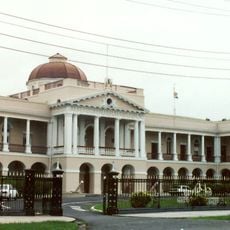
Cheddi Jagan International Airport near Georgetown receives direct flights from New York, Miami, Toronto, Panama, and several Caribbean islands, with visitors requiring a visa or electronic travel authorization depending on nationality. Dry months from February to April and from August to November offer better conditions for rainforest trips, while US dollars are widely accepted alongside the Guyanese dollar.
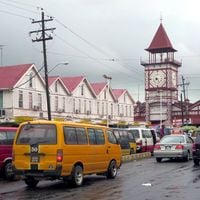
As the only English-speaking country in South America, road traffic follows left-side driving, a legacy of British colonial rule. The land hosts more than 800 bird species, including the rare Hoatzin with prehistoric features such as claws on the wings of young birds.
The community of curious travelers
AroundUs brings together thousands of curated places, local tips, and hidden gems, enriched daily by 90,827 contributors worldwide.