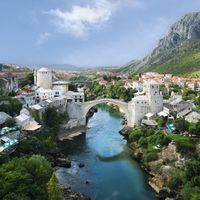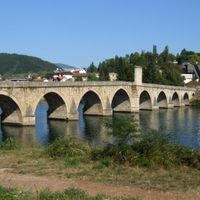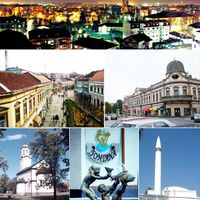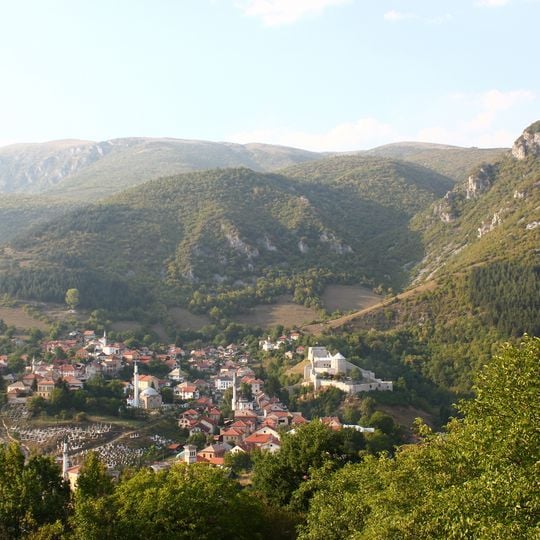
Bosnia and Herzegovina, Balkan nation in Southeast Europe.
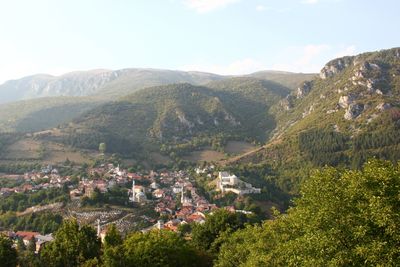
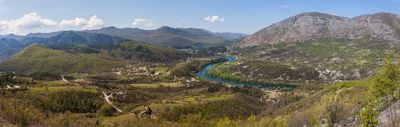
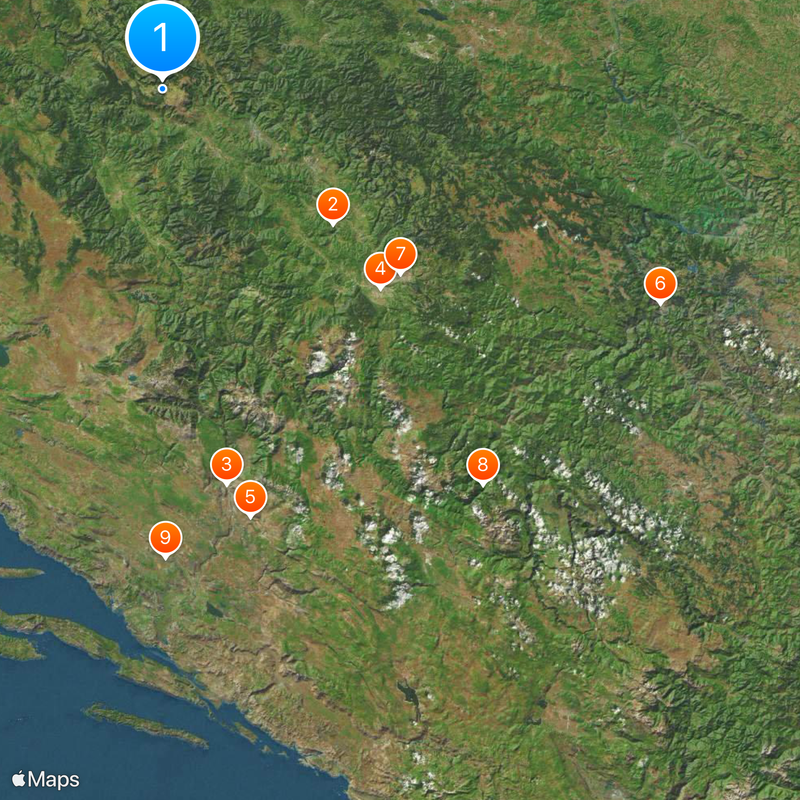
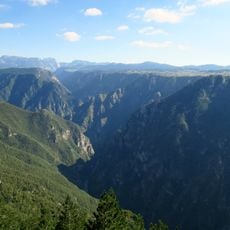
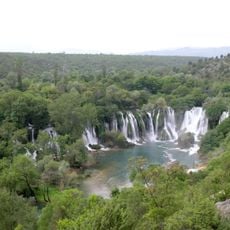
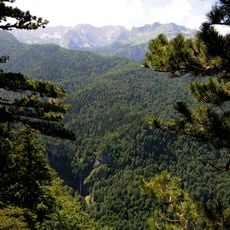
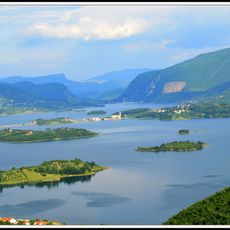
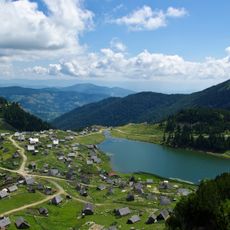
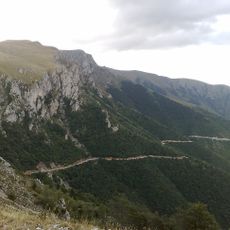
Bosnia and Herzegovina is a southeastern European nation in the western Balkans, stretching from the forested Dinaric Alps to a narrow Adriatic coastline at Neum. Deciduous woodlands cover nearly half the territory, while peaks in the west and south rise above 2,300 meters (7,500 feet).
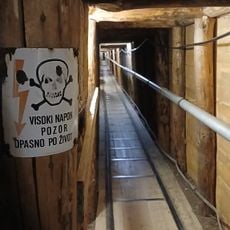
After centuries under Ottoman and Habsburg control, the territory joined Yugoslavia in 1918, declared independence in 1992 and suffered a devastating conflict until 1995. The Dayton Agreement ended the fighting and established a federal structure of two entities and ten cantons.
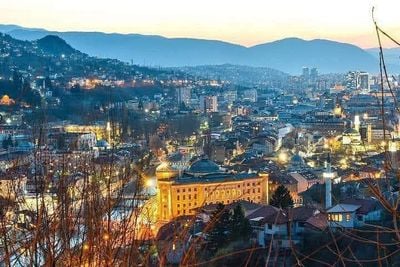
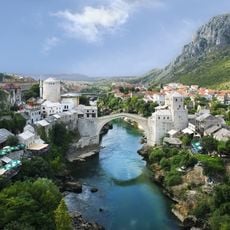
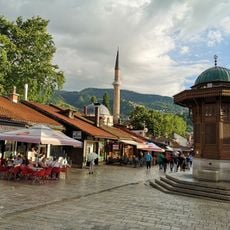
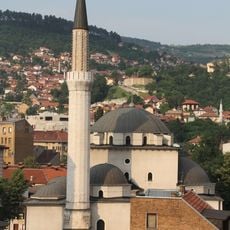
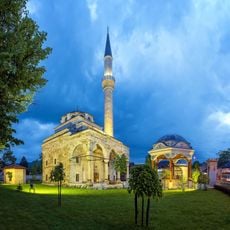
Three main groups shape daily life here – Muslim Bosniaks, Orthodox Serbs and Catholic Croats run separate schools, celebrate different holidays and mark their neighborhoods with distinct places of worship. In some towns a mosque, church and cathedral stand just a few blocks apart, showing the religious mix that defines local communities.
Travelers usually need no visa for short stays, while the convertible mark serves as currency and many shops accept euros as well. Sarajevo and other major cities offer international airports, while buses provide main connections between regions and rental cars allow access to remote mountain areas.
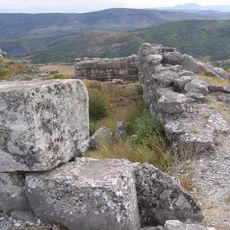
More than 60,000 medieval Stećak tombstones scatter across the country, displaying geometric patterns, hunting scenes and enigmatic symbols from the 12th to 16th centuries. This distinctive art form gained UNESCO World Heritage status in 2016 and appears both on remote mountain pastures and near village centers.
The community of curious travelers
AroundUs brings together thousands of curated places, local tips, and hidden gems, enriched daily by 90,754 contributors worldwide.