See the monuments around you in AROpen chests in the app
Around Us is built for your phone — point your camera at the streets and discover the monuments and places around you in augmented reality.Around Us is built for your phone — chests unlock when you walk, explore and capture nearby places.
Monuments and landscapes of Bosnia and Herzegovina
Bosnia and Herzegovina is known for medieval castles, monasteries, and mosques that show its diverse history. The country also has mountains, lakes, waterfalls, and national parks. Historic sites include the bridge in Mostar, the bazaar in Sarajevo, and the mills in Pliva. The monuments show Ottoman and Austro-Hungarian influences, as well as various places for worship. Natural sights include Mount Maglić, Kravice Falls, and Vrelo Bosne park.
Monuments and landscapes of Bosnia and Herzegovina
Bosnia and Herzegovina is known for medieval castles, monasteries, and mosques that show its diverse history. The country also has mountains, lakes, waterfalls, and national parks. Historic sites include the bridge in Mostar, the bazaar in Sarajevo, and the mills in Pliva. The monuments show Ottoman and Austro-Hungarian influences, as well as various places for worship. Natural sights include Mount Maglić, Kravice Falls, and Vrelo Bosne park.
The Mostar Bridge is a 16th-century stone structure destroyed during the war in 1993 and rebuilt in 2004 using traditional Ottoman techniques. This bridge stands as a symbol of reconciliation within this collection of monuments and nature of Bosnia and Herzegovina. It connects different parts of the city and represents the country's ability to restore its historical heritage.
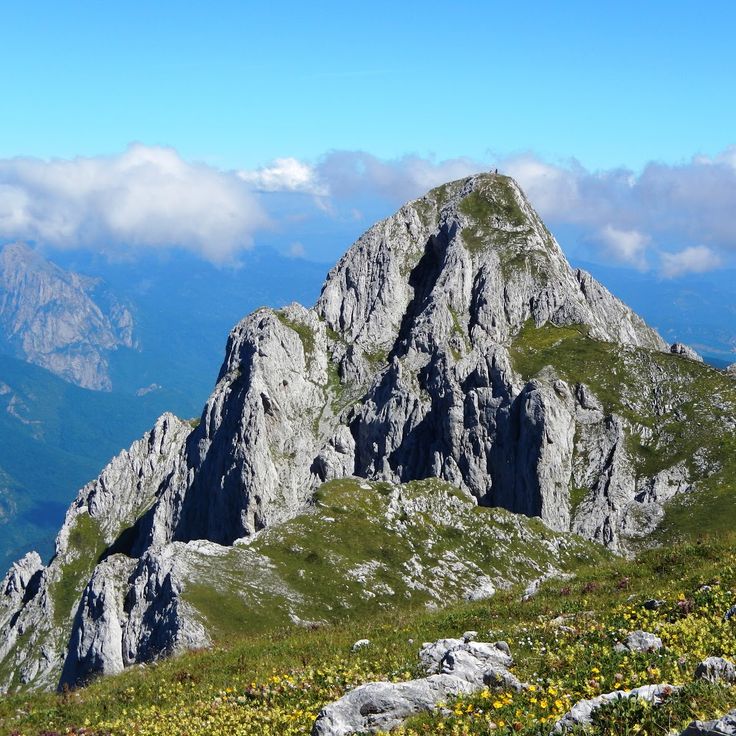
Mount Maglić in Sutjeska National Park reaches 2,386 meters high and is surrounded by pine forests and glacial lakes. As part of this collection of monuments and nature in Bosnia and Herzegovina, this mountain shows the diverse landscapes of the country, which exist alongside historical sites like the Mostar Bridge and Sarajevo Bazaar.
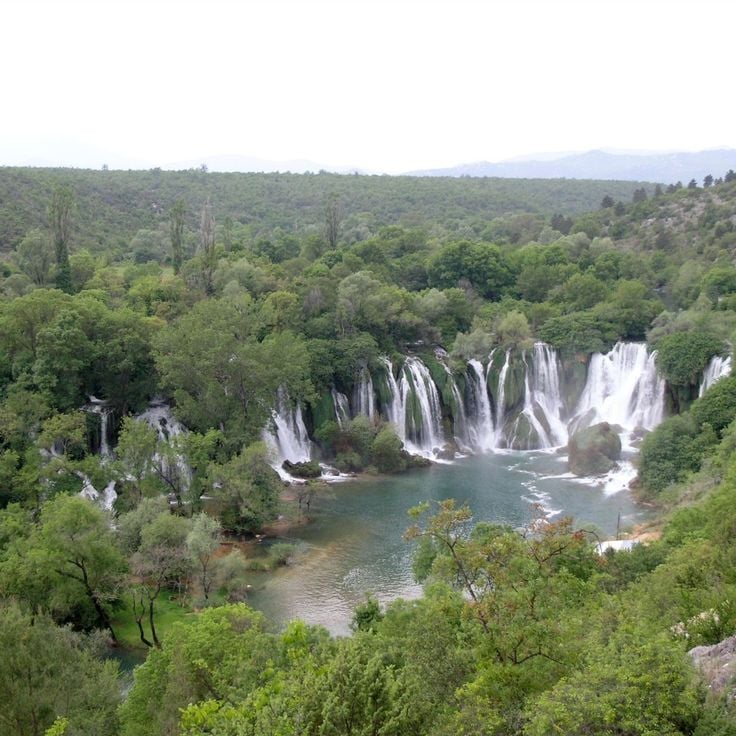
Kravice Waterfalls in Ljubuški is a series of natural waterfalls on the Trebižat River. The falls span about 120 meters across and drop about 25 meters high, forming a natural amphitheater. Water cascades down in stages into a green pool where visitors can swim. This site represents the natural landscapes of Bosnia and Herzegovina, which also features medieval fortresses, monasteries, and mosques reflecting the country's multicultural history, alongside mountains, lakes, and national parks.
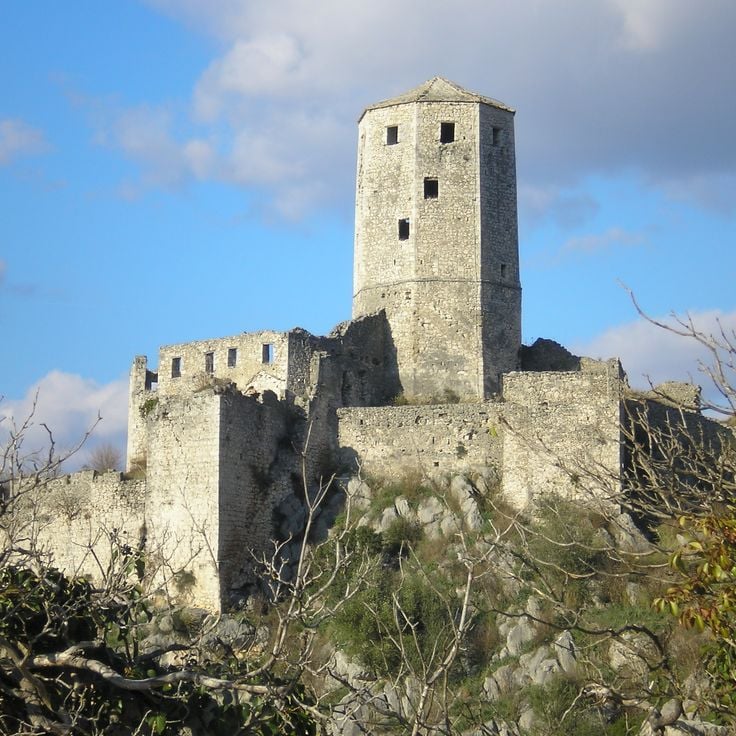
Počitelj Fortress is a medieval architectural complex from the 15th century that illustrates Bosnia and Herzegovina's multicultural past. It comprises defensive walls, a watchtower, a mosque, and traditional stone houses built into the hillside. This fortification represents the cultural layers that shaped the region alongside other historic monuments like the Mostar Bridge and the Sarajevo Bazaar.
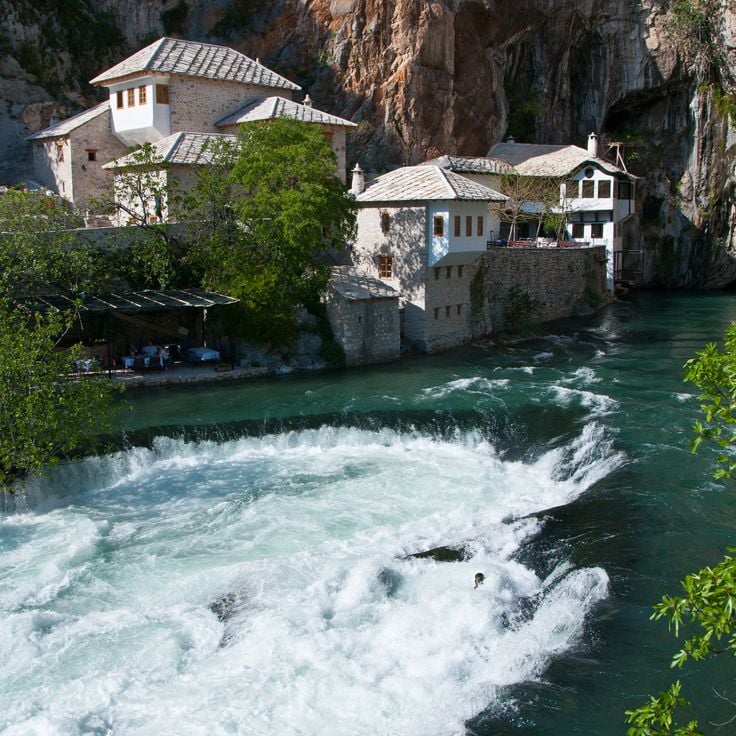
The Blagaj Monastery is a white dervish monastery built against a limestone cliff near the source of the Buna River, dating from the sixteenth century. This monastery reflects the Ottoman religious architecture that defines Bosnia and Herzegovina, where medieval fortresses, monasteries, and mosques tell the story of the country's multicultural past.
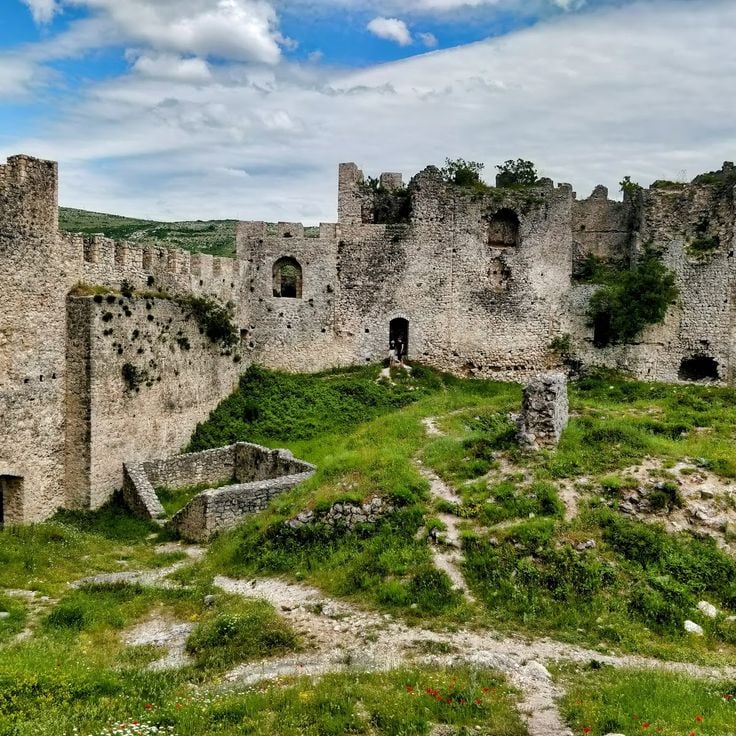
Stepjan Grad Castle is a medieval fortress built in the tenth century on a hilltop in Blagaj. This structure reflects the military architecture of its time, with outer walls that once stretched across the landscape. The castle stands as a physical reminder of Bosnia and Herzegovina's layered past, when various powers shaped the region through fortifications like this one.
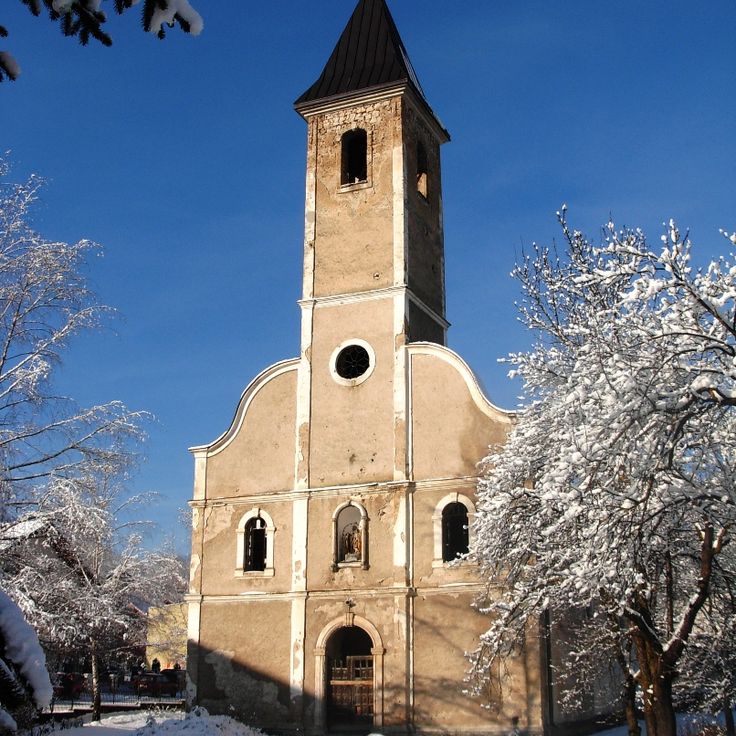
Saint James Church in Međugorje is a parish church built in 1969 that became a major Catholic pilgrimage site after reported Marian apparitions in 1981. The church draws visitors from around the world and stands as one of the most visited religious sites in Bosnia and Herzegovina. It reflects the country's multicultural religious history and shows how modern devotion has shaped this small village into a spiritual destination.
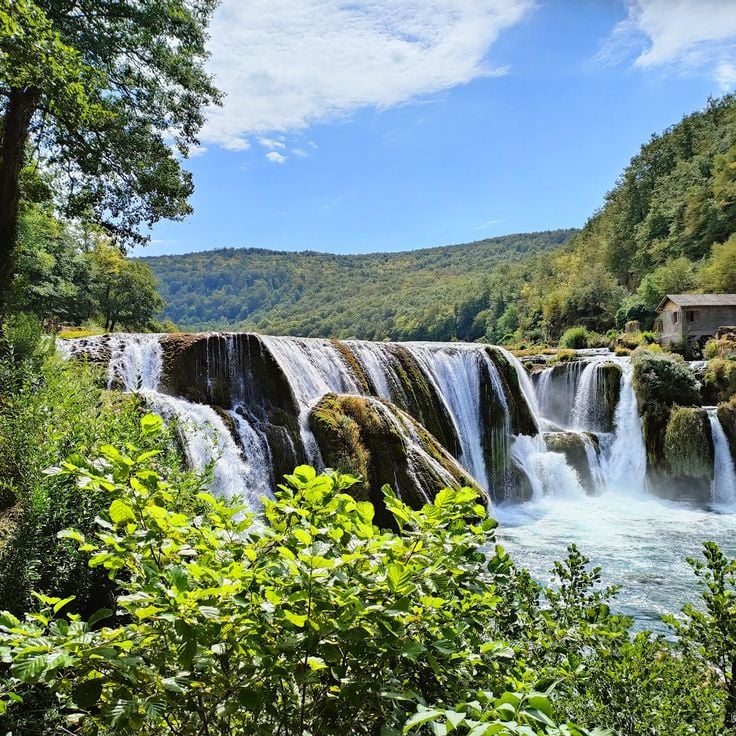
The Štrbački Buk waterfall in Bosnia and Herzegovina stands 24.5 meters high on the Una River, marking the natural border between Bosnia and Croatia. Water cascades over rocky terrain, creating a striking natural feature. This waterfall represents the country's natural landscapes that exist alongside its medieval fortresses, monasteries, and mosques, part of Bosnia and Herzegovina's rich multicultural heritage.
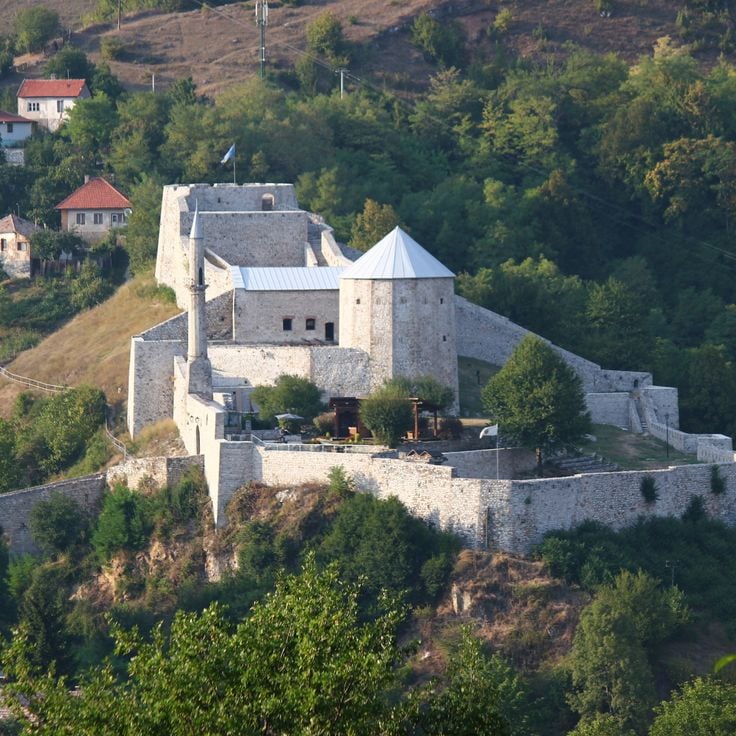
Travnik Fortress is a military structure from the 14th century built on a hill, reflecting the history of Bosnia and Herzegovina. With its fortified walls, defensive gates, and strategic position overlooking the town, it shows the importance of this region during different historical periods. The fortress is part of the rich heritage of medieval buildings, monasteries, and mosques that shaped the multicultural past of the country.
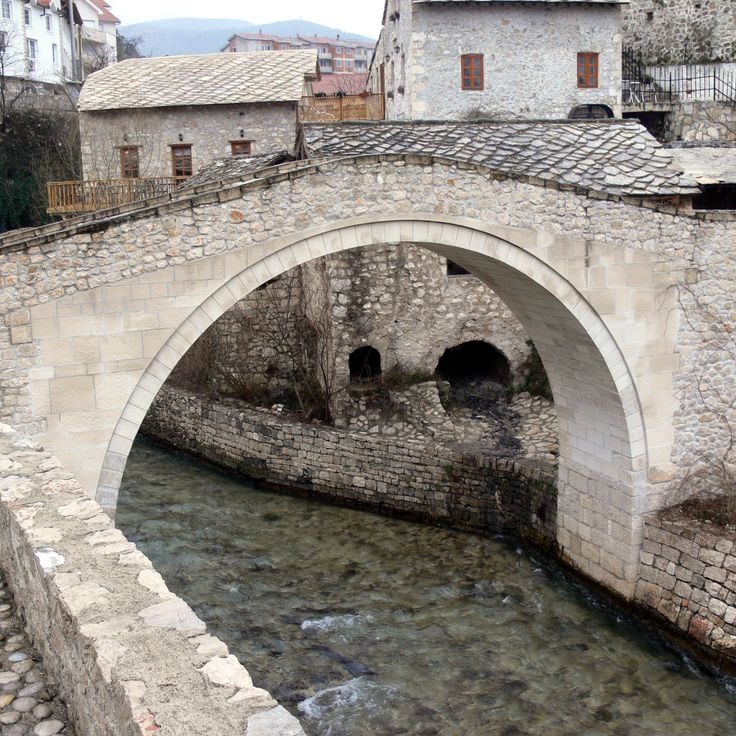
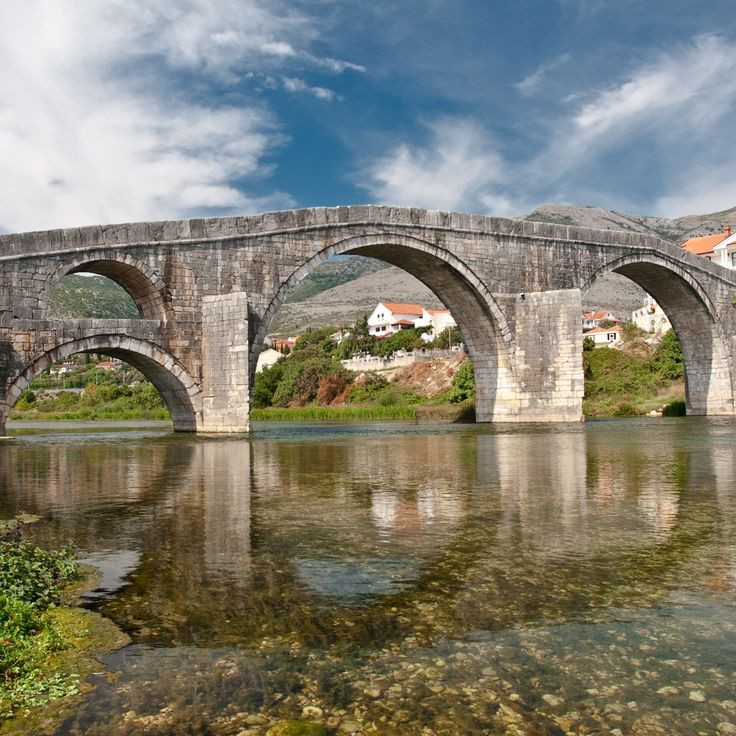
The Arslanagić Bridge is a 16th-century stone bridge with multiple arches that crosses the Trebišnjica River in Trebinje. Built with the skilled craftsmanship of its era, this bridge has connected the two riverbanks for centuries. It represents the diverse architectural heritage of Bosnia and Herzegovina, shaped by different cultural influences over time.
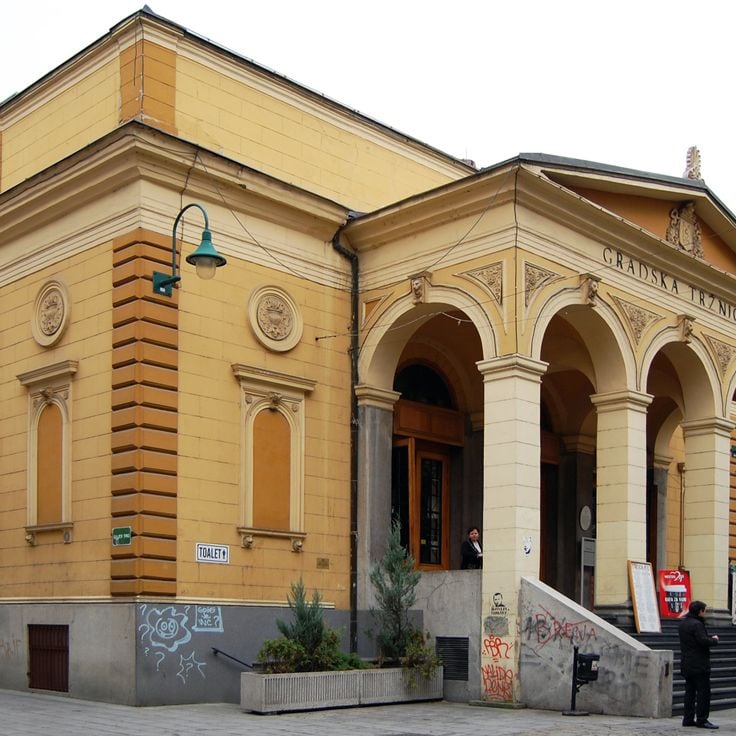
The Markale Market in Sarajevo is a covered marketplace built in 1895 with Austro-Hungarian architecture. The central building of this market holds stalls selling fruits, vegetables, and local products. It reflects the cultural diversity and trading history of Sarajevo, fitting perfectly within the city's rich historical heritage, which also includes medieval fortresses, mosques, and the historic Bazaar district.
This bobsleigh track shows Sarajevo's sporting past. Built for the 1984 Winter Olympics, it stretches 1300 meters through the forest on Mount Trebević. The concrete track winds down the mountainside and stands as a reminder of when the city hosted global attention. It forms part of the historical sites that document Sarajevo's varied story, alongside the medieval fortresses and mosques found throughout the country.
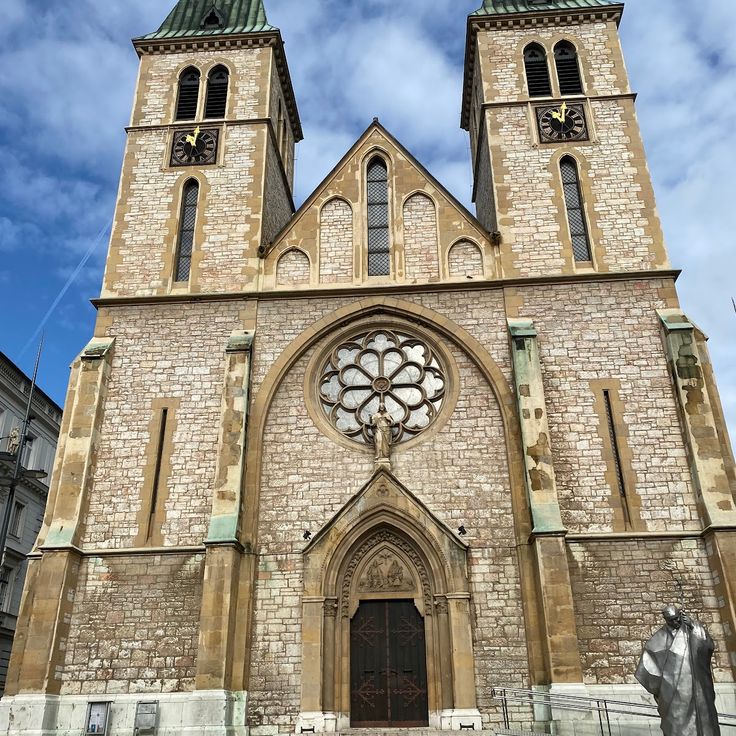
The Sacred Heart Cathedral in Sarajevo is a religious building constructed in 1889 in neo-gothic style. It represents the diverse religious architecture featured in this collection of monuments and nature in Bosnia and Herzegovina. The structure stands out for its two 43-meter bell towers and colored stained glass windows that define its character.
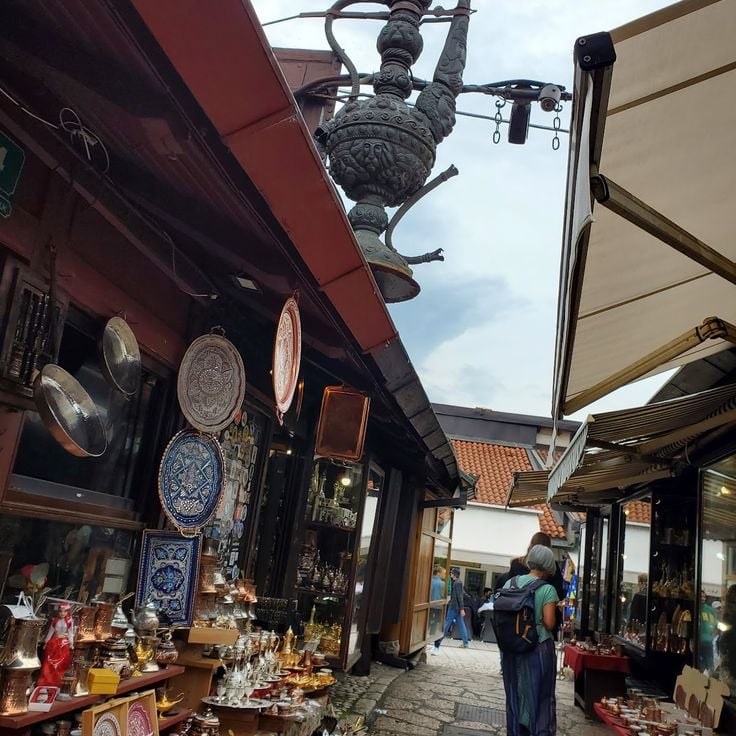
The Sarajevo Bazaar is a 15th century market that reflects how people trade and live in this region. It spans over 2000 shops distributed along narrow cobblestone streets where craftspeople and vendors sell their wares. The bazaar is part of the multicultural history of Bosnia and Herzegovina and shows the various influences that have shaped this part of the world.
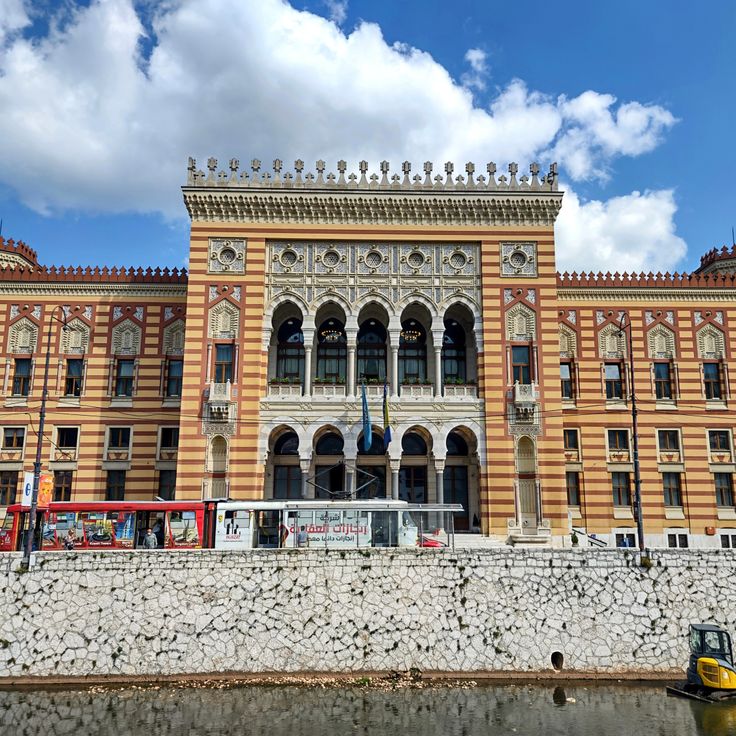
Sarajevo City Hall is a municipal building constructed between 1892 and 1894 that reflects the multicultural history of Bosnia and Herzegovina. It combines Austro-Hungarian architecture with oriental decorative elements, showing how different cultural influences shaped the country's past. The building stands at the heart of the city and serves as a testament to the diverse traditions that have left their mark on this region.
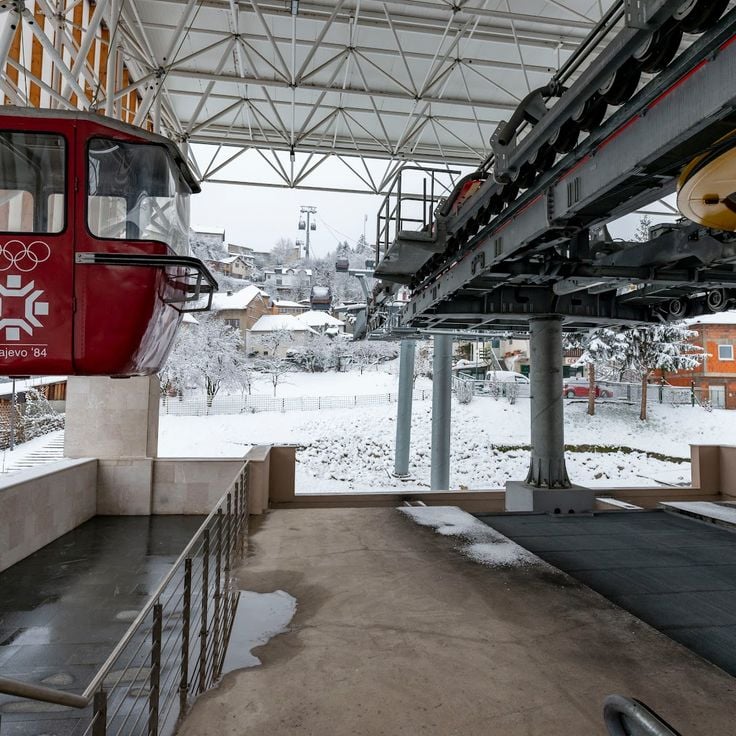
The Sarajevo Cable Car is a transport system that connects the city center to Mount Trebević. Rebuilt in 2018, this cable car allows visitors to travel up the mountain easily. The cable car fits into the broader story of the region, where natural landscapes and historical sites shape the character of Bosnia and Herzegovina.
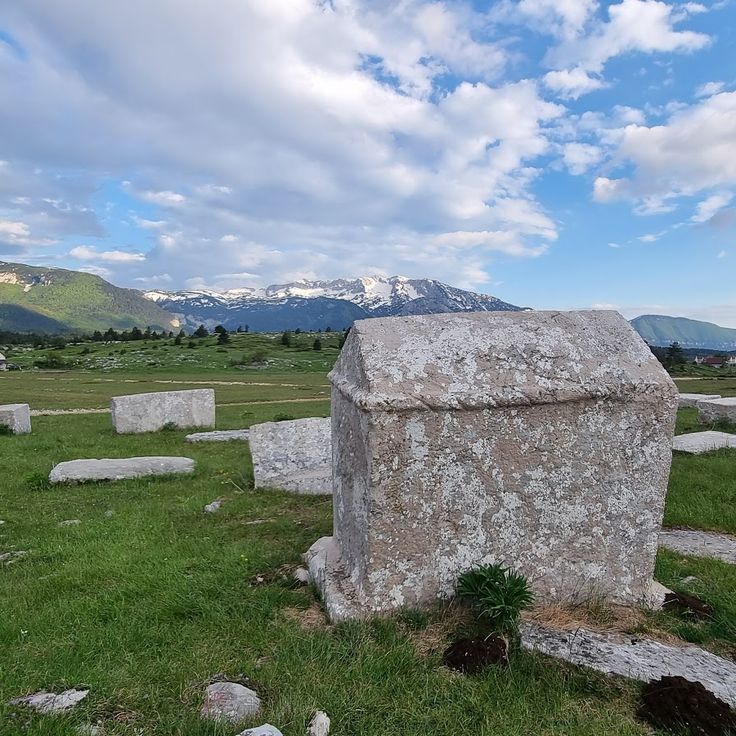
The Dugo Polje Necropolis sits in the Blidinje Nature Park and reveals how medieval communities honored their dead through monumental stone work. This 14th-century cemetery holds about 150 stećci tombstones carved from limestone. The stones display intricate designs that reflect the craftsmanship of the medieval period. Set in a mountain valley at 1,200 meters (3,937 feet) elevation, the necropolis connects Bosnia and Herzegovina's historical layers with its natural landscape.
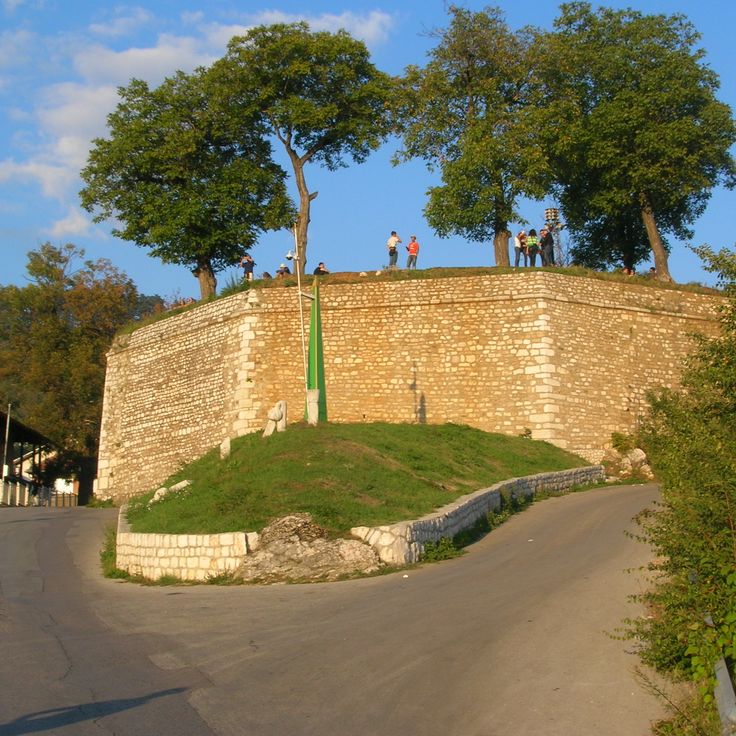
The Žuta Tabija Fortress is a military fortification built in the 18th century, located on the heights above Sarajevo and offering views of the city. This fortress fits well within the collection of monuments and nature in Bosnia and Herzegovina, as it represents Ottoman military architecture that shaped the country's history. From this location, visitors can observe the city and surrounding landscape while learning about the historical defenses that once protected Sarajevo.
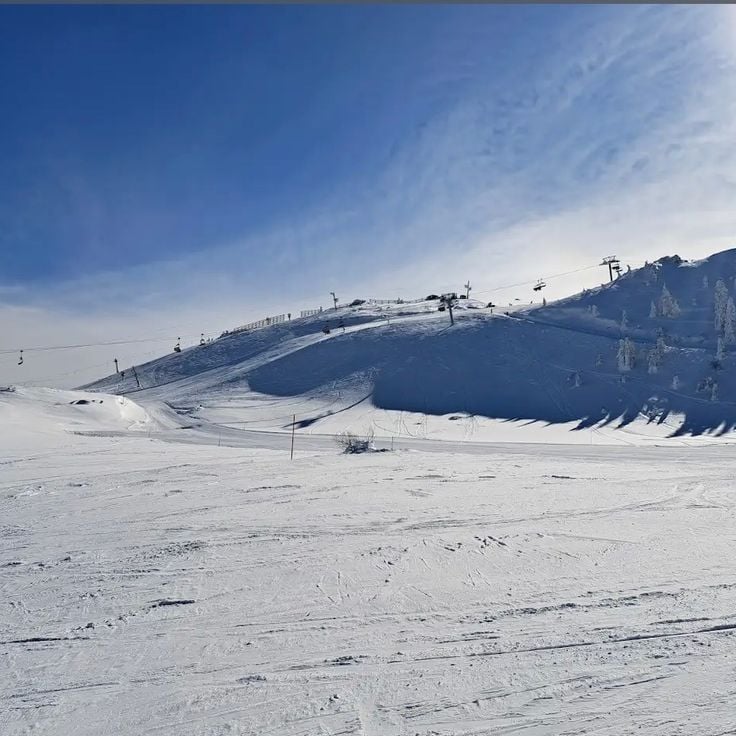
Jahorina Ski Resort is a winter sports center in the Dinaric Alps that demonstrates how Bosnia and Herzegovina's natural landscape is used for recreation and athletics. Located at a high altitude in the mountains, the resort has marked ski trails and winter sports facilities. This mountain region is part of the country's diverse natural scenery, which also includes waterfalls and national parks.
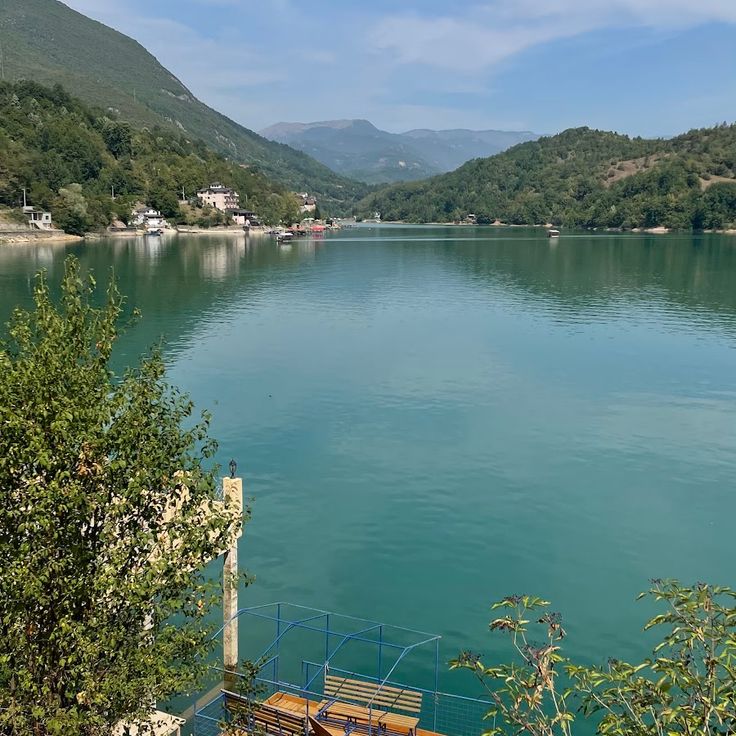
Jablanica Lake is a water reservoir created in 1953 by a hydroelectric dam on the Neretva River. The lake stretches about 30 kilometers and demonstrates how the region harnesses its natural resources. This lake fits within Bosnia and Herzegovina's diverse landscape, where lakes, mountains, and waterfalls define the country. Visitors can swim and explore the surrounding area.
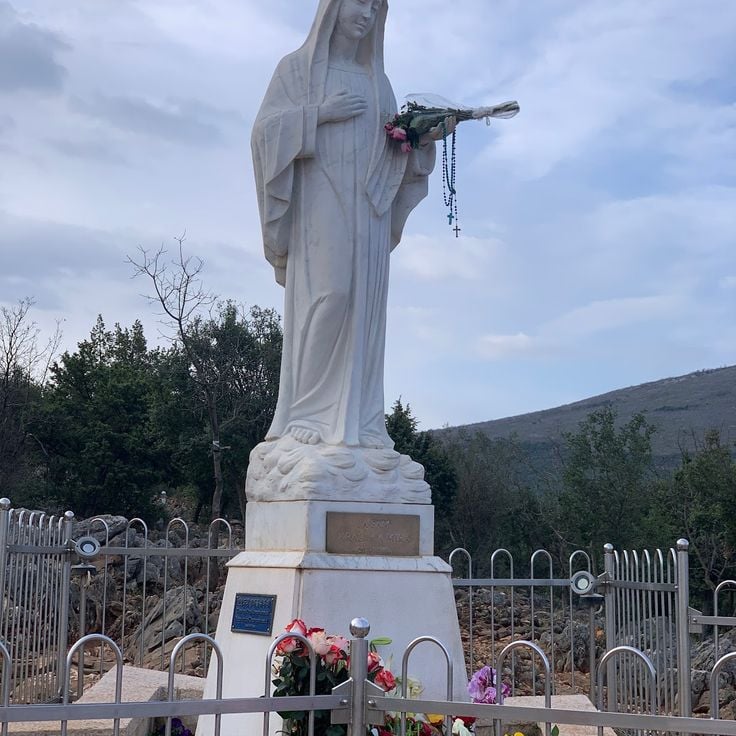
Apparition Hill is a Catholic pilgrimage site in Međugorje that has existed since 1981. Located at 520 meters elevation, this hill is where visitors report experiencing visions of the Virgin Mary. The site draws pilgrims from around the world and represents one of the religious landmarks that shape Bosnia and Herzegovina's cultural landscape. The hill provides views of the surrounding region and connects faith with the natural environment of the area.
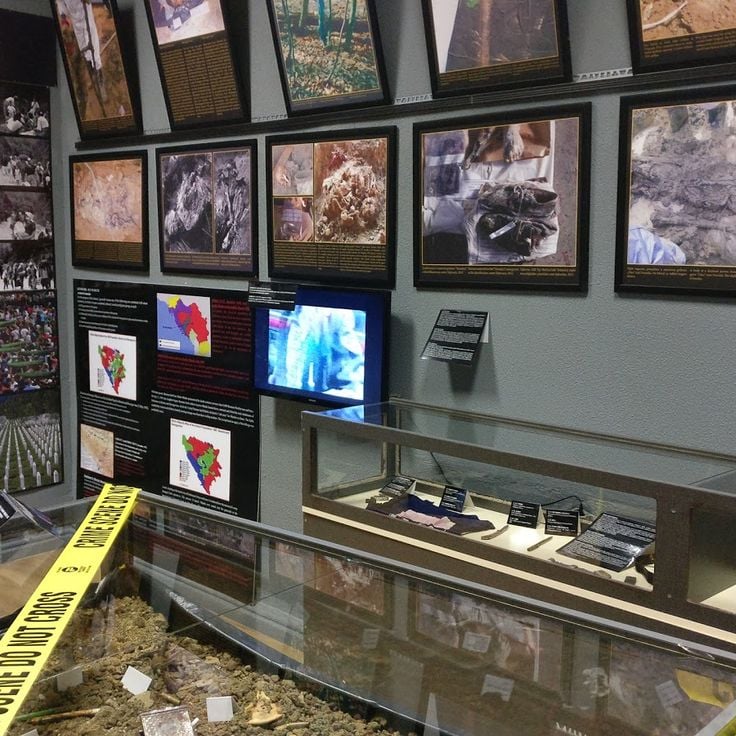
The Museum of Crimes Against Humanity in Sarajevo documents the city's siege and the 1992-1995 war through photographs, documents, and artifacts. This museum is part of Sarajevo's efforts to preserve memories of recent history and reflects the multicultural complexity of Bosnia and Herzegovina's past. Visitors encounter firsthand accounts and material evidence that shaped the region's modern identity.
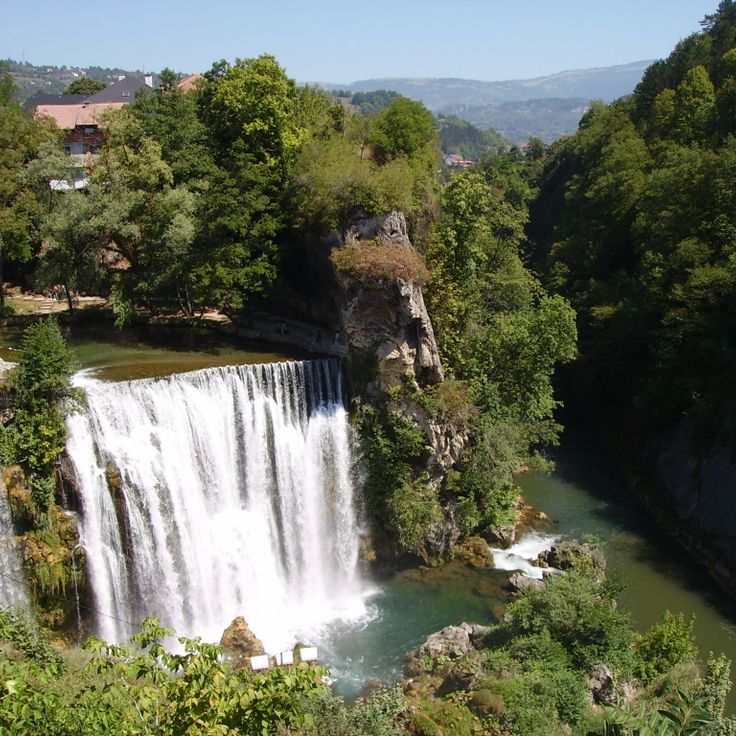
The Pliva Watermills in Jajce are a group of about twenty wooden mills built in the 16th century along the Pliva River. They were used to grind grain and showcase the craftsmanship of the region. As part of Bosnia and Herzegovina's diverse historical monuments, these mills represent daily life during a period when the country was shaped by different cultures. Visitors can see how water power was harnessed in this area.
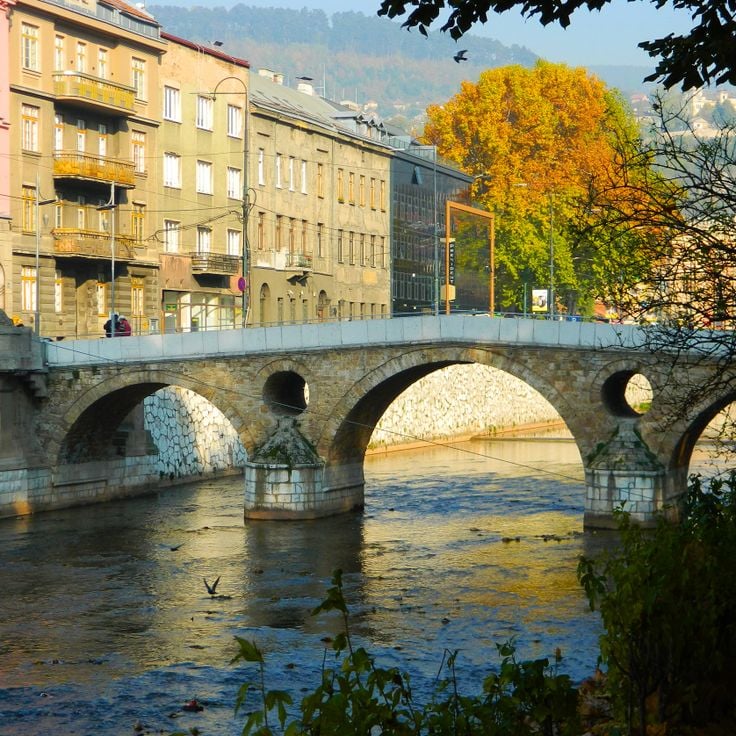
The Latin Bridge is a stone bridge built in the 16th century that spans the Miljacka River. Located in Sarajevo, it is featured in this collection of monuments and nature in Bosnia and Herzegovina. This bridge is known as the place where Archduke Franz Ferdinand was assassinated in 1914, an event that changed European history. The structure reflects Ottoman construction techniques and continues to connect different parts of the city.
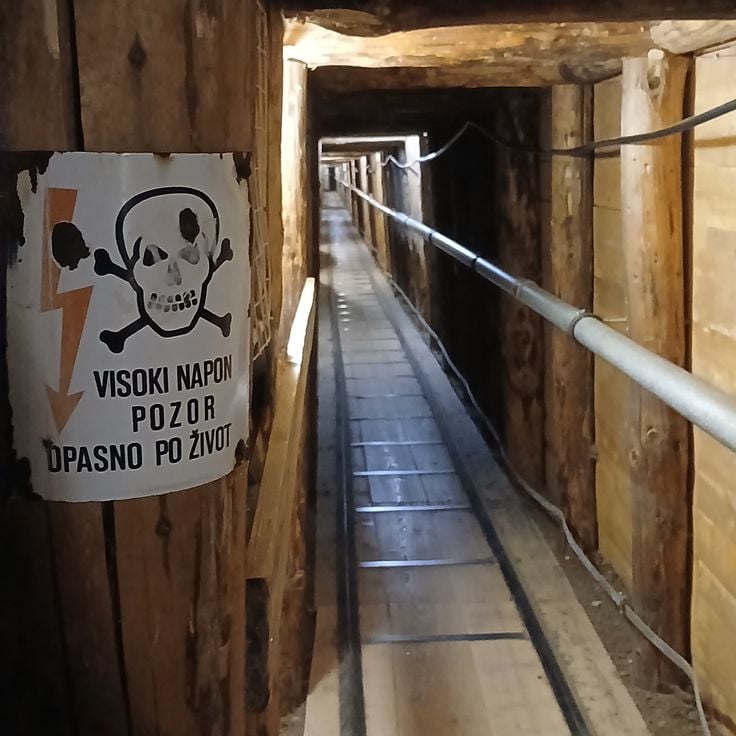
The Sarajevo War Tunnel is an underground passage dug in 1993 beneath the airport to bring food and supplies into the city during the siege. It stands as a testament to how residents found ways to survive and support each other during this difficult period. The tunnel is part of Sarajevo's story and helps visitors understand the resilience of the people who lived through these events.
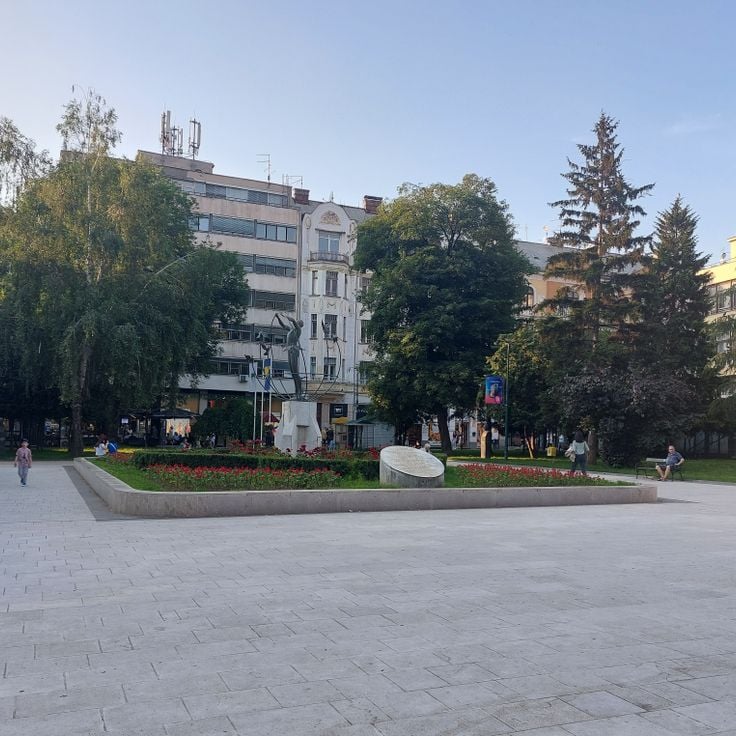
Trg Oslobodenja Square is a public gathering space in central Sarajevo where a large chessboard painted on the ground brings the community together. Locals and visitors move through this square to play chess, transforming an ordinary city plaza into a place where people connect and spend time. This square reflects the character of Sarajevo, a city where history and everyday life intertwine, much like the bazaars and historic sites that define the region.
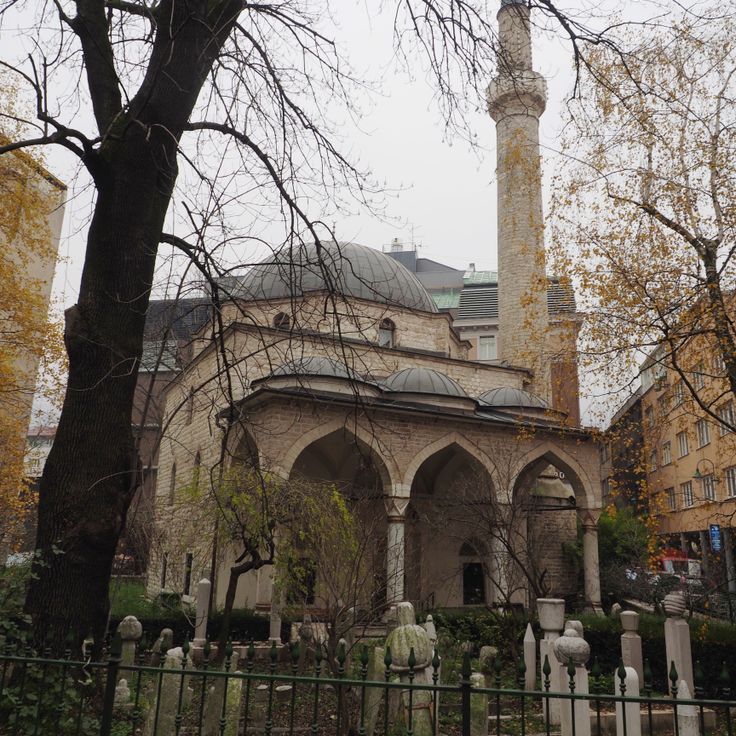
The Ferhadija Mosque in Banja Luka is a 16th-century Ottoman monument that reflects the multicultural heritage of Bosnia and Herzegovina. Destroyed in 1993, the mosque was carefully reconstructed following its original plans and reopened for worshippers in 2015. This religious building demonstrates the Ottoman influences that shaped the country's diverse architectural landscape and continues to serve as a place of worship and cultural significance in the region.
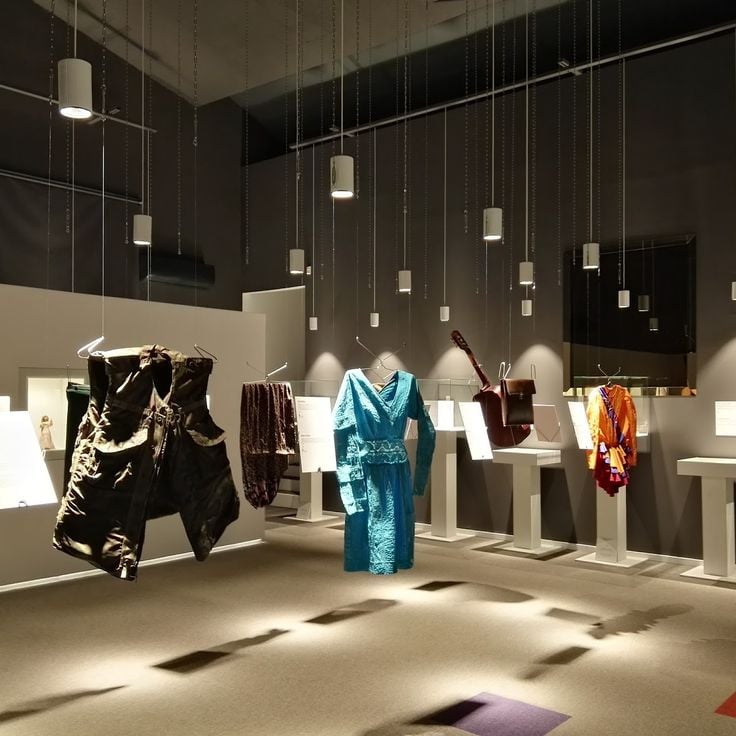
The War Childhood Museum documents the experiences of young people during the Siege of Sarajevo. Its permanent exhibition features photographs, letters, and personal objects that record how children and teenagers lived through the war. This museum contributes to understanding the recent history of Bosnia and Herzegovina and reveals the human impact of armed conflict.
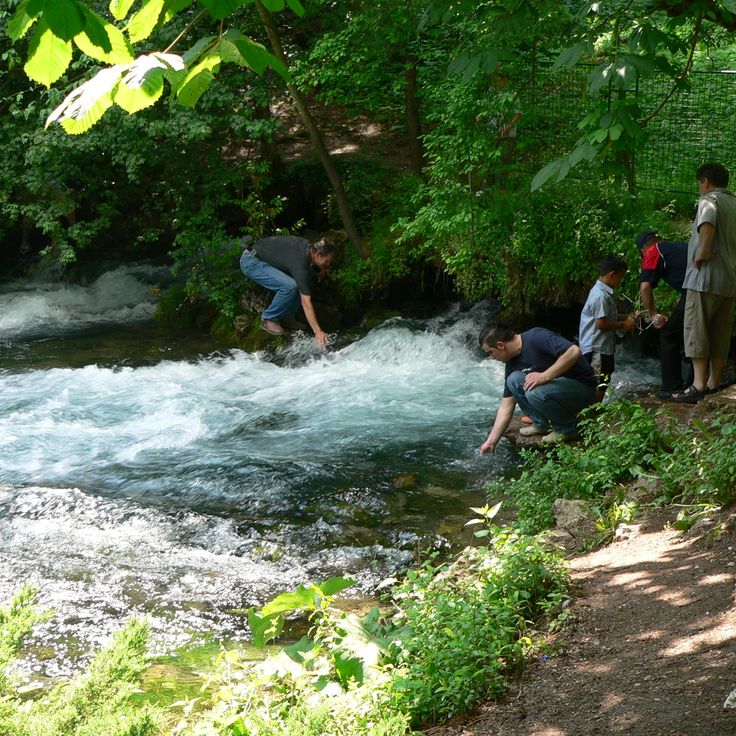
Vrelo Bosne is a natural site where the springs of the Bosna River begin. Located near Sarajevo, it shows how nature plays a role in Bosnia and Herzegovina's story. Visitors walk on paths and cross wooden bridges among the trees to watch the water rise from the ground and start its journey downriver.
The Mostar Bridge is a 16th-century stone structure destroyed during the war in 1993 and rebuilt in 2004 using traditional Ottoman techniques. This bridge stands as a symbol of reconciliation within this collection of monuments and nature of Bosnia and Herzegovina. It connects different parts of the city and represents the country's ability to restore its historical heritage.
Mount Maglić in Sutjeska National Park reaches 2,386 meters high and is surrounded by pine forests and glacial lakes. As part of this collection of monuments and nature in Bosnia and Herzegovina, this mountain shows the diverse landscapes of the country, which exist alongside historical sites like the Mostar Bridge and Sarajevo Bazaar.
Kravice Waterfalls in Ljubuški is a series of natural waterfalls on the Trebižat River. The falls span about 120 meters across and drop about 25 meters high, forming a natural amphitheater. Water cascades down in stages into a green pool where visitors can swim. This site represents the natural landscapes of Bosnia and Herzegovina, which also features medieval fortresses, monasteries, and mosques reflecting the country's multicultural history, alongside mountains, lakes, and national parks.
Počitelj Fortress is a medieval architectural complex from the 15th century that illustrates Bosnia and Herzegovina's multicultural past. It comprises defensive walls, a watchtower, a mosque, and traditional stone houses built into the hillside. This fortification represents the cultural layers that shaped the region alongside other historic monuments like the Mostar Bridge and the Sarajevo Bazaar.
The Blagaj Monastery is a white dervish monastery built against a limestone cliff near the source of the Buna River, dating from the sixteenth century. This monastery reflects the Ottoman religious architecture that defines Bosnia and Herzegovina, where medieval fortresses, monasteries, and mosques tell the story of the country's multicultural past.
Stepjan Grad Castle is a medieval fortress built in the tenth century on a hilltop in Blagaj. This structure reflects the military architecture of its time, with outer walls that once stretched across the landscape. The castle stands as a physical reminder of Bosnia and Herzegovina's layered past, when various powers shaped the region through fortifications like this one.
Saint James Church in Međugorje is a parish church built in 1969 that became a major Catholic pilgrimage site after reported Marian apparitions in 1981. The church draws visitors from around the world and stands as one of the most visited religious sites in Bosnia and Herzegovina. It reflects the country's multicultural religious history and shows how modern devotion has shaped this small village into a spiritual destination.
The Štrbački Buk waterfall in Bosnia and Herzegovina stands 24.5 meters high on the Una River, marking the natural border between Bosnia and Croatia. Water cascades over rocky terrain, creating a striking natural feature. This waterfall represents the country's natural landscapes that exist alongside its medieval fortresses, monasteries, and mosques, part of Bosnia and Herzegovina's rich multicultural heritage.
Travnik Fortress is a military structure from the 14th century built on a hill, reflecting the history of Bosnia and Herzegovina. With its fortified walls, defensive gates, and strategic position overlooking the town, it shows the importance of this region during different historical periods. The fortress is part of the rich heritage of medieval buildings, monasteries, and mosques that shaped the multicultural past of the country.
The Arslanagić Bridge is a 16th-century stone bridge with multiple arches that crosses the Trebišnjica River in Trebinje. Built with the skilled craftsmanship of its era, this bridge has connected the two riverbanks for centuries. It represents the diverse architectural heritage of Bosnia and Herzegovina, shaped by different cultural influences over time.
The Markale Market in Sarajevo is a covered marketplace built in 1895 with Austro-Hungarian architecture. The central building of this market holds stalls selling fruits, vegetables, and local products. It reflects the cultural diversity and trading history of Sarajevo, fitting perfectly within the city's rich historical heritage, which also includes medieval fortresses, mosques, and the historic Bazaar district.
This bobsleigh track shows Sarajevo's sporting past. Built for the 1984 Winter Olympics, it stretches 1300 meters through the forest on Mount Trebević. The concrete track winds down the mountainside and stands as a reminder of when the city hosted global attention. It forms part of the historical sites that document Sarajevo's varied story, alongside the medieval fortresses and mosques found throughout the country.
The Sacred Heart Cathedral in Sarajevo is a religious building constructed in 1889 in neo-gothic style. It represents the diverse religious architecture featured in this collection of monuments and nature in Bosnia and Herzegovina. The structure stands out for its two 43-meter bell towers and colored stained glass windows that define its character.
The Sarajevo Bazaar is a 15th century market that reflects how people trade and live in this region. It spans over 2000 shops distributed along narrow cobblestone streets where craftspeople and vendors sell their wares. The bazaar is part of the multicultural history of Bosnia and Herzegovina and shows the various influences that have shaped this part of the world.
Sarajevo City Hall is a municipal building constructed between 1892 and 1894 that reflects the multicultural history of Bosnia and Herzegovina. It combines Austro-Hungarian architecture with oriental decorative elements, showing how different cultural influences shaped the country's past. The building stands at the heart of the city and serves as a testament to the diverse traditions that have left their mark on this region.
The Sarajevo Cable Car is a transport system that connects the city center to Mount Trebević. Rebuilt in 2018, this cable car allows visitors to travel up the mountain easily. The cable car fits into the broader story of the region, where natural landscapes and historical sites shape the character of Bosnia and Herzegovina.
The Dugo Polje Necropolis sits in the Blidinje Nature Park and reveals how medieval communities honored their dead through monumental stone work. This 14th-century cemetery holds about 150 stećci tombstones carved from limestone. The stones display intricate designs that reflect the craftsmanship of the medieval period. Set in a mountain valley at 1,200 meters (3,937 feet) elevation, the necropolis connects Bosnia and Herzegovina's historical layers with its natural landscape.
The Žuta Tabija Fortress is a military fortification built in the 18th century, located on the heights above Sarajevo and offering views of the city. This fortress fits well within the collection of monuments and nature in Bosnia and Herzegovina, as it represents Ottoman military architecture that shaped the country's history. From this location, visitors can observe the city and surrounding landscape while learning about the historical defenses that once protected Sarajevo.
Jahorina Ski Resort is a winter sports center in the Dinaric Alps that demonstrates how Bosnia and Herzegovina's natural landscape is used for recreation and athletics. Located at a high altitude in the mountains, the resort has marked ski trails and winter sports facilities. This mountain region is part of the country's diverse natural scenery, which also includes waterfalls and national parks.
Jablanica Lake is a water reservoir created in 1953 by a hydroelectric dam on the Neretva River. The lake stretches about 30 kilometers and demonstrates how the region harnesses its natural resources. This lake fits within Bosnia and Herzegovina's diverse landscape, where lakes, mountains, and waterfalls define the country. Visitors can swim and explore the surrounding area.
Apparition Hill is a Catholic pilgrimage site in Međugorje that has existed since 1981. Located at 520 meters elevation, this hill is where visitors report experiencing visions of the Virgin Mary. The site draws pilgrims from around the world and represents one of the religious landmarks that shape Bosnia and Herzegovina's cultural landscape. The hill provides views of the surrounding region and connects faith with the natural environment of the area.
The Museum of Crimes Against Humanity in Sarajevo documents the city's siege and the 1992-1995 war through photographs, documents, and artifacts. This museum is part of Sarajevo's efforts to preserve memories of recent history and reflects the multicultural complexity of Bosnia and Herzegovina's past. Visitors encounter firsthand accounts and material evidence that shaped the region's modern identity.
The Pliva Watermills in Jajce are a group of about twenty wooden mills built in the 16th century along the Pliva River. They were used to grind grain and showcase the craftsmanship of the region. As part of Bosnia and Herzegovina's diverse historical monuments, these mills represent daily life during a period when the country was shaped by different cultures. Visitors can see how water power was harnessed in this area.
The Latin Bridge is a stone bridge built in the 16th century that spans the Miljacka River. Located in Sarajevo, it is featured in this collection of monuments and nature in Bosnia and Herzegovina. This bridge is known as the place where Archduke Franz Ferdinand was assassinated in 1914, an event that changed European history. The structure reflects Ottoman construction techniques and continues to connect different parts of the city.
The Sarajevo War Tunnel is an underground passage dug in 1993 beneath the airport to bring food and supplies into the city during the siege. It stands as a testament to how residents found ways to survive and support each other during this difficult period. The tunnel is part of Sarajevo's story and helps visitors understand the resilience of the people who lived through these events.
Trg Oslobodenja Square is a public gathering space in central Sarajevo where a large chessboard painted on the ground brings the community together. Locals and visitors move through this square to play chess, transforming an ordinary city plaza into a place where people connect and spend time. This square reflects the character of Sarajevo, a city where history and everyday life intertwine, much like the bazaars and historic sites that define the region.
The Ferhadija Mosque in Banja Luka is a 16th-century Ottoman monument that reflects the multicultural heritage of Bosnia and Herzegovina. Destroyed in 1993, the mosque was carefully reconstructed following its original plans and reopened for worshippers in 2015. This religious building demonstrates the Ottoman influences that shaped the country's diverse architectural landscape and continues to serve as a place of worship and cultural significance in the region.
The War Childhood Museum documents the experiences of young people during the Siege of Sarajevo. Its permanent exhibition features photographs, letters, and personal objects that record how children and teenagers lived through the war. This museum contributes to understanding the recent history of Bosnia and Herzegovina and reveals the human impact of armed conflict.
Vrelo Bosne is a natural site where the springs of the Bosna River begin. Located near Sarajevo, it shows how nature plays a role in Bosnia and Herzegovina's story. Visitors walk on paths and cross wooden bridges among the trees to watch the water rise from the ground and start its journey downriver.
The Mostar Bridge is a 16th-century stone structure destroyed during the war in 1993 and rebuilt in 2004 using traditional Ottoman techniques. This bridge stands as a symbol of reconciliation within this collection of monuments and nature of Bosnia and Herzegovina. It connects different parts of the city and represents the country's ability to restore its historical heritage.
Mount Maglić in Sutjeska National Park reaches 2,386 meters high and is surrounded by pine forests and glacial lakes. As part of this collection of monuments and nature in Bosnia and Herzegovina, this mountain shows the diverse landscapes of the country, which exist alongside historical sites like the Mostar Bridge and Sarajevo Bazaar.
Kravice Waterfalls in Ljubuški is a series of natural waterfalls on the Trebižat River. The falls span about 120 meters across and drop about 25 meters high, forming a natural amphitheater. Water cascades down in stages into a green pool where visitors can swim. This site represents the natural landscapes of Bosnia and Herzegovina, which also features medieval fortresses, monasteries, and mosques reflecting the country's multicultural history, alongside mountains, lakes, and national parks.
Počitelj Fortress is a medieval architectural complex from the 15th century that illustrates Bosnia and Herzegovina's multicultural past. It comprises defensive walls, a watchtower, a mosque, and traditional stone houses built into the hillside. This fortification represents the cultural layers that shaped the region alongside other historic monuments like the Mostar Bridge and the Sarajevo Bazaar.
The Blagaj Monastery is a white dervish monastery built against a limestone cliff near the source of the Buna River, dating from the sixteenth century. This monastery reflects the Ottoman religious architecture that defines Bosnia and Herzegovina, where medieval fortresses, monasteries, and mosques tell the story of the country's multicultural past.
Stepjan Grad Castle is a medieval fortress built in the tenth century on a hilltop in Blagaj. This structure reflects the military architecture of its time, with outer walls that once stretched across the landscape. The castle stands as a physical reminder of Bosnia and Herzegovina's layered past, when various powers shaped the region through fortifications like this one.
Saint James Church in Međugorje is a parish church built in 1969 that became a major Catholic pilgrimage site after reported Marian apparitions in 1981. The church draws visitors from around the world and stands as one of the most visited religious sites in Bosnia and Herzegovina. It reflects the country's multicultural religious history and shows how modern devotion has shaped this small village into a spiritual destination.
The Štrbački Buk waterfall in Bosnia and Herzegovina stands 24.5 meters high on the Una River, marking the natural border between Bosnia and Croatia. Water cascades over rocky terrain, creating a striking natural feature. This waterfall represents the country's natural landscapes that exist alongside its medieval fortresses, monasteries, and mosques, part of Bosnia and Herzegovina's rich multicultural heritage.
Travnik Fortress is a military structure from the 14th century built on a hill, reflecting the history of Bosnia and Herzegovina. With its fortified walls, defensive gates, and strategic position overlooking the town, it shows the importance of this region during different historical periods. The fortress is part of the rich heritage of medieval buildings, monasteries, and mosques that shaped the multicultural past of the country.
The Arslanagić Bridge is a 16th-century stone bridge with multiple arches that crosses the Trebišnjica River in Trebinje. Built with the skilled craftsmanship of its era, this bridge has connected the two riverbanks for centuries. It represents the diverse architectural heritage of Bosnia and Herzegovina, shaped by different cultural influences over time.
The Markale Market in Sarajevo is a covered marketplace built in 1895 with Austro-Hungarian architecture. The central building of this market holds stalls selling fruits, vegetables, and local products. It reflects the cultural diversity and trading history of Sarajevo, fitting perfectly within the city's rich historical heritage, which also includes medieval fortresses, mosques, and the historic Bazaar district.
This bobsleigh track shows Sarajevo's sporting past. Built for the 1984 Winter Olympics, it stretches 1300 meters through the forest on Mount Trebević. The concrete track winds down the mountainside and stands as a reminder of when the city hosted global attention. It forms part of the historical sites that document Sarajevo's varied story, alongside the medieval fortresses and mosques found throughout the country.
The Sacred Heart Cathedral in Sarajevo is a religious building constructed in 1889 in neo-gothic style. It represents the diverse religious architecture featured in this collection of monuments and nature in Bosnia and Herzegovina. The structure stands out for its two 43-meter bell towers and colored stained glass windows that define its character.
The Sarajevo Bazaar is a 15th century market that reflects how people trade and live in this region. It spans over 2000 shops distributed along narrow cobblestone streets where craftspeople and vendors sell their wares. The bazaar is part of the multicultural history of Bosnia and Herzegovina and shows the various influences that have shaped this part of the world.
Sarajevo City Hall is a municipal building constructed between 1892 and 1894 that reflects the multicultural history of Bosnia and Herzegovina. It combines Austro-Hungarian architecture with oriental decorative elements, showing how different cultural influences shaped the country's past. The building stands at the heart of the city and serves as a testament to the diverse traditions that have left their mark on this region.
The Sarajevo Cable Car is a transport system that connects the city center to Mount Trebević. Rebuilt in 2018, this cable car allows visitors to travel up the mountain easily. The cable car fits into the broader story of the region, where natural landscapes and historical sites shape the character of Bosnia and Herzegovina.
The Dugo Polje Necropolis sits in the Blidinje Nature Park and reveals how medieval communities honored their dead through monumental stone work. This 14th-century cemetery holds about 150 stećci tombstones carved from limestone. The stones display intricate designs that reflect the craftsmanship of the medieval period. Set in a mountain valley at 1,200 meters (3,937 feet) elevation, the necropolis connects Bosnia and Herzegovina's historical layers with its natural landscape.
The Žuta Tabija Fortress is a military fortification built in the 18th century, located on the heights above Sarajevo and offering views of the city. This fortress fits well within the collection of monuments and nature in Bosnia and Herzegovina, as it represents Ottoman military architecture that shaped the country's history. From this location, visitors can observe the city and surrounding landscape while learning about the historical defenses that once protected Sarajevo.
Jahorina Ski Resort is a winter sports center in the Dinaric Alps that demonstrates how Bosnia and Herzegovina's natural landscape is used for recreation and athletics. Located at a high altitude in the mountains, the resort has marked ski trails and winter sports facilities. This mountain region is part of the country's diverse natural scenery, which also includes waterfalls and national parks.
Jablanica Lake is a water reservoir created in 1953 by a hydroelectric dam on the Neretva River. The lake stretches about 30 kilometers and demonstrates how the region harnesses its natural resources. This lake fits within Bosnia and Herzegovina's diverse landscape, where lakes, mountains, and waterfalls define the country. Visitors can swim and explore the surrounding area.
Apparition Hill is a Catholic pilgrimage site in Međugorje that has existed since 1981. Located at 520 meters elevation, this hill is where visitors report experiencing visions of the Virgin Mary. The site draws pilgrims from around the world and represents one of the religious landmarks that shape Bosnia and Herzegovina's cultural landscape. The hill provides views of the surrounding region and connects faith with the natural environment of the area.
The Museum of Crimes Against Humanity in Sarajevo documents the city's siege and the 1992-1995 war through photographs, documents, and artifacts. This museum is part of Sarajevo's efforts to preserve memories of recent history and reflects the multicultural complexity of Bosnia and Herzegovina's past. Visitors encounter firsthand accounts and material evidence that shaped the region's modern identity.
The Pliva Watermills in Jajce are a group of about twenty wooden mills built in the 16th century along the Pliva River. They were used to grind grain and showcase the craftsmanship of the region. As part of Bosnia and Herzegovina's diverse historical monuments, these mills represent daily life during a period when the country was shaped by different cultures. Visitors can see how water power was harnessed in this area.
The Latin Bridge is a stone bridge built in the 16th century that spans the Miljacka River. Located in Sarajevo, it is featured in this collection of monuments and nature in Bosnia and Herzegovina. This bridge is known as the place where Archduke Franz Ferdinand was assassinated in 1914, an event that changed European history. The structure reflects Ottoman construction techniques and continues to connect different parts of the city.
The Sarajevo War Tunnel is an underground passage dug in 1993 beneath the airport to bring food and supplies into the city during the siege. It stands as a testament to how residents found ways to survive and support each other during this difficult period. The tunnel is part of Sarajevo's story and helps visitors understand the resilience of the people who lived through these events.
Trg Oslobodenja Square is a public gathering space in central Sarajevo where a large chessboard painted on the ground brings the community together. Locals and visitors move through this square to play chess, transforming an ordinary city plaza into a place where people connect and spend time. This square reflects the character of Sarajevo, a city where history and everyday life intertwine, much like the bazaars and historic sites that define the region.
The Ferhadija Mosque in Banja Luka is a 16th-century Ottoman monument that reflects the multicultural heritage of Bosnia and Herzegovina. Destroyed in 1993, the mosque was carefully reconstructed following its original plans and reopened for worshippers in 2015. This religious building demonstrates the Ottoman influences that shaped the country's diverse architectural landscape and continues to serve as a place of worship and cultural significance in the region.
The War Childhood Museum documents the experiences of young people during the Siege of Sarajevo. Its permanent exhibition features photographs, letters, and personal objects that record how children and teenagers lived through the war. This museum contributes to understanding the recent history of Bosnia and Herzegovina and reveals the human impact of armed conflict.
Vrelo Bosne is a natural site where the springs of the Bosna River begin. Located near Sarajevo, it shows how nature plays a role in Bosnia and Herzegovina's story. Visitors walk on paths and cross wooden bridges among the trees to watch the water rise from the ground and start its journey downriver.