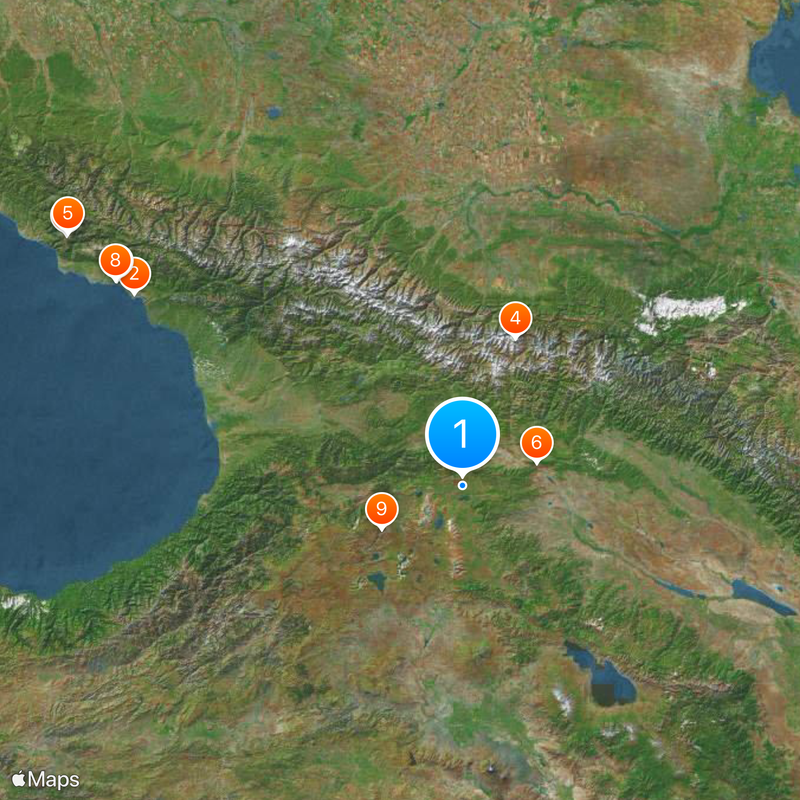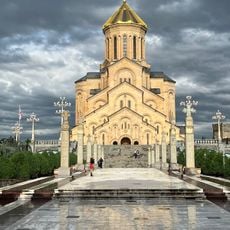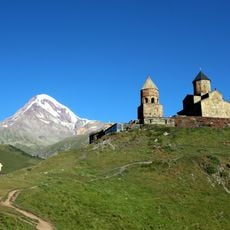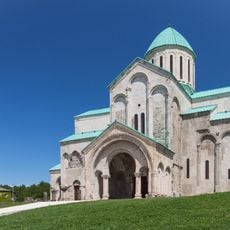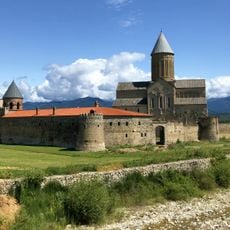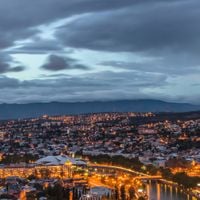
Georgia, Transcontinental country between the Black Sea and Caspian Sea, Caucasus.
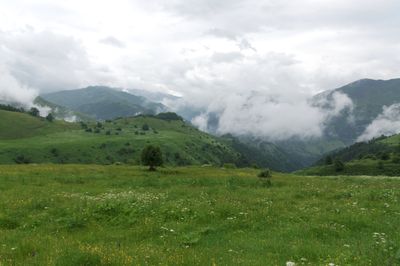
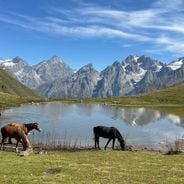
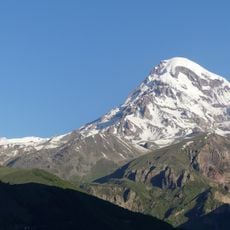
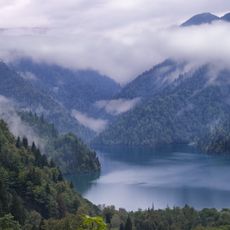
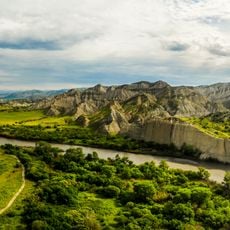
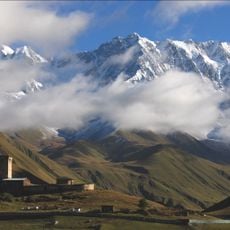
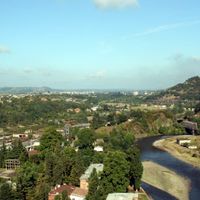
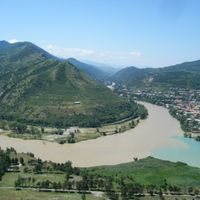
Georgia is a transcontinental nation in the Caucasus between the Black Sea and the Caspian Sea, stretching from coastal lowlands to the peaks of the Greater Caucasus range. The landscape includes river valleys, high mountains, and extensive vineyards in the eastern and western provinces.
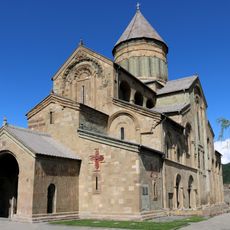
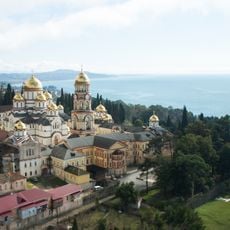
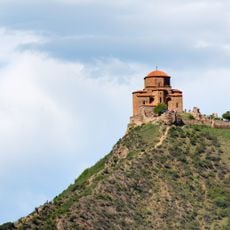
The territory became Christian in the fourth century under King Mirian III and remained contested between Persian, Ottoman, and Russian influences for centuries. After annexation by the Russian Empire in 1801 and the Soviet era, the nation regained independence in 1991.
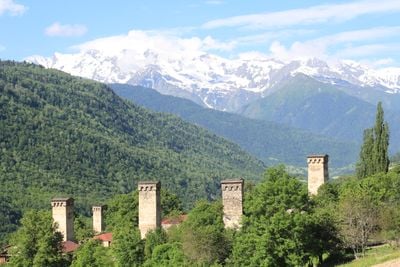
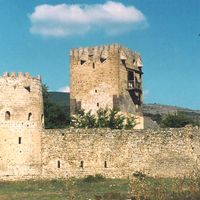
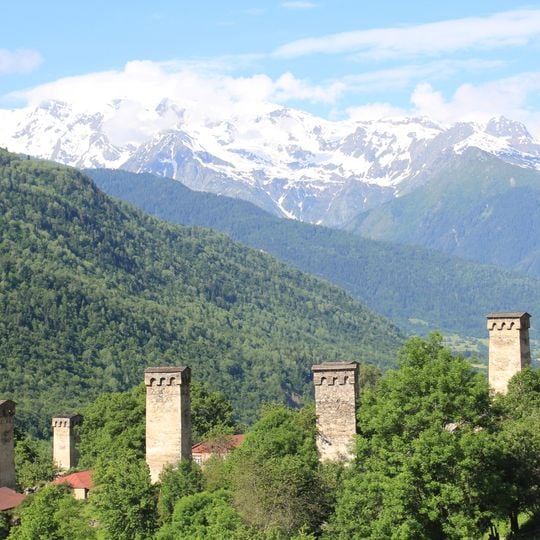
The Georgian language uses its own alphabet with 33 letters, visible everywhere on street signs, menus, and storefronts throughout daily life. In mountain villages, stone towers rise several stories high, originally serving as defensive homes and now shaping the rural landscape in regions like Svaneti.
International flights arrive at Tbilisi airport, while long-distance buses and minibuses connect cities and remote villages across the territory. EU citizens can enter without a visa for stays up to one year, and English is mainly spoken in larger urban centers.
Winemaking in clay vessels called kvevri dates back more than eight millennia and received UNESCO intangible cultural heritage status in 2013. Archaeological findings at Gadachrili Gora provided the earliest known evidence of wine production worldwide.
The community of curious travelers
AroundUs brings together thousands of curated places, local tips, and hidden gems, enriched daily by 90,798 contributors worldwide.