See the monuments around you in AROpen chests in the app
Around Us is built for your phone — point your camera at the streets and discover the monuments and places around you in augmented reality.Around Us is built for your phone — chests unlock when you walk, explore and capture nearby places.
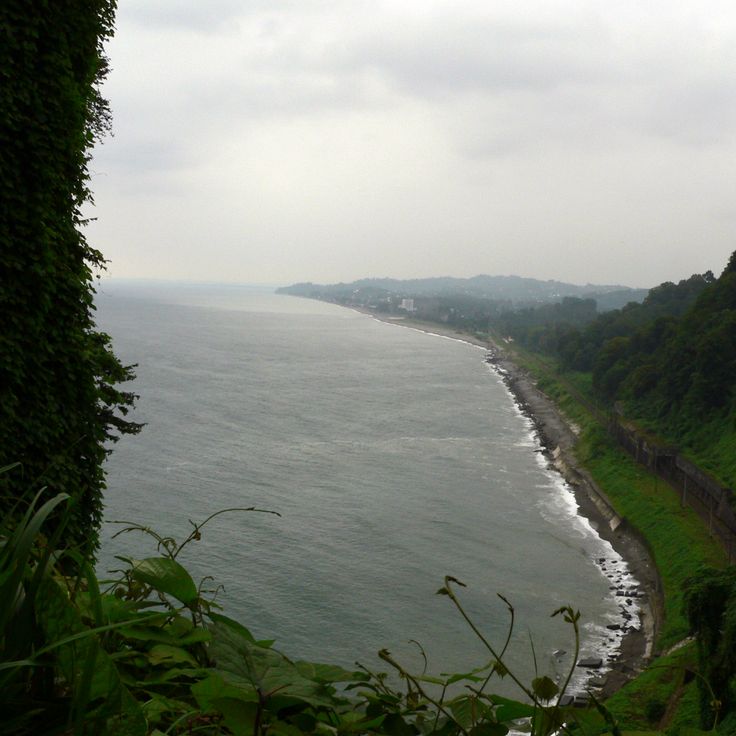
Georgia offers diverse photography settings from ancient fortresses to natural landscapes. The country features medieval churches, monasteries carved into cliffs, and national parks. Photographers can document architecture in Tbilisi, mountains in Svaneti, and coastal scenes along the Black Sea. Historical sites include Roman fortresses, Orthodox cathedrals, and archaeological ruins.
Georgia offers diverse photography settings from ancient fortresses to natural landscapes. The country features medieval churches, monasteries carved into cliffs, and national parks. Photographers can document architecture in Tbilisi, mountains in Svaneti, and coastal scenes along the Black Sea. Historical sites include Roman fortresses, Orthodox cathedrals, and archaeological ruins.
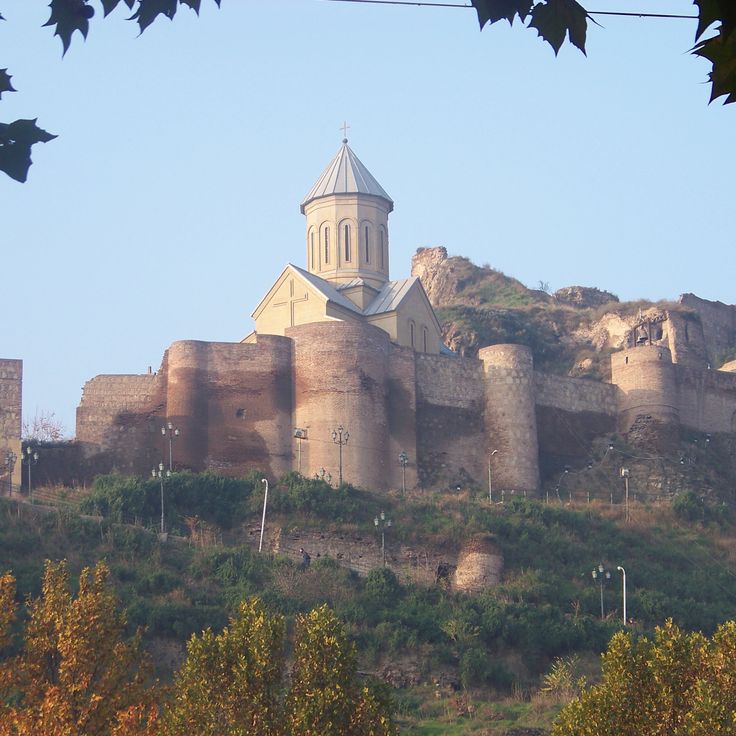
Narikala Fortress has stood on a hill above Tbilissi since the 4th century, offering sweeping views of the entire city and the Mtkvari River below. This stone stronghold is one of Georgia's oldest landmarks, with massive walls and towers that show layers of history. From this vantage point, you can see the old town's winding streets, modern districts, and the surrounding landscape spread out in all directions. The fortress served as a key defense point and its structure reflects the work of many rulers who built and restored it over time. The site is easy to reach and provides numerous angles for photography, especially during sunrise and sunset when light bathes the stone in warm tones.
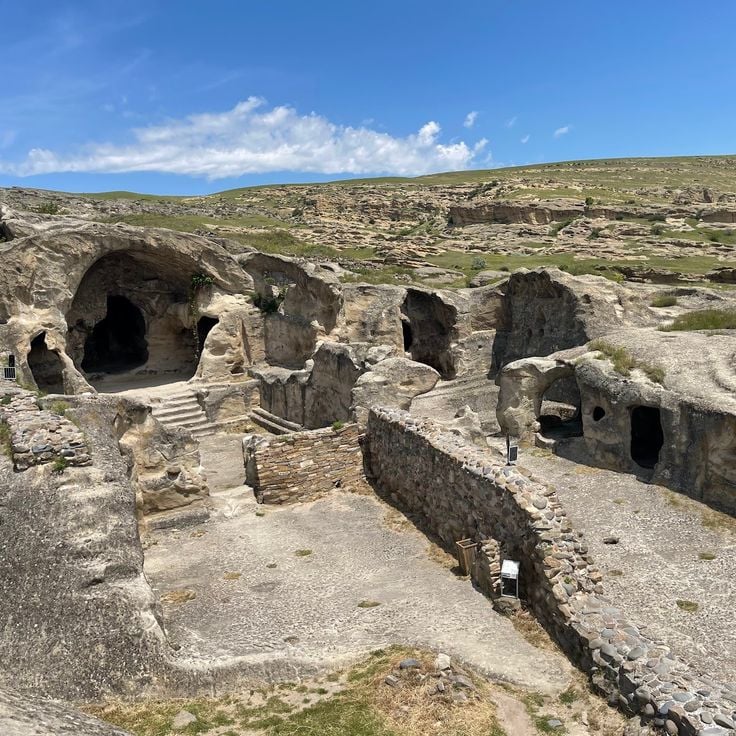
Uplistsikhe is an ancient city carved directly into rock. It dates back to the Iron Age and shows how people lived in those distant times. The site contains temples, wine cellars, bakeries, and a theater, all carved into the stone. As you walk through the city, you see rooms and passages that craftspeople created thousands of years ago. The city sits in a gorge and offers views of the surrounding landscape. For photographers, Uplistsikhe is a place where history comes alive in stone.
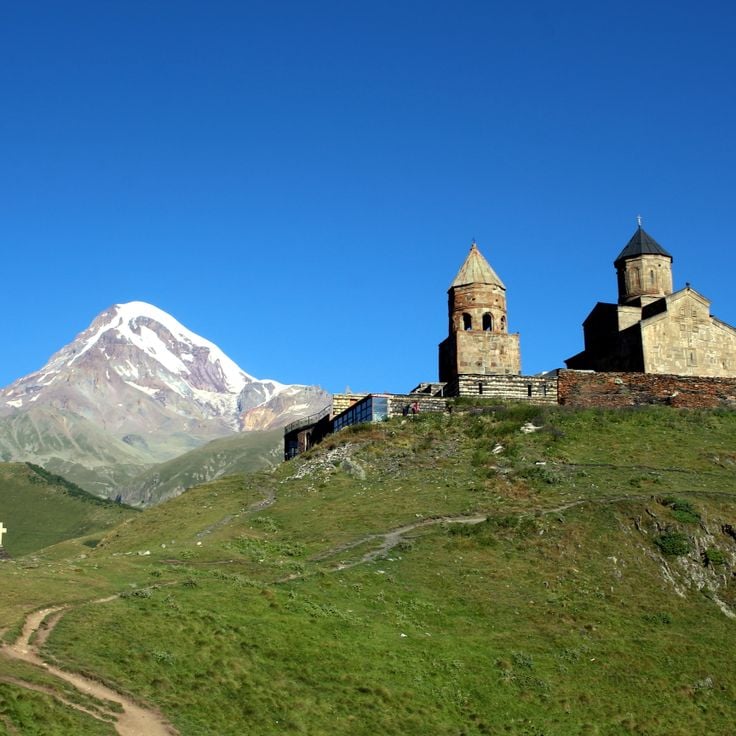
The Church of the Holy Trinity of Gergeti stands at 7,120 feet (2170 meters) elevation at the foot of Mount Kazbek in the Caucasus Mountains. This stone structure from the 14th century rises above the landscape, offering photographers dramatic images with towering peaks as backdrop. The church holds important meaning in Georgian history and shows traditional religious building design. Hikers and photographers visit for its position and views across the surrounding mountain range.
The Batumi Botanical Garden spreads along the Black Sea coast and displays a diverse collection of plants from different climates around the world. The garden features changing sections with tropical species, palms, bamboo, and rare trees. You can walk through and explore natural habitats shaped by the humid coastal environment. The place blends plants with landscape design and invites you to discover what grows here.
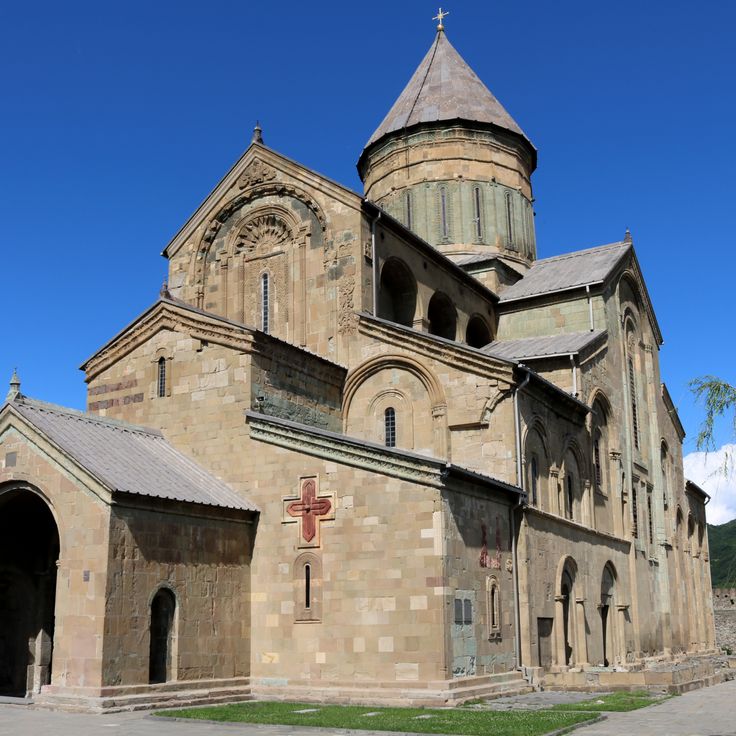
The Svetitskhoveli Cathedral in Mtskheta is an 11th-century Orthodox church that displays Georgian architectural style. Its walls feature stone carvings and frescoes created by skilled artisans of that era. Standing approximately 50 meters (164 feet) tall, the cathedral serves as a place of spiritual importance. The building shows the craftsmanship of medieval times through its stone work and interior paintings. Visitors can observe the construction methods and artistic details that reveal how people of that period lived and worshipped.
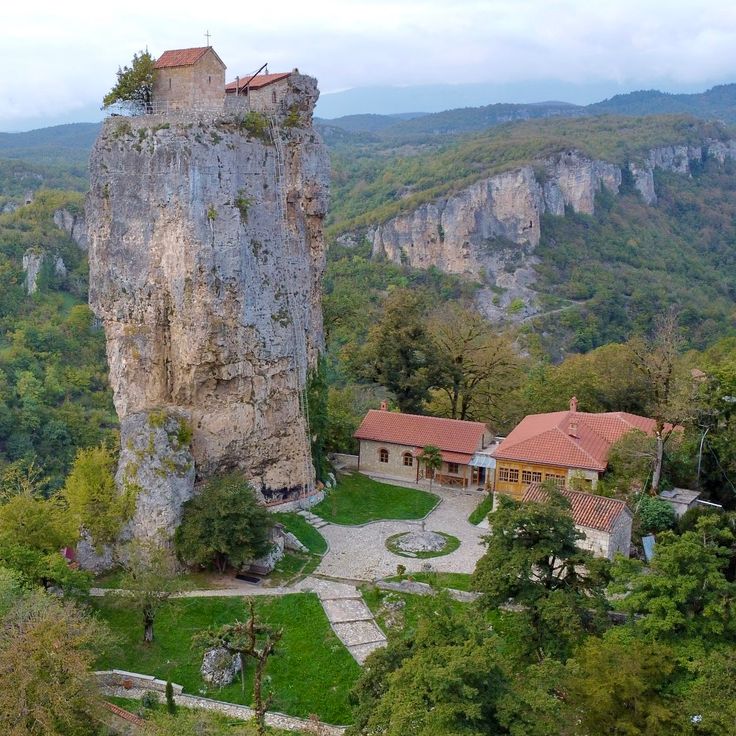
The Pilier de Katskhi is a striking limestone formation in Iméthie that rises about 40 meters (131 feet) from the ground. On its summit stands a small church built in the 6th century. Monks chose this isolated location to build their sanctuary on top of this unusual natural column. Visitors who make the journey see a dramatic rock formation jutting out from the surrounding landscape, crowned by a tiny chapel. For photographers, the Pilier de Katskhi offers a powerful subject that merges history and nature. The climb to the church is steep and demands care, but the views from the summit reward the effort.
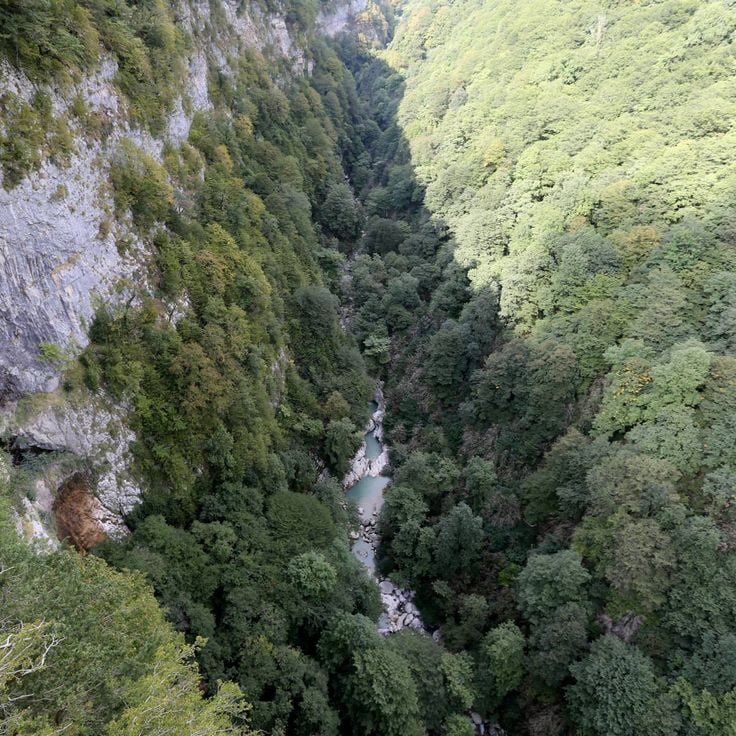
The Okatse Canyon shows the raw power of nature in Georgia. Metal walkways cling to steep limestone cliffs and lead past several waterfalls. Parts of the path hang freely over the canyon, creating the sense of walking on air above the gorge. Along the way, you see rock formations shaped over millennia by rushing water. The canyon is easy to visit and offers striking photo opportunities, especially when water cascades with force after rainfall.
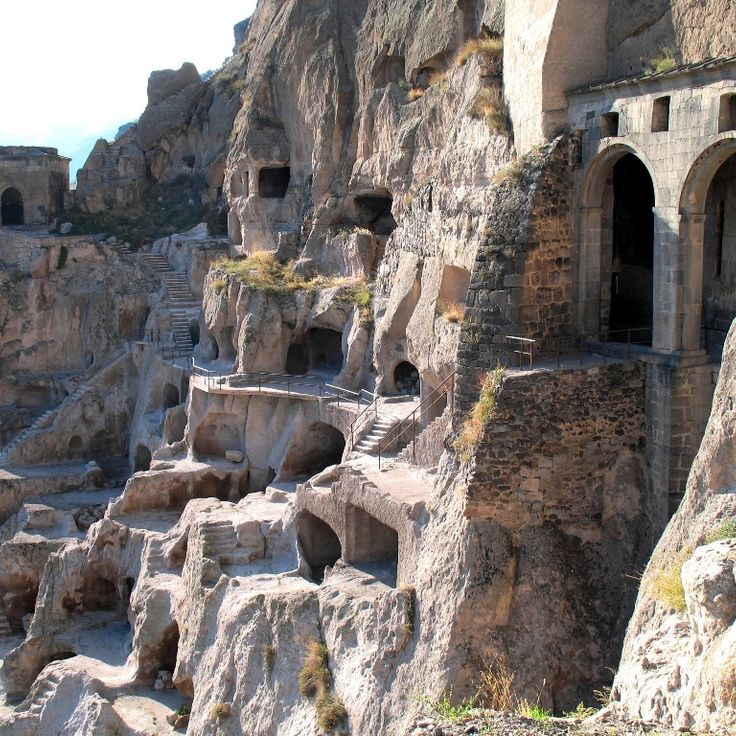
Vardzia is a rock-cut monastery built into the side of a mountain in Georgia during the 12th century. This complex features 13 levels carved directly from stone, containing around 6000 rooms, a church, and a bell tower. Walking through Vardzia, you see how people once lived within the mountain, with light streaming through small windows into the caves. The monastery shows remarkable stone carving and reveals how monks organized their daily lives in these chambers. For photographers, Vardzia offers dramatic views of rooms stacked within the rock face and the interplay of light and shadow within the carved spaces.
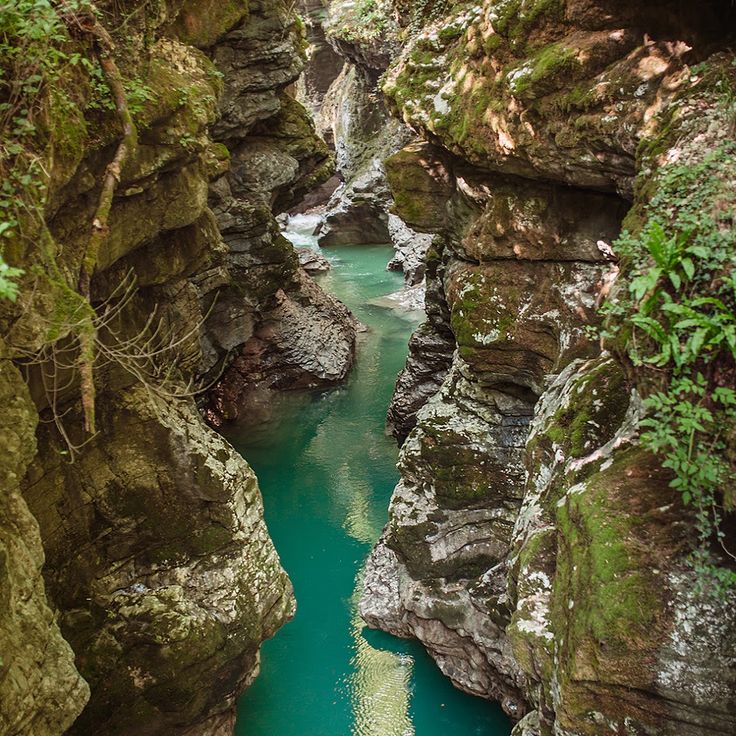
The Canyon de Martvili is a limestone canyon in western Georgia where visitors can see clear blue-green water flowing between tall rock walls. You can explore the gorge by boat, following the river deeper into the canyon, or walk along hiking trails that offer views from above. The surrounding cliffs create natural frames for photography, and the landscape shifts with the light throughout the day. This is a place where water and stone have created something that draws people back again and again.
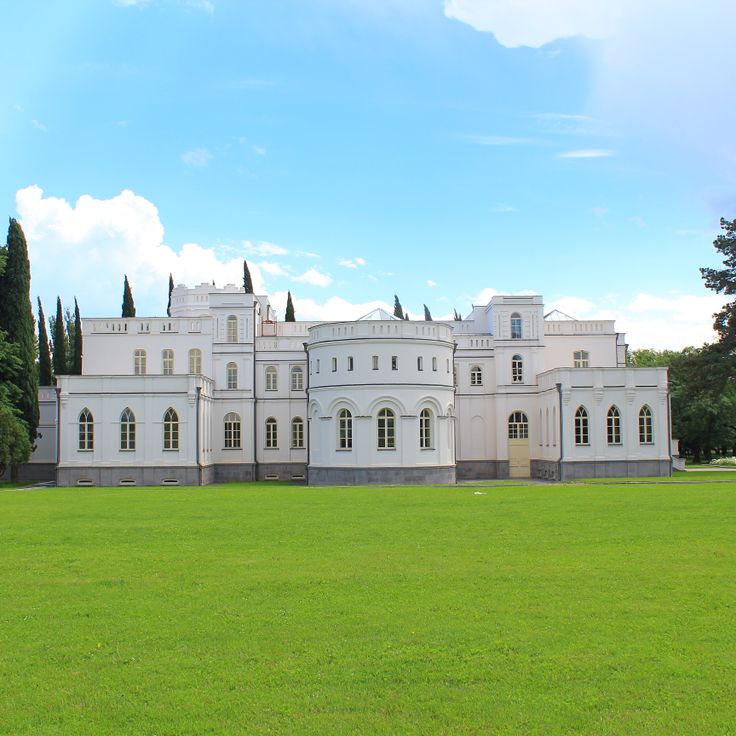
Palais de Moukhrani is a 19th-century manor house set in mountainous landscape in the Mtskheta-Mtianeti region. The palace blends Georgian architectural traditions with European influences, surrounded by well-tended gardens and historic wine cellars that reflect the area's winemaking heritage. For photographers, this place offers a mix of architectural details, historical elements, and mountain views. The stone facades, decorative features, and the surrounding landscape create opportunities to capture both the built heritage and the natural setting.
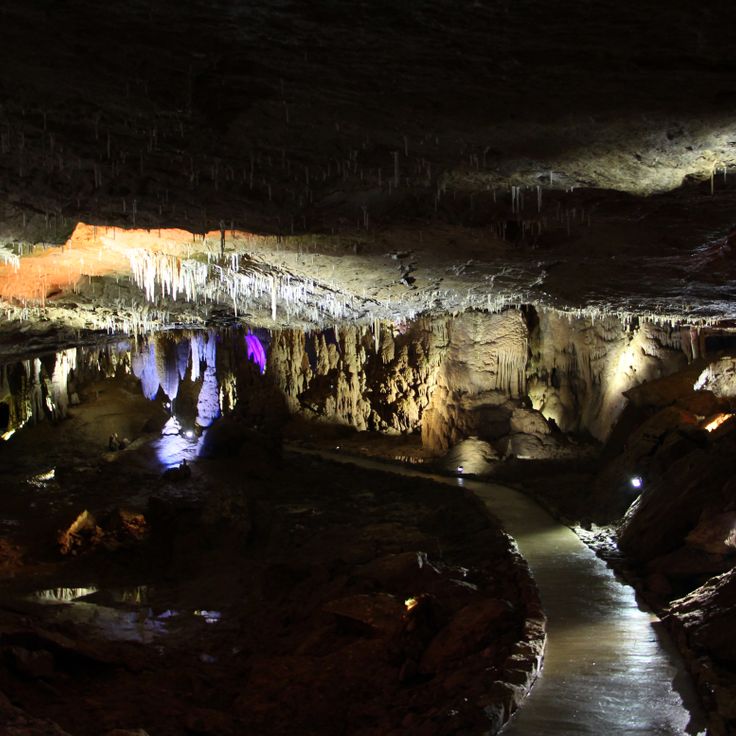
Prometheus Cave is an underground cave system in Imereti that takes visitors into a hidden world beneath the earth's surface. The cave features stalactites and stalagmites that have grown over many thousands of years. An underground river flows through the chambers, creating a rare landscape. Colored lighting along the pathways helps visitors explore the different formations. The cave shows the power of nature in shaping stone and water over time. Photographers find deep contrasts between light and shadow, unusual shapes, and the feeling of a concealed place.
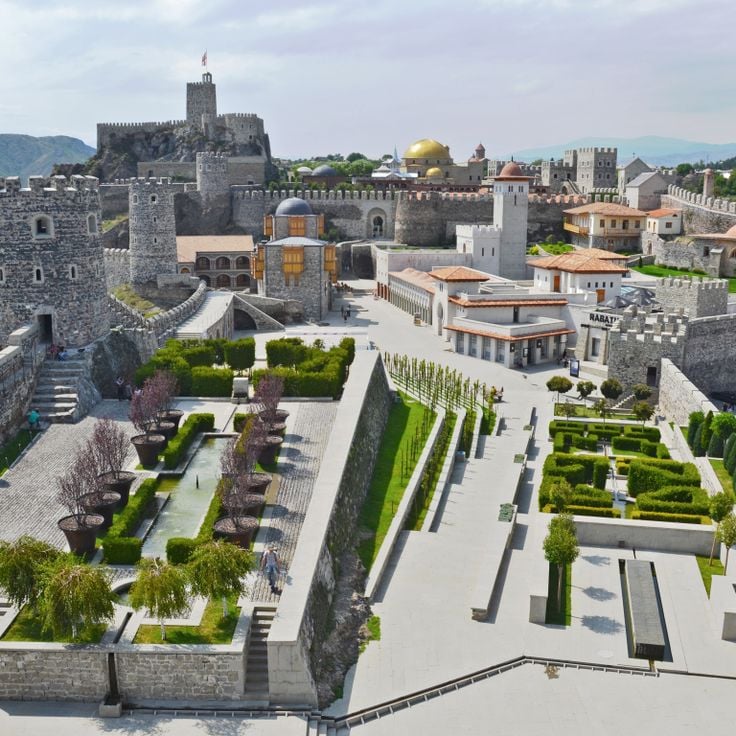
Rabati Castle is a medieval fortress complex in the Samtskhe-Djavakheti region. This castle blends Georgian, Ottoman, and Persian architectural styles. You will find old walls, towers, and religious buildings that tell the story of the area's diverse past. The structure shows how different cultures left their mark on this place over many centuries. For photographers, the castle offers interesting subjects with its various architectural elements and different viewpoints.
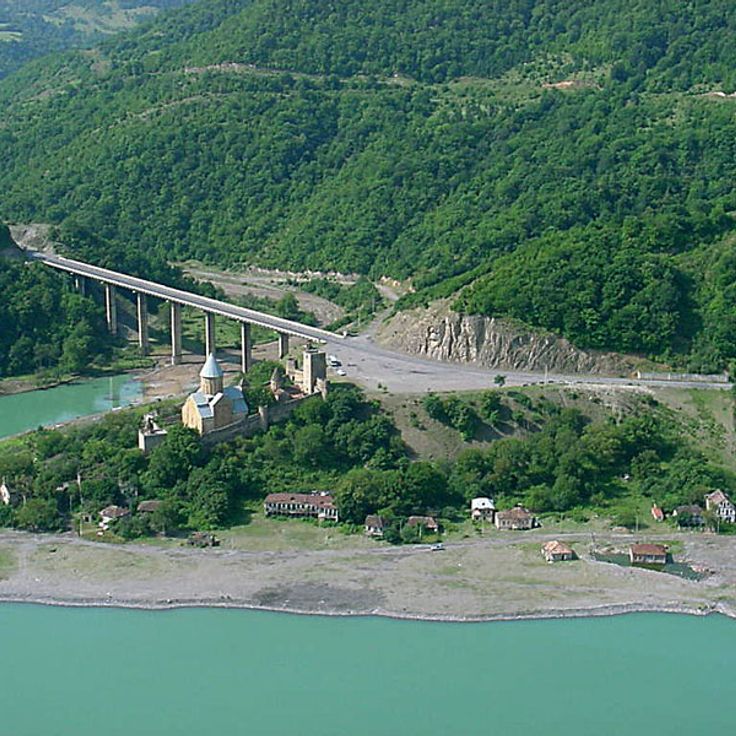
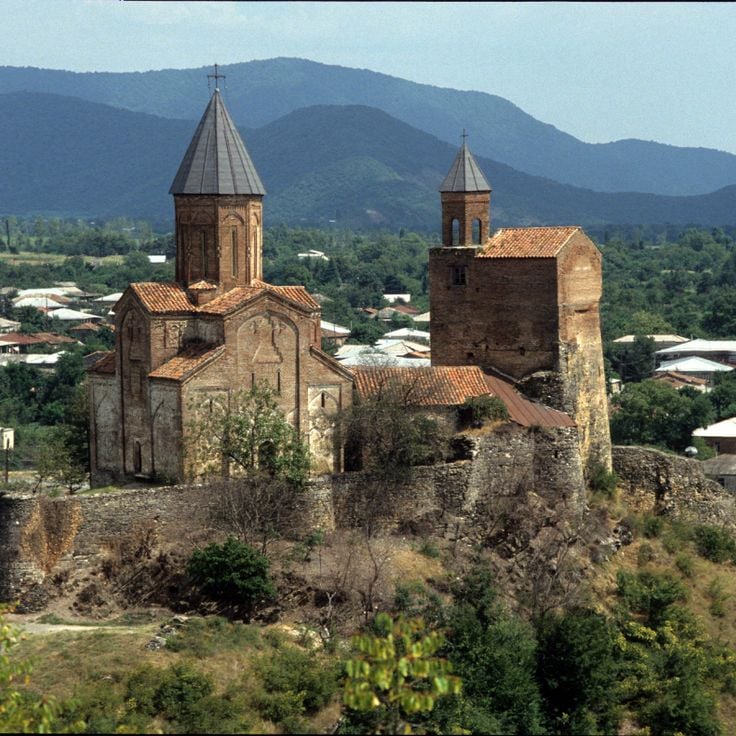
Ananuri Castle is a fortress built in the 17th century near the Aragvi River. The ensemble contains two churches, defensive walls, and a watchtower. This fortification sits in a valley surrounded by mountain slopes and offers photographers views of historic architecture set within a landscape of peaks and ridges. The complex shows the building techniques of its era, with thick stone walls and strong geometric forms. The watchtower overlooks the valley and the rivers that wind through it. Visitors find here a record of Georgia's past, with details that speak to the craftsmanship of earlier centuries.
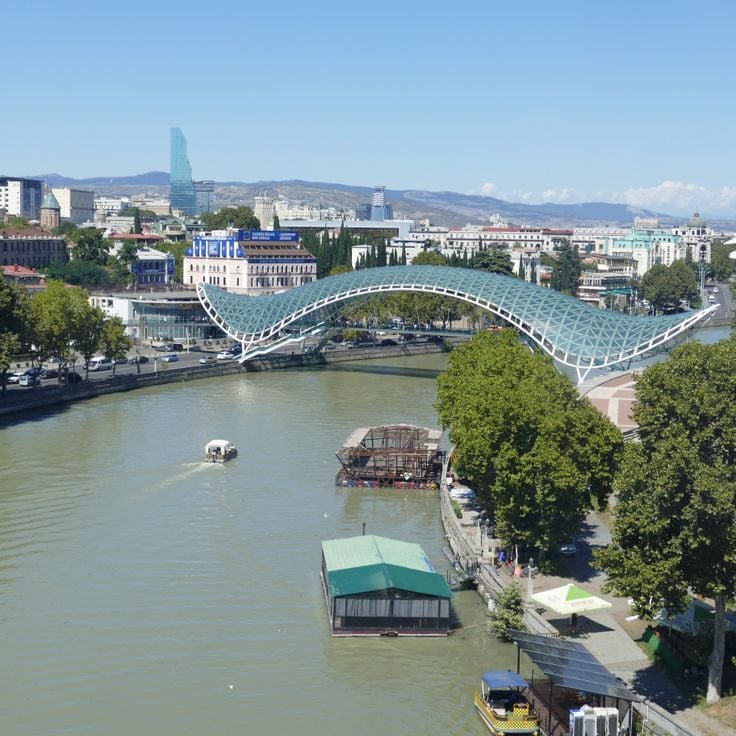
The Peace Bridge in Tbilissi is a modern pedestrian bridge made of glass and steel, completed in 2010, spanning the Mtkvari River. The bridge connects two neighborhoods and provides pedestrians with a crossing over the river while offering views of the water below. At night, LED lights illuminate the structure, transforming it into a glowing landmark in the city's skyline. This bridge is a popular photography subject for visitors seeking to capture the contrast between contemporary design and the historic surroundings of Georgia's capital.
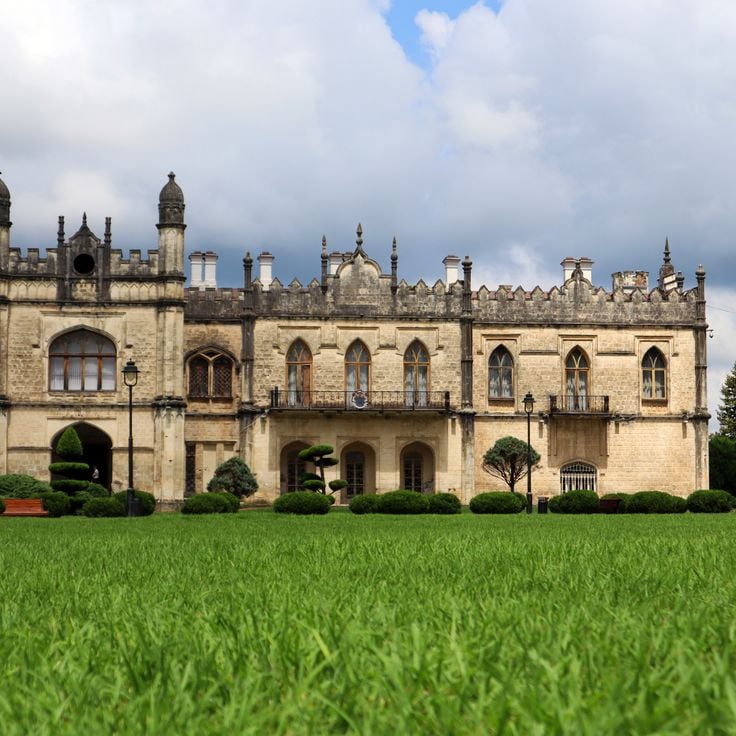
The Dadiani Palace Museum is the former residence of the Dadiani dynasty in Samegrelo-Zemo Svaneti. The museum displays Georgian artifacts, historical manuscripts, and includes Napoleon's death mask among its collection. Landscaped gardens surround the building, creating a calm setting that complements the historical treasures inside. This place connects Georgian history with nature, offering visitors insight into the dynasty's legacy and the region's cultural heritage.
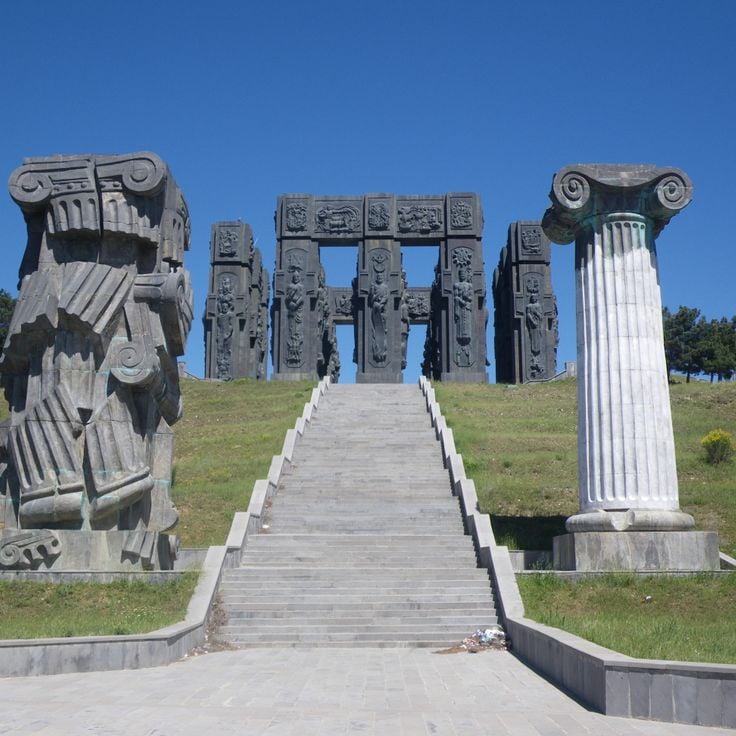
The Monument of Georgian Chronicles in Tbilisi features impressive stone pillars standing 30 meters (98 feet) high. Carved into these pillars are scenes depicting important moments from Georgian history and Christian themes. The monument tells stories through its sculptures of events that have shaped the nation. Located in the capital, it is a place where history has been preserved in stone. For photographers, it offers compelling perspectives to capture Georgia's cultural past.
The citadel and Archangel Church of Gremi stand in Georgia from the 16th century. Stone fortifications surround a religious complex that reflects Georgian architecture of that era. Inside the church, frescoes cover the walls, showing the skill of the painters who decorated this space. The structure combines defensive walls with a place of worship, telling the story of a community that needed both protection and faith. Walking through this site reveals how people lived and prayed in medieval Georgia.
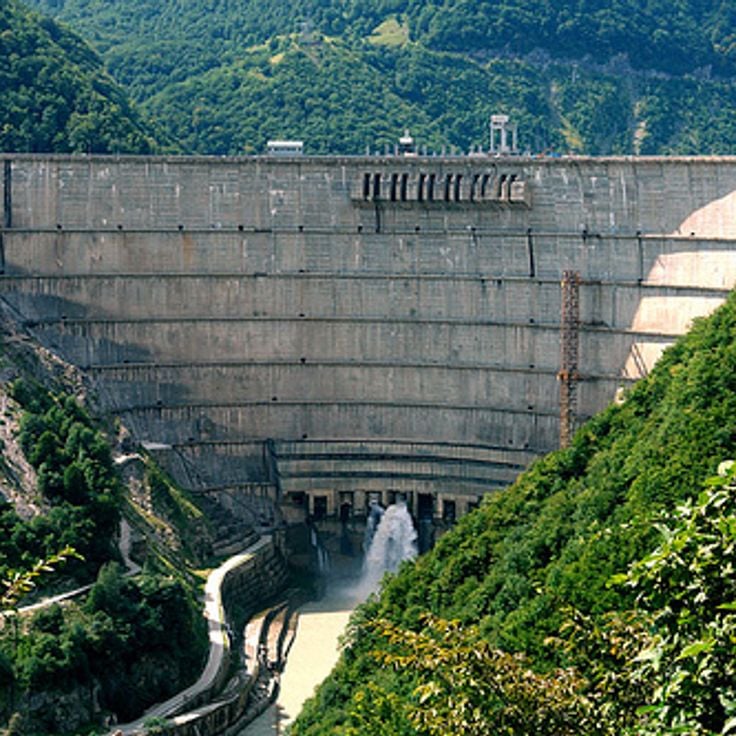
The Enguri Dam is a concrete arch dam that rises 271.5 meters high. Since 1978, this structure has been producing hydroelectric power for the region. The dam sits in an impressive gorge where engineering meets landscape. For photographers, it offers an interesting contrast between the massive concrete structure and the surrounding mountains and water. It shows how modern infrastructure fits into Georgia's mountainous terrain.
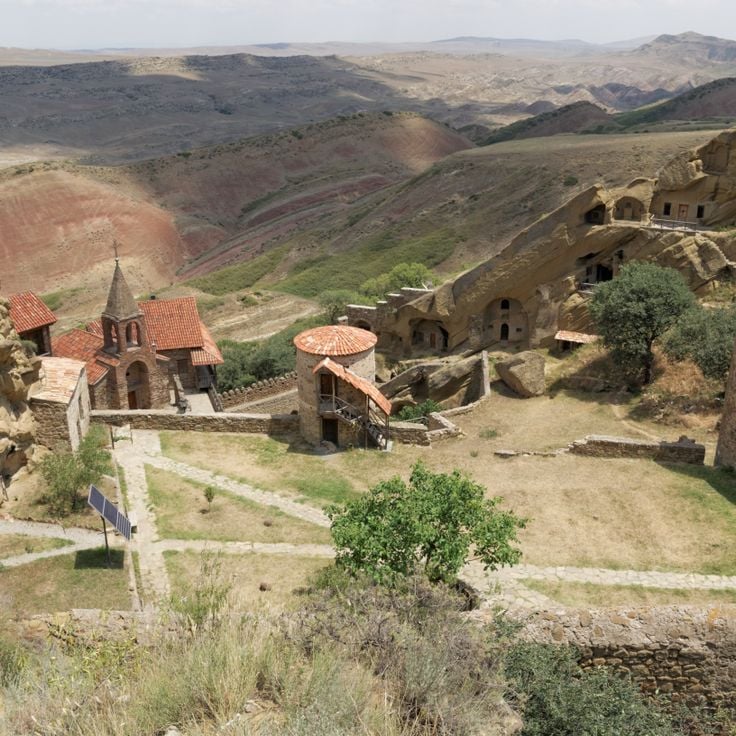
The David Gareji monastery complex in Kakheti consists of hundreds of cells, churches, chapels, and living quarters carved directly into the rock since the 6th century. This site offers photographers remarkable subjects with its architecture integrated into the mountainside, where light and shadow play across the stone surfaces. The complex tells the story of monks who lived here for centuries and shows how people used natural rock formations to create spaces for worship and daily life.
Kolkheti National Park stretches along Georgia's coast and protects a diverse landscape of wetlands, lakes, and coastal forests. This park is an important location for photographers wanting to document natural habitats and bird populations. The water landscapes and green woodlands offer different opportunities to photograph wildlife and plant life. The park displays the natural character of western Georgia and the ecological variety that defines this region.
Borjomi-Kharagaouli National Park is a large protected area filled with native forests and natural mineral springs known for their healing properties for over 200 years. The park offers many subjects for photographers: thick green forests surrounded by mountains, clear streams flowing through valleys, and traditional paths that lead deep into unspoiled nature. The mineral springs are accessible at various points and invite exploration. The park is a place where nature and human history meet, showing how the landscape has been valued and used by people for centuries.
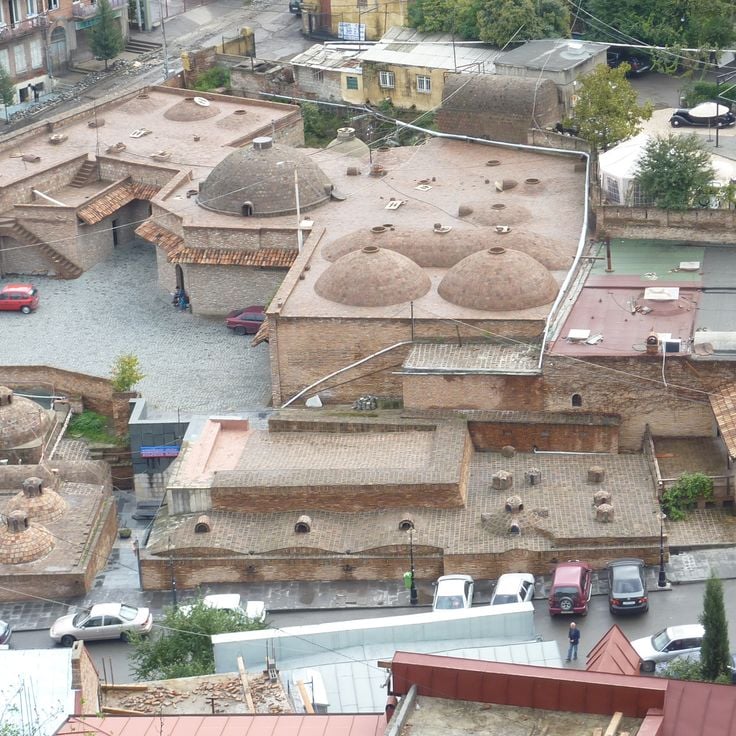
The Sulfur Baths of Abanotoubani in Tbilissi feature distinctive domed bathhouses fed by natural hot springs. The mineral-rich thermal water, heated to around 40 degrees Celsius, flows from underground sources beneath this historic neighborhood. These baths have been part of city life for centuries, serving as a gathering place where locals continue traditional bathing customs. The domed rooftops rising above the old quarter create a striking silhouette and offer visitors a glimpse into Tbilissi's past through its architecture and daily rhythms.
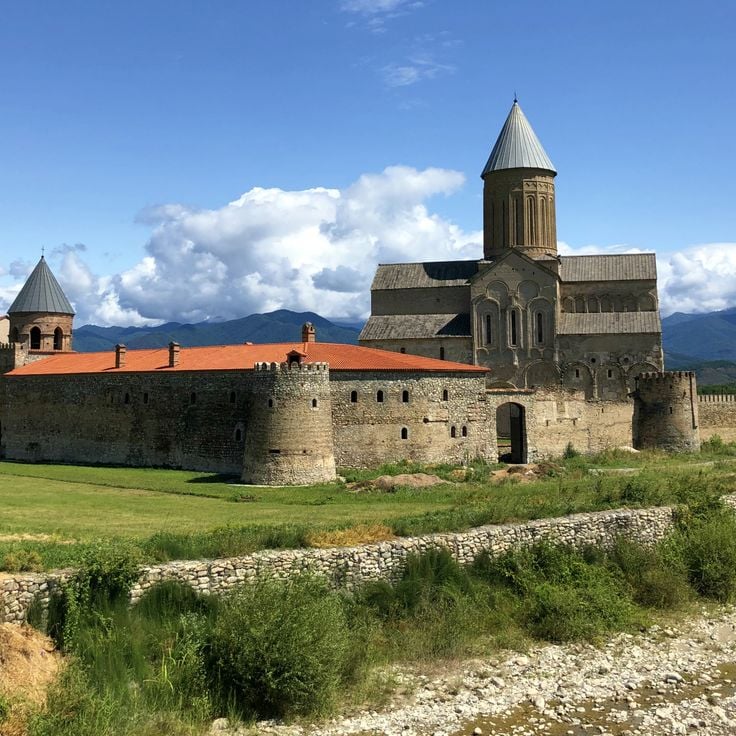
Alaverdi Monastery is a religious complex dating from the 6th century in Georgia's Kakheti region. The site includes a cathedral, historic wine cellars from 1011, and gardens at the base of the Caucasus Mountains. This monastery offers photographers a blend of religious architecture and natural surroundings. The setting shows Georgia's long history and the connection between faith and winemaking in this area.
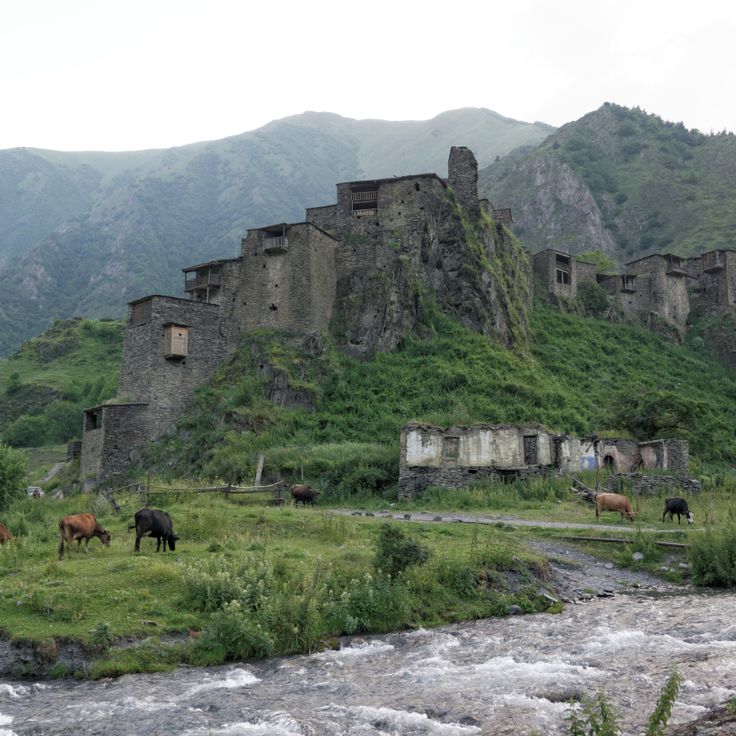
Shatili is a medieval fortified village set high in the Georgian mountains at 1400 meters (4600 ft) elevation. The settlement consists of stone buildings and defensive towers arranged closely together as a unified structure. The layout reflects how people organized their homes for protection during the medieval period. Each tower served both as a residence and a defensive position. The buildings remain largely intact, showing the practical architecture of mountain communities that needed to guard against external threats while living in a remote location.
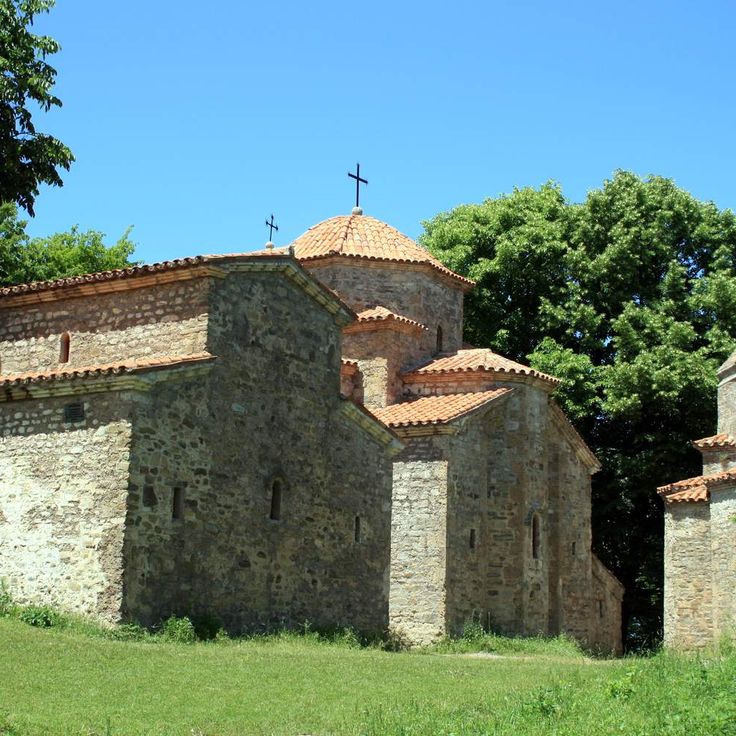
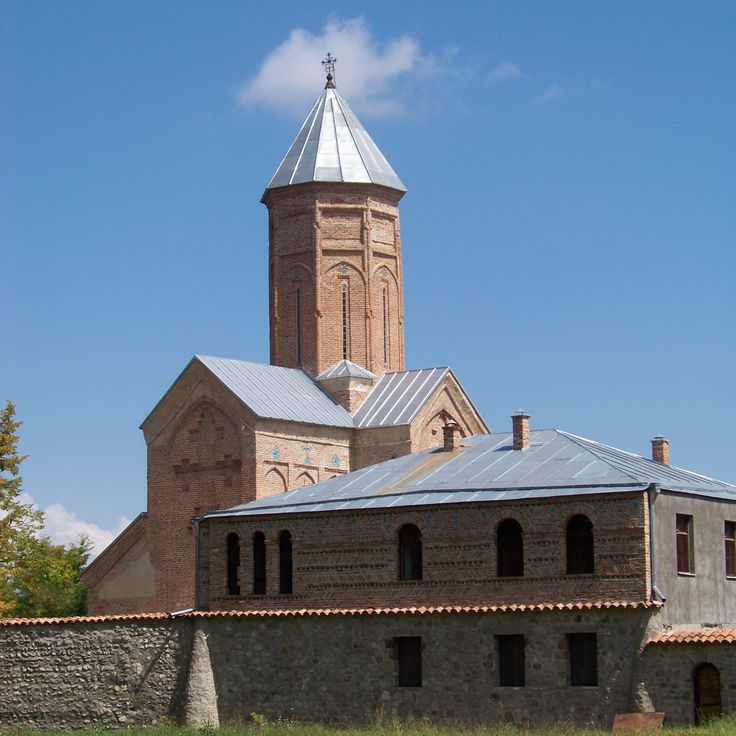
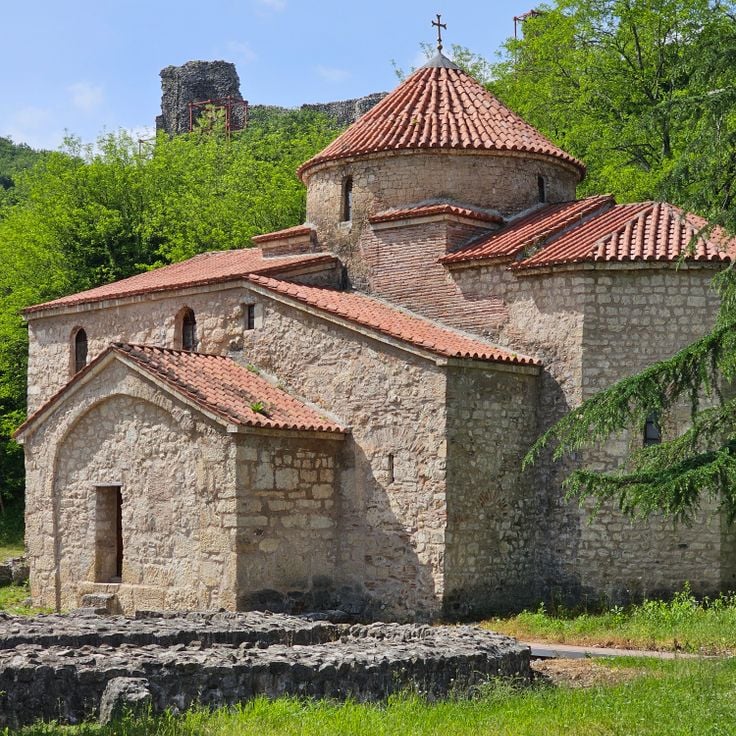
Dzveli Shuamta Monastery in Kakhétie features three stone churches from the 5th to 7th centuries standing among evergreen forests. The monastery complex preserves ancient frescoes and displays traditional Georgian architecture. This site tells the story of how religious communities built their sacred spaces in the Caucasus forests and created artworks that remain today.
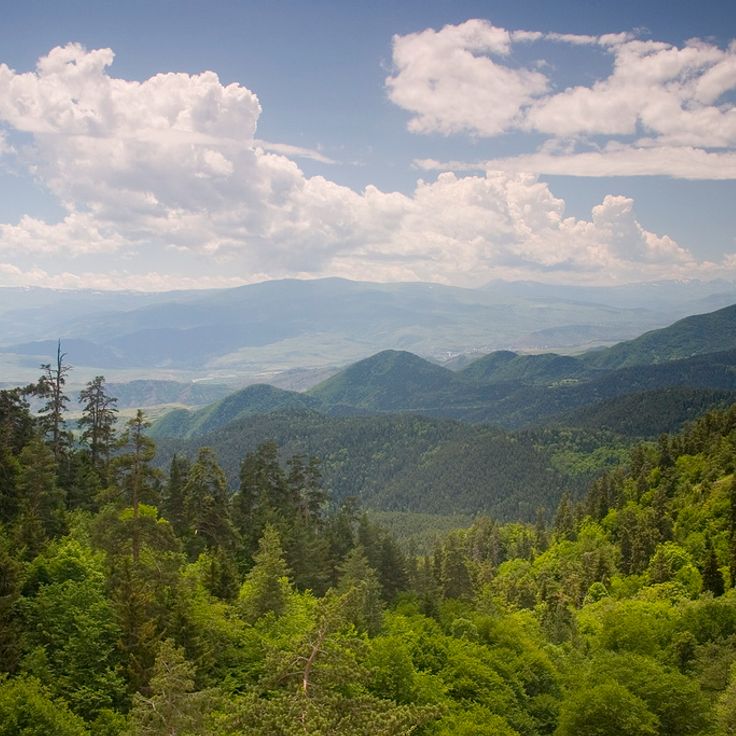
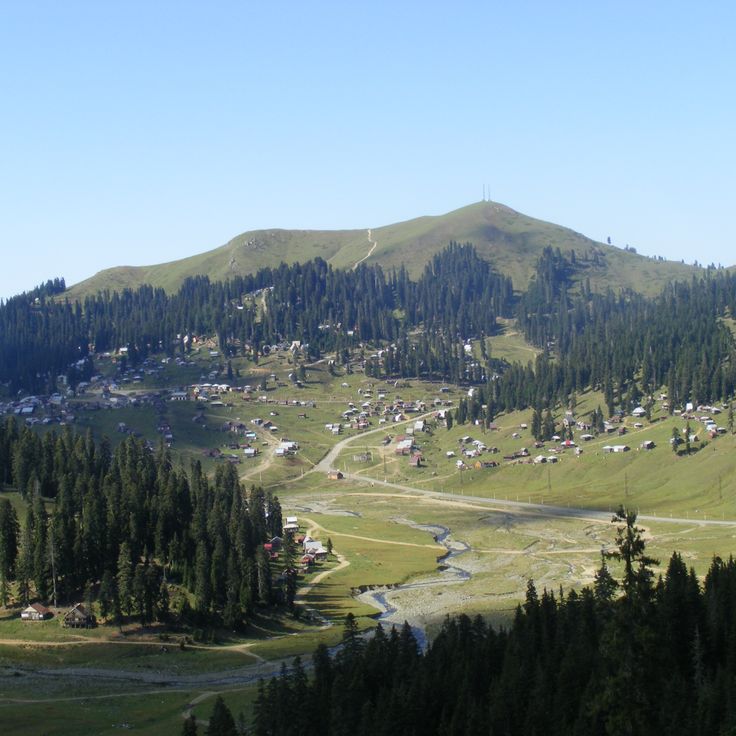
Bakhmaro mountain station sits at 6,500 feet (2000 meters) and offers wide views of the Caucasus range. Pine forests cover the slopes, and mineral springs flow from the ground. The air is clear and fresh at this height. Photographers find strong subjects here, from the layered mountains in the distance to the dense forest below. The light changes throughout the day, creating different moods for pictures.
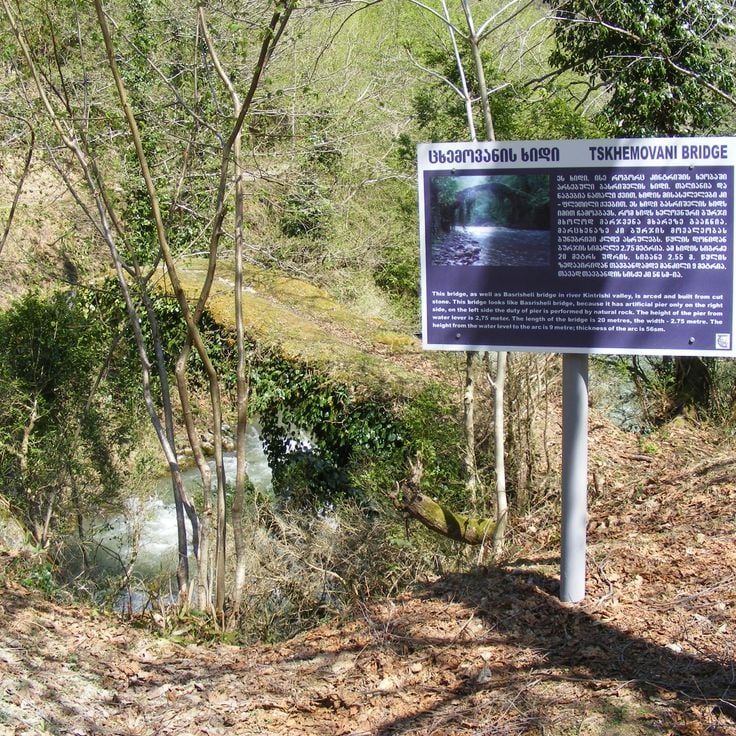
The Kintrishi protected areas in the Adjara region display a varied landscape with ancient stone bridges and medieval towers set within nature. These reserves are home to rare plant species and forests with origins dating back to the Tertiary period. The areas offer photographers subjects that blend history and nature together: crumbling structures nestled among green foliage, water flowing over old bridges, and traces of human settlement in wild surroundings. Visitors find here a living mix of botanical rarity and architectural remains from past times.
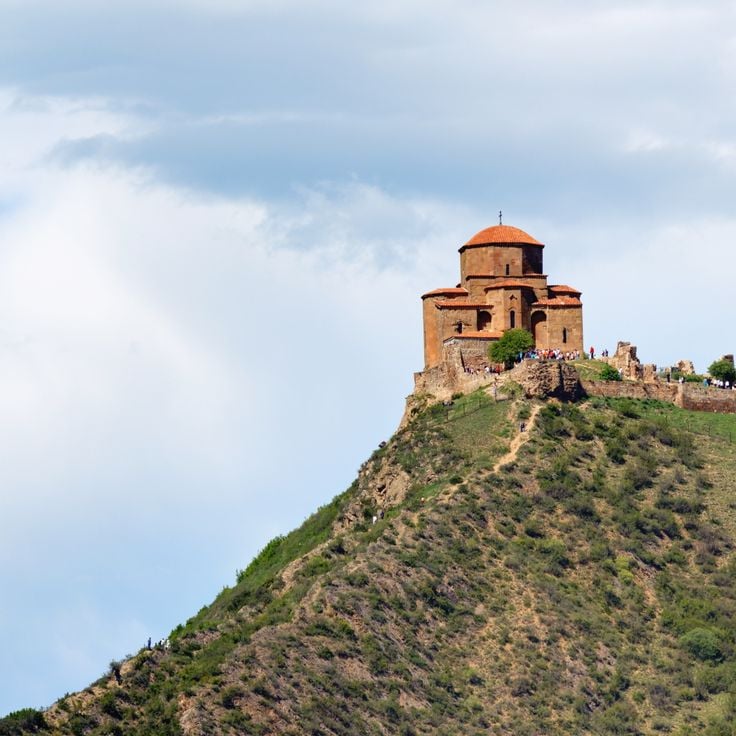
The Jvari Monastery sits on a hilltop where the Aragvi and Mtkvari rivers meet. This stone structure displays carved reliefs and classical Georgian architecture. From this location, photographers capture the rivers winding through the landscape and the surrounding hills. The monastery rises above the valley, offering different perspectives throughout the day.
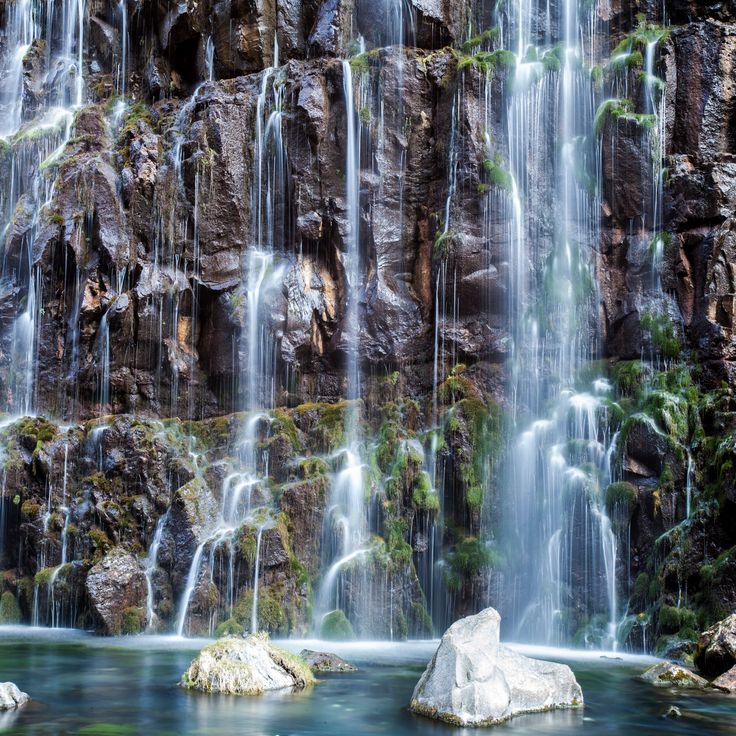
Dashbashi Canyon is a dramatic gorge carved by flowing water over vast stretches of time. The canyon features multiple waterfalls that cascade down steep rock walls throughout the year. Various plants grow along the canyon sides, and different animals make their homes in this natural space. The river running through the bottom keeps the landscape green and full of life. Walking through this canyon, you see how water and stone have worked together to create one of Georgia's most striking natural formations.
The Botanical Garden of Zugdidi sits beside the Dadiani Palace and displays both local and exotic plants. Pathways wind through different themed sections, passing greenhouses that house rare species. This historic garden is a calm place to experience the variety of Georgian and international plant life. For photographers, it offers compelling subjects ranging from flowering plants and trees to the garden's historic structures.
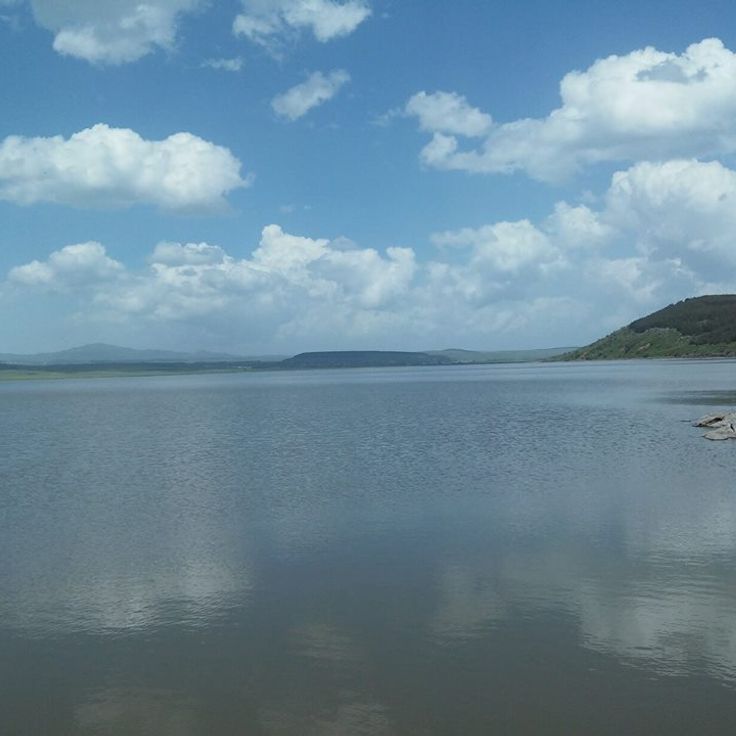
The Tsalka Reservoir in Kvemo Kartli is an artificial lake surrounded by mountains that offers photography opportunities for landscape work. This body of water provides subjects for capturing water surfaces against mountain backdrops. The shoreline of the reservoir presents various angles and perspectives for photographers. The interplay between the water and the surrounding peaks creates motifs suited to different times of day and lighting conditions.
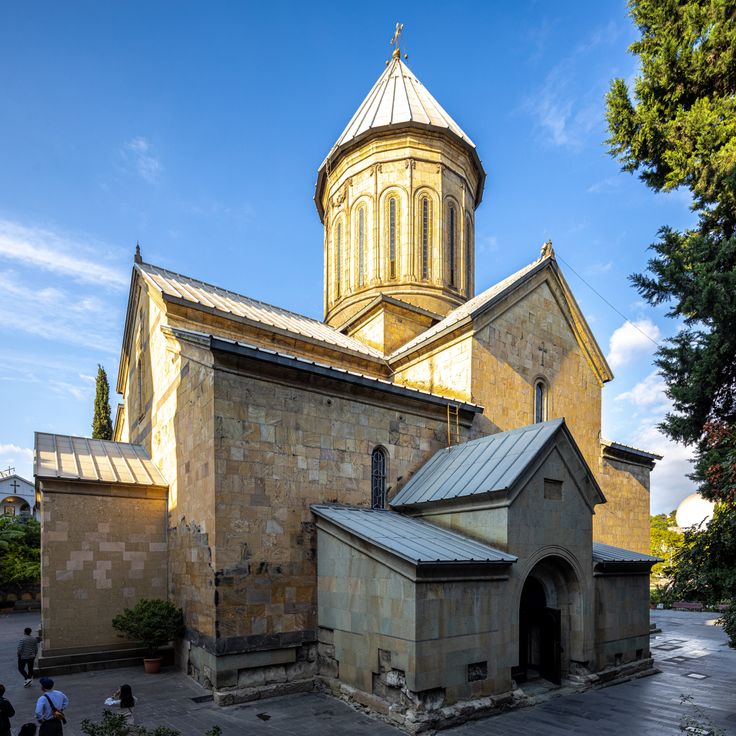
This cathedral in central Tbilissi is a prime example of medieval Georgian architecture. Built in the 6th century, it features religious frescoes and stone carvings that showcase Georgian craftsmanship. Sioni Cathedral tells Georgia's story through its architectural details and offers photographers a window into the country's spiritual and cultural heritage.
Akhali Shuamta Monastery is a 16th-century Orthodox complex nestled among forested hills. Photographers here can capture stone churches with their medieval architectural details standing among trees. The site offers subjects for documenting religious structures surrounded by nature, where each building tells a story of faith and craftsmanship built into Georgia's landscape.
Gonio Fortress is a Roman fortification from the first century that stands in Adjara on Georgia's Black Sea coast. With its thick stone walls and 18 towers, this fortress displays layers of different historical periods. Archaeological finds from various epochs tell the story of the many cultures that have shaped this place. The fortress sits in a region known for its tropical gardens and beaches, offering photographers both historical architecture and a view of how nature and human history intersect.
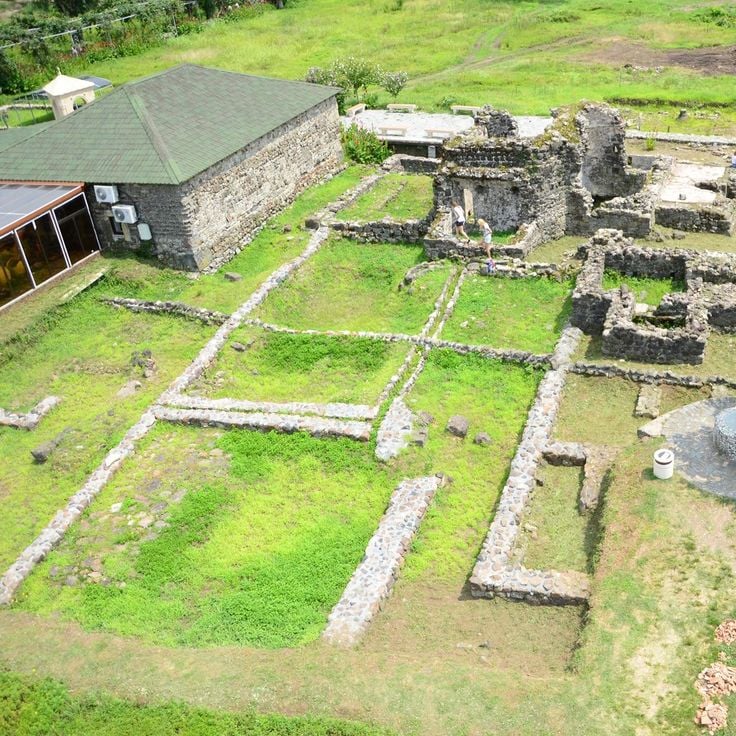
Nokalakevi is an archaeological site in western Georgia with ruins spanning many centuries. Here you can see stone walls and fortifications that once protected a city. The remains of a royal palace show how important this location was in ancient times. Early Christian churches stand alongside older structures, revealing how the site changed over time. The excavations tell the story of how people in this region lived and built from the 4th century BC onward.
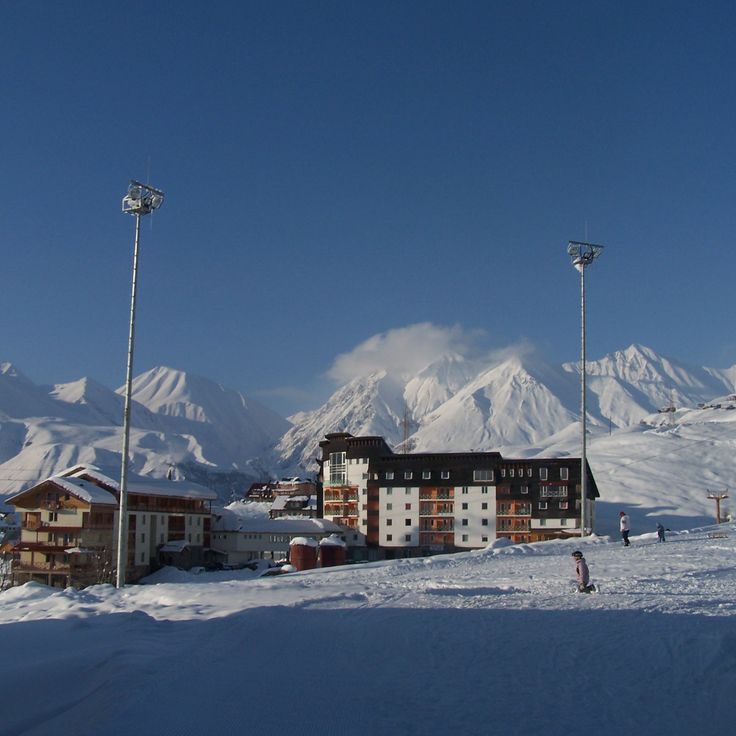
Gudauri Ski Station sits high in the Caucasus Mountains and welcomes winter sports enthusiasts to its slopes. Located at 2200 meters elevation, this station offers skiers and snowboarders multiple runs of varying difficulty. The facility includes ski lifts and accommodation options for visitors. The surrounding landscape shows the raw beauty of mountain terrain with snow-covered peaks and wide slopes. For photographers, Gudauri provides striking mountain views and the chance to capture winter sports activities against an alpine backdrop.
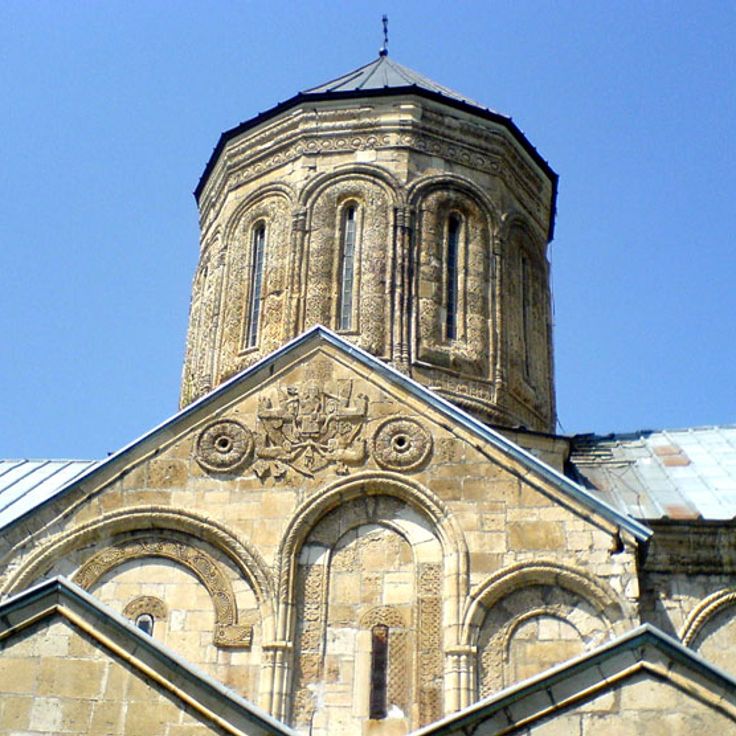
Nikortsminda Cathedral is a religious structure from the 11th century with detailed stone carvings on its exterior walls and numerous medieval frescoes inside. Located in a region of Georgia known for its ancient churches and monasteries, it attracts photographers seeking to capture historical architecture and religious artwork.
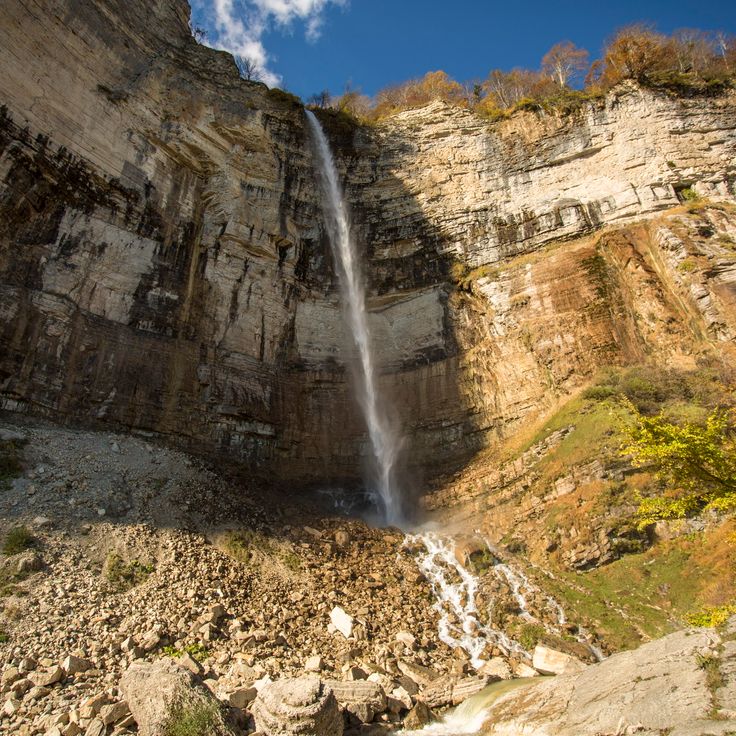
The Kinchkha Waterfall in Imereti plunges over 100 meters through multiple levels in the Okatse Canyon. Water creates natural pools at different elevations and offers compelling subjects for photographers. The waterfall sits within a lush gorge where visitors can capture images of cascading water and surrounding vegetation. The layered structure of the falls allows for diverse photographic perspectives. The setting shows the power of flowing water shaped by the rocky landscape.
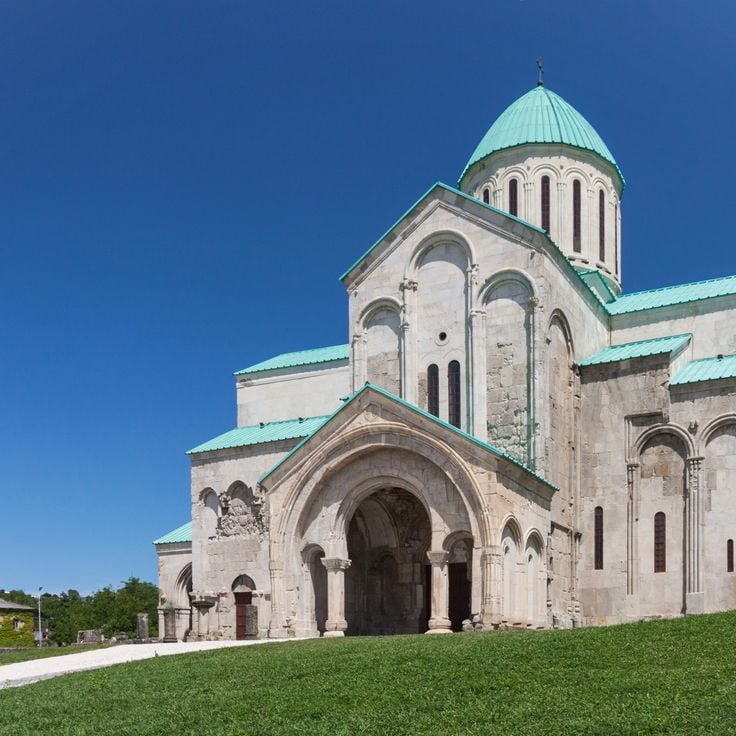
The Cathedral of Bagrati stands on a hill above Kutaisi and dates back to the 11th century. This medieval structure shows Georgian architecture in its classical form. The cathedral was restored in 2012 and offers visitors today a view of the historical craftsmanship and religious significance that this building holds for the region. From its elevated position, you can see the city and the surrounding landscape. The cathedral is part of Georgia's rich building tradition, where history is preserved in stone.
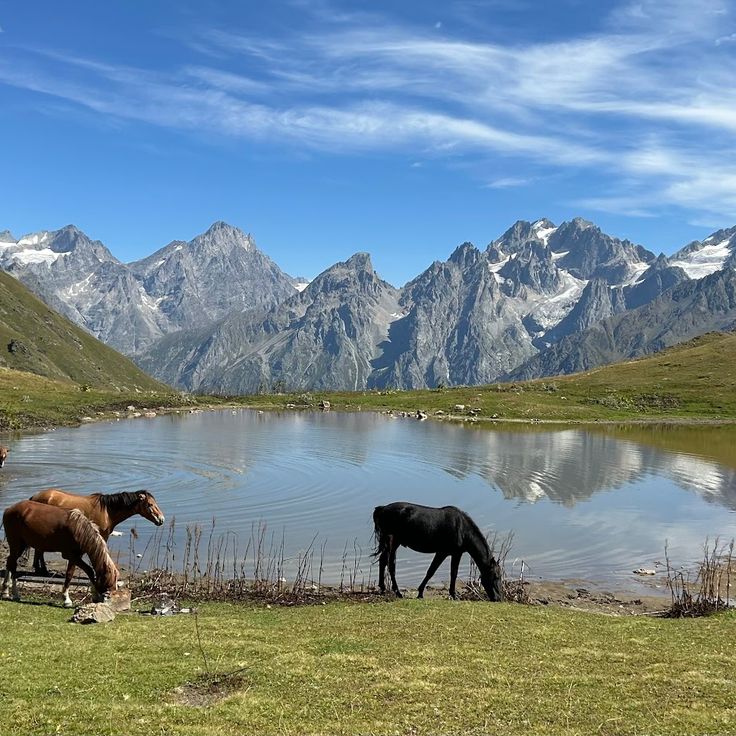
Located in the Samegrelo-Zemo Svaneti region, the Koruldi Lakes sit at about 2850 meters (9350 feet) and showcase the raw beauty of high mountain terrain. These glacial lakes are surrounded by the snowy peaks and glaciers of the Greater Caucasus range. For photographers, this is a place where the landscape appears in its most natural state, with crystal water reflecting the snow-covered summits and rocky formations around them. The trail to reach them passes through alpine meadows and along steep rocky slopes. These lakes draw those seeking to capture genuine mountain environments.
Narikala Fortress has stood on a hill above Tbilissi since the 4th century, offering sweeping views of the entire city and the Mtkvari River below. This stone stronghold is one of Georgia's oldest landmarks, with massive walls and towers that show layers of history. From this vantage point, you can see the old town's winding streets, modern districts, and the surrounding landscape spread out in all directions. The fortress served as a key defense point and its structure reflects the work of many rulers who built and restored it over time. The site is easy to reach and provides numerous angles for photography, especially during sunrise and sunset when light bathes the stone in warm tones.
Uplistsikhe is an ancient city carved directly into rock. It dates back to the Iron Age and shows how people lived in those distant times. The site contains temples, wine cellars, bakeries, and a theater, all carved into the stone. As you walk through the city, you see rooms and passages that craftspeople created thousands of years ago. The city sits in a gorge and offers views of the surrounding landscape. For photographers, Uplistsikhe is a place where history comes alive in stone.
The Church of the Holy Trinity of Gergeti stands at 7,120 feet (2170 meters) elevation at the foot of Mount Kazbek in the Caucasus Mountains. This stone structure from the 14th century rises above the landscape, offering photographers dramatic images with towering peaks as backdrop. The church holds important meaning in Georgian history and shows traditional religious building design. Hikers and photographers visit for its position and views across the surrounding mountain range.
The Batumi Botanical Garden spreads along the Black Sea coast and displays a diverse collection of plants from different climates around the world. The garden features changing sections with tropical species, palms, bamboo, and rare trees. You can walk through and explore natural habitats shaped by the humid coastal environment. The place blends plants with landscape design and invites you to discover what grows here.
The Svetitskhoveli Cathedral in Mtskheta is an 11th-century Orthodox church that displays Georgian architectural style. Its walls feature stone carvings and frescoes created by skilled artisans of that era. Standing approximately 50 meters (164 feet) tall, the cathedral serves as a place of spiritual importance. The building shows the craftsmanship of medieval times through its stone work and interior paintings. Visitors can observe the construction methods and artistic details that reveal how people of that period lived and worshipped.
The Pilier de Katskhi is a striking limestone formation in Iméthie that rises about 40 meters (131 feet) from the ground. On its summit stands a small church built in the 6th century. Monks chose this isolated location to build their sanctuary on top of this unusual natural column. Visitors who make the journey see a dramatic rock formation jutting out from the surrounding landscape, crowned by a tiny chapel. For photographers, the Pilier de Katskhi offers a powerful subject that merges history and nature. The climb to the church is steep and demands care, but the views from the summit reward the effort.
The Okatse Canyon shows the raw power of nature in Georgia. Metal walkways cling to steep limestone cliffs and lead past several waterfalls. Parts of the path hang freely over the canyon, creating the sense of walking on air above the gorge. Along the way, you see rock formations shaped over millennia by rushing water. The canyon is easy to visit and offers striking photo opportunities, especially when water cascades with force after rainfall.
Vardzia is a rock-cut monastery built into the side of a mountain in Georgia during the 12th century. This complex features 13 levels carved directly from stone, containing around 6000 rooms, a church, and a bell tower. Walking through Vardzia, you see how people once lived within the mountain, with light streaming through small windows into the caves. The monastery shows remarkable stone carving and reveals how monks organized their daily lives in these chambers. For photographers, Vardzia offers dramatic views of rooms stacked within the rock face and the interplay of light and shadow within the carved spaces.
The Canyon de Martvili is a limestone canyon in western Georgia where visitors can see clear blue-green water flowing between tall rock walls. You can explore the gorge by boat, following the river deeper into the canyon, or walk along hiking trails that offer views from above. The surrounding cliffs create natural frames for photography, and the landscape shifts with the light throughout the day. This is a place where water and stone have created something that draws people back again and again.
Palais de Moukhrani is a 19th-century manor house set in mountainous landscape in the Mtskheta-Mtianeti region. The palace blends Georgian architectural traditions with European influences, surrounded by well-tended gardens and historic wine cellars that reflect the area's winemaking heritage. For photographers, this place offers a mix of architectural details, historical elements, and mountain views. The stone facades, decorative features, and the surrounding landscape create opportunities to capture both the built heritage and the natural setting.
Prometheus Cave is an underground cave system in Imereti that takes visitors into a hidden world beneath the earth's surface. The cave features stalactites and stalagmites that have grown over many thousands of years. An underground river flows through the chambers, creating a rare landscape. Colored lighting along the pathways helps visitors explore the different formations. The cave shows the power of nature in shaping stone and water over time. Photographers find deep contrasts between light and shadow, unusual shapes, and the feeling of a concealed place.
Rabati Castle is a medieval fortress complex in the Samtskhe-Djavakheti region. This castle blends Georgian, Ottoman, and Persian architectural styles. You will find old walls, towers, and religious buildings that tell the story of the area's diverse past. The structure shows how different cultures left their mark on this place over many centuries. For photographers, the castle offers interesting subjects with its various architectural elements and different viewpoints.
Ananuri Castle is a fortress built in the 17th century near the Aragvi River. The ensemble contains two churches, defensive walls, and a watchtower. This fortification sits in a valley surrounded by mountain slopes and offers photographers views of historic architecture set within a landscape of peaks and ridges. The complex shows the building techniques of its era, with thick stone walls and strong geometric forms. The watchtower overlooks the valley and the rivers that wind through it. Visitors find here a record of Georgia's past, with details that speak to the craftsmanship of earlier centuries.
The Peace Bridge in Tbilissi is a modern pedestrian bridge made of glass and steel, completed in 2010, spanning the Mtkvari River. The bridge connects two neighborhoods and provides pedestrians with a crossing over the river while offering views of the water below. At night, LED lights illuminate the structure, transforming it into a glowing landmark in the city's skyline. This bridge is a popular photography subject for visitors seeking to capture the contrast between contemporary design and the historic surroundings of Georgia's capital.
The Dadiani Palace Museum is the former residence of the Dadiani dynasty in Samegrelo-Zemo Svaneti. The museum displays Georgian artifacts, historical manuscripts, and includes Napoleon's death mask among its collection. Landscaped gardens surround the building, creating a calm setting that complements the historical treasures inside. This place connects Georgian history with nature, offering visitors insight into the dynasty's legacy and the region's cultural heritage.
The Monument of Georgian Chronicles in Tbilisi features impressive stone pillars standing 30 meters (98 feet) high. Carved into these pillars are scenes depicting important moments from Georgian history and Christian themes. The monument tells stories through its sculptures of events that have shaped the nation. Located in the capital, it is a place where history has been preserved in stone. For photographers, it offers compelling perspectives to capture Georgia's cultural past.
The citadel and Archangel Church of Gremi stand in Georgia from the 16th century. Stone fortifications surround a religious complex that reflects Georgian architecture of that era. Inside the church, frescoes cover the walls, showing the skill of the painters who decorated this space. The structure combines defensive walls with a place of worship, telling the story of a community that needed both protection and faith. Walking through this site reveals how people lived and prayed in medieval Georgia.
The Enguri Dam is a concrete arch dam that rises 271.5 meters high. Since 1978, this structure has been producing hydroelectric power for the region. The dam sits in an impressive gorge where engineering meets landscape. For photographers, it offers an interesting contrast between the massive concrete structure and the surrounding mountains and water. It shows how modern infrastructure fits into Georgia's mountainous terrain.
The David Gareji monastery complex in Kakheti consists of hundreds of cells, churches, chapels, and living quarters carved directly into the rock since the 6th century. This site offers photographers remarkable subjects with its architecture integrated into the mountainside, where light and shadow play across the stone surfaces. The complex tells the story of monks who lived here for centuries and shows how people used natural rock formations to create spaces for worship and daily life.
Kolkheti National Park stretches along Georgia's coast and protects a diverse landscape of wetlands, lakes, and coastal forests. This park is an important location for photographers wanting to document natural habitats and bird populations. The water landscapes and green woodlands offer different opportunities to photograph wildlife and plant life. The park displays the natural character of western Georgia and the ecological variety that defines this region.
Borjomi-Kharagaouli National Park is a large protected area filled with native forests and natural mineral springs known for their healing properties for over 200 years. The park offers many subjects for photographers: thick green forests surrounded by mountains, clear streams flowing through valleys, and traditional paths that lead deep into unspoiled nature. The mineral springs are accessible at various points and invite exploration. The park is a place where nature and human history meet, showing how the landscape has been valued and used by people for centuries.
The Sulfur Baths of Abanotoubani in Tbilissi feature distinctive domed bathhouses fed by natural hot springs. The mineral-rich thermal water, heated to around 40 degrees Celsius, flows from underground sources beneath this historic neighborhood. These baths have been part of city life for centuries, serving as a gathering place where locals continue traditional bathing customs. The domed rooftops rising above the old quarter create a striking silhouette and offer visitors a glimpse into Tbilissi's past through its architecture and daily rhythms.
Alaverdi Monastery is a religious complex dating from the 6th century in Georgia's Kakheti region. The site includes a cathedral, historic wine cellars from 1011, and gardens at the base of the Caucasus Mountains. This monastery offers photographers a blend of religious architecture and natural surroundings. The setting shows Georgia's long history and the connection between faith and winemaking in this area.
Shatili is a medieval fortified village set high in the Georgian mountains at 1400 meters (4600 ft) elevation. The settlement consists of stone buildings and defensive towers arranged closely together as a unified structure. The layout reflects how people organized their homes for protection during the medieval period. Each tower served both as a residence and a defensive position. The buildings remain largely intact, showing the practical architecture of mountain communities that needed to guard against external threats while living in a remote location.
Dzveli Shuamta Monastery in Kakhétie features three stone churches from the 5th to 7th centuries standing among evergreen forests. The monastery complex preserves ancient frescoes and displays traditional Georgian architecture. This site tells the story of how religious communities built their sacred spaces in the Caucasus forests and created artworks that remain today.
Bakhmaro mountain station sits at 6,500 feet (2000 meters) and offers wide views of the Caucasus range. Pine forests cover the slopes, and mineral springs flow from the ground. The air is clear and fresh at this height. Photographers find strong subjects here, from the layered mountains in the distance to the dense forest below. The light changes throughout the day, creating different moods for pictures.
The Kintrishi protected areas in the Adjara region display a varied landscape with ancient stone bridges and medieval towers set within nature. These reserves are home to rare plant species and forests with origins dating back to the Tertiary period. The areas offer photographers subjects that blend history and nature together: crumbling structures nestled among green foliage, water flowing over old bridges, and traces of human settlement in wild surroundings. Visitors find here a living mix of botanical rarity and architectural remains from past times.
The Jvari Monastery sits on a hilltop where the Aragvi and Mtkvari rivers meet. This stone structure displays carved reliefs and classical Georgian architecture. From this location, photographers capture the rivers winding through the landscape and the surrounding hills. The monastery rises above the valley, offering different perspectives throughout the day.
Dashbashi Canyon is a dramatic gorge carved by flowing water over vast stretches of time. The canyon features multiple waterfalls that cascade down steep rock walls throughout the year. Various plants grow along the canyon sides, and different animals make their homes in this natural space. The river running through the bottom keeps the landscape green and full of life. Walking through this canyon, you see how water and stone have worked together to create one of Georgia's most striking natural formations.
The Botanical Garden of Zugdidi sits beside the Dadiani Palace and displays both local and exotic plants. Pathways wind through different themed sections, passing greenhouses that house rare species. This historic garden is a calm place to experience the variety of Georgian and international plant life. For photographers, it offers compelling subjects ranging from flowering plants and trees to the garden's historic structures.
The Tsalka Reservoir in Kvemo Kartli is an artificial lake surrounded by mountains that offers photography opportunities for landscape work. This body of water provides subjects for capturing water surfaces against mountain backdrops. The shoreline of the reservoir presents various angles and perspectives for photographers. The interplay between the water and the surrounding peaks creates motifs suited to different times of day and lighting conditions.
This cathedral in central Tbilissi is a prime example of medieval Georgian architecture. Built in the 6th century, it features religious frescoes and stone carvings that showcase Georgian craftsmanship. Sioni Cathedral tells Georgia's story through its architectural details and offers photographers a window into the country's spiritual and cultural heritage.
Akhali Shuamta Monastery is a 16th-century Orthodox complex nestled among forested hills. Photographers here can capture stone churches with their medieval architectural details standing among trees. The site offers subjects for documenting religious structures surrounded by nature, where each building tells a story of faith and craftsmanship built into Georgia's landscape.
Gonio Fortress is a Roman fortification from the first century that stands in Adjara on Georgia's Black Sea coast. With its thick stone walls and 18 towers, this fortress displays layers of different historical periods. Archaeological finds from various epochs tell the story of the many cultures that have shaped this place. The fortress sits in a region known for its tropical gardens and beaches, offering photographers both historical architecture and a view of how nature and human history intersect.
Nokalakevi is an archaeological site in western Georgia with ruins spanning many centuries. Here you can see stone walls and fortifications that once protected a city. The remains of a royal palace show how important this location was in ancient times. Early Christian churches stand alongside older structures, revealing how the site changed over time. The excavations tell the story of how people in this region lived and built from the 4th century BC onward.
Gudauri Ski Station sits high in the Caucasus Mountains and welcomes winter sports enthusiasts to its slopes. Located at 2200 meters elevation, this station offers skiers and snowboarders multiple runs of varying difficulty. The facility includes ski lifts and accommodation options for visitors. The surrounding landscape shows the raw beauty of mountain terrain with snow-covered peaks and wide slopes. For photographers, Gudauri provides striking mountain views and the chance to capture winter sports activities against an alpine backdrop.
Nikortsminda Cathedral is a religious structure from the 11th century with detailed stone carvings on its exterior walls and numerous medieval frescoes inside. Located in a region of Georgia known for its ancient churches and monasteries, it attracts photographers seeking to capture historical architecture and religious artwork.
The Kinchkha Waterfall in Imereti plunges over 100 meters through multiple levels in the Okatse Canyon. Water creates natural pools at different elevations and offers compelling subjects for photographers. The waterfall sits within a lush gorge where visitors can capture images of cascading water and surrounding vegetation. The layered structure of the falls allows for diverse photographic perspectives. The setting shows the power of flowing water shaped by the rocky landscape.
The Cathedral of Bagrati stands on a hill above Kutaisi and dates back to the 11th century. This medieval structure shows Georgian architecture in its classical form. The cathedral was restored in 2012 and offers visitors today a view of the historical craftsmanship and religious significance that this building holds for the region. From its elevated position, you can see the city and the surrounding landscape. The cathedral is part of Georgia's rich building tradition, where history is preserved in stone.
Located in the Samegrelo-Zemo Svaneti region, the Koruldi Lakes sit at about 2850 meters (9350 feet) and showcase the raw beauty of high mountain terrain. These glacial lakes are surrounded by the snowy peaks and glaciers of the Greater Caucasus range. For photographers, this is a place where the landscape appears in its most natural state, with crystal water reflecting the snow-covered summits and rocky formations around them. The trail to reach them passes through alpine meadows and along steep rocky slopes. These lakes draw those seeking to capture genuine mountain environments.
Narikala Fortress has stood on a hill above Tbilissi since the 4th century, offering sweeping views of the entire city and the Mtkvari River below. This stone stronghold is one of Georgia's oldest landmarks, with massive walls and towers that show layers of history. From this vantage point, you can see the old town's winding streets, modern districts, and the surrounding landscape spread out in all directions. The fortress served as a key defense point and its structure reflects the work of many rulers who built and restored it over time. The site is easy to reach and provides numerous angles for photography, especially during sunrise and sunset when light bathes the stone in warm tones.
Uplistsikhe is an ancient city carved directly into rock. It dates back to the Iron Age and shows how people lived in those distant times. The site contains temples, wine cellars, bakeries, and a theater, all carved into the stone. As you walk through the city, you see rooms and passages that craftspeople created thousands of years ago. The city sits in a gorge and offers views of the surrounding landscape. For photographers, Uplistsikhe is a place where history comes alive in stone.
The Church of the Holy Trinity of Gergeti stands at 7,120 feet (2170 meters) elevation at the foot of Mount Kazbek in the Caucasus Mountains. This stone structure from the 14th century rises above the landscape, offering photographers dramatic images with towering peaks as backdrop. The church holds important meaning in Georgian history and shows traditional religious building design. Hikers and photographers visit for its position and views across the surrounding mountain range.
The Batumi Botanical Garden spreads along the Black Sea coast and displays a diverse collection of plants from different climates around the world. The garden features changing sections with tropical species, palms, bamboo, and rare trees. You can walk through and explore natural habitats shaped by the humid coastal environment. The place blends plants with landscape design and invites you to discover what grows here.
The Svetitskhoveli Cathedral in Mtskheta is an 11th-century Orthodox church that displays Georgian architectural style. Its walls feature stone carvings and frescoes created by skilled artisans of that era. Standing approximately 50 meters (164 feet) tall, the cathedral serves as a place of spiritual importance. The building shows the craftsmanship of medieval times through its stone work and interior paintings. Visitors can observe the construction methods and artistic details that reveal how people of that period lived and worshipped.
The Pilier de Katskhi is a striking limestone formation in Iméthie that rises about 40 meters (131 feet) from the ground. On its summit stands a small church built in the 6th century. Monks chose this isolated location to build their sanctuary on top of this unusual natural column. Visitors who make the journey see a dramatic rock formation jutting out from the surrounding landscape, crowned by a tiny chapel. For photographers, the Pilier de Katskhi offers a powerful subject that merges history and nature. The climb to the church is steep and demands care, but the views from the summit reward the effort.
The Okatse Canyon shows the raw power of nature in Georgia. Metal walkways cling to steep limestone cliffs and lead past several waterfalls. Parts of the path hang freely over the canyon, creating the sense of walking on air above the gorge. Along the way, you see rock formations shaped over millennia by rushing water. The canyon is easy to visit and offers striking photo opportunities, especially when water cascades with force after rainfall.
Vardzia is a rock-cut monastery built into the side of a mountain in Georgia during the 12th century. This complex features 13 levels carved directly from stone, containing around 6000 rooms, a church, and a bell tower. Walking through Vardzia, you see how people once lived within the mountain, with light streaming through small windows into the caves. The monastery shows remarkable stone carving and reveals how monks organized their daily lives in these chambers. For photographers, Vardzia offers dramatic views of rooms stacked within the rock face and the interplay of light and shadow within the carved spaces.
The Canyon de Martvili is a limestone canyon in western Georgia where visitors can see clear blue-green water flowing between tall rock walls. You can explore the gorge by boat, following the river deeper into the canyon, or walk along hiking trails that offer views from above. The surrounding cliffs create natural frames for photography, and the landscape shifts with the light throughout the day. This is a place where water and stone have created something that draws people back again and again.
Palais de Moukhrani is a 19th-century manor house set in mountainous landscape in the Mtskheta-Mtianeti region. The palace blends Georgian architectural traditions with European influences, surrounded by well-tended gardens and historic wine cellars that reflect the area's winemaking heritage. For photographers, this place offers a mix of architectural details, historical elements, and mountain views. The stone facades, decorative features, and the surrounding landscape create opportunities to capture both the built heritage and the natural setting.
Prometheus Cave is an underground cave system in Imereti that takes visitors into a hidden world beneath the earth's surface. The cave features stalactites and stalagmites that have grown over many thousands of years. An underground river flows through the chambers, creating a rare landscape. Colored lighting along the pathways helps visitors explore the different formations. The cave shows the power of nature in shaping stone and water over time. Photographers find deep contrasts between light and shadow, unusual shapes, and the feeling of a concealed place.
Rabati Castle is a medieval fortress complex in the Samtskhe-Djavakheti region. This castle blends Georgian, Ottoman, and Persian architectural styles. You will find old walls, towers, and religious buildings that tell the story of the area's diverse past. The structure shows how different cultures left their mark on this place over many centuries. For photographers, the castle offers interesting subjects with its various architectural elements and different viewpoints.
Ananuri Castle is a fortress built in the 17th century near the Aragvi River. The ensemble contains two churches, defensive walls, and a watchtower. This fortification sits in a valley surrounded by mountain slopes and offers photographers views of historic architecture set within a landscape of peaks and ridges. The complex shows the building techniques of its era, with thick stone walls and strong geometric forms. The watchtower overlooks the valley and the rivers that wind through it. Visitors find here a record of Georgia's past, with details that speak to the craftsmanship of earlier centuries.
The Peace Bridge in Tbilissi is a modern pedestrian bridge made of glass and steel, completed in 2010, spanning the Mtkvari River. The bridge connects two neighborhoods and provides pedestrians with a crossing over the river while offering views of the water below. At night, LED lights illuminate the structure, transforming it into a glowing landmark in the city's skyline. This bridge is a popular photography subject for visitors seeking to capture the contrast between contemporary design and the historic surroundings of Georgia's capital.
The Dadiani Palace Museum is the former residence of the Dadiani dynasty in Samegrelo-Zemo Svaneti. The museum displays Georgian artifacts, historical manuscripts, and includes Napoleon's death mask among its collection. Landscaped gardens surround the building, creating a calm setting that complements the historical treasures inside. This place connects Georgian history with nature, offering visitors insight into the dynasty's legacy and the region's cultural heritage.
The Monument of Georgian Chronicles in Tbilisi features impressive stone pillars standing 30 meters (98 feet) high. Carved into these pillars are scenes depicting important moments from Georgian history and Christian themes. The monument tells stories through its sculptures of events that have shaped the nation. Located in the capital, it is a place where history has been preserved in stone. For photographers, it offers compelling perspectives to capture Georgia's cultural past.
The citadel and Archangel Church of Gremi stand in Georgia from the 16th century. Stone fortifications surround a religious complex that reflects Georgian architecture of that era. Inside the church, frescoes cover the walls, showing the skill of the painters who decorated this space. The structure combines defensive walls with a place of worship, telling the story of a community that needed both protection and faith. Walking through this site reveals how people lived and prayed in medieval Georgia.
The Enguri Dam is a concrete arch dam that rises 271.5 meters high. Since 1978, this structure has been producing hydroelectric power for the region. The dam sits in an impressive gorge where engineering meets landscape. For photographers, it offers an interesting contrast between the massive concrete structure and the surrounding mountains and water. It shows how modern infrastructure fits into Georgia's mountainous terrain.
The David Gareji monastery complex in Kakheti consists of hundreds of cells, churches, chapels, and living quarters carved directly into the rock since the 6th century. This site offers photographers remarkable subjects with its architecture integrated into the mountainside, where light and shadow play across the stone surfaces. The complex tells the story of monks who lived here for centuries and shows how people used natural rock formations to create spaces for worship and daily life.
Kolkheti National Park stretches along Georgia's coast and protects a diverse landscape of wetlands, lakes, and coastal forests. This park is an important location for photographers wanting to document natural habitats and bird populations. The water landscapes and green woodlands offer different opportunities to photograph wildlife and plant life. The park displays the natural character of western Georgia and the ecological variety that defines this region.
Borjomi-Kharagaouli National Park is a large protected area filled with native forests and natural mineral springs known for their healing properties for over 200 years. The park offers many subjects for photographers: thick green forests surrounded by mountains, clear streams flowing through valleys, and traditional paths that lead deep into unspoiled nature. The mineral springs are accessible at various points and invite exploration. The park is a place where nature and human history meet, showing how the landscape has been valued and used by people for centuries.
The Sulfur Baths of Abanotoubani in Tbilissi feature distinctive domed bathhouses fed by natural hot springs. The mineral-rich thermal water, heated to around 40 degrees Celsius, flows from underground sources beneath this historic neighborhood. These baths have been part of city life for centuries, serving as a gathering place where locals continue traditional bathing customs. The domed rooftops rising above the old quarter create a striking silhouette and offer visitors a glimpse into Tbilissi's past through its architecture and daily rhythms.
Alaverdi Monastery is a religious complex dating from the 6th century in Georgia's Kakheti region. The site includes a cathedral, historic wine cellars from 1011, and gardens at the base of the Caucasus Mountains. This monastery offers photographers a blend of religious architecture and natural surroundings. The setting shows Georgia's long history and the connection between faith and winemaking in this area.
Shatili is a medieval fortified village set high in the Georgian mountains at 1400 meters (4600 ft) elevation. The settlement consists of stone buildings and defensive towers arranged closely together as a unified structure. The layout reflects how people organized their homes for protection during the medieval period. Each tower served both as a residence and a defensive position. The buildings remain largely intact, showing the practical architecture of mountain communities that needed to guard against external threats while living in a remote location.
Dzveli Shuamta Monastery in Kakhétie features three stone churches from the 5th to 7th centuries standing among evergreen forests. The monastery complex preserves ancient frescoes and displays traditional Georgian architecture. This site tells the story of how religious communities built their sacred spaces in the Caucasus forests and created artworks that remain today.
Bakhmaro mountain station sits at 6,500 feet (2000 meters) and offers wide views of the Caucasus range. Pine forests cover the slopes, and mineral springs flow from the ground. The air is clear and fresh at this height. Photographers find strong subjects here, from the layered mountains in the distance to the dense forest below. The light changes throughout the day, creating different moods for pictures.
The Kintrishi protected areas in the Adjara region display a varied landscape with ancient stone bridges and medieval towers set within nature. These reserves are home to rare plant species and forests with origins dating back to the Tertiary period. The areas offer photographers subjects that blend history and nature together: crumbling structures nestled among green foliage, water flowing over old bridges, and traces of human settlement in wild surroundings. Visitors find here a living mix of botanical rarity and architectural remains from past times.
The Jvari Monastery sits on a hilltop where the Aragvi and Mtkvari rivers meet. This stone structure displays carved reliefs and classical Georgian architecture. From this location, photographers capture the rivers winding through the landscape and the surrounding hills. The monastery rises above the valley, offering different perspectives throughout the day.
Dashbashi Canyon is a dramatic gorge carved by flowing water over vast stretches of time. The canyon features multiple waterfalls that cascade down steep rock walls throughout the year. Various plants grow along the canyon sides, and different animals make their homes in this natural space. The river running through the bottom keeps the landscape green and full of life. Walking through this canyon, you see how water and stone have worked together to create one of Georgia's most striking natural formations.
The Botanical Garden of Zugdidi sits beside the Dadiani Palace and displays both local and exotic plants. Pathways wind through different themed sections, passing greenhouses that house rare species. This historic garden is a calm place to experience the variety of Georgian and international plant life. For photographers, it offers compelling subjects ranging from flowering plants and trees to the garden's historic structures.
The Tsalka Reservoir in Kvemo Kartli is an artificial lake surrounded by mountains that offers photography opportunities for landscape work. This body of water provides subjects for capturing water surfaces against mountain backdrops. The shoreline of the reservoir presents various angles and perspectives for photographers. The interplay between the water and the surrounding peaks creates motifs suited to different times of day and lighting conditions.
This cathedral in central Tbilissi is a prime example of medieval Georgian architecture. Built in the 6th century, it features religious frescoes and stone carvings that showcase Georgian craftsmanship. Sioni Cathedral tells Georgia's story through its architectural details and offers photographers a window into the country's spiritual and cultural heritage.
Akhali Shuamta Monastery is a 16th-century Orthodox complex nestled among forested hills. Photographers here can capture stone churches with their medieval architectural details standing among trees. The site offers subjects for documenting religious structures surrounded by nature, where each building tells a story of faith and craftsmanship built into Georgia's landscape.
Gonio Fortress is a Roman fortification from the first century that stands in Adjara on Georgia's Black Sea coast. With its thick stone walls and 18 towers, this fortress displays layers of different historical periods. Archaeological finds from various epochs tell the story of the many cultures that have shaped this place. The fortress sits in a region known for its tropical gardens and beaches, offering photographers both historical architecture and a view of how nature and human history intersect.
Nokalakevi is an archaeological site in western Georgia with ruins spanning many centuries. Here you can see stone walls and fortifications that once protected a city. The remains of a royal palace show how important this location was in ancient times. Early Christian churches stand alongside older structures, revealing how the site changed over time. The excavations tell the story of how people in this region lived and built from the 4th century BC onward.
Gudauri Ski Station sits high in the Caucasus Mountains and welcomes winter sports enthusiasts to its slopes. Located at 2200 meters elevation, this station offers skiers and snowboarders multiple runs of varying difficulty. The facility includes ski lifts and accommodation options for visitors. The surrounding landscape shows the raw beauty of mountain terrain with snow-covered peaks and wide slopes. For photographers, Gudauri provides striking mountain views and the chance to capture winter sports activities against an alpine backdrop.
Nikortsminda Cathedral is a religious structure from the 11th century with detailed stone carvings on its exterior walls and numerous medieval frescoes inside. Located in a region of Georgia known for its ancient churches and monasteries, it attracts photographers seeking to capture historical architecture and religious artwork.
The Kinchkha Waterfall in Imereti plunges over 100 meters through multiple levels in the Okatse Canyon. Water creates natural pools at different elevations and offers compelling subjects for photographers. The waterfall sits within a lush gorge where visitors can capture images of cascading water and surrounding vegetation. The layered structure of the falls allows for diverse photographic perspectives. The setting shows the power of flowing water shaped by the rocky landscape.
The Cathedral of Bagrati stands on a hill above Kutaisi and dates back to the 11th century. This medieval structure shows Georgian architecture in its classical form. The cathedral was restored in 2012 and offers visitors today a view of the historical craftsmanship and religious significance that this building holds for the region. From its elevated position, you can see the city and the surrounding landscape. The cathedral is part of Georgia's rich building tradition, where history is preserved in stone.
Located in the Samegrelo-Zemo Svaneti region, the Koruldi Lakes sit at about 2850 meters (9350 feet) and showcase the raw beauty of high mountain terrain. These glacial lakes are surrounded by the snowy peaks and glaciers of the Greater Caucasus range. For photographers, this is a place where the landscape appears in its most natural state, with crystal water reflecting the snow-covered summits and rocky formations around them. The trail to reach them passes through alpine meadows and along steep rocky slopes. These lakes draw those seeking to capture genuine mountain environments.