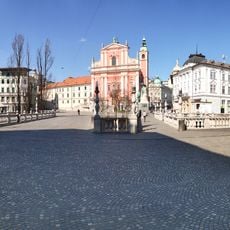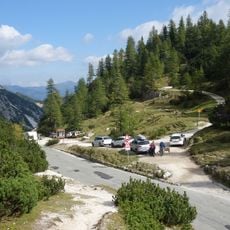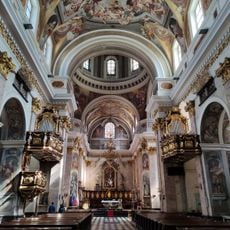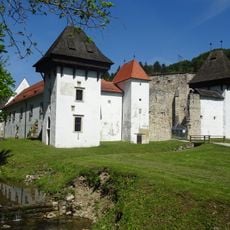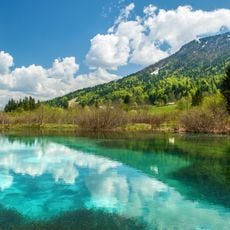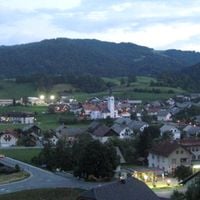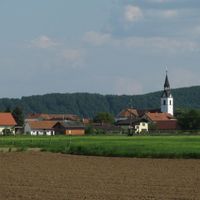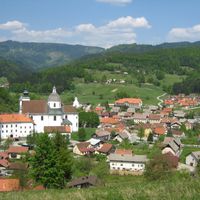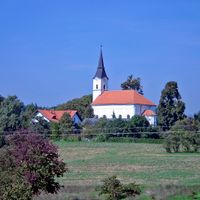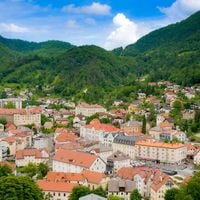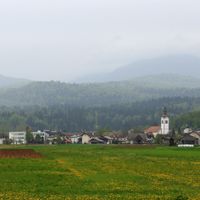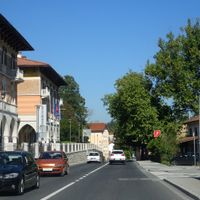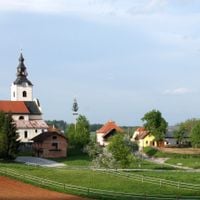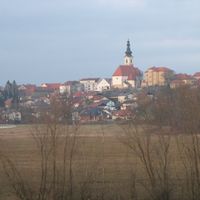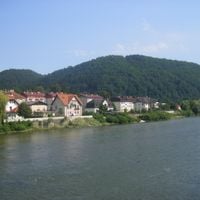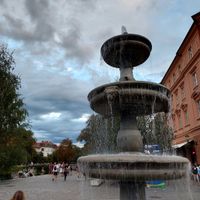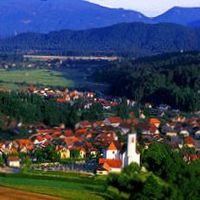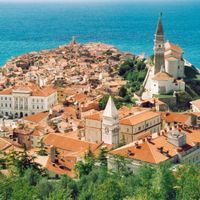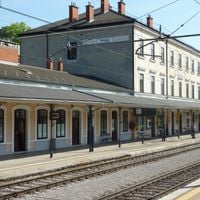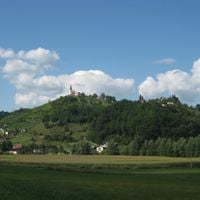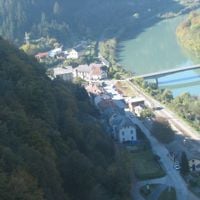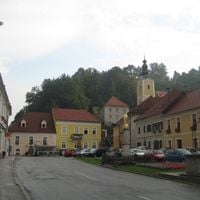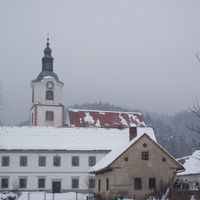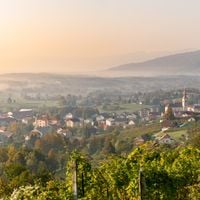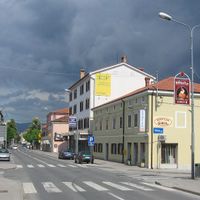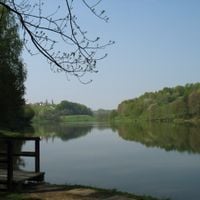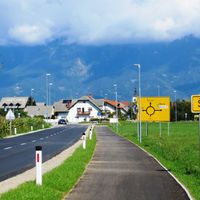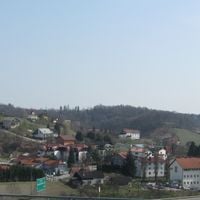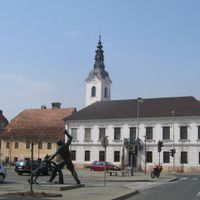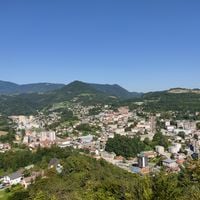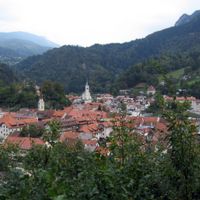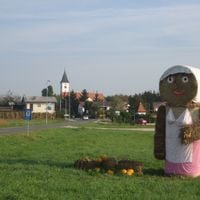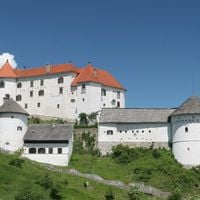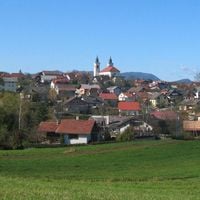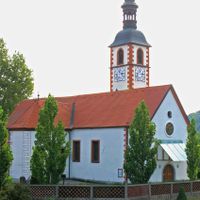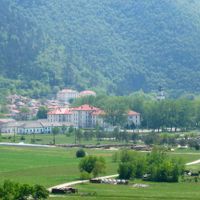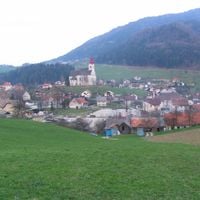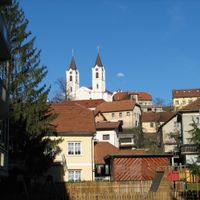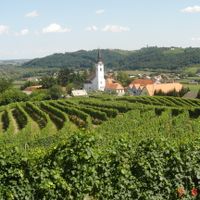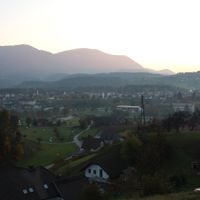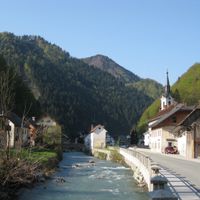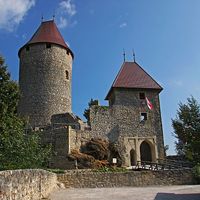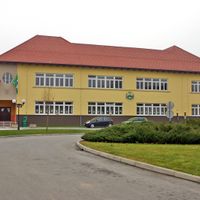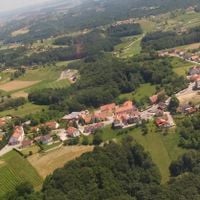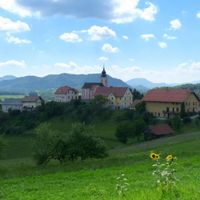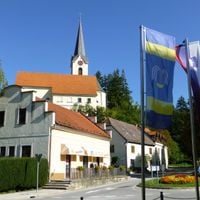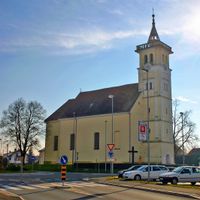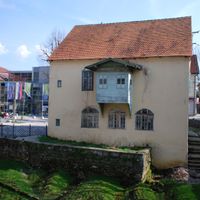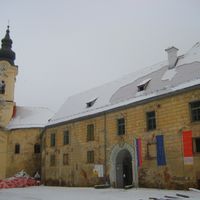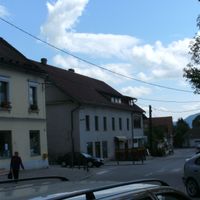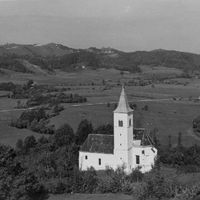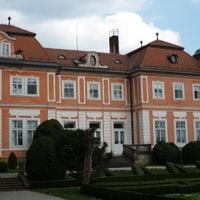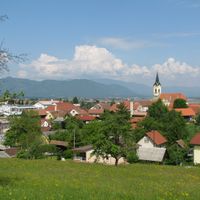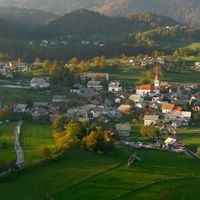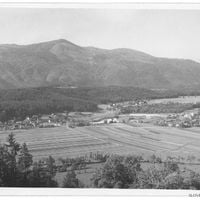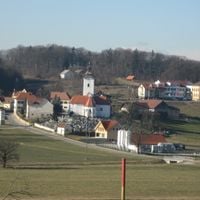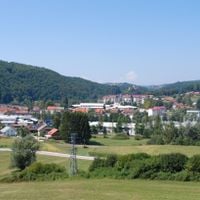
Slovenia, Parliamentary republic in Central Europe, nestled between Italy, Austria, Hungary, and Croatia.
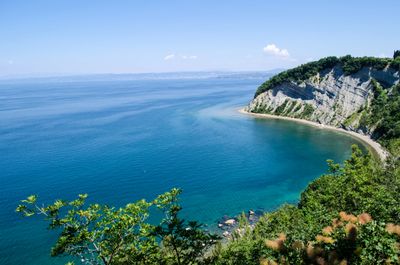
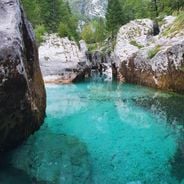
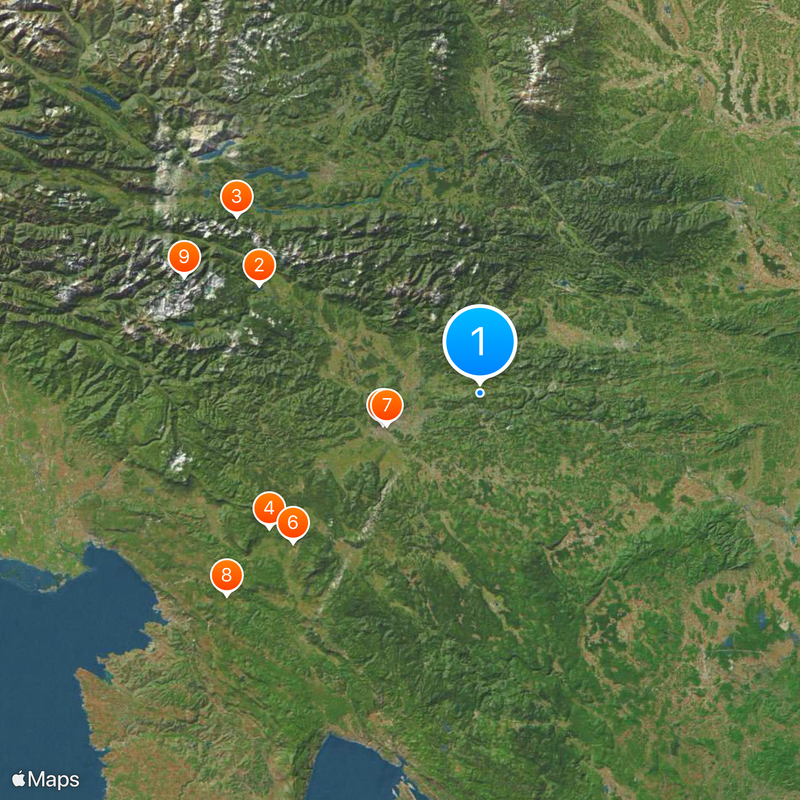
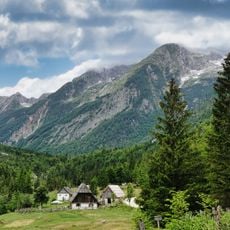
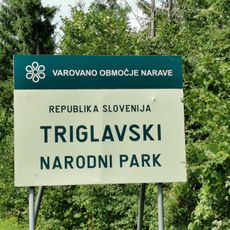
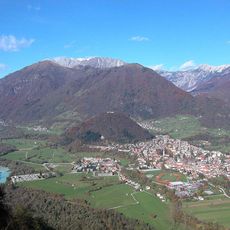
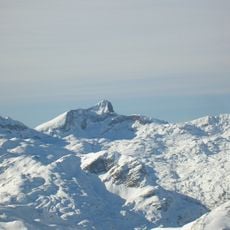
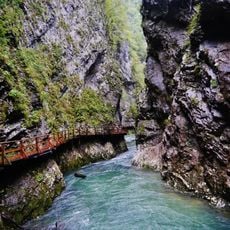
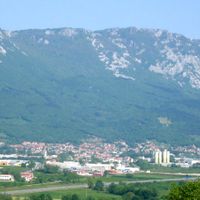
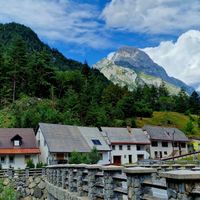
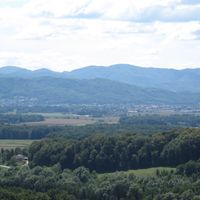
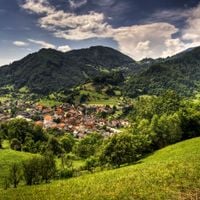
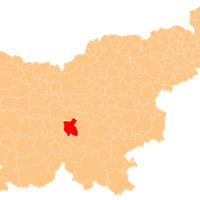
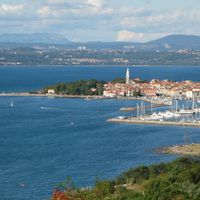
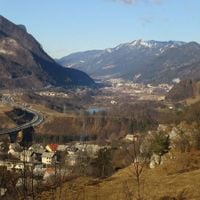
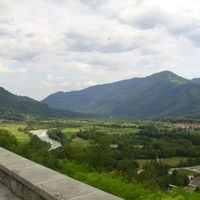
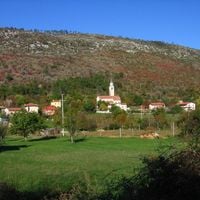
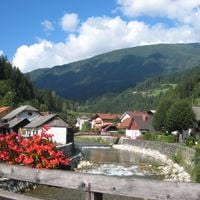
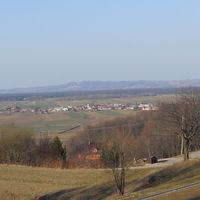
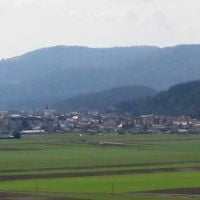
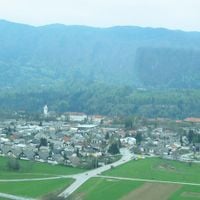
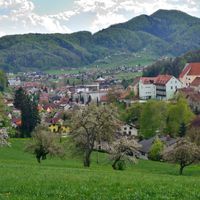
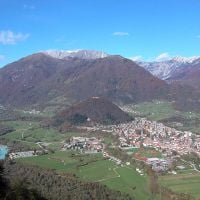
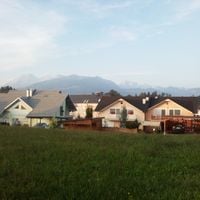
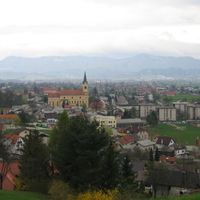
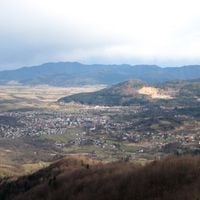
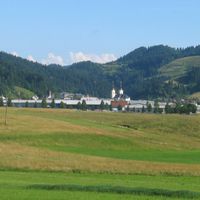
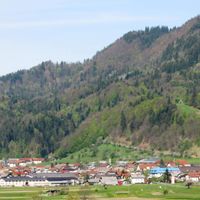
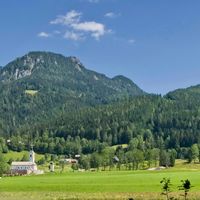
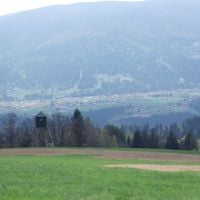
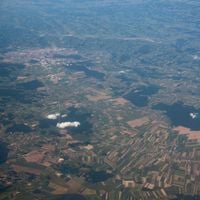
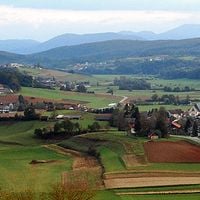
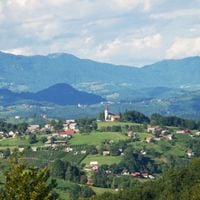
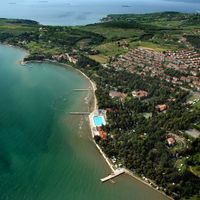
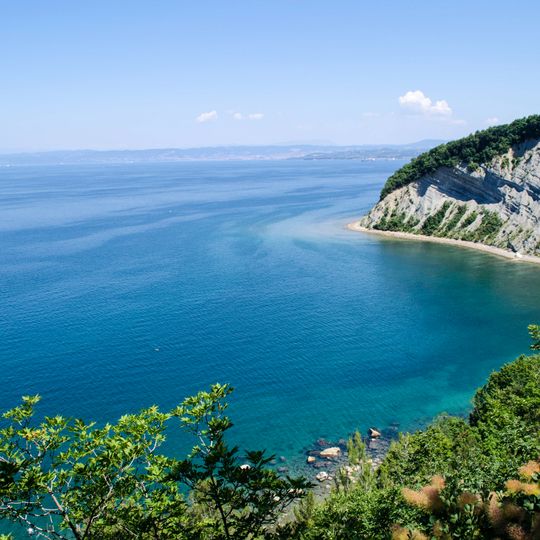
Slovenia is a parliamentary republic in Central Europe between Italy, Austria, Hungary and Croatia. The national territory stretches across the Julian Alps in the northwest, a narrow Adriatic coastal strip, the Pannonian lowlands in the northeast and the Dinaric mountains in the south.
After centuries under Habsburg rule, the territory became part of Yugoslavia in 1918. Independence came in 1991 through a ten-day conflict, followed by rapid transition to democracy and admission to the European Union in 2004.
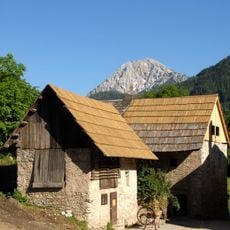
The region preserves a living beekeeping tradition where painted beehive panels have become a recognized folk art. These colorful boards show rural life and local stories passed down through village communities.
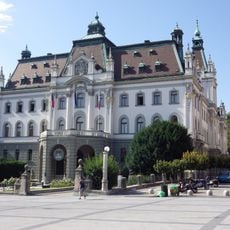
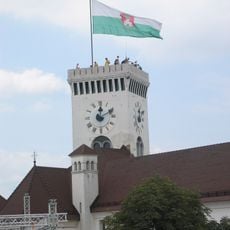
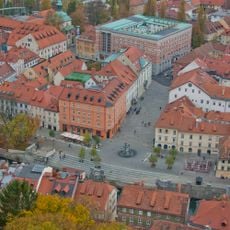
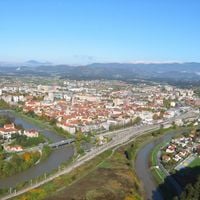
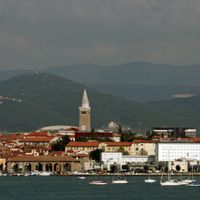
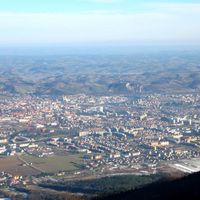
The country uses the Euro as currency and maintains an extensive highway network connecting major centers like Ljubljana, Maribor and Koper. The best travel period runs from May through September for mountain activities and coastal visits.
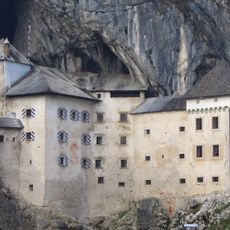
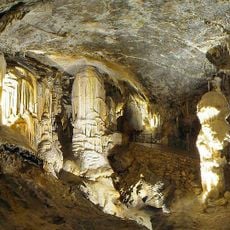
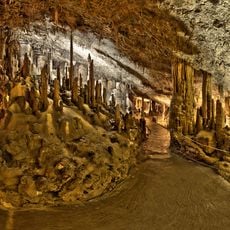
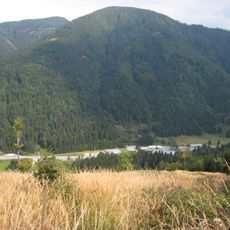
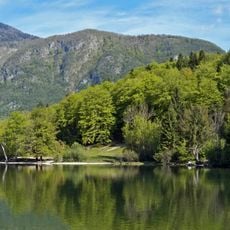
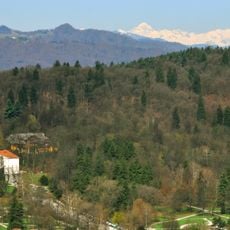
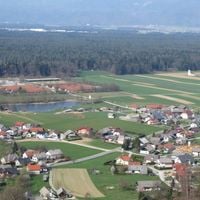
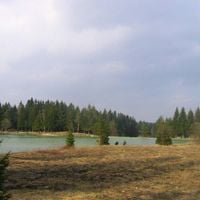
The Postojna cave system stretches over 24 kilometers underground and offers visitors electric train rides through limestone formations. About 60 percent of the territory remains forested, ranking among the highest forest coverage rates in Europe.
The community of curious travelers
AroundUs brings together thousands of curated places, local tips, and hidden gems, enriched daily by 90,827 contributors worldwide.