Postojna Cave

Log in to your account

AroundUs is a community-driven map of interesting places, built by curious explorers like you. It grows with every review, story, and photo you share.
Connect to save your favorite spots, contribute locations, and create personalized routes.
By continuing, you accept our Terms and Conditions and our Privacy Policy
Add to collection
Map
Suggest a change
Share

Postojna Cave, Show cave in Postojna, Slovenia

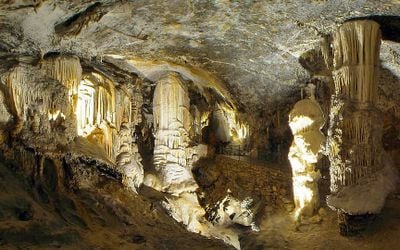
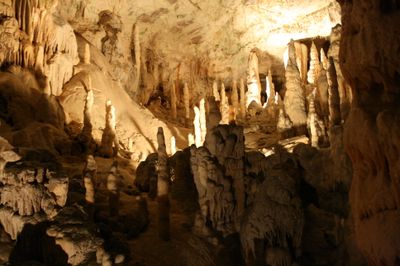
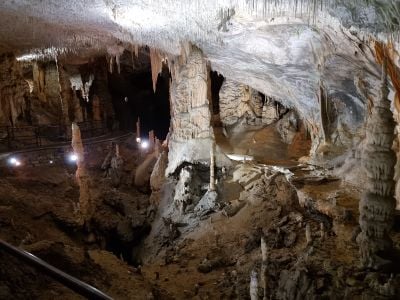
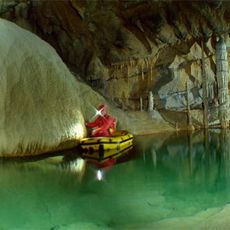
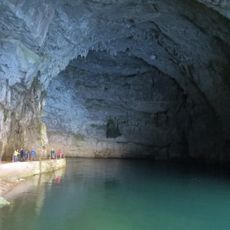
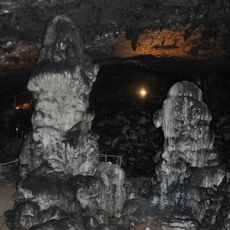
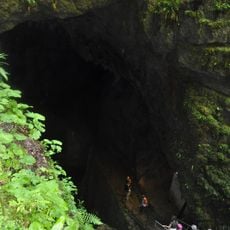
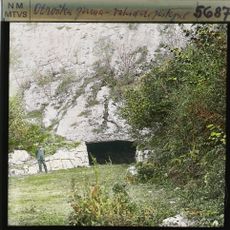
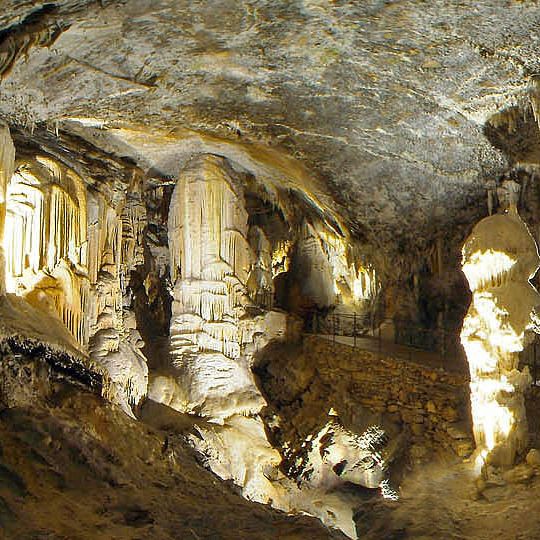
Postojna Cave is an extensive underground system carved through limestone containing many passages with white stalactites and stalagmites formed over thousands of years. The cave features illuminated chambers connected by galleries where visitors walk or ride through the passages.

The cave was first systematically explored in 1818 during preparations for an imperial visit, which opened new sections for public access. This early investigation marked the beginning of organized tourism at the site.

The underground railway installed here in 1872 fundamentally changed how visitors experience the cave and made it a major destination across Europe. The railway allowed more people to explore the deeper chambers that would have been difficult to reach on foot.

Tours combine a train ride through illuminated passages with a walking section on marked paths through the cave. Both parts are accessible to most visitors, though some areas have steps and uneven ground.

An underground post office has operated inside the cave since 1899, where visitors can have letters stamped and mailed from underground. The cave maintains a constant temperature of 10 degrees Celsius year-round, creating a cool environment regardless of the season.

Location: Municipality of Postojna

Accessibility: Wheelchair accessible

Operator: Postojnska jama d.d.

Part of: Postojna-Planina cave system

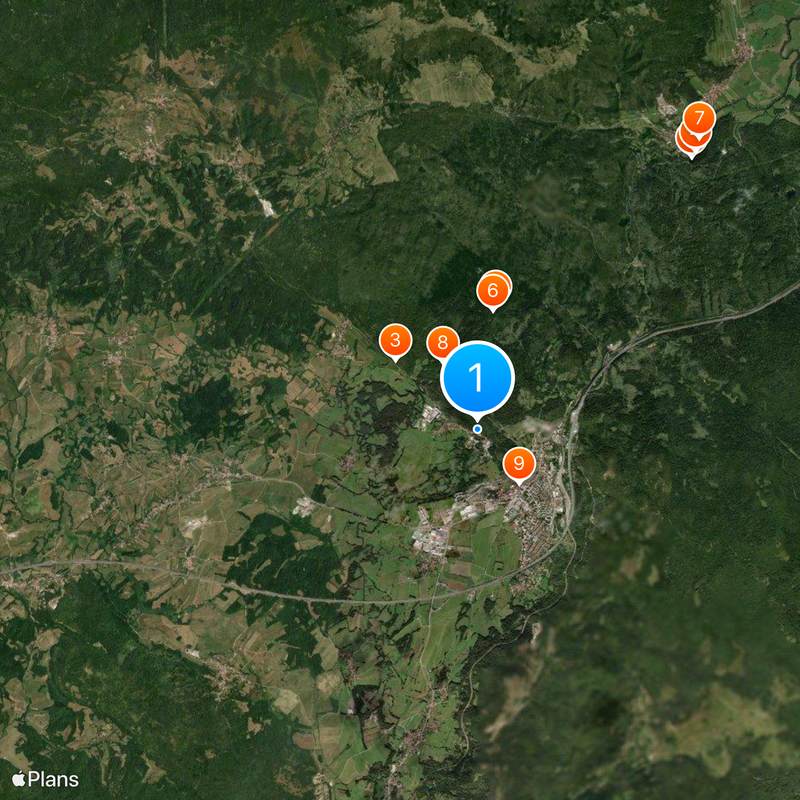
Address: Jamska cesta 30, 6230 Postojna, Slovenia

Opening Hours: Monday-Sunday 10:00-15:00

Phone: +38657000100

Website: http://postojnska-jama.eu

GPS coordinates: 45.78271,14.20386

Latest update: December 6, 2025 16:00

The most beautiful caves and grottoes in the World

Caves form through gradual geological processes that can span millions of years. Water dissolves limestone and creates underground chambers filled with stalactites and stalagmites, while ice caves in alpine regions maintain their frozen formations even during summer months. Each cave system tells a distinct story about the forces that shaped it, from chemical erosion to tectonic shifts that exposed new rock layers to underground rivers. This collection includes some of the most geologically significant caves on Earth. Carlsbad Caverns in New Mexico encompasses more than 30 miles (48 kilometers) of passages filled with mineral formations, while Mammoth Cave in Kentucky extends over 400 miles (650 kilometers) through limestone bedrock. Eisriesenwelt in Austria stretches 26 miles (42 kilometers) and contains ice structures that reform each winter. Reed Flute Cave in Guilin showcases limestone formations that began developing 180 million years ago. Waitomo Caves in New Zealand are home to thousands of glowworms that light the darkness with bioluminescence. Puerto Princesa in the Philippines features an underground river that flows 5 miles (8 kilometers) before reaching the sea. Several caves also preserve human history, including Lascaux in France with its 17,000-year-old paintings. These formations demonstrate how water, ice, and time create underground worlds that reveal both geological and cultural history.

Visit Slovenia: Alpine lakes, karst caves, and medieval castles

Slovenia covers some 7,800 square miles (20,000 square kilometers) between the Alps and the Adriatic, offering a concentration of different landscapes from the Julian Alps to the coast. The karst caves of Postojna and Škocjan rank among Europe's most extensive underground systems, while lakes such as Bled and Bohinj sit in glacial valleys. Medieval fortifications like Predjama Castle, built into a cliff face, and Ljubljana Old Town with its preserved architecture document the region's history. Triglav National Park encompasses Slovenia's highest mountain range and provides hiking routes through valleys like Soča, passes such as Vršič, and plateaus including Velika Planina. The Adriatic coastal town of Piran preserves Venetian architecture, while smaller places like Ptuj show Roman and medieval remains. Waterfalls such as Savica and Peričnik, springs like Zelenci, and gorges including Vintgar and Tolmin demonstrate the variety of Slovenian natural landscapes between mountains and Mediterranean.

Reviews

Visited this place? Tap the stars to rate it and share your experience / photos with the community! Try now! You can cancel it anytime.

« Postojna Cave - Show cave in Postojna, Slovenia » is provided by Around Us (aroundus.com). Images and texts are derived from Wikimedia project under a Creative Commons license. You are allowed to copy, distribute, and modify copies of this page, under the conditions set by the license, as long as this note is clearly visible.

Discover hidden gems everywhere you go!

From secret cafés to breathtaking viewpoints, skip the crowded tourist spots and find places that match your style. Our app makes it easy with voice search, smart filtering, route optimization, and insider tips from travelers worldwide. Download now for the complete mobile experience.
Around Us App Screenshot

A unique approach to discovering new places

Le Figaro

All the places worth exploring

France Info

A tailor-made excursion in just a few clicks

20 Minutes