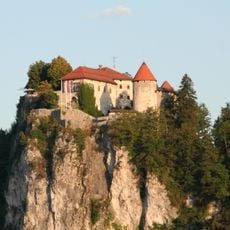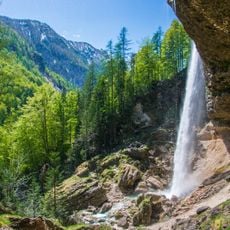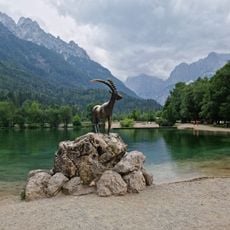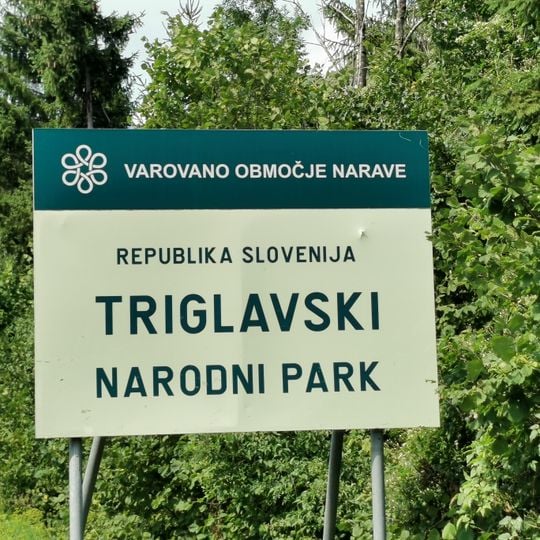
Triglav National Park, National park in Julian Alps, Slovenia.
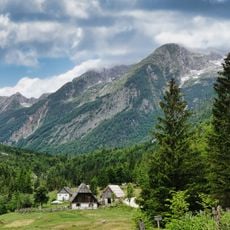
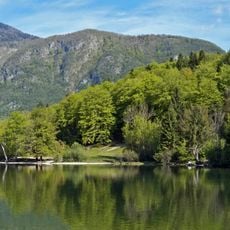
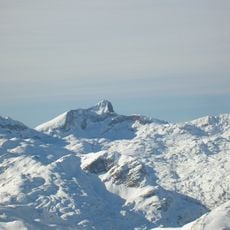
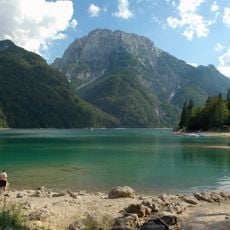
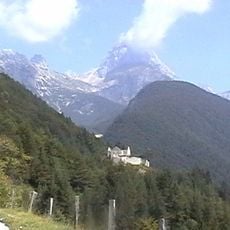
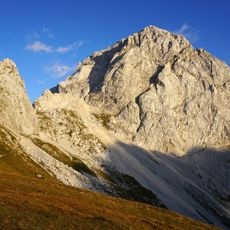
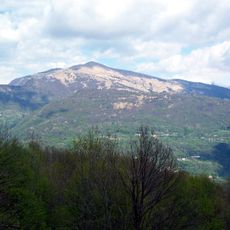
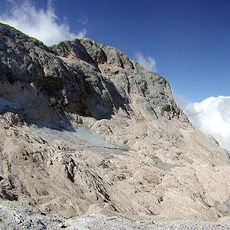
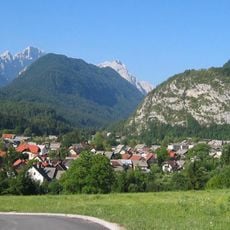
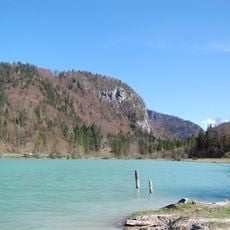
Triglav National Park covers 838 km² of the Julian Alps in northwestern Slovenia, with Mount Triglav (2864 m) standing almost at its centre. Grey limestone dominates the rock; the upper slopes of the massif hold snow patches in gullies and along the ridges. Valleys radiate from the peak, feeding the Soča and Sava river systems, and the park holds glacial lakes including Lake Bohinj, the country's largest permanent lake.
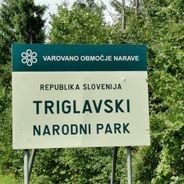
Seismologist Albin Belar proposed protecting the Triglav Lakes Valley in 1906 or 1908, but no legal basis existed and pasture restrictions were then forbidden. In 1924 the Slovene Museum Society and Slovene Mountaineering Society leased about 14 km² there as an Alpine Conservation Park. Fran Jesenko first used the name Triglavski narodni park in 1926. Protection was renewed permanently in 1961, and the modern park was established in 1981 at 838 km², growing to 880 km² in 2010 with Kneške Ravne.
The mountain gives its name to the protected area and forms part of Slovenian national heritage. Many Slovenians undertake at least one climb to its summit during their lifetime as a personal tradition.
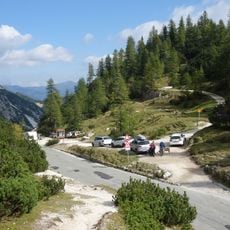
The protected area features a network of marked trails connecting valleys, mountain huts, and viewpoints. Visitors should bring sturdy footwear and weatherproof clothing for high-altitude routes, as conditions can change quickly.
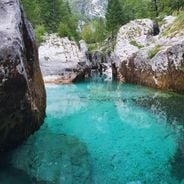
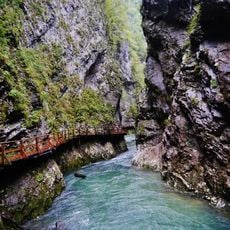
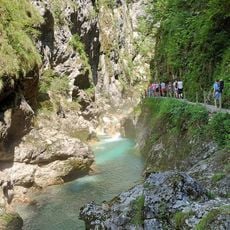
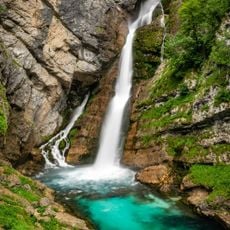
The Soča River originates within the park boundaries and flows through a narrow gorge where the water displays an unusual emerald-green color. Several endemic plant species grow only in this mountain system and nowhere else on Earth.
The community of curious travelers
AroundUs brings together thousands of curated places, local tips, and hidden gems, enriched daily by 93,464 contributors worldwide.