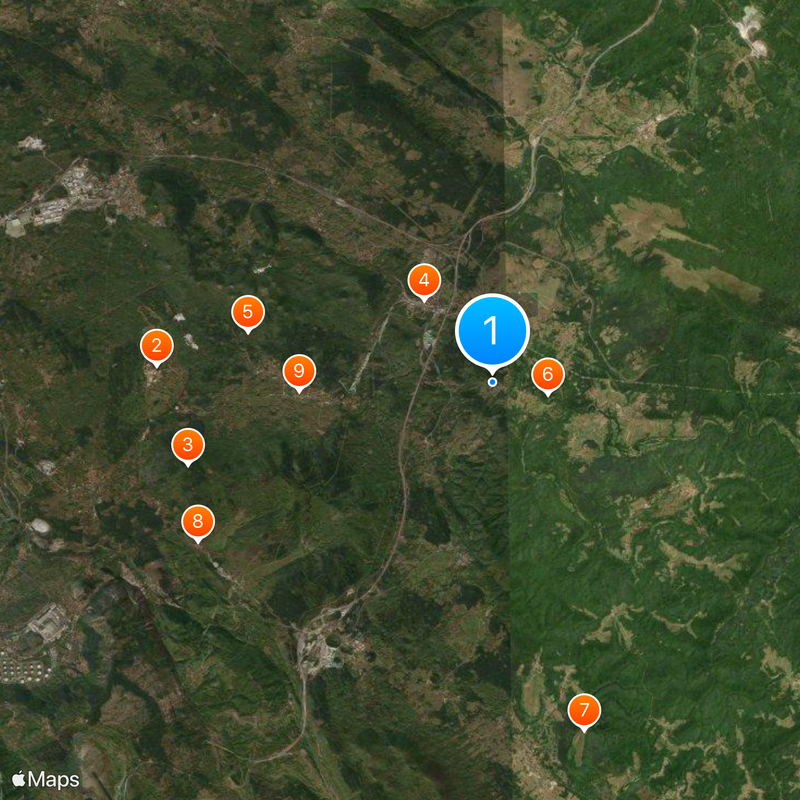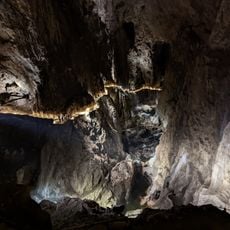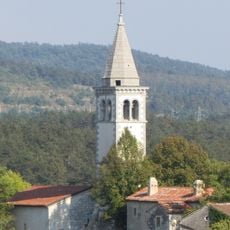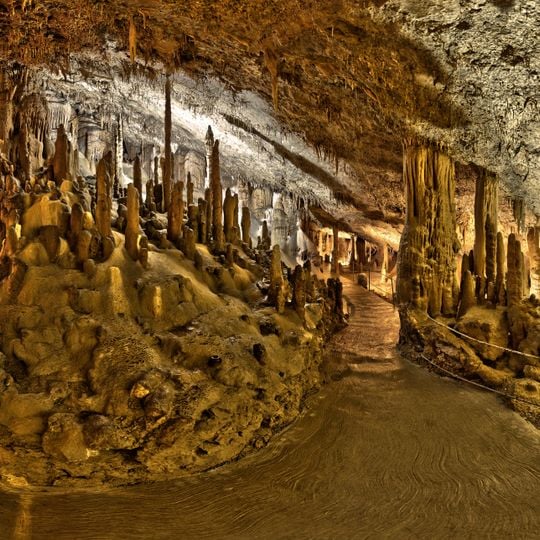
Škocjan Caves, Cave system in Divača, Slovenia.
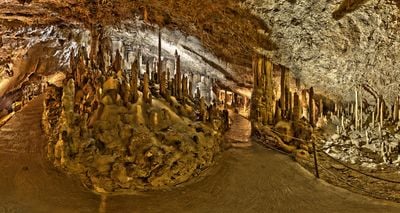
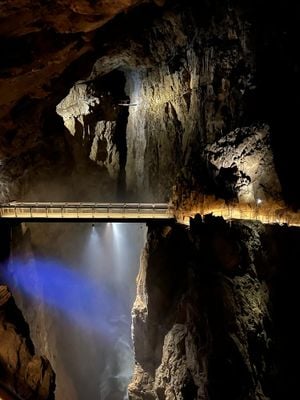
The underground system stretches 3.9 miles (6.2 kilometers) through limestone formations and encompasses several interconnected chambers featuring stalactites, stalagmites and flowstone curtains, while the Reka River flows through deep gorges within the cave, creating waterfalls and natural bridges in the rock structure.
Local inhabitants knew of the caves for centuries, but systematic exploration began in the 1840s under Adolf Schmidl, who conducted detailed mapping. Archaeologists discovered evidence of human use during the Bronze Age and Iron Age, including pottery fragments and tools, while the area received legal protection in 1980, followed by UNESCO recognition six years later.
The site has served as a focal point for speleological research since the late nineteenth century, drawing scientists from across Europe to study karst phenomena and underground ecosystems, while becoming a cornerstone of Slovenia's conservation movement and helping establish the country's reputation in natural science.
Reservations are recommended as daily visitor numbers are limited. Tours last approximately 90 minutes and involve walking on paved paths with over 500 steps. Temperature remains constant at 12 degrees Celsius (54 degrees Fahrenheit) year round, so warm clothing is advised. The entrance sits 1.9 miles (3 kilometers) from Divača train station, with bus connections available during summer months.
The Cerkvenik waterfall inside drops 39 feet (12 meters) through an opening in the ceiling and marks the only permanently surface section of the river within the karst system. A colony of more than 250 lesser horseshoe bats hibernates in the chambers, protected by special management protocols during winter dormancy periods.
The community of curious travelers
AroundUs brings together thousands of curated places, local tips, and hidden gems, enriched daily by 91,849 contributors worldwide.