Toro Toro National Park, National park and fossil site in Charcas Province, Bolivia
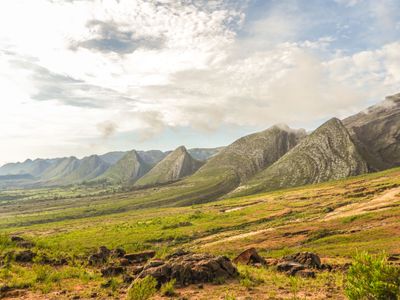
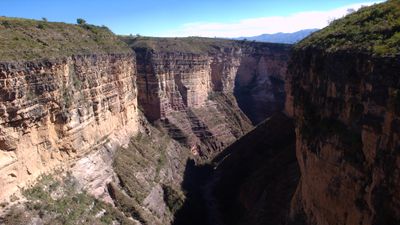
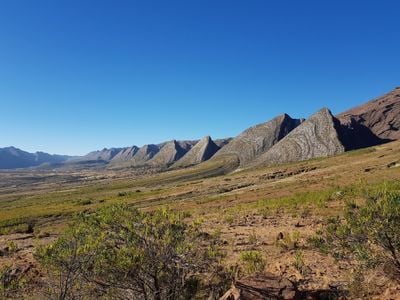
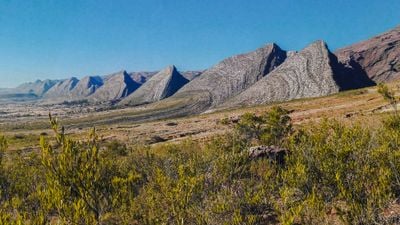
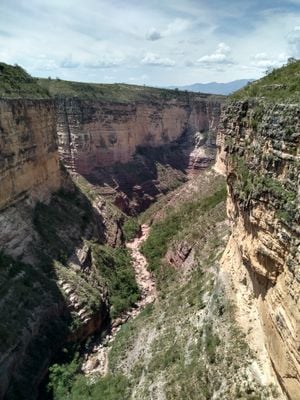
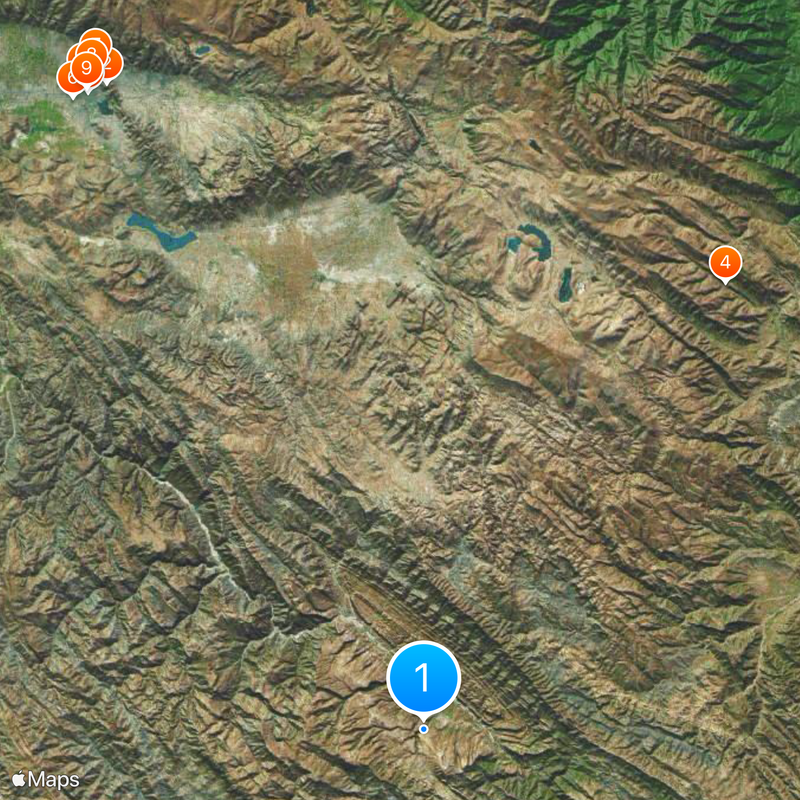
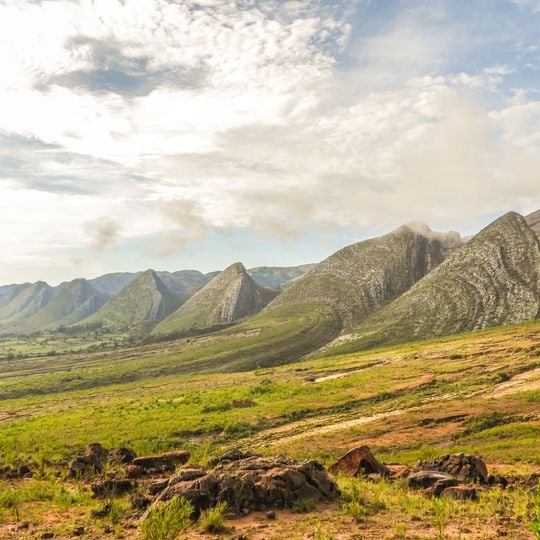
Toro Toro National Park is a protected area in Charcas Province, Potosí Department, known for its canyons and fossil deposits in a semi-arid mountain landscape. The terrain stretches across elevations between 2000 and 3500 meters (6560 and 11480 feet), with steep rock formations shaped by erosion.
Quechua communities and Spanish settlers inhabited this region more than two centuries ago, long before the area was placed under protection. The Bolivian government declared it a national park in July 1989 to preserve its geological and paleontological values.
The Llama Chaki archaeological site holds remains of Quechua settlements, preserving indigenous heritage through artifacts and structures within the park boundaries.
Access is by unpaved road from Cochabamba, with an early morning bus or a faster minibus available. Those walking on their own should wear sturdy footwear and carry enough water, as the sun is strong at this altitude.
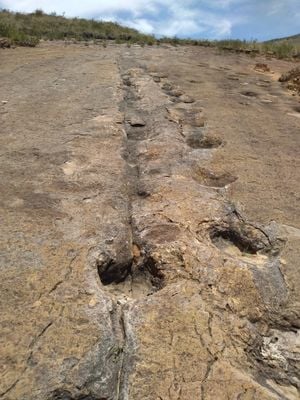
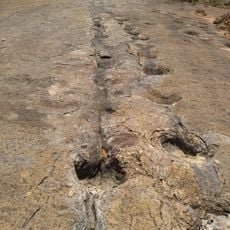
The terrain preserves thousands of dinosaur tracks from the Cretaceous period, scattered across rocks and slopes. Some of the prints belong to bipedal predators, others to heavy plant-eating species that roamed here around 120 million years ago.
Location: Charcas Province
Location: Potosí Department
Inception: July 26, 1989
GPS coordinates: -18.10000,-65.76670
Latest update: December 5, 2025 22:27
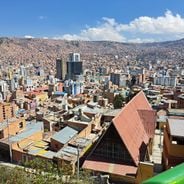
Bolivia sits in the central Andes, linking mountain ranges, high plateau lands, and lowland rainforests in a landlocked country. The changes in altitude create different climate zones and landscapes, from snow-covered peaks to tropical vegetation. Many visitors start in La Paz, a city that clings to a canyon and where a cable car system moves traffic between neighborhoods. The colonial capital of Sucre preserves its white facades and courtyards from the 1600s, while Potosí sits at the foot of Cerro Rico, a mountain that saw centuries of silver mining. The natural sites range from Lake Titicaca on the Peruvian border to the Salar de Uyuni, an expansive salt flat that turns into a shallow mirror during the rainy season. Madidi National Park protects rainforest in the north, while the Eduardo Avaroa Reserve in the south shows colored lagoons and desert formations. The Tiwanaku archaeological site holds evidence of pre-Columbian civilizations, and the Jesuit Missions of Chiquitos are wooden churches that survive in remote towns. The Valley of the Moon near La Paz forms eroded rocks that resemble lunar landscapes, and Torotoro National Park contains fossils and dinosaur tracks. The journey from La Paz to Coroico passes along the Death Road, a narrow mountain route that descends into the Yungas lowlands.
Cristo de la Concordia
88.7 km
Estadio Félix Capriles
90.5 km
Incallajta
66.5 km
Metropolitan Cathedral of Saint Sebastian
88.8 km
Parque Mariscal Santa Cruz
89.1 km
Cochabamba Bolivia Temple
91.4 km
Palacio Portales
90.5 km
Iglesia y Convento de Santa Teresa, Cochabamba
89.3 km
Estación Cochabamba (Cochabamba Station)
87.7 km
Jardín Botánico Martín Cárdenas
89.7 km
Templo de Santo Domingo, Cochabamba
88.8 km
Santa Lucía Formation
39.3 km
Templo de La Merced
92.1 km
Templo de San Francisco
88.9 km
Jesuit Church
89 km
Templo de Santa Clara
88.9 km
Cochabamba Cable Car
88.6 km
Iglesia de San Bartolomé, Arani
58.7 km
K'illi K'illi
54.5 km
MARTadero
88.9 km
Banco Mercantil
88.6 km
Escuela de comando y Estado Mayor, Cochabamba
88.7 km
Antiguo Edificio Obispado
89 km
Casa Familia Cornejo
89.1 km
Hotel Colón
89.4 km
Iglesia de San Juan de Dios
88.5 km
Casa Lanza y Jordán
88.5 km
Fountain of the Three Graces
88.8 kmReviews
Visited this place? Tap the stars to rate it and share your experience / photos with the community! Try now! You can cancel it anytime.
Discover hidden gems everywhere you go!
From secret cafés to breathtaking viewpoints, skip the crowded tourist spots and find places that match your style. Our app makes it easy with voice search, smart filtering, route optimization, and insider tips from travelers worldwide. Download now for the complete mobile experience.
A unique approach to discovering new places❞
— Le Figaro
All the places worth exploring❞
— France Info
A tailor-made excursion in just a few clicks❞
— 20 Minutes