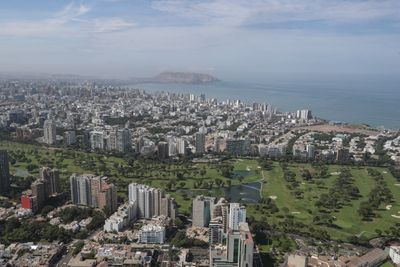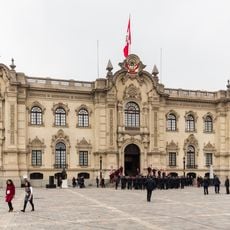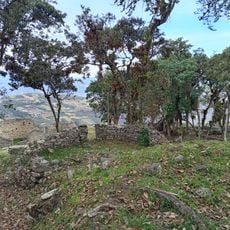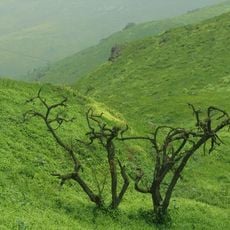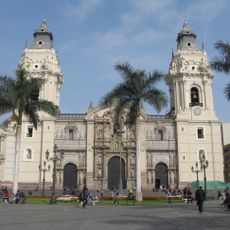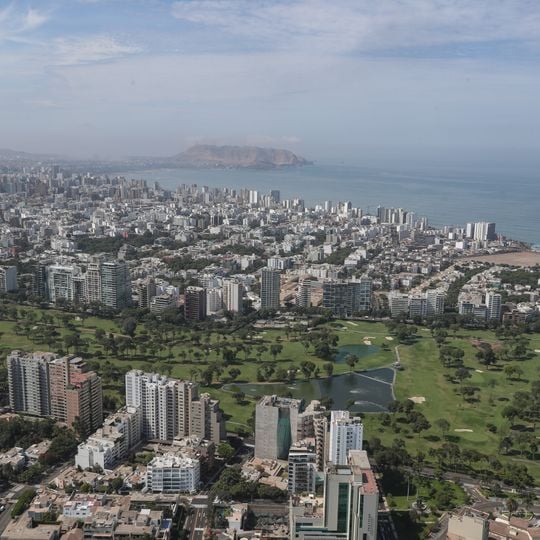
Peru, South American nation in Lima, Peru.
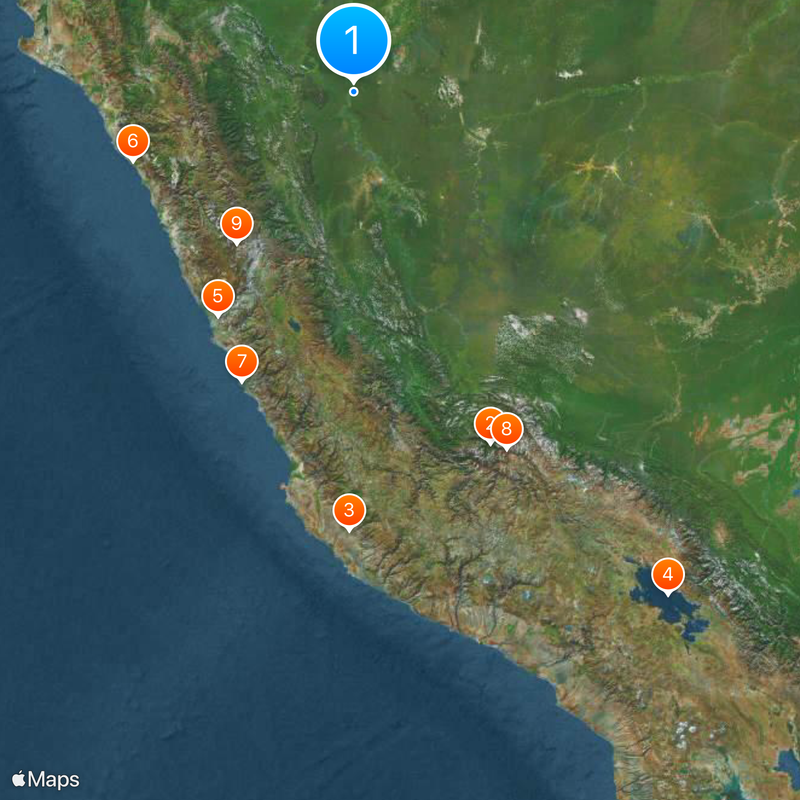
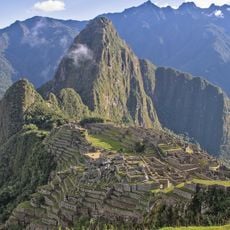
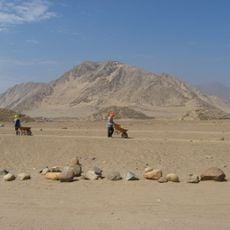
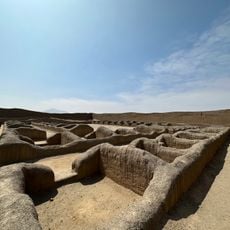
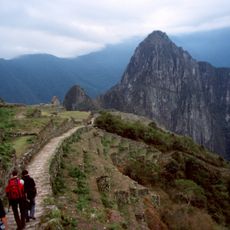
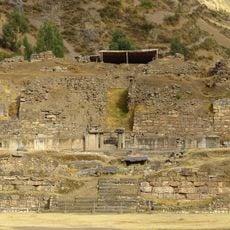
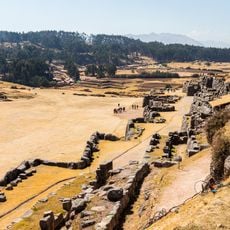
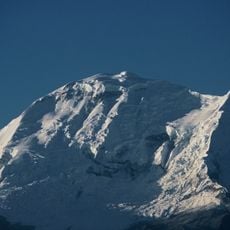
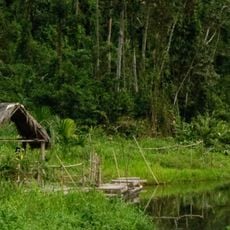
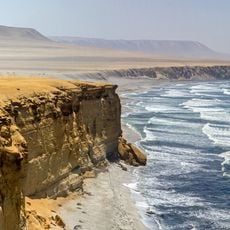
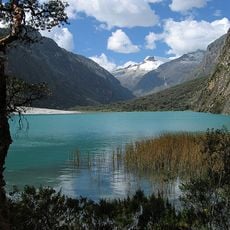
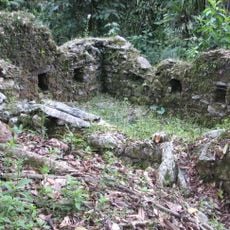
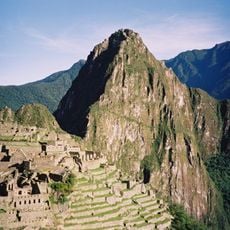
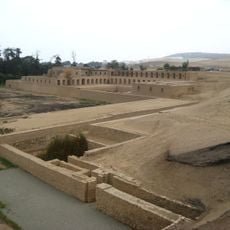
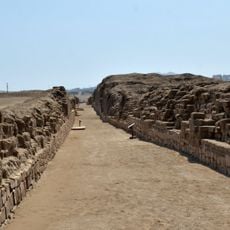
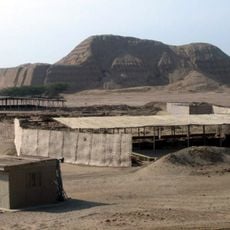
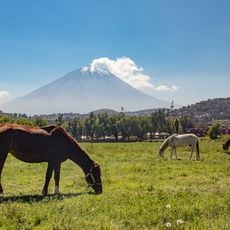
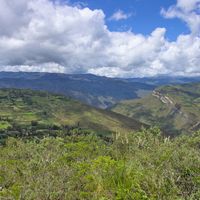
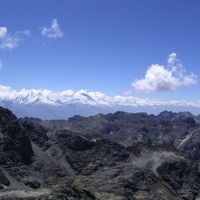
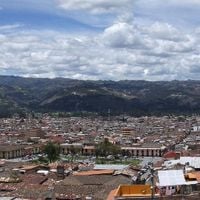
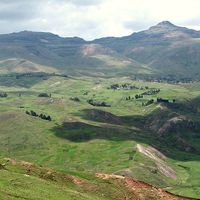
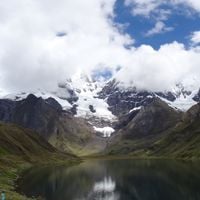
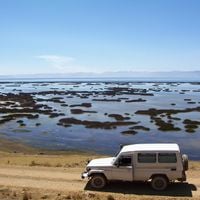
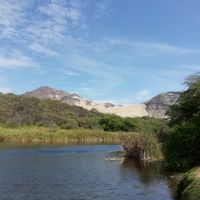
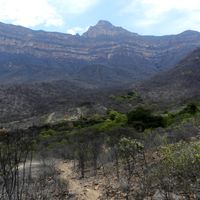
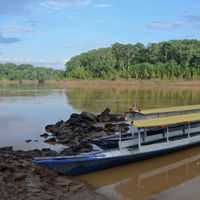
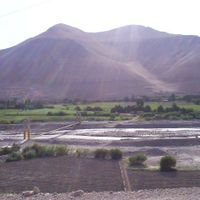
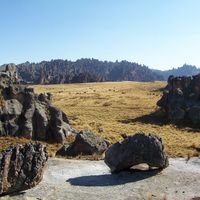
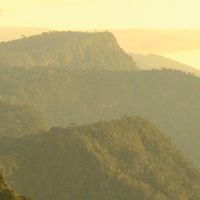
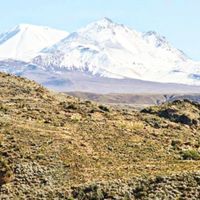
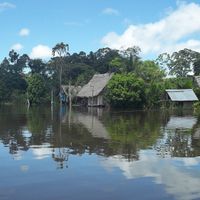
Peru is a South American nation on the Pacific coast, stretching from beaches and deserts in the west through the Andean mountain range to the Amazon basin in the east. The national territory encompasses mountain peaks above 20000 feet (6000 meters), coastal valleys with ancient ruins, and rainforest areas with branching river systems.
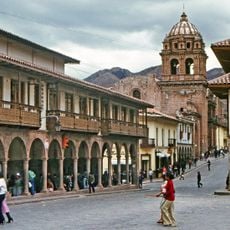
Francisco Pizarro led the Spanish conquest of the Inca Empire in 1532, establishing colonial rule that lasted until independence was declared under José de San Martín in 1821. The republic experienced political upheavals, border conflicts with neighboring states, and economic shifts driven by resource extraction during the 19th and 20th centuries.
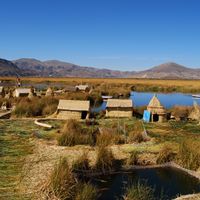
Quechua and Aymara languages remain in use alongside Spanish, reflecting the heritage of Andean populations who continue their textile arts, musical traditions, and agricultural practices in highland communities. Traditional festivals blend pre-colonial customs with Catholic celebrations, shaping local life throughout the year.
The Sol serves as the national currency, while intercity transportation operates mainly through buses on roads crossing different climate zones. Domestic flights connect major cities across large distances, making it easier to overcome geographic barriers.
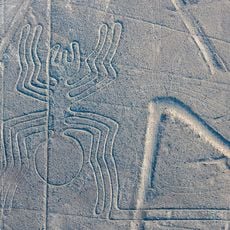
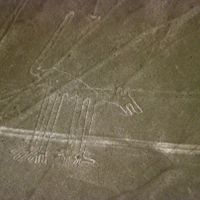
The national territory contains 84 of 117 global ecological zones, providing habitat for endemic species such as the Andean condor and vicuna at elevations above 13000 feet (4000 meters). The Nazca Lines in the southern desert display large geoglyphs from pre-Columbian times, their purpose still subject to research today.
The community of curious travelers
AroundUs brings together thousands of curated places, local tips, and hidden gems, enriched daily by 60,000 contributors worldwide.