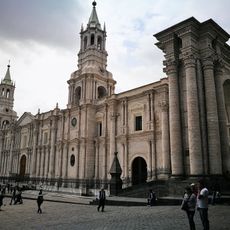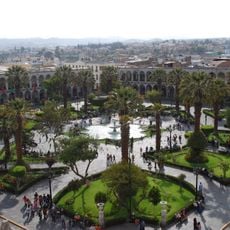
Arequipa Department, Administrative region in southern Peru
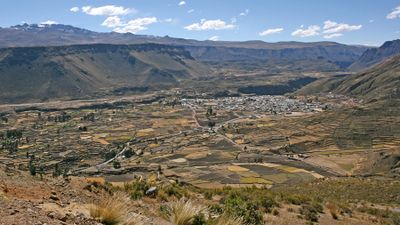
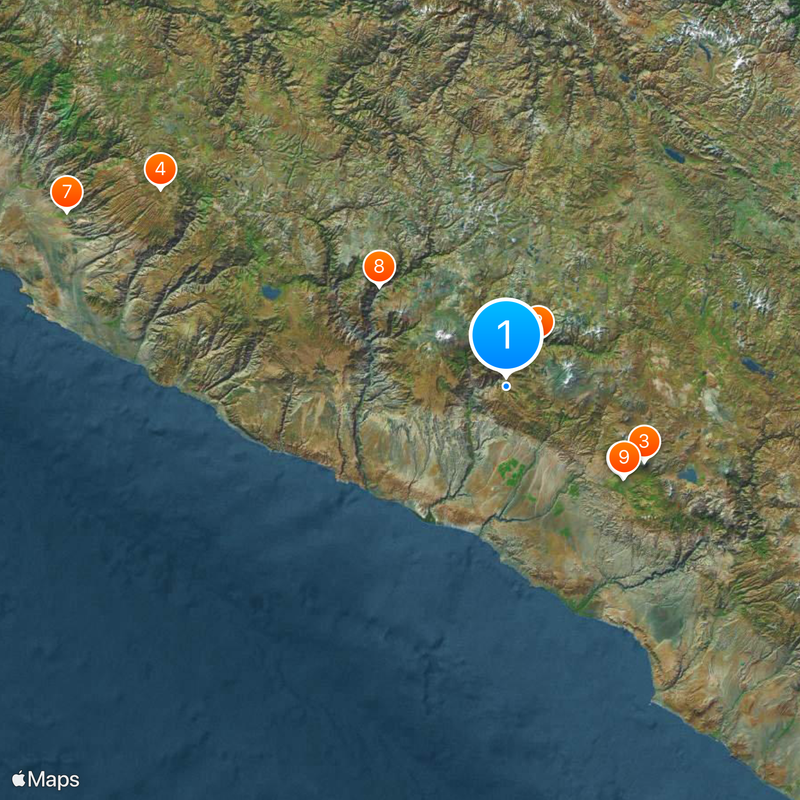
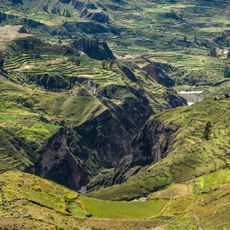
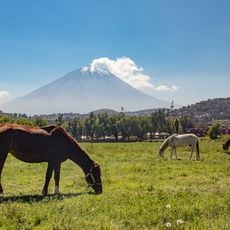
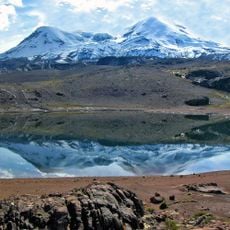
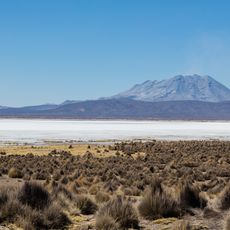
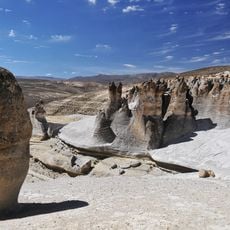
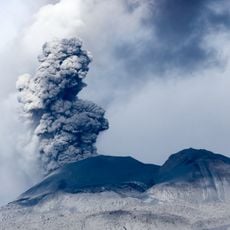
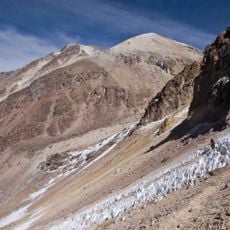
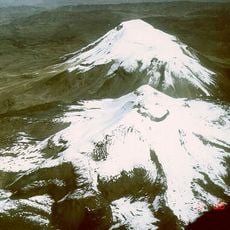
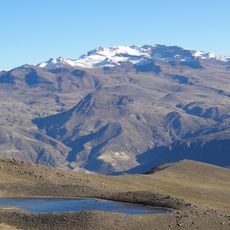
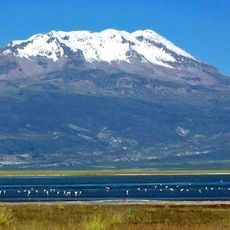
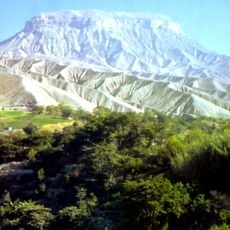
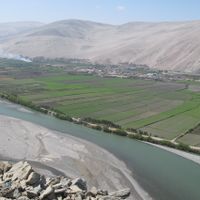
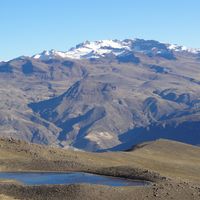
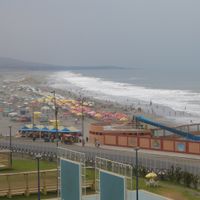
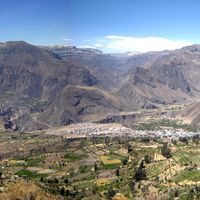
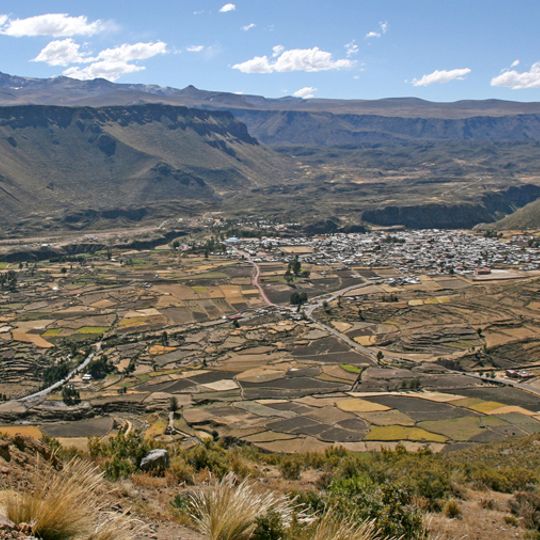
This administrative region in southern Peru stretches from volcanic highlands to deep canyons near the Pacific coast. It includes eight provinces that range from coastal deserts to Andean heights above 5000 m (16400 ft).
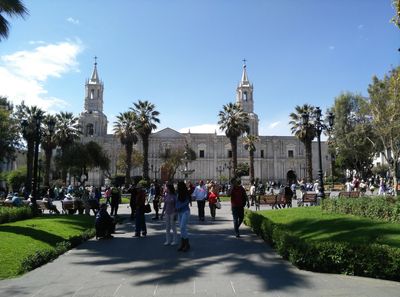
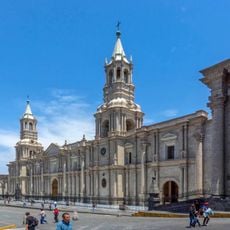
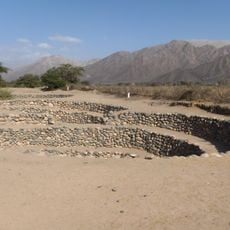
Before Spanish arrival, these lands belonged to the Inca Empire and earlier cultures that had developed terraced agriculture. Colonial mining reshaped the valleys and brought new trade routes through the Andean passes.
The regional name derives from the Quechua words ari qhipay, meaning yes let us stay, reflecting the decision of early settlers to remain. Visitors today notice this connection in local Spanish, where Quechua terms for landscape features and plants remain in everyday use.
Travelers should prepare for strong temperature changes between valley and highland areas, with mornings often starting cool. Altitude requires time for adjustment, especially when visiting the higher provinces.
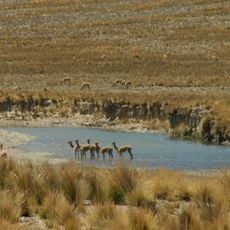
Wild alpaca herds roam freely in the eastern provinces at altitudes where oxygen is half of sea level. These animals provide wool that is still hand-spun in small villages.
The community of curious travelers
AroundUs brings together thousands of curated places, local tips, and hidden gems, enriched daily by 91,807 contributors worldwide.