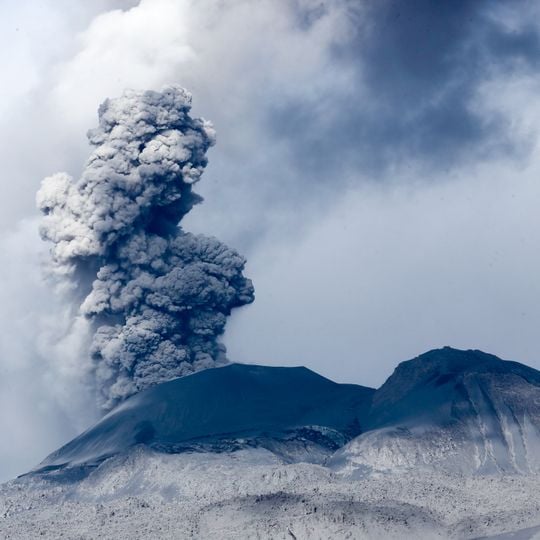
Sabancaya, Active stratovolcano in Arequipa region, Peru
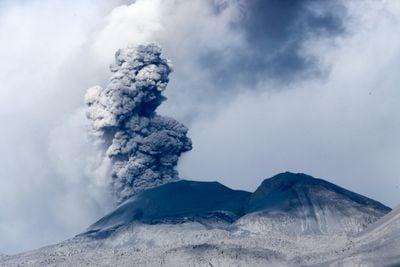
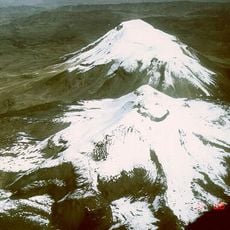
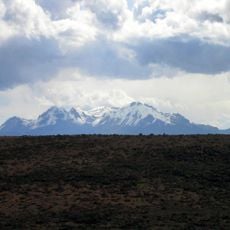
Sabancaya is an active stratovolcano composed of andesite rock located in the Arequipa region. It rises to about 5,976 meters (19,600 feet) and forms part of a volcanic complex in southern Peru.
The name Sabancaya is attested from 1595, implying eruptions were observed by then; chronicles record activity in 1460, 1752 and 1784, the last on 11 July, after the Arequipa earthquake of 13 May 1784. After more than 200 years of quiet, residents of Cajamarcana-Huacachiguero reported the first signs of reactivation in 1981. Activity resumed in 1986 and culminated in a large eruption in 1990, and ash and gas emissions have continued since.
The name Sabancaya is Quechua for tongue of fire or spitting volcano, a reference to its eruptions; the form Sahuancqueya also appears, and the name is attested from 1595, suggesting activity was observed by then. Ash from the ongoing eruption has fallen on Huambo, Cabanaconde, Tapay, Pinchollo, Maca, Achoma, Coporaque, Yanque, Ichupampa, Chivay, Tuti, Siballo, Huanca and Lluta, affecting people and livestock.
The area has monitoring stations equipped with GPS, seismometers, and satellite technology to track volcanic activity. Visitors should check local alert systems before visiting and should follow the guidance of local guides.
The summit was first climbed in 1966, and all three summits were reached in 1972. The name Sabancaya is attested from 1595, which suggests eruptions were being observed here by that date. The volcano has two summit domes, Sabancaya I North and Sabancaya II South, with a crater about 350 metres wide.
The community of curious travelers
AroundUs brings together thousands of curated places, local tips, and hidden gems, enriched daily by 93,772 contributors worldwide.